
African Dog Breeds: 12 Remarkable Dogs From the Cradle of Canines
African dog breeds are dogs that originated on the African continent, ranging from ancient sighthounds like the Basenji and Azawakh to powerful mastiff-type guardians like the Boerboel and the lion-tracking Rhodesian Ridgeback. Shaped by harsh climates and thousands of years of working alongside people, these breeds are famous for endurance, independence, and striking looks that set them apart from the more familiar European and American dogs.
From the "barkless" hunter of the Congo to the sand-adapted sighthounds of the Sahel, Africa's dogs are some of the oldest and most distinctive on Earth. Below, we break down 12 of the most notable African dog breeds, what they were bred to do, and which ones can realistically fit into a modern home.
What Makes a Dog an "African" Breed?
An African dog breed is simply one whose development is rooted in a specific African region or culture. Some, like the Basenji, are considered basal breeds—genetically ancient dogs that split off early from other lineages and have existed largely unchanged for millennia. Others, like the Boerboel, were refined during colonial eras by crossing imported European mastiffs with local landrace dogs.
What ties them together is adaptation. As breed experts note, African dogs evolved to work in heat, cover long distances, guard livestock from formidable predators, and thrive on limited resources. That heritage still shows up today in their drive, their weather-hardiness, and an independent streak that rewards patient, experienced owners. If you love pillar guides like our overview of Asian dog breeds, this is the African counterpart.
Ancient African Sighthounds
Basenji
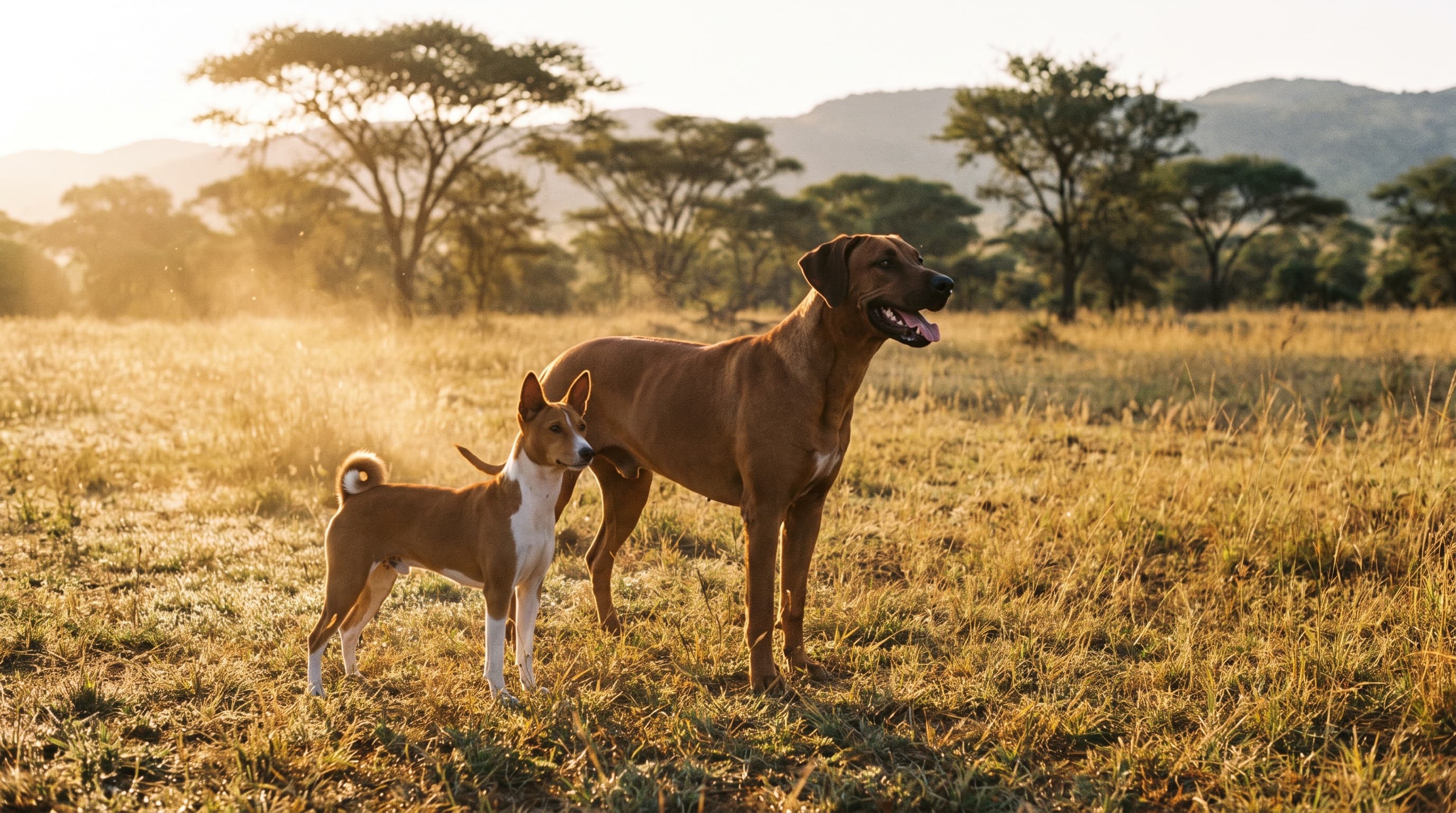
Often called Africa's "Barkless Dog," the Basenji is a compact, intelligent hunter that originated in Central Africa around the Congo Basin. Instead of barking, it produces a distinctive yodel-like sound sometimes called a "baroo." Basenjis are small—typically around 22 to 24 pounds—with a tightly curled tail, a fastidiously clean coat, and a cat-like aloofness. They are among the oldest recognized breeds in the world and remain popular with owners who appreciate a quiet, low-odor, high-energy companion. Learn more about the breed profile on the American Kennel Club.
Azawakh
The elegant, whippet-thin Azawakh is a sighthound from West Africa, raised throughout the Sahelian zone of Mali, Niger, and Burkina Faso and named for the Azawagh Valley. Historically it served as both a guard dog and a hunter capable of chasing gazelle and hare at speeds up to 40 mph, according to documentation of the breed. Males stand roughly 25 to 29 inches tall yet weigh only 44 to 55 pounds—a lean, leggy build suited to desert heat. The AKC recognized the Azawakh in its Hound group in 2019.
Sloughi
The Sloughi, sometimes called the "Arabian Greyhound," is a North African sighthound prized in Morocco, Tunisia, Algeria, and Libya for speed and stamina over open terrain. Reserved with strangers but deeply bonded to family, the Sloughi shares the sensitive, dignified temperament common to desert sighthounds. If you're drawn to long, aerodynamic hounds, you may also enjoy our guide to the Borzoi.
African Guardian and Working Breeds
Boerboel (South African Mastiff)
The Boerboel is a large, mastiff-type guard dog developed in South Africa to protect farms and families and to hold big game at bay. Males stand around 26 inches at the shoulder with a short coat, heavy bone, and dense musculature, per the breed standard. Confident and territorial, the Boerboel is a serious commitment that belongs with experienced owners who can provide structure, early socialization, and secure containment. Its coat often comes in brindle, fawn, and brown—colors we explore across breeds in our brindle dog breeds guide.
Rhodesian Ridgeback
Perhaps the most globally recognized African breed, the Rhodesian Ridgeback originated in Southern Africa, with its standard set in Bulawayo (now Zimbabwe) in 1922. Its signature feature is the ridge of hair running against the grain down its spine. Bred to track and bay lions—harassing rather than attacking them until a hunter arrived—the Ridgeback is athletic and brave, with males standing 25 to 27 inches and weighing around 80 pounds, according to breed records. Curious about ownership costs? See our Rhodesian Ridgeback price breakdown.
Aidi (Atlas Mountain Dog)
The Aidi hails from Morocco's Atlas Mountains, where Berber tribes relied on it to guard livestock and camps. Hardy, alert, and weatherproof thanks to a thick protective coat, the Aidi is a true working guardian rather than a couch companion, and it thrives when given a job to do.
Africanis
The Africanis refers to the aboriginal dogs of Southern Africa—a naturally developed landrace that has coexisted with rural communities for centuries. Rather than a standardized show breed, the Africanis is celebrated for its genetic diversity, disease resistance, and easygoing adaptability. Conservationists work to protect the type precisely because it represents unspoiled, functionally evolved dogs.
Egyptian and Ancient North African Breeds
Pharaoh Hound
With its amber eyes and blush-prone ears and nose, the Pharaoh Hound is an elegant hunter whose imagery echoes ancient Egyptian art. Playful, athletic, and affectionate, it adapts well to active family life while retaining a strong prey drive. (Genetic studies place its modern development in Malta, but its aesthetic and lore are tied to North Africa.)
Armant (Egyptian Sheepdog)
The Armant is a scruffy, medium-sized herding and guarding dog from Egypt, named for the town of Armant. Loyal and courageous, it historically protected flocks and homesteads and remains rare outside its homeland.
Abyssinian Sand Terrier
One of the rarest dogs on this list, the Abyssinian Sand Terrier is a largely hairless breed associated with parts of Africa. Its bare skin demands sun protection and diligent skincare, and populations are small, making it more of a curiosity than a common companion.
Are African Dog Breeds Good Family Pets?
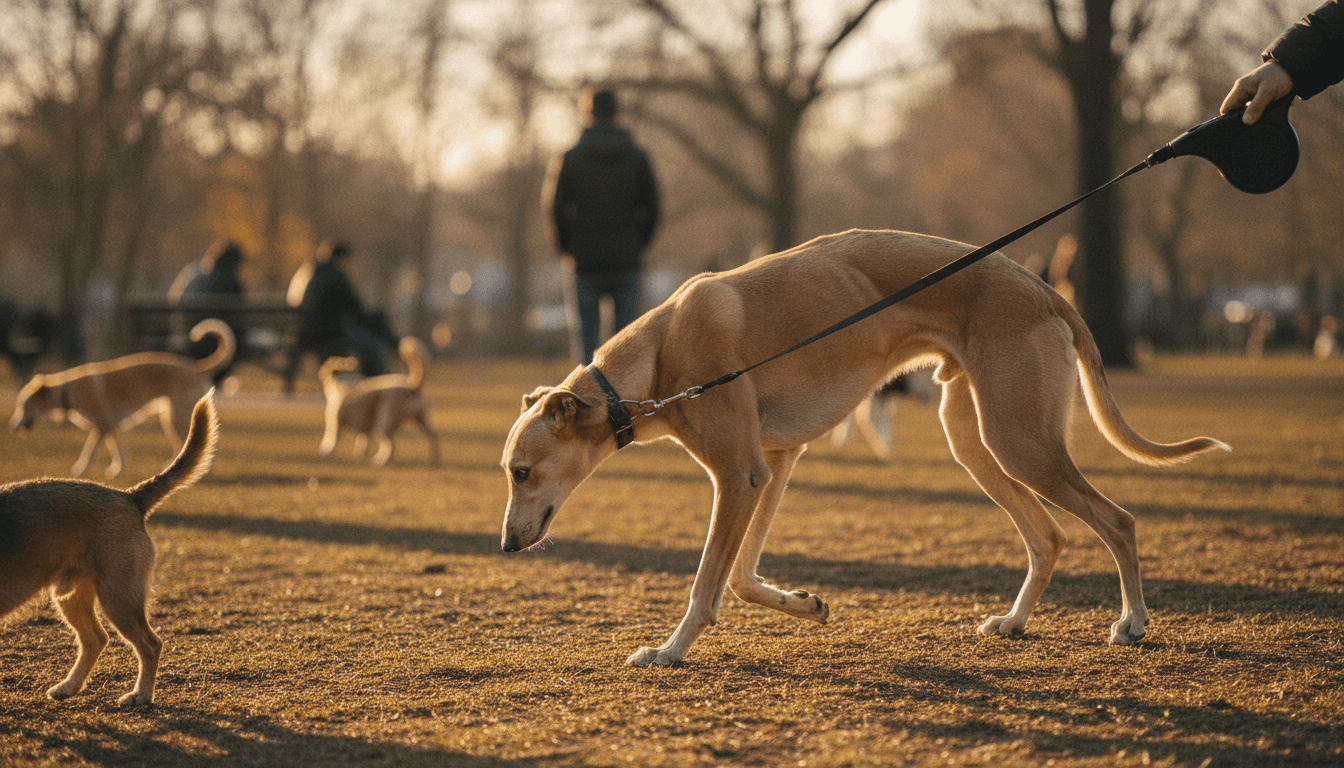
It depends heavily on the breed and the owner. Sighthounds like the Basenji, Azawakh, and Sloughi can be affectionate and clean but are independent, escape-prone, and driven to chase—meaning secure fencing and leashed walks are non-negotiable. Guardian breeds like the Boerboel and Rhodesian Ridgeback are loyal and protective but powerful and strong-willed, best matched with experienced handlers who prioritize early socialization and consistent training.
Across the board, African breeds tend to be intelligent, weather-adapted, and low-drama about grooming, but high on the "needs a job and a plan" scale. First-time owners should research carefully and, ideally, meet adult dogs of the breed before committing. Many large African guardians also need cooler-weather management and plenty of space to move.
African Dog Breeds Compared at a Glance
- Best for quiet apartments (with exercise): Basenji—small, tidy, and nearly barkless.
- Best for athletes and runners: Azawakh, Sloughi, and Pharaoh Hound—built for speed and distance.
- Best for property protection: Boerboel and Rhodesian Ridgeback—devoted guardians for experienced owners.
- Best for rugged, working homes: Aidi and Armant—hardy herders and flock guardians.
- Most unique conversation starter: Africanis and Abyssinian Sand Terrier—living pieces of canine history.
How to Choose the Right African Dog Breed for Your Lifestyle
Because African breeds span such a wide range—from 22-pound sighthounds to 150-pound guardians—matching the breed to your daily reality matters more than falling for looks alone. Start by being honest about three things: your experience level, your climate, and your daily activity.
Experience level. Guardian breeds like the Boerboel and, to a lesser extent, the Rhodesian Ridgeback are strong-willed dogs that test boundaries. They reward owners who understand structure, consistent leadership, and early, ongoing socialization, but they can overwhelm a first-time owner. If this is your first dog, a Basenji or Pharaoh Hound is a more forgiving—though still independent—entry point.
Climate. Desert-adapted sighthounds such as the Azawakh and Sloughi have thin coats and low body fat; they chill quickly and appreciate a sweater in northern winters, plus a soft, warm place to sleep. Thick-coated mountain guardians like the Aidi, by contrast, handle cold beautifully but can struggle in extreme heat and humidity. Neither extreme should be left outdoors unprotected in harsh weather.
Activity. Sighthounds need sprint opportunities in a securely fenced space—their prey drive makes off-leash freedom risky. Guardians need territory to patrol and a sense of purpose. Almost every African breed does poorly when under-stimulated and left alone for long stretches, so factor in your schedule before committing.
Grooming and Care Basics Across African Breeds
One pleasant surprise for many owners: most African breeds are relatively low-maintenance in the grooming department. Short-coated breeds like the Basenji, Boerboel, Rhodesian Ridgeback, Azawakh, and Sloughi need little more than weekly brushing and occasional baths. The Basenji is famously fastidious and nearly odorless, grooming itself much like a cat.
The bigger care priorities are climate protection, dental hygiene, nail maintenance, and mental enrichment. Hairless or near-hairless types like the Abyssinian Sand Terrier are the exception, requiring sunscreen and dedicated skincare. Whatever breed you choose, a species-appropriate diet, routine veterinary checkups, and plenty of enrichment will keep these hardy, historic dogs thriving in a modern home.
Frequently Asked Questions About African Dog Breeds
What is the most famous African dog breed?
The Rhodesian Ridgeback is the best-known African breed worldwide, recognizable for the distinctive ridge of hair along its back and its history of tracking lions in Southern Africa.
Which African dog breed doesn't bark?
The Basenji is famous as the "barkless dog." It isn't truly silent—it produces a yodel-like "baroo"—but it lacks the typical bark most breeds use.
Are African dog breeds aggressive?
No breed is inherently "aggressive," but many African guardian breeds like the Boerboel are protective and territorial by design. With early socialization, training, and responsible ownership, they can be stable, loyal companions. Sighthounds are generally more aloof than aggressive.
What is the oldest African dog breed?
The Basenji is widely regarded as one of the most ancient dog breeds on Earth, considered a basal breed that diverged early from other lineages and has existed largely unchanged for thousands of years.
Do African dog breeds handle cold weather?
It varies. Thick-coated mountain guardians like the Aidi tolerate cold well, while lean, short-coated desert sighthounds such as the Azawakh and Sloughi get chilled easily and often need a coat in winter.
Can you adopt an African dog breed in the U.S.?
Yes. Rhodesian Ridgebacks and Basenjis are established in the U.S. with breed-specific rescues, while rarer breeds like the Azawakh, Sloughi, and Boerboel may require waitlists or specialized breeders.
Meet More Remarkable Breeds
Africa's dogs are just one chapter in the world's canine story. Keep exploring with our full Asian dog breeds guide and our look at the elegant Borzoi sighthound. Want fresh breed spotlights, care tips, and adoption stories delivered weekly? Subscribe to the Daily Wag newsletter and never miss a post.