
Asian Dog Breeds: 15 Iconic Dogs From Japan, China, Tibet and Beyond
Asian dog breeds are the ancient companions, guardians and hunters that originated across Japan, China, Tibet, Korea and Central Asia — a group that includes globally beloved dogs like the Shiba Inu, Akita, Chow Chow, Shih Tzu and Tibetan Mastiff. Most share a spitz-like heritage, thick coats and a fiercely loyal, independent temperament, which is exactly why they've thrived for thousands of years.
From the fox-faced Shiba Inu to the lion-maned Chow Chow, these breeds carry some of the oldest genetic lineages on earth. Below you'll find a practical guide to the most iconic Asian dog breeds, what makes each one special, and which might fit your home.
What Counts as an Asian Dog Breed?
An Asian dog breed is simply one that was developed on the Asian continent, whether in the imperial palaces of China, the mountain villages of Tibet, the hunting grounds of Japan, or the steppes of Central Asia. Many of them belong to the ancient spitz family — dogs defined by pricked ears, curled tails, dense double coats and a wolf-like appearance.
What ties the group together is remarkable antiquity. DNA studies repeatedly place breeds like the Akita, Shiba Inu and Chow Chow among the most genetically "ancient" dogs, meaning they diverged from wolves and modern breeds very early. That old blood shows up in their behavior: independence, reserve with strangers, strong prey drive, and a cat-like sense of self-reliance that can surprise owners expecting a biddable retriever.
Japanese Dog Breeds: Shiba Inu, Akita and Friends
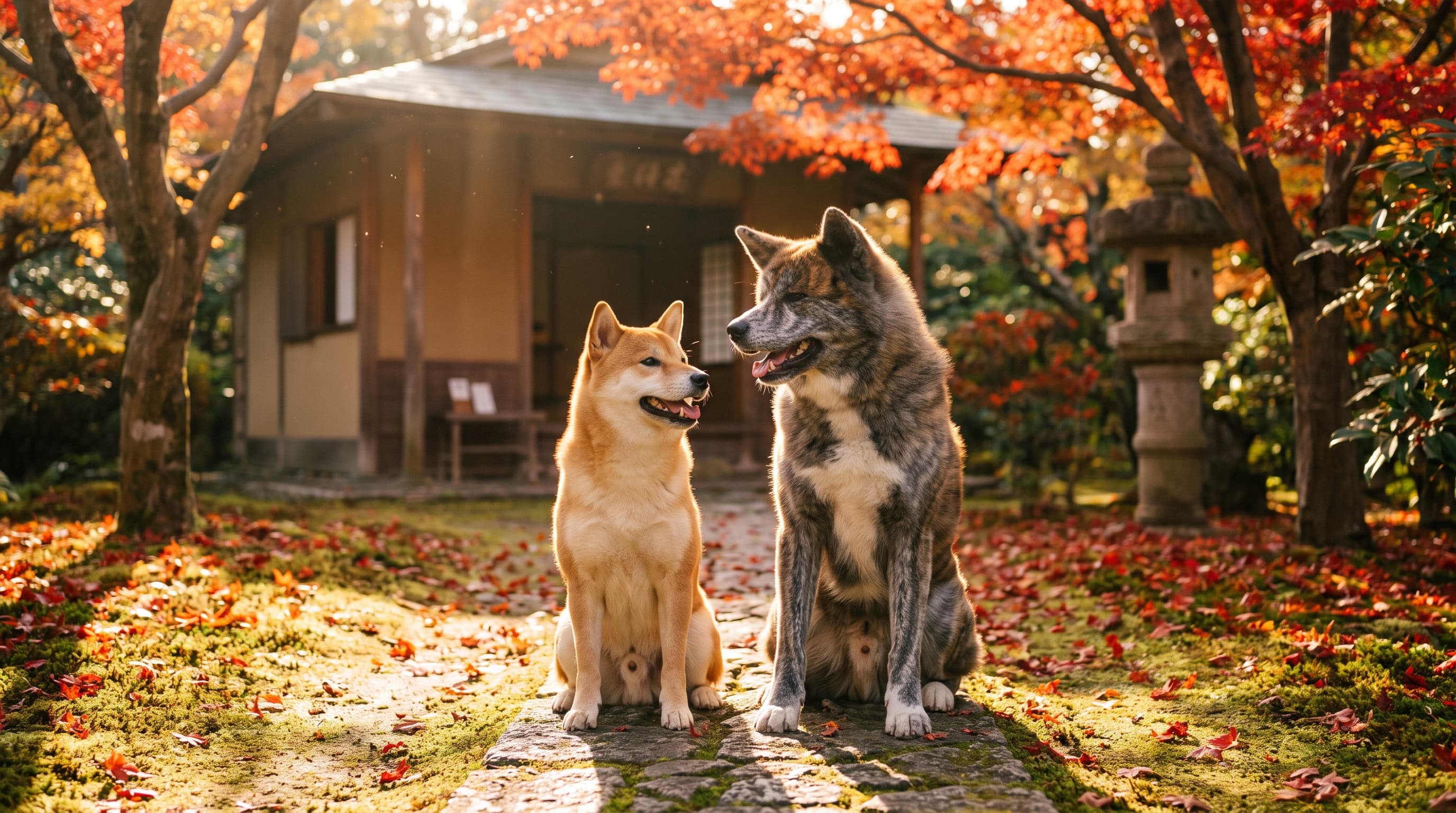
Japan gave the world some of the most recognizable dogs on the planet. The Shiba Inu is a small, well-muscled hunting dog with a fox-like face and a bold, spirited personality — today it's Japan's most popular companion dog and an internet icon. Shibas are famously clean, cat-like and stubborn, and the breed's dramatic "Shiba scream" is legendary among owners.
The Akita is the Shiba's much larger cousin: a muscular, double-coated guardian famed for dignity, courage and loyalty. In Japan the Akita is a symbol of health, happiness and long life, and the story of the loyal Akita Hachikō — who waited years at a train station for his deceased owner — cemented the breed's devoted reputation worldwide.
Other Japanese breeds worth knowing include the tiny, aristocratic Japanese Chin, the plush Japanese Spitz, and regional hunting Shikoku and Kishu dogs. If you love the look and lore of these dogs, you may also enjoy browsing traditional Japanese dog names for naming inspiration rooted in the same culture.
Chinese Dog Breeds: Chow Chow, Shih Tzu and Pug
China's contribution to the dog world spans from imposing to adorable. The Chow Chow is an all-purpose dog of ancient China with a broad skull, deep-set eyes, a lion-like mane and a distinctive blue-black tongue. Dignified and aloof, the Chow bonds intensely with its family while remaining reserved with outsiders.
On the smaller end, the Shih Tzu — the "little lion dog" — was bred as a palace companion for Chinese royalty and has delighted owners for roughly a thousand years. Affectionate, sturdy and endlessly charming, the Shih Tzu remains one of the most popular toy breeds in the United States. The wrinkle-faced Pug and the long-coated Pekingese round out China's roster of beloved lapdogs, both prized for centuries as companions to the imperial court.
Tibetan Dog Breeds: Guardians of the Himalayas
The high plateaus of Tibet produced dogs built for altitude, cold and protection. The Tibetan Mastiff is the "guardian dog supreme" — watchful, aloof, imposing and famously territorial, yet mellow and devoted at home. For centuries these giants protected monasteries, flocks and families from wolves and leopards, and their massive size still makes them formidable estate guardians. You'll find them among the world's largest mastiff breeds.
Tibet also gave us the small but tough Lhasa Apso, once kept inside temples as a sentinel and companion, and the agile, snowshoe-footed Tibetan Terrier. Both were treated as bringers of good fortune, a reminder that in many Asian cultures dogs held spiritual as well as practical value.
Korean and Central Asian Breeds
Beyond Japan, China and Tibet, Asia is home to hardy working breeds that remain rare in the West. Korea's national dog, the Jindo, is a medium-sized spitz renowned for intelligence, loyalty and legendary homing ability — some Jindos have famously traveled hundreds of miles back to former owners. Korea also developed the wrinkled, mastiff-type Dosa.
Central Asia contributes flock-guardian giants like the Central Asian Shepherd (Alabai) and the Kazakh Tobet — powerful, independent dogs bred to fend off predators without human direction. These are not beginner dogs, but their courage and self-sufficiency have kept livestock safe for millennia. Many Asian breeds rank highly for problem-solving, and several appear on lists of the most intelligent dog breeds.
Are Asian Dog Breeds Good Family Pets?
Many are — with the right owner. Shih Tzus, Pugs and Japanese Chins are affectionate, adaptable companions that suit apartments and families with gentle children. Shiba Inus and Akitas can be wonderful family dogs but need early socialization, firm consistency and owners who respect their independence. Guardian breeds like the Tibetan Mastiff and Central Asian Shepherd require experienced handling, secure fencing and a clear job.
Grooming is a real commitment across the group: thick double coats on Akitas, Chows and Shibas "blow" heavily twice a year, while the flowing coats of Shih Tzus and Lhasa Apsos need regular brushing or clipping. Flat-faced (brachycephalic) breeds like the Pug and Pekingese also need heat precautions and, sometimes, extra veterinary attention for breathing. Always research a specific breed's health and exercise needs — and speak with a veterinarian — before bringing one home.
Frequently Asked Questions About Asian Dog Breeds
What is the most popular Asian dog breed?
The Shih Tzu and Shiba Inu are among the most popular worldwide. The Shih Tzu consistently ranks in the top 20 breeds in the United States, while the Shiba Inu is Japan's most popular companion dog and a global social-media favorite.
Which Asian dog breeds are the oldest?
Genetic research places the Akita, Shiba Inu, Chow Chow and several Tibetan breeds among the most ancient dogs on earth, with lineages that diverged from wolves and modern breeds very early. This deep history contributes to their independent, primitive temperaments.
Are Asian dog breeds hypoallergenic?
Most are not. Spitz-type breeds like the Shiba Inu, Akita and Chow Chow shed heavily, especially during seasonal coat blows. Some smaller breeds shed less, but no dog is truly hypoallergenic. Allergy sufferers should spend time with a specific breed before committing.
What is the largest Asian dog breed?
The Tibetan Mastiff is the largest well-known Asian breed, with males often exceeding 100 pounds. Central Asian Shepherd dogs (Alabai) can be even heavier, making them some of the biggest livestock guardians in the world.
Are Asian dog breeds hard to train?
Many are independent thinkers rather than eager-to-please workers. Shiba Inus, Akitas and Chow Chows are intelligent but strong-willed, so they respond best to early socialization, patience and reward-based training. Consistency matters far more than force with these breeds.
Do Asian dog breeds do well in hot climates?
Thick-coated northern breeds like the Akita and Chow Chow tolerate cold far better than heat and need shade, water and air conditioning in summer. Flat-faced breeds such as the Pug and Pekingese are especially vulnerable to overheating and should be exercised during cooler parts of the day.
Finding Your Perfect Asian Companion
Asian dog breeds offer something for nearly every household — from the couch-loving Shih Tzu to the majestic Tibetan Mastiff — but each comes with a distinct personality forged by centuries of purpose. Do your homework on grooming, exercise and health, choose a responsible breeder or rescue, and you'll gain a loyal companion with thousands of years of history in its blood.
Want to go deeper on individual breeds? Explore our full guides to the Shih Tzu and the Tibetan Mastiff, and subscribe to the Daily Wag newsletter for breed spotlights, care tips and dog-friendly adventures delivered to your inbox.
Sources: American Kennel Club — Shiba Inu, AKC — Akita, AKC — Chow Chow, AKC — Shih Tzu, AKC — Tibetan Mastiff, and Dogster — Asian Dog Breeds.