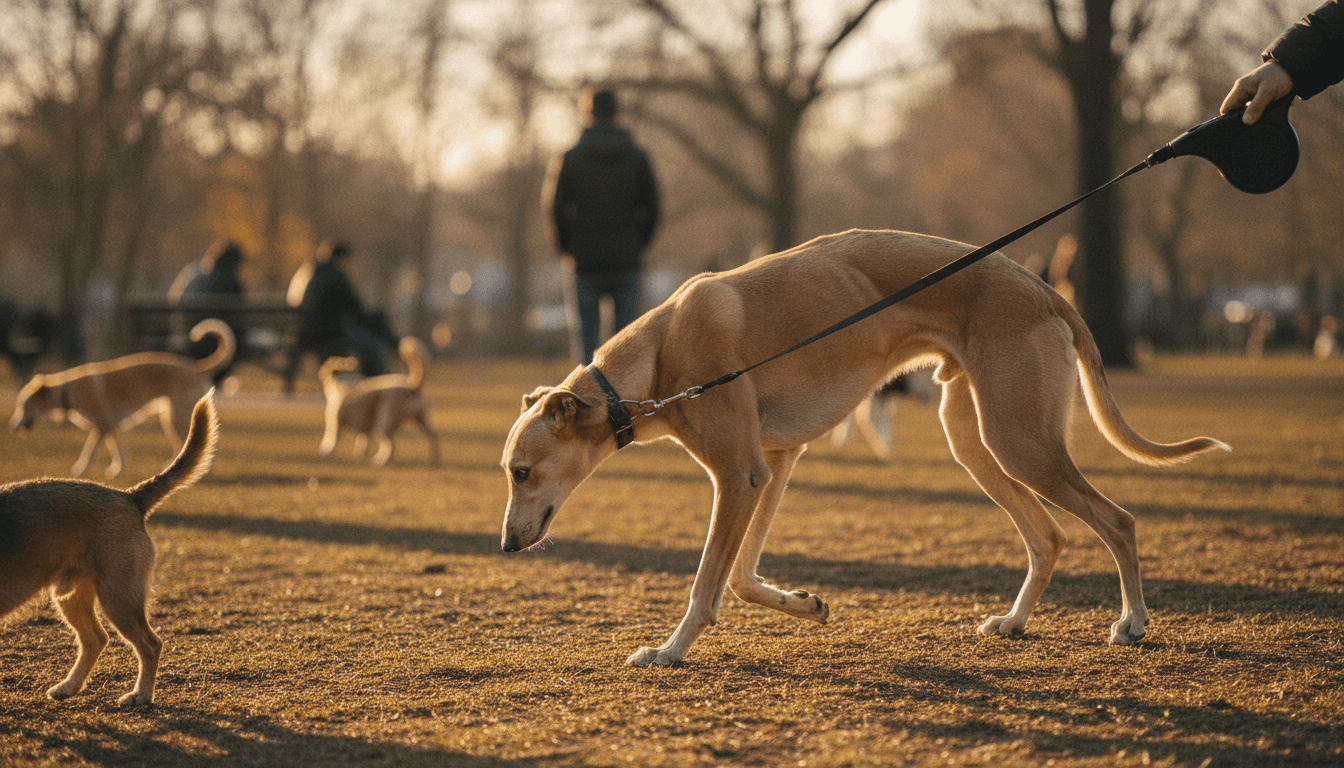

A long nose dog is a breed with an elongated muzzle — technically called dolichocephalic — such as the Borzoi, Greyhound, Whippet, Collie, Dachshund, and Afghan Hound. Their long snouts pack in extra scent receptors and help cool the body efficiently. Notably, long-nosed breeds tend to live longer and breathe more easily than flat-faced dogs.
What "Long Nose Dog" Actually Means
Dogs are grouped by skull shape into three types: brachycephalic (short, flat faces like Pugs and Bulldogs), mesocephalic (medium muzzles like Labradors), and dolichocephalic — the long, narrow-muzzled dogs. As breed experts explain, that elongated shape isn't random; it was shaped by centuries of selective breeding for jobs like sighthunting, scent tracking, and herding.
The long muzzle has real functional payoffs. More internal surface area means more olfactory receptors, sharper vision alignment for sighthounds, and a longer airway that helps regulate temperature through panting. It's a built-in cooling and sensing system.
The Longest-Nosed Sighthounds
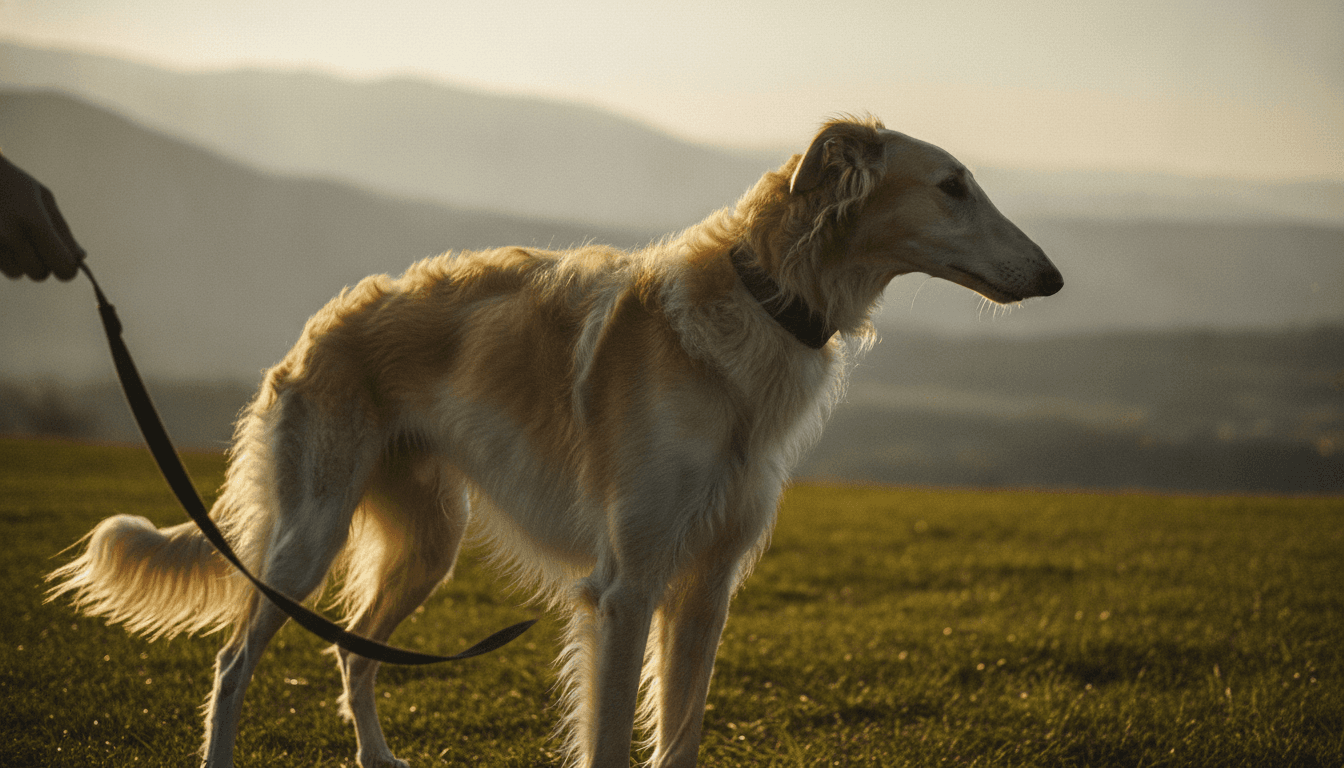
Sighthounds are the poster dogs for long snouts. The Borzoi, formerly the Russian Wolfhound, has one of the longest noses of any breed and was bred in czarist Russia to chase wolves and foxes across open country, according to the AKC breed profile. The Greyhound and its smaller cousin the Whippet pair aerodynamic, long heads with extraordinary speed.
The Italian Greyhound, a miniature sighthound that regularly features on lists of the most elegant long-nosed dogs, carries the same elongated muzzle in a toy-sized frame, while the Afghan Hound and Saluki round out the group of fine-boned, long-nosed runners bred for speed rather than scent.
Long-Nosed Scent Hounds and Working Breeds
Not every long nose is built for speed. Many are built for smell. As breed guides note, the elongated snout dramatically increases scent-detecting surface area. The Dachshund — long ears, long body, long nose, short legs — was developed to scent and dig out badgers from their dens.
Other standout long-nosed workers include the German Shorthaired Pointer, the sleek and athletic Doberman Pinscher, the barkless Basenji, and the herding Collie, whose long, wedge-shaped head is one of its most recognizable features.
Do Long-Nosed Dogs Live Longer?
Research suggests they often do. A large 2024 UK study of canine life expectancy reported that small dogs with longer noses tend to have the longest lifespans, while flat-faced breeds skewed shorter, as covered in reporting on the study. The likely reason is breathing: long-nosed dogs largely avoid brachycephalic obstructive airway syndrome, the cluster of breathing problems that plague flat-faced breeds.
That doesn't mean long-nosed dogs are problem-free — each breed has its own genetic risks — but their airways and cooling efficiency give them a real welfare advantage in heat and exercise.
Caring for a Long-Nosed Dog
Long-nosed breeds are often high-energy athletes, so daily exercise and mental work are essential. Sighthounds need secure spaces to sprint; scent hounds need sniffing outlets and reliable recall, since a nose that good can override commands. Fine-muzzled, thin-skinned breeds like Greyhounds and Italian Greyhounds also feel cold easily and appreciate a coat in winter.
One summer caution applies to all dogs: a long nose helps with cooling, but it isn't a substitute for shade, water, and avoiding hot pavement. Test asphalt with your hand — if it's too hot to hold for seven seconds, it's too hot for paws.
Why Were Dogs Bred for Long Noses?
The long muzzle is no accident — it's the result of humans selecting dogs for specific jobs over thousands of years. Two main pressures produced the long-nosed dogs we know today. The first is scent work: badgers, foxes, and rabbits had to be tracked underground or across fields, and a longer snout houses dramatically more olfactory tissue. The second is sight-and-speed hunting: sighthounds were bred to spot and run down fast prey across open terrain, and the streamlined, elongated head fits an aerodynamic, athletic body.
There's also a herding lineage. Breeds like the Collie and Belgian sheepdogs developed long, wedge-shaped heads as part of an agile, hardy build suited to working livestock all day in variable weather. In every case, the long nose came bundled with a working purpose rather than being selected purely for looks — which is part of why so many long-nosed breeds remain athletic and driven.
The Science of the Canine Nose
A dog's sense of smell is its superpower, and snout length amplifies it. Inside the muzzle, air passes over a maze of bony structures called turbinates that are lined with scent-detecting tissue. A longer nose means more room for these structures and, in turn, more scent receptors — estimates for scent-driven breeds run into the hundreds of millions, vastly outnumbering a human's. This is why long-nosed breeds dominate detection roles, from search-and-rescue to conservation tracking.
The same anatomy doubles as a cooling system. Dogs don't sweat through their skin the way people do; they rely heavily on panting, and a long nasal passage provides extra surface area for heat exchange and evaporation. That gives long-nosed dogs a real edge in regulating body temperature during exercise and in warm weather — a sharp contrast to flat-faced breeds, which struggle to cool themselves efficiently.
Long-Nosed Herding and Companion Breeds
Beyond the famous sighthounds and scent hounds, long muzzles show up across many working and companion groups. The Collie, Belgian Malinois, and Australian Shepherd all carry elongated heads suited to their herding heritage. Setters and spaniels bred for the field, like pointers and the elegant gun dogs, also rely on a long, scent-capable muzzle. Even some toy and companion breeds — including the slender Italian Greyhound — keep the dolichocephalic shape in miniature.
This diversity means there's a long-nosed dog for almost every household. Want a quiet, dignified couch companion who happens to be a 40-mph sprinter? A Greyhound or Whippet fits. Prefer a tireless working partner? A pointer or Malinois delivers. Looking for a small dog with classic elegant lines? An Italian Greyhound or Miniature Dachshund covers it.
Common Health Notes for Long-Nosed Breeds
While long-nosed dogs largely avoid the breathing problems of flat-faced breeds, "long nose" is not a guarantee of good health — each breed carries its own genetic considerations. Deep-chested sighthounds like the Borzoi and Greyhound can be prone to bloat, a sudden, life-threatening twisting of the stomach that requires emergency care. Long-backed breeds such as the Dachshund are vulnerable to spinal disc problems, so jumping and stairs should be managed. Thin-skinned, low-body-fat sighthounds also feel cold and can be sensitive to certain anesthetics.
This is general information, not veterinary advice. Talk to your veterinarian about the specific screening and preventive care recommended for whichever long-nosed breed you own or are considering.
How to Choose the Right Long-Nosed Breed
The long-nosed category is huge, so matching the dog to your lifestyle matters more than the muzzle itself. Start with energy level: sighthounds like the Greyhound are sprinters who are surprisingly lazy between bursts, making them great low-key housemates, whereas working breeds like the German Shorthaired Pointer and Belgian Malinois need serious daily exercise and a job to do. Next consider prey drive — most long-nosed hunting breeds will chase, so secure fencing and leash discipline are non-negotiable around small animals and traffic.
Size and grooming round out the decision. Long-nosed breeds range from the toy-sized Italian Greyhound to the towering Borzoi, and coats span the Greyhound's wash-and-go smoothness to the Afghan Hound's demanding silky locks. Finally, think about climate and sensitivity: lean, thin-coated breeds need warmth in winter, while their efficient cooling makes them comparatively comfortable in heat — though every dog still needs shade, water, and protection from hot pavement in summer. Reading individual breed guides before committing helps ensure the long-nosed dog you fall for is one you can realistically live with.
Frequently Asked Questions
What is the dog breed with the longest nose?
The Borzoi is widely cited as having the longest nose of any breed, with some individuals measuring more than 12 inches from forehead to nose tip.
What are dogs with long noses called?
They're called dolichocephalic dogs — the scientific term for breeds with elongated, narrow muzzles, as opposed to flat-faced brachycephalic breeds.
Do long-nosed dogs have a better sense of smell?
Generally yes. A longer snout houses more olfactory surface area and scent receptors, which is why many long-nosed breeds excel at tracking and detection work.
Are long-nosed dogs healthier than flat-faced dogs?
They tend to breathe more easily and avoid the airway problems common in flat-faced breeds, and studies link longer noses to longer average lifespans. Each breed still has its own health considerations.
What small dogs have long noses?
The Italian Greyhound, Miniature Dachshund, Whippet, and Basenji are all smaller breeds with notably long, elegant muzzles.
The Bottom Line on Long-Nosed Breeds
From the wolf-chasing Borzoi to the badger-digging Dachshund, long nose dogs span sighthounds, scent hounds, and herders — united by elongated muzzles that deliver sharper smell, better cooling, and often longer, healthier lives. Subscribe to the Daily Wag newsletter for more breed roundups, canine science, and dog care tips delivered to your inbox.