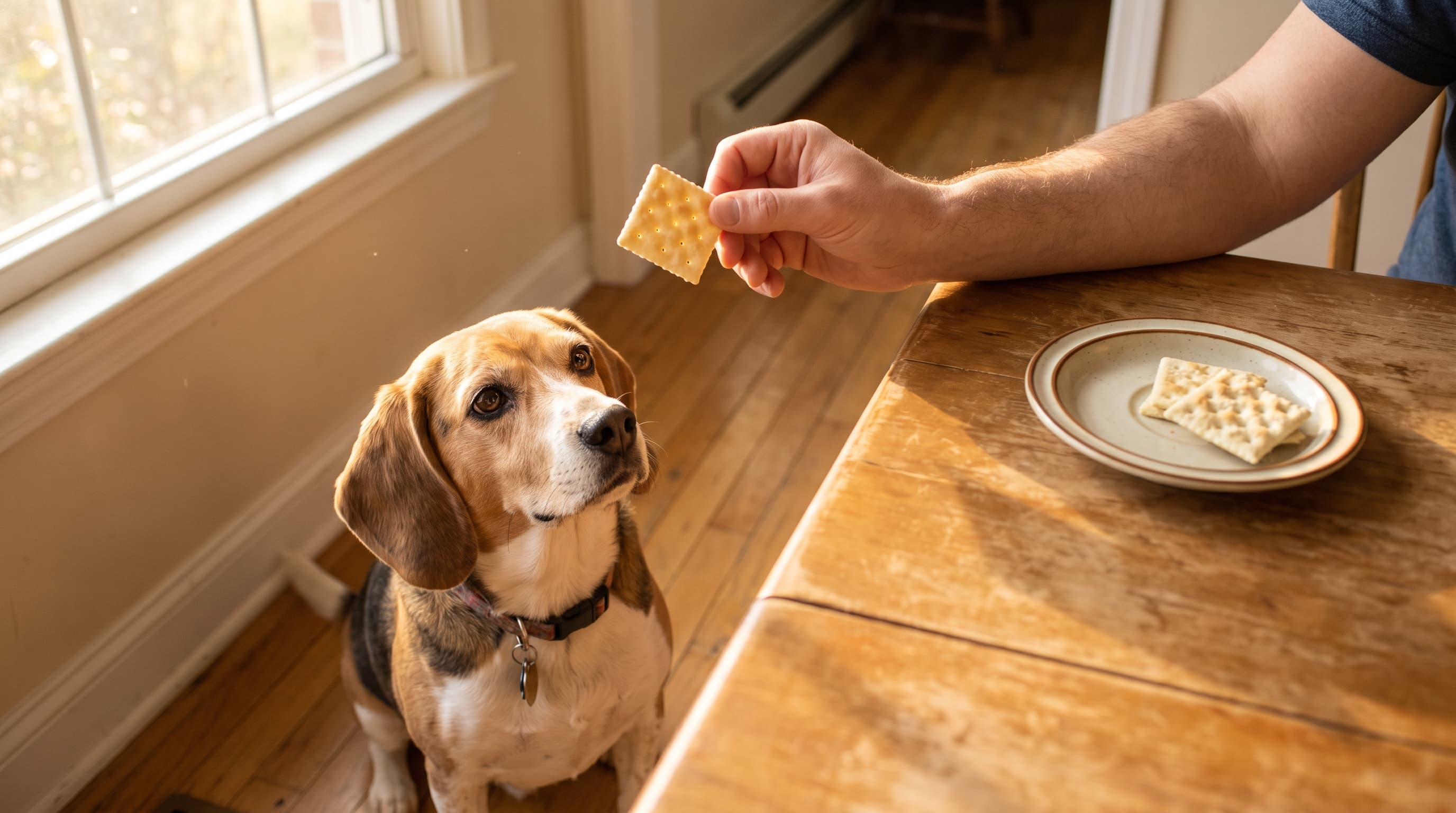
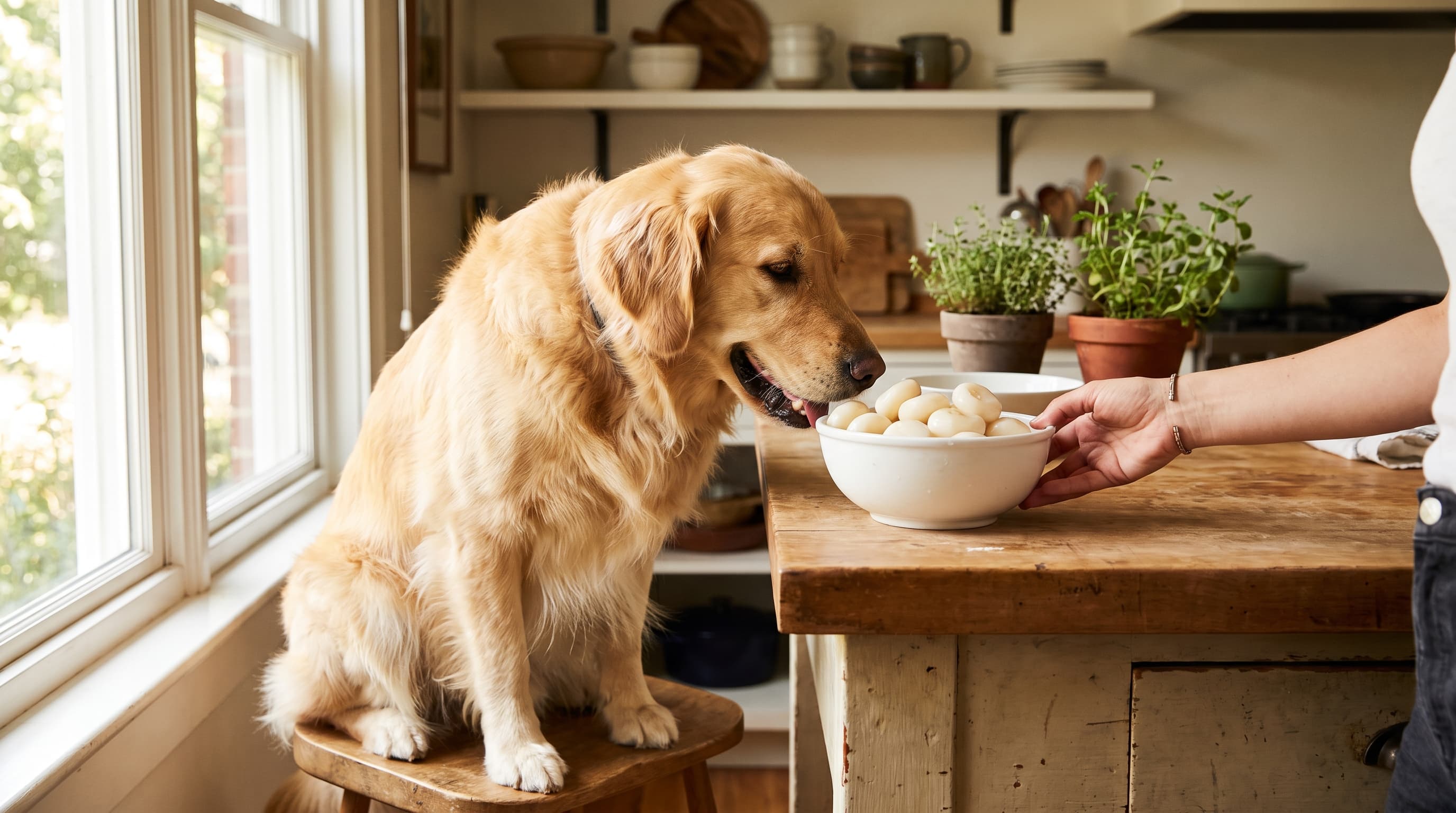
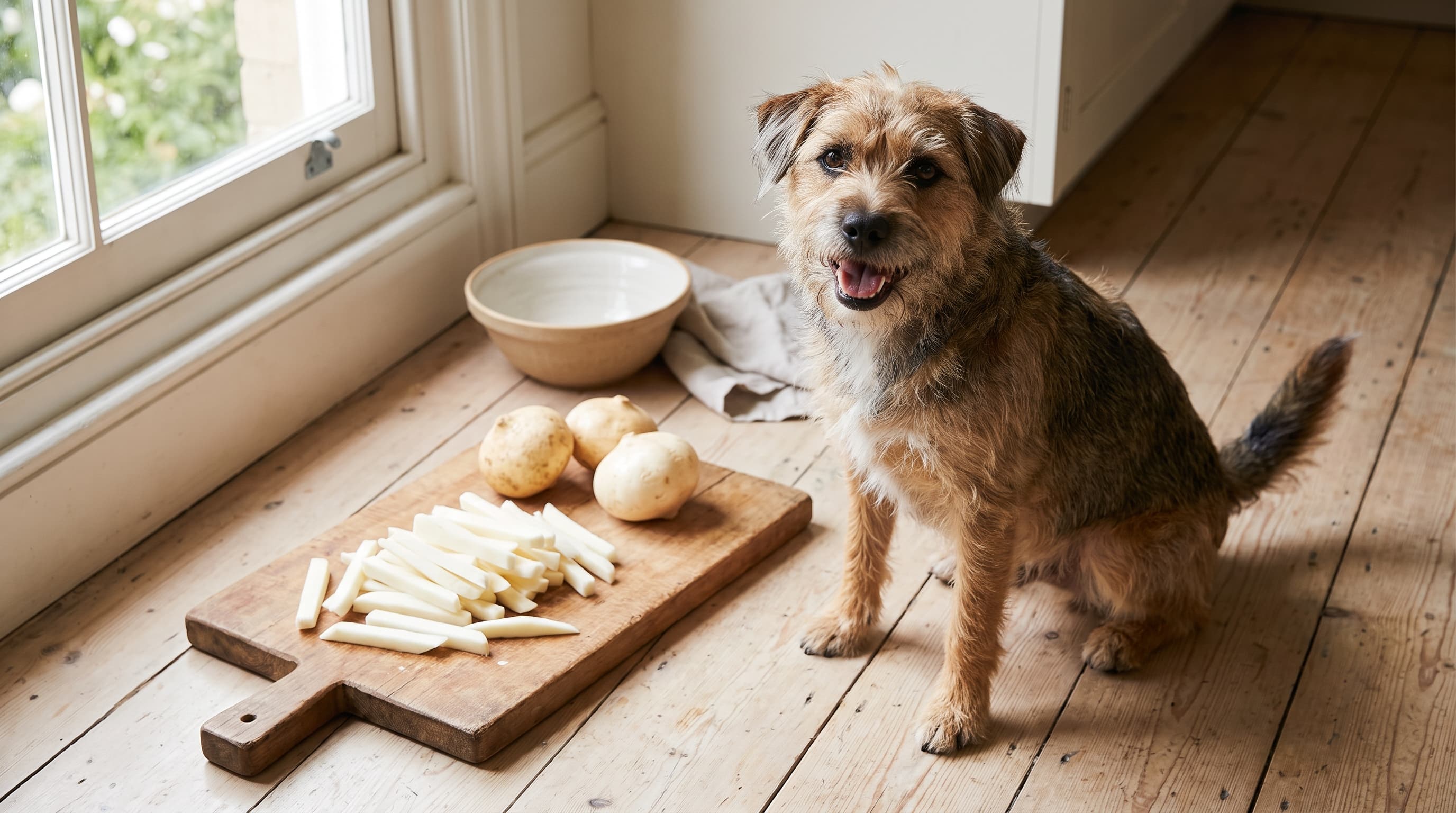
The best dog treats for sensitive stomachs are made with a single, novel, or limited number of easily digestible ingredients—no artificial additives, fillers, or common triggers like dairy and excess fat. Look for short ingredient lists built around gentle proteins, pumpkin, or freeze-dried meat, introduce them slowly, and check with your vet if your dog has ongoing digestive issues.
What Causes a Sensitive Stomach in Dogs?
"Sensitive stomach" is a catch-all phrase for dogs that experience vomiting, gas, loose stool, or general digestive discomfort more easily than others. The triggers vary widely—from food intolerances and abrupt diet changes to overly rich ingredients, artificial additives, or simply a digestive system that doesn't handle variety well. The American Kennel Club notes that persistent digestive trouble can also signal underlying issues like food allergies, parasites, or inflammatory conditions, which is why a vet check matters before you assume it's "just the treats."
The good news: for many dogs, swapping out highly processed, additive-heavy treats for simpler options makes a noticeable difference. Treats can account for up to 10% of your dog's daily calories, so they're a meaningful part of the digestive picture—not an afterthought.
What to Look for in Treats for Sensitive Stomachs
When you're scanning labels, the goal is simplicity and transparency. According to guidance from Sploot Veterinary Care and Hunterdon Hills Animal Hospital, the best sensitive-stomach treats tend to share these traits:
- Short ingredient lists. The fewer ingredients, the fewer potential triggers. Single-ingredient treats are ideal.
- Limited or novel proteins. Easily digestible options like chicken, turkey, or a novel protein (such as duck or rabbit) for dogs with sensitivities.
- "Limited ingredient," "hypoallergenic," or "easily digestible" labeling.
- Recognizable whole foods, such as sweet potato, pumpkin, or single-source meat.
- Functional add-ins, like probiotics or fiber, that support gut health.
If you're rethinking your dog's treats, it's worth revisiting their main diet too—our guide to choosing the right protein level in dog kibble pairs well with a sensitive-stomach treat strategy.
Ingredients to Avoid
Just as important as what to look for is what to steer clear of. Crossbones Dog Academy recommends avoiding training and everyday treats that contain:
- Artificial colors, flavors, and preservatives such as BHA and BHT
- Added sugar, honey, corn syrup, and liquid smoke
- Dairy ingredients like cheese and milk, which many dogs digest poorly
- High-fat ingredients that can trigger upset or worse in sensitive dogs
- Vague "meat by-product" labels and long lists of fillers
As a rule of thumb from Pet Palace: if you can't pronounce or recognize most of the ingredient list, it's probably not the right treat for a sensitive dog.
The Best Types of Treats for Sensitive Stomachs
Rather than chasing a single "best" brand, focus on categories that tend to be gentle. Within each, choose a product with a clean label and a protein your dog tolerates.
1. Single-Ingredient Freeze-Dried Treats
Freeze-dried treats made from one pure protein—like freeze-dried chicken, beef liver, or salmon—are about as simple as it gets. With no fillers or binders, they're a favorite for dogs that react to processed treats, and the high-value flavor makes them great for training.
2. Limited-Ingredient Crunchy Treats
For everyday snacking, look for baked, limited-ingredient biscuits with a recognizable protein and minimal extras. These provide structure and crunch (which can also help dental health) without a laundry list of additives.
3. Pumpkin- and Sweet-Potato-Based Treats
Pumpkin is a classic for canine digestion thanks to its soluble fiber, which can help firm up loose stool. Treats built around pumpkin or sweet potato are naturally gentle—just confirm there's no added sugar or spice blend. (Curious about feeding pumpkin directly? See can dogs eat pumpkin.)
4. Probiotic and Gut-Support Treats
Some treats are formulated with added probiotics or prebiotic fiber to support a balanced gut microbiome. They can be a convenient way to combine a snack with digestive support, though they're not a replacement for veterinary care. Learn more about whether dogs need probiotics before adding them in.
5. Homemade Treats
When you make treats yourself, you control every ingredient—ideal for a dog with known sensitivities. Simple recipes built around pumpkin, oats, or a single protein let you skip additives entirely. Try our vet-approved homemade dog treat recipes for easy, gentle options.
How to Switch Treats Without Upsetting Your Dog's Stomach
Even a "gentle" treat can cause trouble if introduced too fast. Transition gradually:
- Start small. Offer one small piece of the new treat and wait 24–48 hours.
- Watch the stool. Loose or unusual stool is your earliest signal that something doesn't agree with your dog.
- Introduce one new thing at a time. If you change several treats at once, you won't know which caused a reaction.
- Keep a simple food log. Tracking what your dog eats and how they respond helps you—and your vet—spot patterns.
When to See Your Veterinarian
Treats are only one piece of the puzzle. Contact your veterinarian if your dog has ongoing vomiting or diarrhea, sudden weight loss, blood in the stool, signs of pain, or symptoms that don't resolve when you simplify the diet. Persistent digestive issues can point to food allergies, intolerances, parasites, or medical conditions that need professional diagnosis. Your vet can also recommend a therapeutic diet or guide an elimination trial if needed.
For a deeper look at full meals, not just snacks, our guide to the best dog food for sensitive stomachs covers what to look for in a daily diet.
Frequently Asked Questions
What treats are best for a dog with a sensitive stomach?
Single-ingredient freeze-dried meats, limited-ingredient biscuits, pumpkin- or sweet-potato-based treats, and gut-support treats with probiotics are usually the gentlest. Choose a clean label and a protein your dog tolerates.
Are grain-free treats better for sensitive stomachs?
Not necessarily. Some dogs do better grain-free, but grains aren't a problem for most dogs, and "grain-free" isn't automatically healthier. Focus on overall simplicity and your dog's individual response, and discuss diet choices with your vet.
Is pumpkin good for a dog's sensitive stomach?
Plain pumpkin is a popular, fiber-rich option that can help with mild digestive upset. Make sure it's plain pumpkin—never pie filling with added sugar and spices.
How many treats can a dog with a sensitive stomach have?
Keep treats to no more than about 10% of daily calories. For sensitive dogs, less is often more—small portions of a simple treat are safer than frequent rich snacks.
Can treats cause diarrhea in dogs?
Yes. Rich, fatty, or additive-heavy treats—or too many treats at once—are common culprits. Switching to simpler options and reducing quantity often helps, but persistent diarrhea warrants a vet visit.
How long does it take to know if a treat agrees with my dog?
Give it a few days of small, consistent servings while watching stool and behavior. Introduce only one new treat at a time so you can pinpoint any reaction.
The Bottom Line
The best dog treats for sensitive stomachs aren't about a magic brand—they're about simplicity: short, recognizable ingredient lists, gentle proteins, and no artificial junk. Lean on single-ingredient freeze-dried treats, pumpkin-based options, limited-ingredient biscuits, or homemade snacks, introduce them slowly, and keep portions modest. If digestive troubles persist despite a clean, simple diet, your veterinarian is the right next stop.
This article is for general informational purposes only and is not a substitute for professional veterinary advice, diagnosis, or treatment. Always consult your veterinarian about your dog's digestive health.
Want more no-nonsense dog nutrition guidance? Subscribe to the Daily Wag newsletter for vet-savvy feeding tips, treat ideas, and product picks delivered to your inbox.