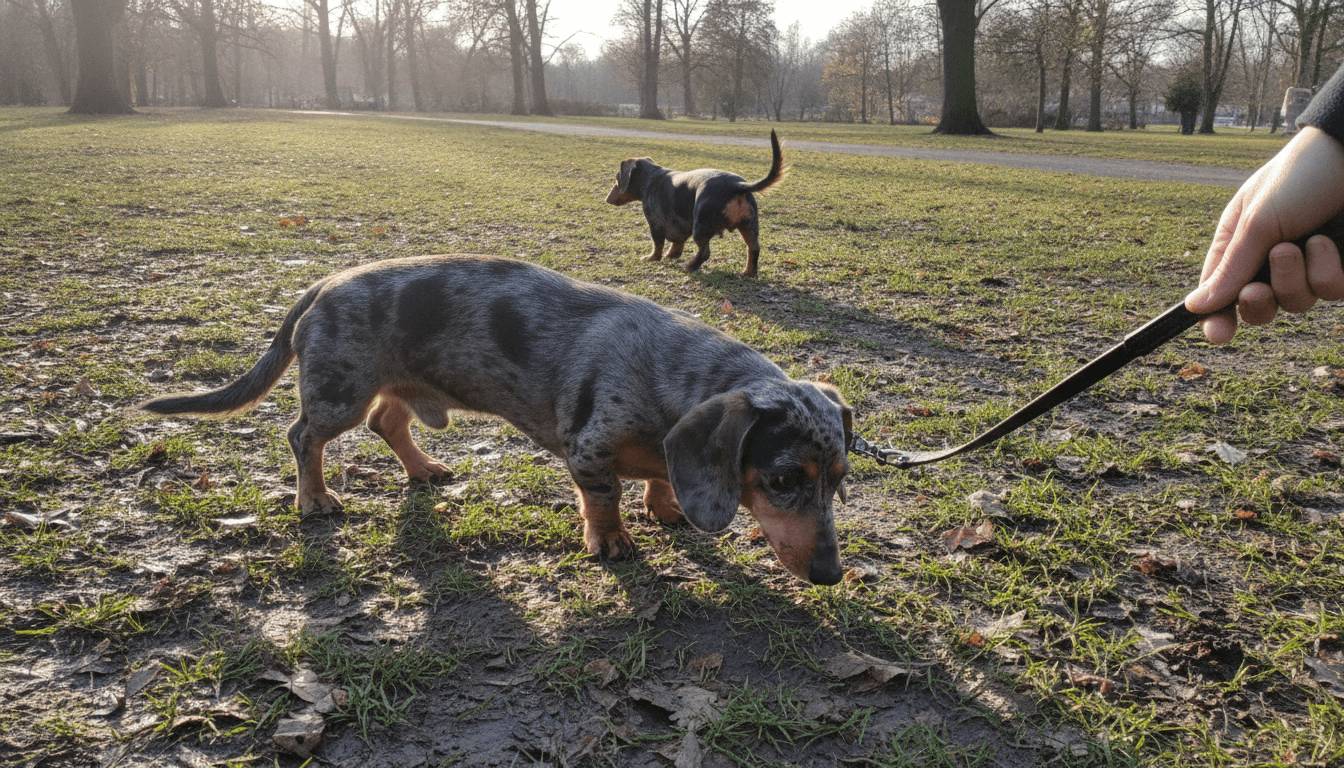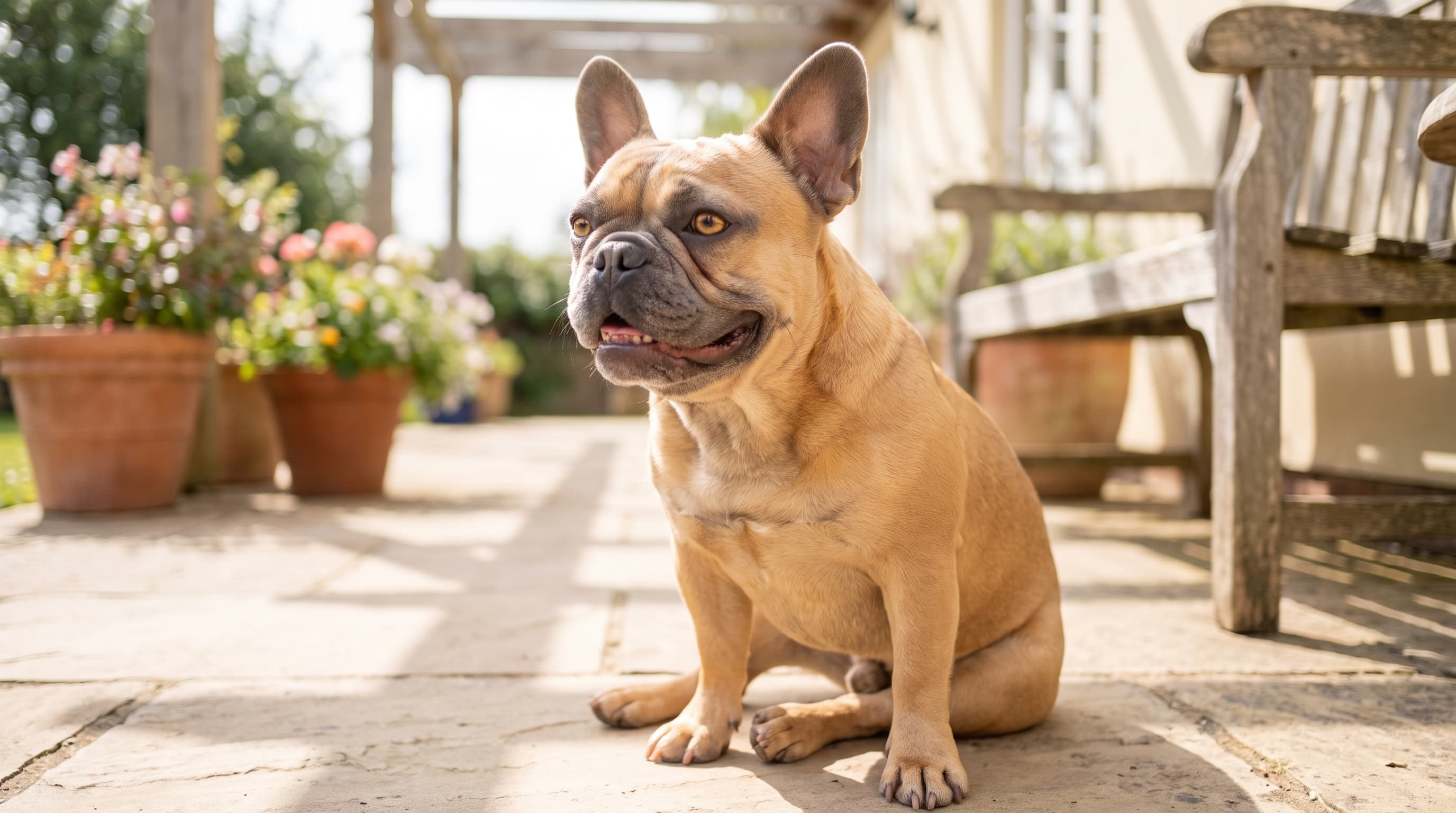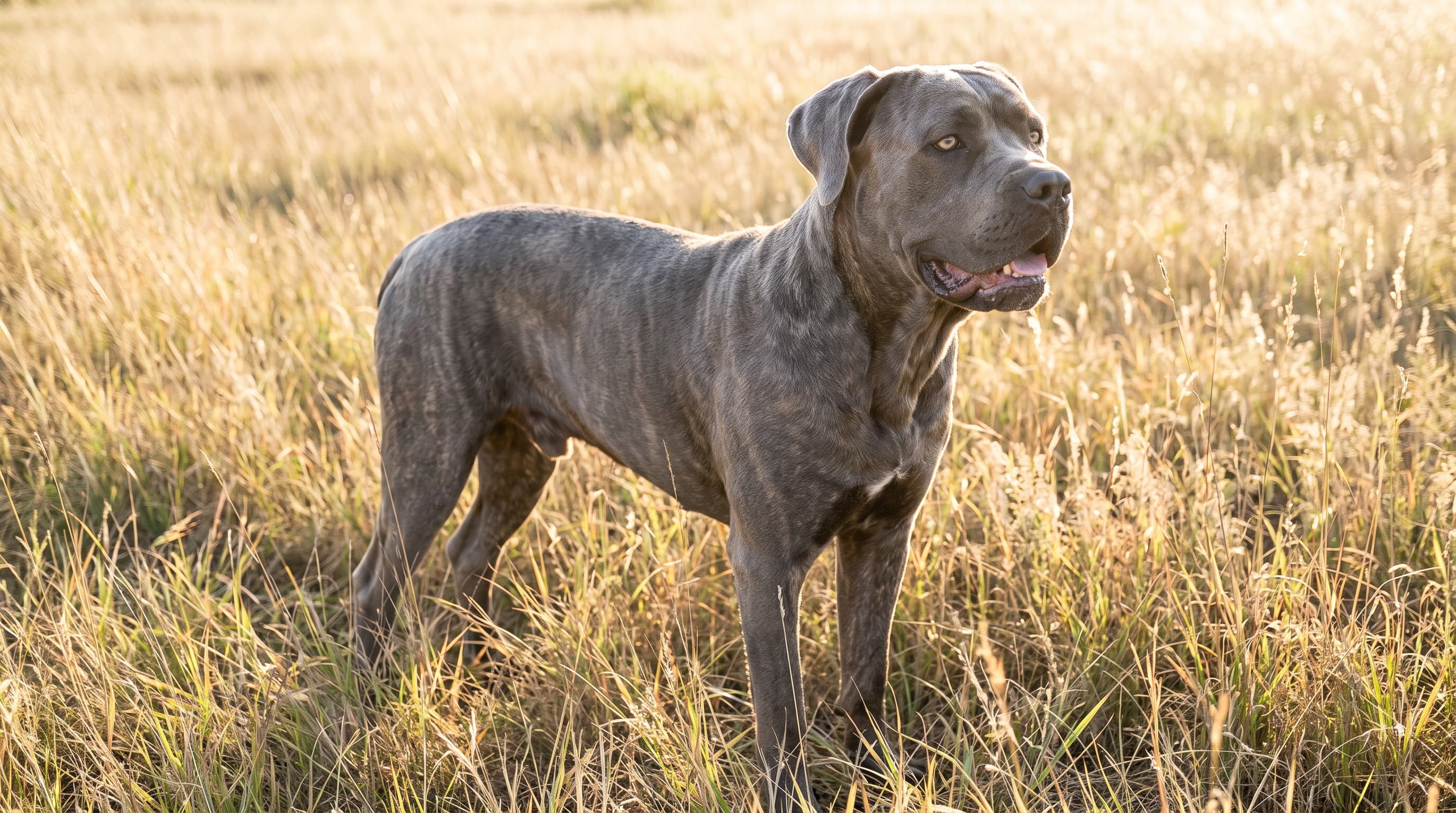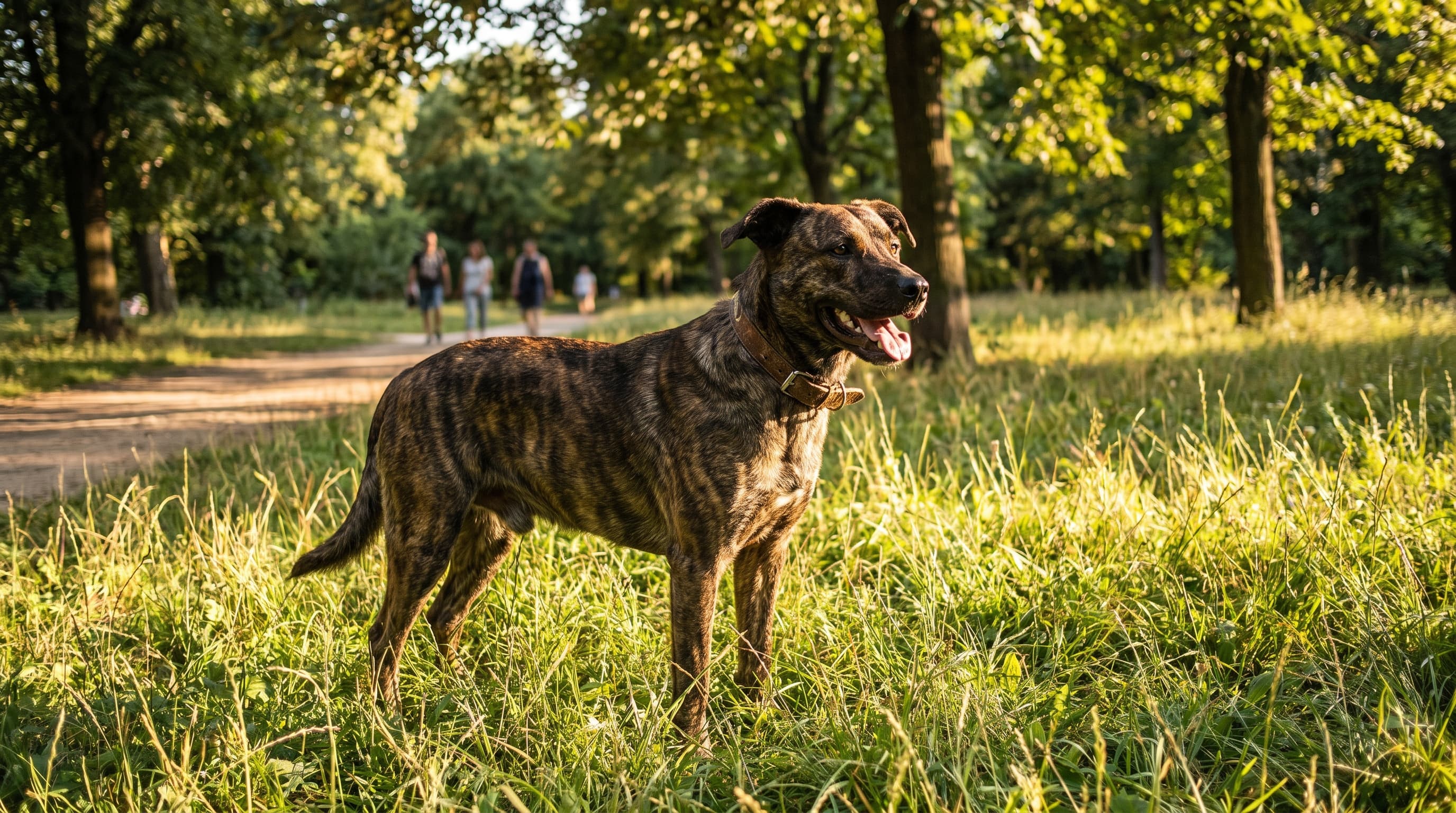

A brindle dog has a striking coat patterned with irregular dark stripes layered over a lighter tan, fawn, brown, or red base, often described as "tiger-striped." The look comes from a specific gene at the K locus and appears in breeds like the Boxer, Cane Corso, Greyhound, and many Mastiffs and Bulldogs. It is a color pattern, not a breed.
What does brindle mean in dogs?
Brindle is a coat pattern, not a breed or a single color. It shows up as soft vertical stripes of darker pigment (eumelanin) running through a lighter base of reddish or tan pigment (pheomelanin). The stripes can be subtle and faint or bold and high-contrast, and no two brindle dogs are marked exactly alike. Because it is a pattern overlaid on a dog's base color, brindle can combine with white markings, masks, and points to create dozens of variations. As Dogster's vet-reviewed roundup explains, the pattern is most common in working and Molosser-type breeds.
The genetics behind the brindle coat
Brindle is governed by the K locus (the dominant black locus). That locus carries three alleles in a dominance hierarchy: solid black (K^B) is dominant over brindle (k^br), which is dominant over non-solid yellow/tan (k^y). A dog needs at least one brindle allele and no dominant-black allele to actually display the stripes, and the agouti (A) locus then determines where on the body the brindle appears. Research published in the journal Genetics and archived on the NIH's PMC mapped this black-and-brindle locus to dog chromosome 16, confirming it sits apart from other major pigment genes. The hobbyist reference DogGenetics offers an accessible visual breakdown of how the striping expresses.
Why brindle can "skip" generations
Because brindle (k^br) is recessive to dominant black, a dog can carry the brindle gene without showing it, then pass it to puppies that do display stripes. That is why brindle seems to appear unexpectedly in some litters. A solid-colored parent hiding a brindle allele can produce brindle pups when bred to the right mate, per the allele breakdown at Coats and Colors.
Reverse brindle and other variations
When the dark stripes are so dense and wide that they nearly cover the lighter base, the dog looks dark with thin light stripes peeking through. This is called reverse brindle, though genetically it is the same pattern, just heavily expressed. Other variations include blue brindle (where the black pigment is diluted to gray), brindle points on a black-and-tan pattern, and brindle patches combined with white. The base coat underneath can range from pale cream to deep mahogany, dramatically changing the overall look.
Popular brindle dog breeds
Brindle turns up across many groups, but it is especially common in Molosser and working breeds. Frequently brindle breeds include:
- Boxer – brindle is one of the breed's two standard colors.
- Cane Corso – the Italian mastiff wears brindle handsomely; see our full Cane Corso breed guide.
- Bulldog – brindle and brindle-and-white are classic; more in our Bulldog guide.
- Greyhound and Whippet – sighthounds show elegant, fine-striped brindle.
- French and English Mastiffs, Bullmastiff, and Great Dane – brindle is a recognized color.
- Boston Terrier, Staffordshire Bull Terrier, and American Pit Bull Terrier.
- Black Mouth Cur, Plott Hound, and other working hounds – see the Black Mouth Cur guide.
- Akita and Dutch Shepherd – the Akita can carry brindle in some lines.
Parade Pets and Reader's Digest both note the pattern's strong association with these muscular, broad-chested breeds.
Is a brindle dog rare?
It depends entirely on the breed. In a Boxer or Cane Corso, brindle is everyday and not rare at all. In breeds where the gene is uncommon, a brindle individual can be unusual. Be skeptical of breeders charging steep premiums for "rare brindle" puppies, especially in breeds where the color is standard; rarity claims are often a marketing tactic rather than a reflection of health or quality. A coat pattern alone never makes a dog more valuable in any way that matters.
Does coat color affect health or temperament?
For brindle specifically, no. Brindle is a normal, healthy pattern with no inherent link to behavior or disease. That is different from patterns like merle or extreme white, which can carry health risks when doubled up. A brindle dog's temperament comes from its breed, genetics, socialization, and training, not its stripes. This is general information; for questions about a specific dog's health, consult your veterinarian.
Caring for a brindle coat
There is no special grooming required for brindle dogs beyond what their breed already needs, since the pattern lives in the pigment, not the coat texture. Short-coated brindles like Boxers and Greyhounds need only weekly brushing and occasional baths. The stripes can fade slightly with sun exposure or age, and some brindle puppies darken or shift as they mature. Good nutrition and routine coat care keep the pattern looking its best.
Brindle vs. merle: why they are not the same
People sometimes lump brindle in with merle because both create patterned coats, but they are completely different genetically and in their health implications. Brindle (k^br) produces clean stripes and carries no inherent health risk. Merle, controlled by a separate gene, creates mottled patches and dilutes pigment, and breeding two merles together can produce "double merle" puppies at high risk of deafness and blindness. If you see a coat marketed as both "brindle merle" at a premium, ask detailed questions about the parents and request health testing. The takeaway: brindle stripes are nothing to worry about, while merle requires responsible, informed breeding to avoid stacking the gene.
How brindle puppies change as they grow
Brindle markings are present at birth but often shift during the first year. Many brindle puppies are born with faint or muddy striping that sharpens and darkens as the adult coat comes in, while some lighten or develop more contrast with age and sun exposure. Fawn-based brindles in particular can look almost solid as newborns before the stripes emerge. If you are choosing a puppy specifically for its pattern, remember that the adult coat may look noticeably different, and that the dog's temperament and health matter far more than the exact placement of its stripes. Reputable breeders will happily talk you through how their lines tend to mature.
Famous and recognizable brindle dogs
Brindle's bold look has made it a favorite on screen and in the show ring. Brindle Boxers and Bulldogs are mainstays of dog-food ads and family films, the brindle Great Dane has a regal, almost mythic presence, and brindle Greyhounds and Whippets cut a striking figure on the track and the couch alike. The pattern's association with strong, athletic breeds is part of why it reads as so distinctive. If you love a high-contrast coat for naming inspiration, our list of black-and-white dog names pairs surprisingly well with a dark, striped brindle pup.
Brindle in mixed-breed and rescue dogs
You do not need a purebred to get a beautiful brindle coat. Because the gene runs through so many popular breeds, brindle frequently turns up in shelter and rescue mixes, especially those with bully, boxer, hound, or cur ancestry. A brindle rescue is often a clue that one of these breeds is somewhere in the family tree, though a DNA test is the only way to know for sure. However the stripes got there, a brindle mixed-breed is just as healthy and just as lovable as any pedigreed striped dog, and adopting one is a wonderful way to fall for the pattern.
Frequently asked questions
What is a brindle dog?
A brindle dog is one whose coat shows irregular dark stripes over a lighter tan, fawn, or red base, a pattern often called tiger-striped. Brindle is a coat pattern produced by a specific gene, not a breed of dog.
What causes the brindle pattern?
Brindle is controlled by the k^br allele at the K locus. A dog must inherit the brindle allele without a dominant-black allele to display the stripes, and the agouti gene then determines where the pattern appears on the body.
What is reverse brindle?
Reverse brindle describes a dog whose dark stripes are so heavy and wide that the coat looks predominantly dark with thin light stripes showing through. Genetically it is the same brindle pattern, simply expressed very densely.
Are brindle dogs rare?
It depends on the breed. Brindle is common and standard in breeds like the Boxer and Cane Corso, and genuinely uncommon in breeds that rarely carry the gene. Be wary of breeders charging a premium for "rare" brindle in breeds where it is normal.
Do brindle dogs have more health problems?
No. Brindle itself is a healthy, normal pattern with no special health or temperament risks, unlike merle or extreme-white patterns. A dog's health and personality depend on its breed and care, not its coat color.
What breeds are most often brindle?
Boxers, Cane Corsos, Bulldogs, Mastiffs, Bullmastiffs, Great Danes, Greyhounds, Whippets, Staffordshire Bull Terriers, Boston Terriers, and various curs and hounds commonly carry the brindle pattern.
The bottom line
Brindle is one of the most eye-catching coat patterns in the dog world, a genetic quirk of the K locus that paints tiger stripes across some of our most beloved breeds. If a striped coat steals your heart, dig into the breeds that wear it best with our guides to the Cane Corso and the classic Bulldog. And for more deep dives into dog colors, breeds, and care, subscribe to the Daily Wag newsletter.