
Merle Dachshund: The Complete Guide to the Dapple Doxie's Coat, Genetics, and Health
A merle dachshund — called a "dapple" in the breed — is a standard or miniature Dachshund carrying the merle gene, which scatters lighter, marbled patches across a darker base coat of black, chocolate, or red. The pattern is striking and the dogs are otherwise ordinary Dachshunds in size and temperament. The critical catch: breeding two merles together produces "double merle" puppies at high risk of deafness and blindness, which is why responsible breeding and genetic testing matter enormously.
If you're drawn to that beautiful dappled coat, this guide explains exactly what merle is, how the genetics work, which health issues to watch for, and how to spot ethical breeding — so you can enjoy the look without supporting the practices that harm these dogs.
What Is a Merle (Dapple) Dachshund?
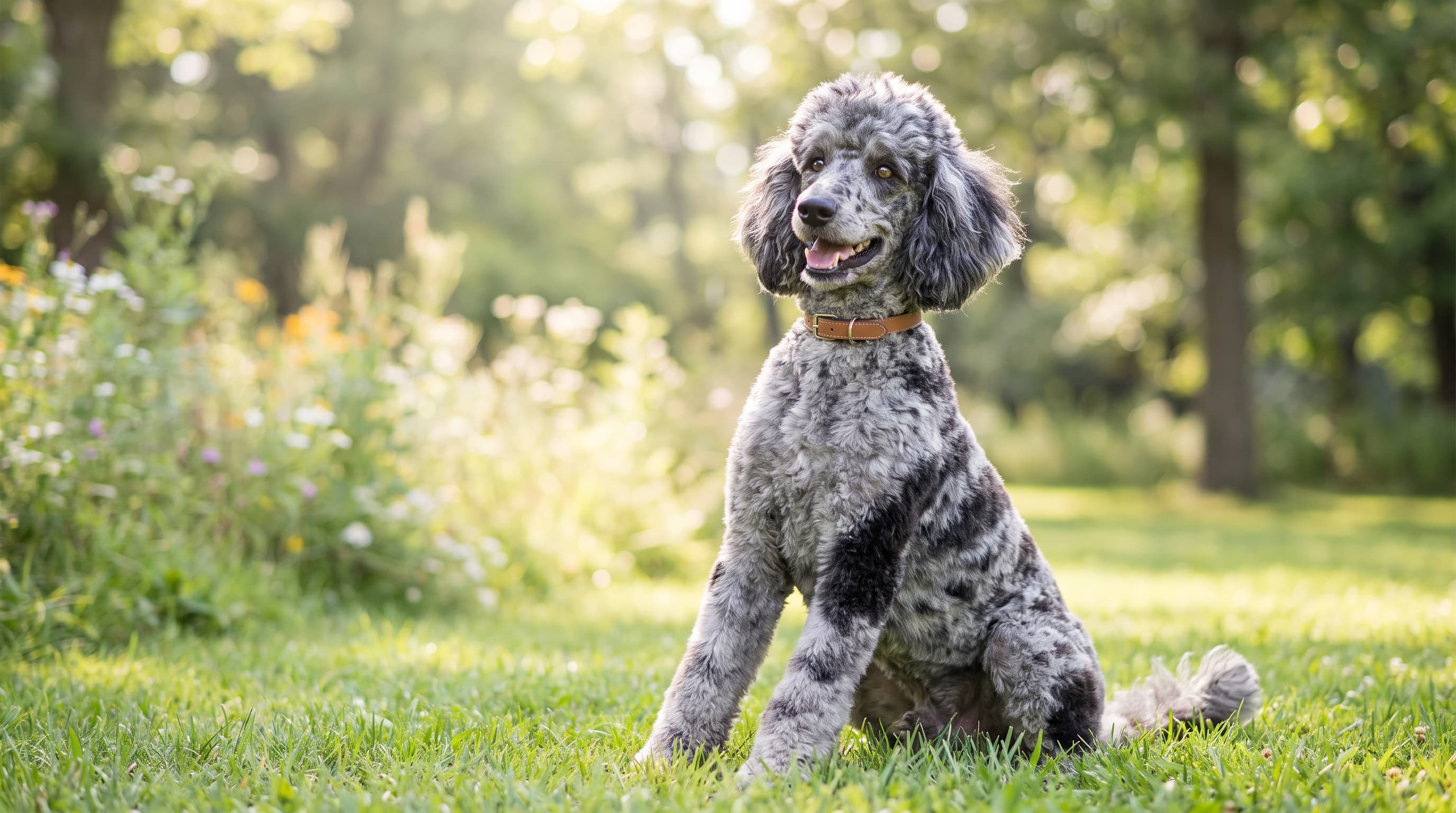
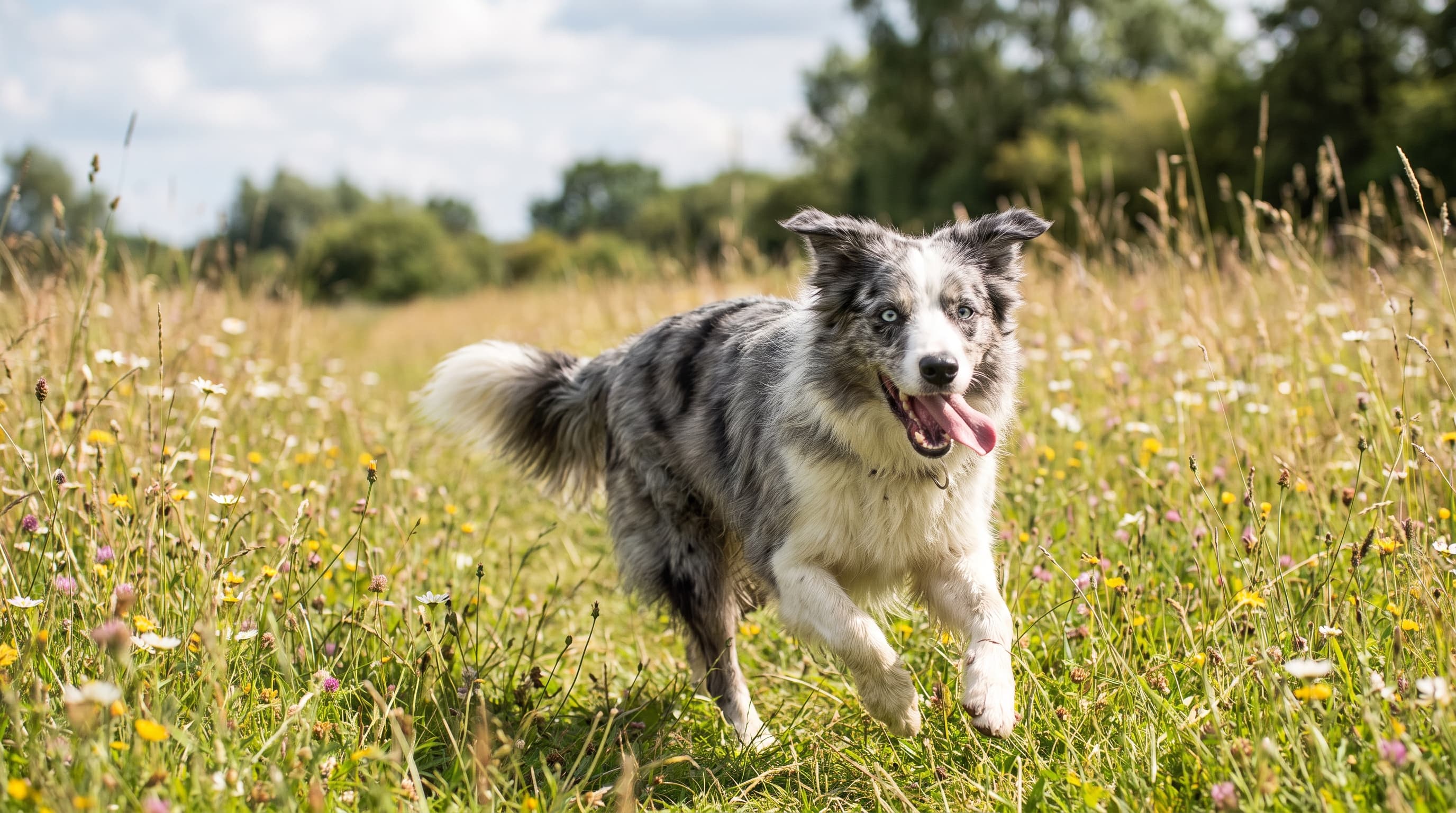
Merle is a coat pattern, not a breed or a separate color. In Dachshunds the pattern is traditionally called "dapple," but it's produced by the same gene known as merle in Australian Shepherds, Border Collies, and Great Danes. A dapple Dachshund shows irregular patches of diluted pigment — often silvery-grey or lighter brown — mottled over its base color, sometimes with blue or partially blue eyes and pink flecks on the nose.
Underneath the flashy coat, a merle Dachshund is a normal Dachshund: the same long-backed, short-legged, bold, and affectionate hound in the two sizes (standard and miniature) and three coat types (smooth, longhaired, and wirehaired). For the full breed picture, see our Dachshund breed guide.
The Genetics of Merle in Dachshunds
The merle pattern comes from a specific mutation — an insertion in the PMEL (SILV) gene — that randomly dilutes sections of the coat to a lighter shade. Coat-color genetics resources explain that merle is dominant, so a dog needs only one copy to show the pattern.
That single-copy dog is a healthy "single merle." The danger arises with two copies. When two merles are bred, roughly a quarter of the litter can inherit two merle genes, producing a "double merle" — usually largely white — with a much higher risk of serious eye and ear defects. The American Kennel Club is explicit that breeding two merle dogs together is strongly discouraged for exactly this reason.
Complicating matters, Dachshunds can carry "cryptic" or "hidden" merle — dogs with red or light coats that carry the gene but show little or no visible pattern. Because these hidden carriers can be bred to a visible merle by accident and still produce double-merle puppies, genetics researchers emphasize that DNA testing before breeding is essential rather than optional.
Merle Dachshund Health Concerns
A single-merle Dachshund at a reputable breeder is generally as healthy as any other Dachshund. The pattern itself doesn't harm a properly bred single merle. The real risks concentrate in double merles and in poorly planned breedings:
- Deafness — in one or both ears, linked to the way merle affects pigment cells involved in hearing.
- Eye abnormalities — including microphthalmia (abnormally small eyes), vision defects, and blindness, most common in double merles.
- Skin sensitivity — pink, unpigmented skin can sunburn more easily and carries higher skin-cancer risk on exposed areas.
Beyond merle-specific issues, every Dachshund — dappled or not — is prone to intervertebral disc disease (IVDD) because of the breed's long back and short legs. VCA Animal Hospitals describes how a degenerating disc can rupture and press on the spinal cord, and a large DachsLife study found roughly 15–16% of Dachshunds show signs of IVDD in their lifetime — one of the highest rates of any breed. Protecting the back (managing weight, limiting jumping, using ramps) matters for all Doxies.
Veterinary disclaimer: This article offers general, surface-level information and is not a substitute for professional care. If you're considering a merle Dachshund or notice signs of hearing loss, vision trouble, or back pain (reluctance to jump, a hunched posture, or dragging limbs), consult your veterinarian. Watch for the broader signs your dog needs a vet visit, and seek immediate care for any sudden loss of leg function.
Merle Dachshund Colors and Varieties
Because merle is a pattern layered over a base color, dapple Dachshunds come in a wide array of looks. The base can be black, chocolate, or red, and the merle gene scatters lighter marbling across it — so you'll see silver dapples (merle over black), chocolate dapples, and softer red dapples where the pattern is subtle. Add the breed's three coat types (smooth, longhaired, wirehaired) and two sizes (standard and miniature), and the variety multiplies.
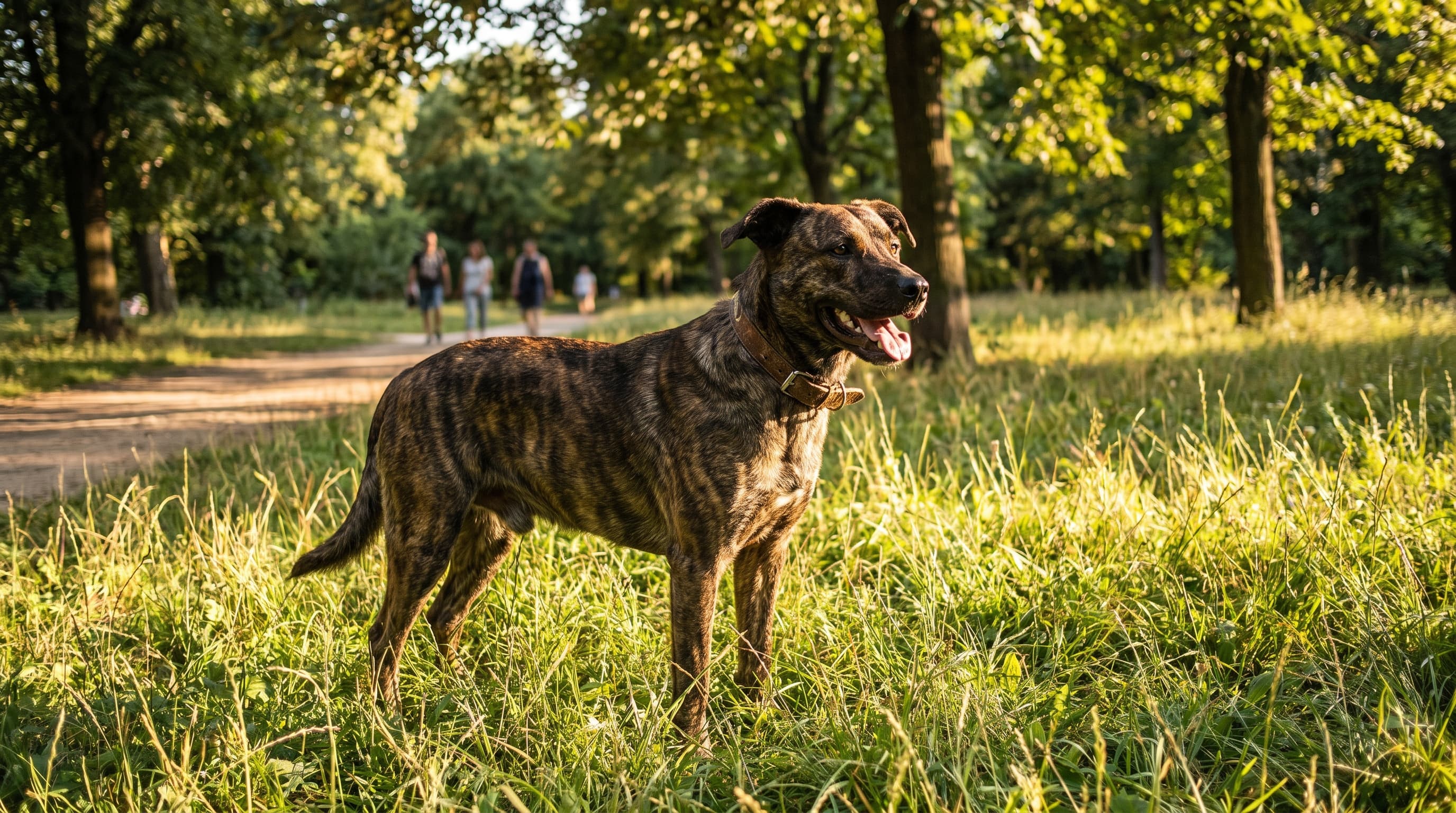
You may also encounter "piebald" and other patterns combined with dapple, plus the confusingly named "double dapple" — which is not a color at all but the dangerous double-merle result discussed above. When shopping or scrolling breeder listings, learn to separate legitimate single-dapple variety from marketing that dresses up risky double-merle breeding as a rare, premium "look." A responsible breeder describes their dogs' genetics honestly rather than leaning on rarity hype. Our brindle dog color guide is a useful companion read for understanding how canine coat patterns work in general.
Temperament: What Merle Doxies Are Really Like
Coat color has no bearing on personality, so a merle Dachshund is simply a Dachshund at heart: bold, curious, clever, and famously stubborn, with a big-dog attitude in a small body. They're devoted, playful companions that bond closely with their people, alert enough to make excellent little watchdogs, and often independent-minded during training. Positive, patient, reward-based methods work best with this smart, willful breed.
Caring for a Merle Dachshund
Day-to-day care mirrors any Dachshund's, with a couple of merle-specific notes. Grooming depends on coat type — smooth coats need little, longhaired and wirehaired more. Provide sun protection for any pink skin and light-sensitive areas. Guard the back religiously: keep the dog lean, discourage jumping on and off furniture, and use ramps or steps. If your merle has reduced hearing or vision, adapt with hand signals, vibration cues, and a consistent, safely enclosed environment. For more on the base breed's needs, our Dachshund guide and related Bo-Dach mix profile go deeper.
Living With a Deaf or Blind Merle Dachshund
If you adopt a double merle or a dapple with hearing or vision loss, the good news is these dogs can live full, happy lives with a few adjustments. For deaf dogs, switch communication to hand signals and use vibration or stomp-on-the-floor cues to get attention; a securely fenced yard and a leash near roads are non-negotiable since they can't hear traffic or a recall. For dogs with limited vision, keep furniture in consistent places, use scent and texture cues, and introduce new spaces slowly. Many owners of deaf or blind Doxies report the dogs adapt remarkably well, relying on their formidable noses and their bond with you. The key is patience, consistency, and a safe environment tailored to what the dog can and can't perceive.
Finding a Merle Dachshund Responsibly
The most important decision you'll make is where you get the dog. A responsible breeder will:
- Never breed two merle (dapple) parents together.
- DNA-test breeding dogs for merle — including hidden/cryptic carriers — before pairing.
- Health-test for eye and hearing problems and provide documentation.
- Let you meet the puppy's parents and see the litter's environment.
Be wary of breeders marketing "rare" double-dapple or heavily white merle puppies at premium prices; that marketing often signals exactly the risky breeding to avoid. Rescues and breed-specific shelters are another excellent route, and dapple Dachshunds do turn up needing homes.
Frequently Asked Questions
Are merle dachshunds healthy?
A single-merle (dapple) Dachshund from a responsible breeder is typically as healthy as any Dachshund. Serious risks — deafness and eye defects — mainly affect double merles produced by breeding two merle parents, which reputable breeders avoid.
What is the difference between merle and dapple in dachshunds?
They're the same thing. "Dapple" is the traditional Dachshund term for the pattern that other breeds call "merle." Both come from the same PMEL gene that dilutes random patches of the coat.
What is a double merle (double dapple) dachshund?
A double merle results from breeding two merle parents, giving a puppy two copies of the gene. These dogs are often largely white and have a much higher risk of deafness, small or malformed eyes, and blindness. Ethical breeders do not produce them.
Do merle dachshunds cost more?
They're often marketed as rare and priced higher, but a higher price tag doesn't guarantee ethical breeding. Prioritize a breeder who DNA-tests and never pairs two merles over one simply charging a premium for the pattern.
Can merle dachshunds have blue eyes?
Yes. The merle gene can lighten eye pigment, so dapple Dachshunds sometimes have blue, partially blue, or two differently colored eyes. Blue eyes alone in a single merle aren't a health problem, but hearing and vision should still be checked.
The Bottom Line on Merle Dachshunds
A merle (dapple) Dachshund pairs a gorgeous, one-of-a-kind coat with the same bold, loving personality that makes the breed a favorite. The pattern is safe in a well-bred single merle — the harm comes from irresponsible double-merle breeding. Choose a breeder who tests and never doubles up on merle, protect that long back, and you'll have a healthy, dazzling companion for years.
Love the Dachshund look in all its variety? Explore our full Dachshund breed guide and our brindle dog color guide next — and subscribe to the Daily Wag newsletter for more breed profiles, health tips, and dog-care guides in your inbox.