
Blue Brindle Cane Corso: Color Genetics, Care, and What to Know
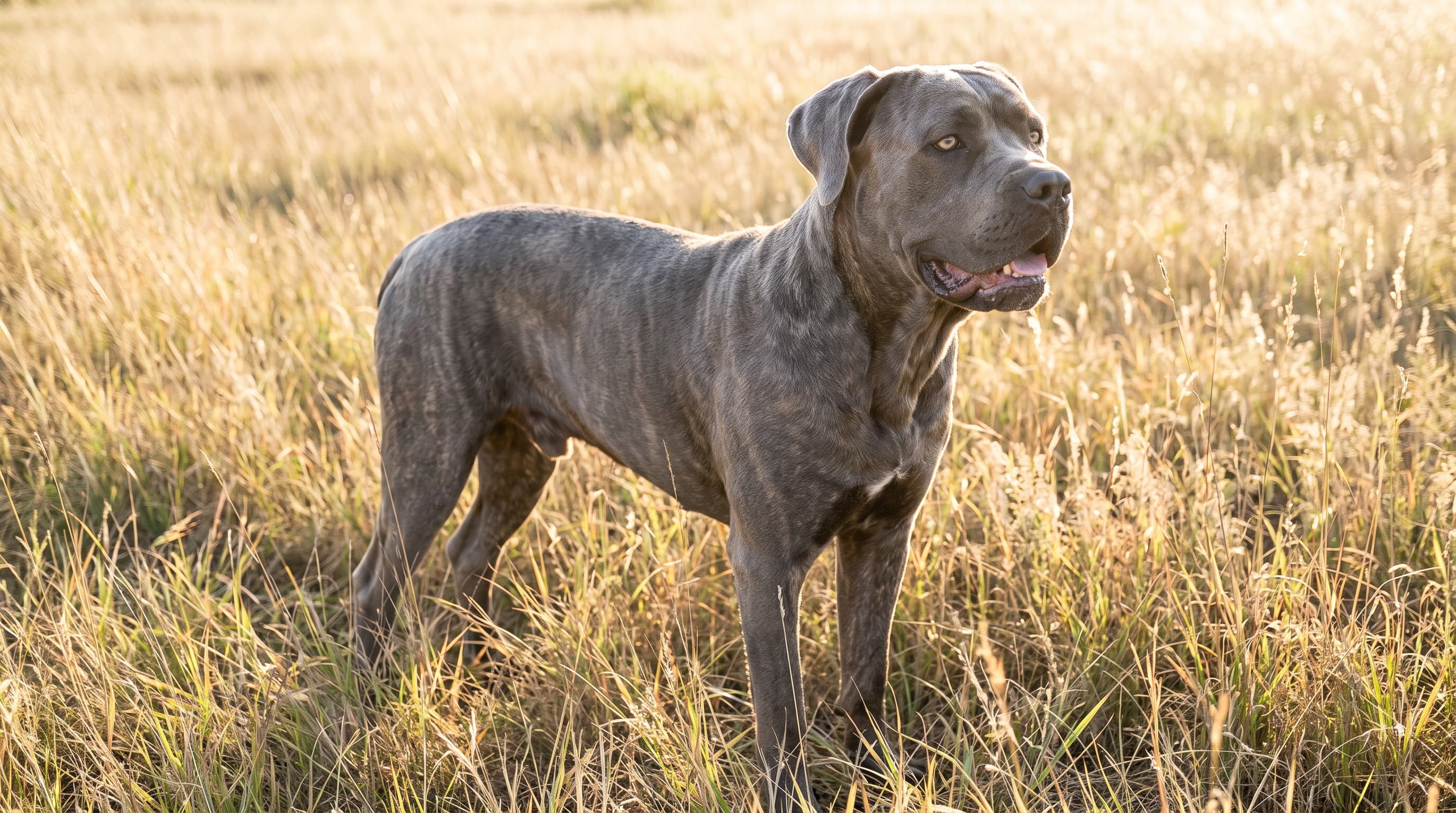
A blue brindle Cane Corso is a gray-coated Corso with tiger-like brindle striping, produced by a recessive dilution gene that turns black pigment to gray. Often more accurately called "gray brindle," this striking coat is a recognized standard color but rarer than black brindle. Beneath the unusual coloring is the same powerful, loyal, guardian breed—one that needs an experienced owner, early socialization, and daily exercise.
What Is a Blue Brindle Cane Corso?
"Blue brindle" describes a coat, not a separate breed. The dog is a purebred Cane Corso whose base coat carries the dilution gene, softening what would be black into shades of gray or "blue." Layered on top is the brindle pattern—subtle, blended tiger stripes. The result is a smoky, silvery dog often accented by light amber eyes and a gray or bluish mask.
As Dogster's brindle Cane Corso profile explains, brindle in this breed comes in three main flavors: black brindle (the most common), gray brindle, and the rare chestnut brindle. Gray brindle is what most people mean when they say "blue brindle," and it's noticeably less common because it depends on a specific recessive gene.
The Genetics: Why "Blue" Is Really Gray
The blue or gray color comes from the recessive dilute gene (the D locus). When a dog inherits two copies of the recessive "d" allele, its black pigment (eumelanin) is diluted to gray. Hepper's guide to the blue Cane Corso notes that the so-called blue Corso is genetically the gray version of the breed, produced by this dilution rather than any true blue pigment.
Because the trait is recessive, both parents must carry the dilute gene to produce blue-brindle puppies—which is exactly why the color is rarer and often more expensive. When the gray dilution sits beneath the brindle pattern, you get the coveted blue-brindle look, sometimes affectionately called tigrato ("tiger-like") in Italy. There's even a loose correlation between coat dilution and lighter eye color, which is why so many gray Corsos have those pale amber eyes.
Is Blue Brindle a Standard Cane Corso Color?
Yes. The AKC breed standard for the Cane Corso recognizes gray and gray brindle among its accepted colors. According to a detailed breakdown of Cane Corso colors, standard colors include black, fawn, red, gray, black brindle, and gray brindle, with formentino (a pale fawn with a bluish-gray mask) also appearing in dilute lines.
Colors that fall outside the standard—like straw, chocolate/liver, or Isabella—are considered non-standard, and reputable breeders typically place such puppies on spay/neuter contracts. A true blue (gray) brindle, however, is a legitimate, show-eligible color. Be wary of any breeder marketing "rare blue" Corsos at a steep premium as if the color itself were exotic or superior; it's a recognized color, not a designer novelty.
Temperament and Personality
Coat color has no bearing on temperament, so a blue brindle Cane Corso is, first and foremost, a Cane Corso. As Dogster's Cane Corso breed profile describes, these dogs are loyal, intelligent, confident, and deeply protective—devoted guardians that bond intensely with their families while remaining reserved and watchful around strangers.
This is a serious working breed, not a first-time-owner dog. Corsos are strong-willed and need a calm, consistent leader who sets boundaries from puppyhood. Early, extensive socialization is non-negotiable to raise a stable, discerning adult. With the right owner, a Corso is a majestic, affectionate companion; with the wrong one, its size and protectiveness can become a liability. For a sense of the breed's raw power, see our piece on the Cane Corso bite force.
Size, Exercise, and Living Needs
The Cane Corso is a large, muscular molosser. Males typically stand 25–27.5 inches and females 23.5–26 inches, with weights commonly ranging from about 88 to 110+ pounds. This is a lot of dog, and it needs a job. Plan on at least an hour of daily exercise—brisk walks, hikes, structured play, and training that engages the mind as well as the body.
Corsos do best in homes with space and secure fencing, ideally with experienced owners and older, dog-savvy children rather than toddlers. They can be dominant with unfamiliar dogs, so careful introductions and ongoing training matter. If you're weighing the Corso against a similar guardian breed, our Presa Canario vs. Cane Corso comparison lays out the key differences.
Grooming and the Dilute-Coat Health Note
The Cane Corso's short, dense coat is easy to groom—weekly brushing plus seasonal deshedding is usually enough, along with routine nails, ears, and teeth. But dilute-colored dogs carry one coat-specific consideration worth understanding: color dilution alopecia (CDA).
CDA is an inherited condition seen more often in blue and fawn (dilute) coats. According to WagWalking, it can cause gradual hair thinning or loss, dry flaky skin, and recurring skin infections, typically appearing in young adulthood. There is no cure because it's genetic, but the symptoms are manageable with veterinary-guided skin care. Not every blue Corso develops CDA, but it's a reason to buy from breeders who are honest about their dilute lines. This is general information, not veterinary advice—consult your veterinarian about screening and care for your individual dog.
When shopping for a blue brindle puppy, prioritize health and temperament over color at every turn. Ask to see health clearances for hips, elbows, and eyes, meet the parents to gauge temperament, and confirm the breeder health-tests their dilute lines and can speak knowledgeably about coat genetics. A trustworthy breeder will never charge a wild premium purely for a "rare blue" label, nor will they cut corners on socialization to chase a fashionable color. The coat should be the last thing you fall in love with—after you're confident the dog is sound, stable, and raised right.
Blue Brindle vs. Other Cane Corso Colors
It helps to see where blue brindle sits among the breed's palette. Black brindle is the classic and most common brindle, with dark stripes over a brown or fawn base. Gray (blue) brindle is the diluted version, trading black for smoky gray and usually pairing with a gray mask and lighter eyes. Chestnut brindle is the rarest, so light it can be mistaken for plain fawn.
Solid colors round out the standard: black, gray (solid blue), fawn, and red, most with a black or gray mask. Formentino—a pale, dilute fawn with a bluish mask—comes from the same dilution gene responsible for blue coats, which is why formentino and blue Corsos often appear in the same litters. When you understand that "blue" simply means "dilute," the whole color chart clicks into place. For a broader look at how brindle works across breeds, our guide to brindle dog breeds puts the Corso's pattern in context.
History Behind the Breed
The Cane Corso's imposing looks come with an ancient résumé. The breed descends from Roman war dogs and later became a versatile Italian farm and estate guardian, hunting big game, driving livestock, and protecting property. The name roughly translates from Latin as "bodyguard dog," and that guardian instinct still runs deep in every Corso—blue brindle or otherwise.
After nearly fading out in the mid-20th century, dedicated Italian enthusiasts revived the breed in the 1970s and 80s, and the Cane Corso was recognized by the AKC in 2010. That working heritage is essential context for any prospective owner: this is a dog bred for centuries to guard and make decisions, which is exactly why training, socialization, and responsible ownership matter so much. A gorgeous gray coat doesn't change the serious, capable dog underneath.
Frequently Asked Questions
What causes the blue brindle color in a Cane Corso?
A recessive dilution gene (the D locus) dilutes the dog's black pigment to gray, and when that gray coat carries the brindle pattern, you get a blue (gray) brindle. Both parents must carry the dilute gene to produce it.
Is a blue brindle Cane Corso rare?
Relatively, yes. Gray brindle is less common than black brindle because it requires a specific recessive gene from both parents. That rarity often means a higher price, but the color itself is a recognized standard color, not a designer trait.
Is blue brindle an AKC-accepted Cane Corso color?
Yes. The AKC breed standard recognizes gray and gray brindle among accepted Cane Corso colors, so a blue (gray) brindle is show-eligible. Non-standard colors like chocolate or Isabella are not accepted.
Are blue Cane Corsos less healthy?
Not inherently, but dilute coats are more prone to color dilution alopecia, a manageable but incurable skin condition. Beyond coat, Corsos share breed-wide risks like hip and elbow dysplasia, bloat, and eyelid issues, so buy from a health-testing breeder.
Do blue brindle Cane Corsos have a different temperament?
No. Coat color doesn't affect personality. A blue brindle Corso has the same loyal, protective, strong-willed guardian temperament as any Cane Corso and needs an experienced owner and early socialization.
How big does a blue brindle Cane Corso get?
Like all Cane Corsos, males stand roughly 25–27.5 inches and females 23.5–26 inches, commonly weighing 88–110+ pounds. It's a large, powerful breed regardless of coat color.
Falling for the Corso?
A blue brindle coat is a beautiful bonus, but the commitment underneath is all Cane Corso—big, powerful, and deeply devoted. Before you commit, read our full guides to the Cane Corso breed and the closely related Presa Canario to make sure this guardian breed fits your experience and lifestyle. For weekly breed spotlights, training insight, and coat-color deep dives, subscribe to the Daily Wag newsletter.