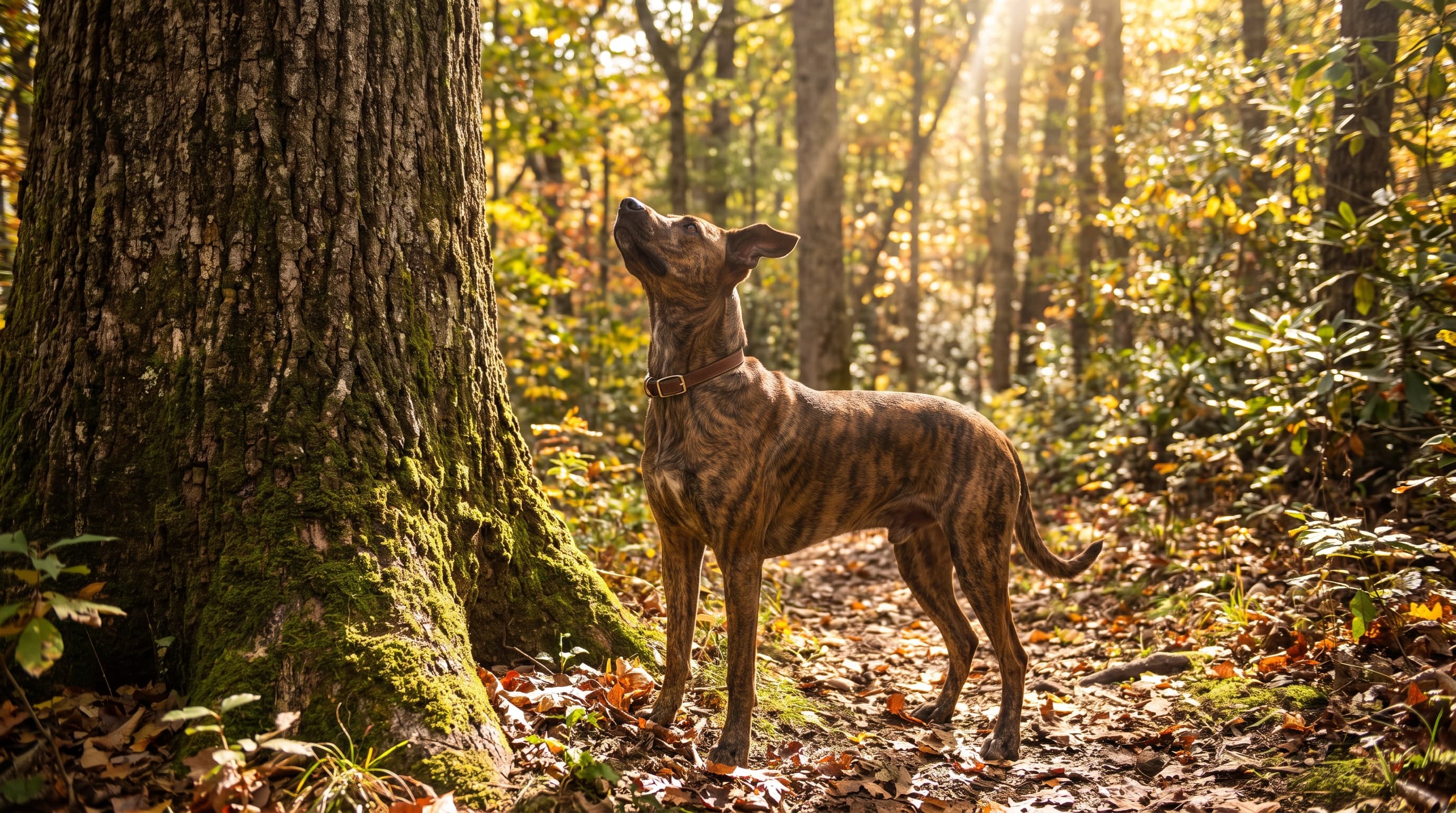

Treeing Tennessee Brindle: The Complete Guide to America's Brindle Tree Dog
The Treeing Tennessee Brindle is a medium-sized American scenthound bred to trail and "tree" game while baying loudly to signal the hunter. Weighing 30–50 pounds with a short brindle coat, this rare cur is intelligent, courageous, and intensely loyal. It thrives with an active, outdoorsy owner but needs space, exercise, and a securely fenced yard to be happy.
What Is a Treeing Tennessee Brindle?
The Treeing Tennessee Brindle (often shortened to "TTB") is a purpose-built hunting cur, not a designer mix. "Treeing" describes the breed's signature skill: chasing quarry such as raccoon or squirrel up a tree, then standing at the base and baying — a loud, drawn-out cry — until the hunter arrives. According to the American Kennel Club, the breed is prized for being "intelligent, brave, courageous and loyal companions with a strong inbred instinct for hunting."
Unlike floppy-eared coonhounds, the TTB is compact, athletic, and lightly built for speed and agility over rough terrain. It remains one of the rarest recognized breeds in the United States, kept mostly by working hunters across the rural South — which is exactly why so little balanced, owner-focused information exists about living with one as a family dog.
Breed History and Origin
The Treeing Tennessee Brindle is a distinctly American creation. As documented on Wikipedia, development began in the early 1960s when Reverend Earl Phillips — who wrote a syndicated newspaper column about hunting dogs — became fascinated by the brindle-coated curs used by hunters between the Ozark and Appalachian mountains. In 1967, he helped found the Treeing Tennessee Brindle Breeders Association to preserve and promote these dogs.
Foundation stock was gathered from proven working curs across the country, selected for treeing ability, scenting power, and the characteristic tiger-striped coat rather than for looks alone. Since 1995, the breed has been recorded through the AKC's Foundation Stock Service, the studbook that tracks rare breeds working toward full recognition. That heritage matters for owners: the TTB was shaped for stamina and independent decision-making in the field, and those instincts come standard in every puppy.
Appearance: Size, Coat, and Colors
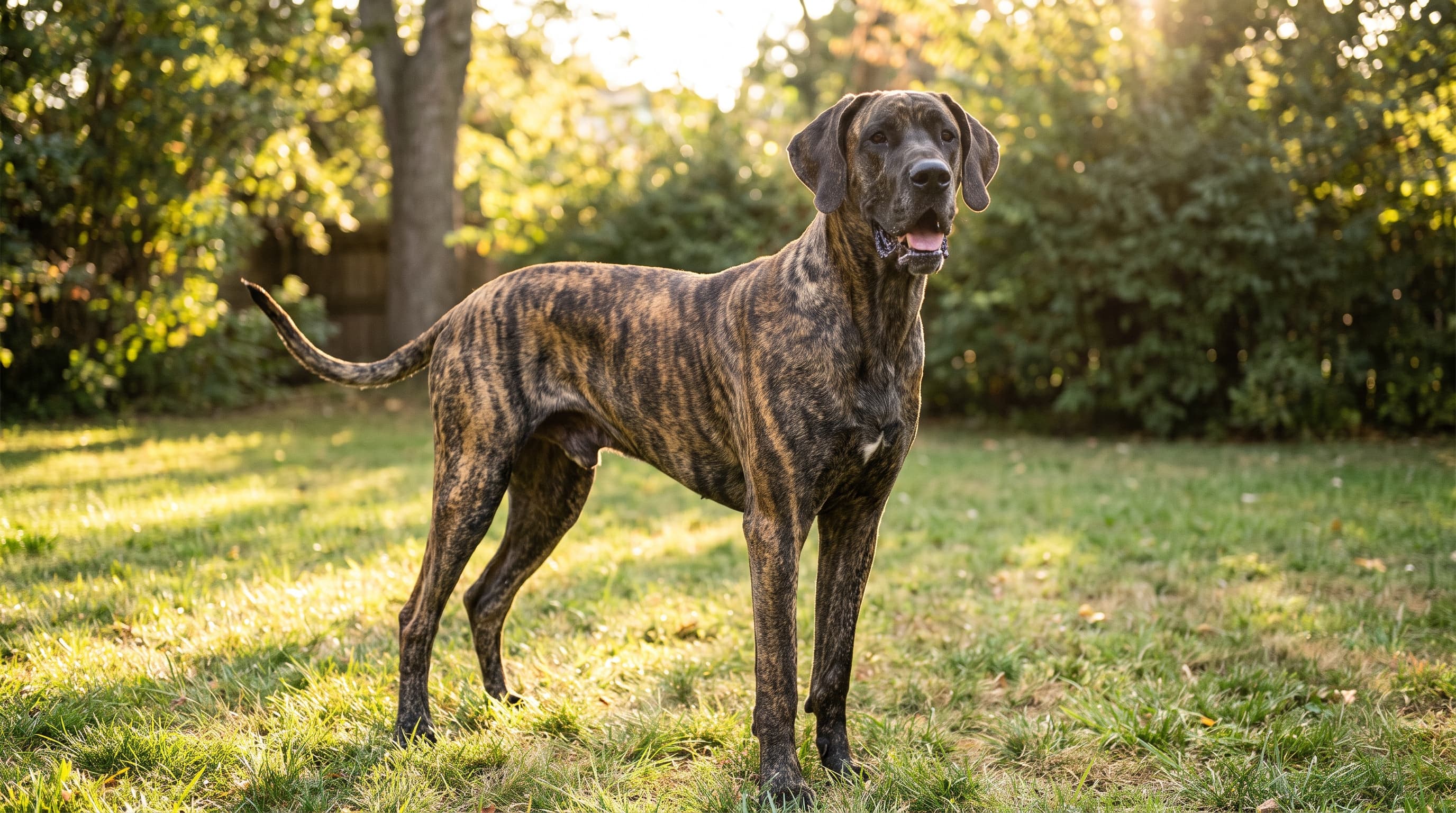
The TTB is a medium-sized dog with a lean, muscular, workmanlike build. Males typically stand 18–24 inches at the shoulder and weigh 35–50 pounds, while females stand 16–22 inches and weigh 30–40 pounds. The coat is short, smooth, and dense — easy to maintain and built to shed brush and burrs.
As the name promises, the defining feature is the brindle pattern: dark, tiger-like striping over a lighter base. Dogs generally appear in one of two looks — a lighter brown or "buckskin" brindle, or black with brindle trim. Small white markings on the chest and feet are acceptable in the breed standard, but heavy white is not typical of a purebred TTB. If you love the striping, our roundup of brindle dog breeds shows how the pattern appears across the canine world.
Temperament: What They're Like to Live With
At home, a well-exercised Treeing Tennessee Brindle is affectionate, people-oriented, and eager to please its family. In the field, the same dog is bold, driven, and remarkably independent — a scenthound bred to make its own calls miles from its handler. Both sides show up in daily life.
The Rover breed profile describes the TTB as intelligent and loyal with a strong bond to its people. That devotion, combined with high energy and a loud voice, makes them wonderful companions for the right household and a poor match for apartments or owners who are gone all day. They are generally good with children and other dogs when raised together, but a powerful prey drive means cats, rabbits, and backyard chickens are rarely safe around an untrained TTB.
Exercise and Training Needs
This is a working dog, and boredom is its enemy. Plan on at least an hour of vigorous activity every day — long walks, hikes, fetch, scent games, or a safe off-leash run in a fenced area. The DogTime breed profile emphasizes daily aerobic exercise plus mental stimulation to prevent the barking, digging, and escape attempts that surface in an under-stimulated cur. A trail-ready harness and gear (see our guide to the best dog hiking gear) makes long outings easier on both of you.
Training a TTB rewards patience. They are smart and quick to learn, but their independent streak means they will test a handler who is inconsistent. Positive-reinforcement methods work best; harsh corrections tend to backfire with sensitive scenthounds. Because the breed's recall competes directly with its instinct to follow a scent, a reliable "come" and a securely fenced yard are non-negotiable. New owners often find clicker training a fast, low-stress way to build focus. Their drive and stamina also make them a strong fit for rural and homestead life.
Grooming and Care
Grooming is one of the easiest parts of TTB ownership. The short, dense coat needs only a weekly brush with a firm bristle brush or rubber curry to remove loose hair and distribute skin oils. Shedding is moderate and seasonal rather than constant. Bathe only when your dog is genuinely dirty — over-bathing strips the coat's natural protection.
Pay closer attention to ears, nails, and teeth. Active outdoor dogs pick up debris and moisture in the ear canal, so check and gently clean the ears weekly to head off infections. Trim nails every few weeks and brush teeth several times a week. After hikes in tick country, run your hands over the whole dog to check for embedded ticks and burrs.
Health and Lifespan
The Treeing Tennessee Brindle is a hardy, functional breed with a typical lifespan of 10–12 years and few breed-specific disorders — a benefit of being bred for work rather than exaggerated looks. That said, no dog is immune to common canine health issues. Like many active medium and large dogs, the TTB can develop hip or elbow dysplasia, a joint condition the AKC explains is influenced by genetics, growth rate, nutrition, and weight.
You can stack the odds in your dog's favor: buy from a breeder who screens breeding stock, feed an appropriate diet to keep your dog lean, and avoid over-exercising a growing puppy on hard surfaces. Keep ears dry and clean to prevent infections, stay current on parasite prevention, and schedule routine veterinary checkups. This article is general information only and is not a substitute for professional advice — always consult your veterinarian about your individual dog's health.
Is the Treeing Tennessee Brindle Right for You?
Consider a TTB if you have a rural or suburban home with a securely fenced yard, an active lifestyle, and time to exercise and train a driven scenthound. They reward outdoorsy owners and hunters with fierce loyalty and tireless companionship. They are a difficult fit for apartment dwellers, first-time owners who want a low-key pet, homes with small pets they can't supervise, or anyone bothered by a loud, expressive bark. If that trade sounds worth it, few dogs will match a TTB's heart on the trail — or on the couch afterward.
Frequently Asked Questions
Are Treeing Tennessee Brindles good family dogs?
Yes, for active families. When well-exercised and raised with children, TTBs are affectionate, loyal, and playful. They do best in homes that can meet their exercise needs and tolerate a vocal dog, and they should always be supervised around very small children and small pets.
How much does a Treeing Tennessee Brindle cost?
Because they're working curs kept mostly by hunters, TTB puppies are usually affordable compared with popular purebreds — commonly in the range of about $300–$600 from a breeder, though price varies with lineage and hunting pedigree. Factor in ongoing costs for food, veterinary care, and gear.
Do Treeing Tennessee Brindles bark a lot?
Yes. Baying is a defining, intentionally bred trait — the loud cry that tells a hunter the dog has treed game. Expect a vocal dog. Training, exercise, and mental enrichment reduce nuisance barking, but this breed is not a quiet apartment companion.
Are Treeing Tennessee Brindles rare?
Very. The TTB is one of the rarest breeds recorded by the AKC's Foundation Stock Service and is found almost entirely among working hunters in the rural United States. Expect a limited number of breeders and possible waitlists.
Can Treeing Tennessee Brindles live with cats?
It's risky. The breed has a strong prey drive built for pursuing small animals. Some individuals raised alongside cats from puppyhood can coexist, but reliable cat-friendliness is the exception, not the rule, and interactions should be managed carefully.
How much exercise does a Treeing Tennessee Brindle need?
Plan on at least an hour of vigorous daily activity plus mental stimulation. Long hikes, running, scent work, and off-leash time in a securely fenced area are ideal. Without enough outlet, TTBs become bored, noisy, and prone to escaping.
Explore More Breeds
If the Treeing Tennessee Brindle's blend of brains, drive, and loyalty appeals to you, you'll enjoy two other hardworking American hounds: the versatile Black Mouth Cur and the melodious Bluetick Coonhound. Both share the TTB's stamina and devotion in a slightly different package.
Love learning about dogs like this? Subscribe to the Daily Wag newsletter for breed spotlights, training tips, and dog news delivered straight to your inbox.