
American Corgi: The Complete Guide to This Cardigan-Pembroke Crossbreed
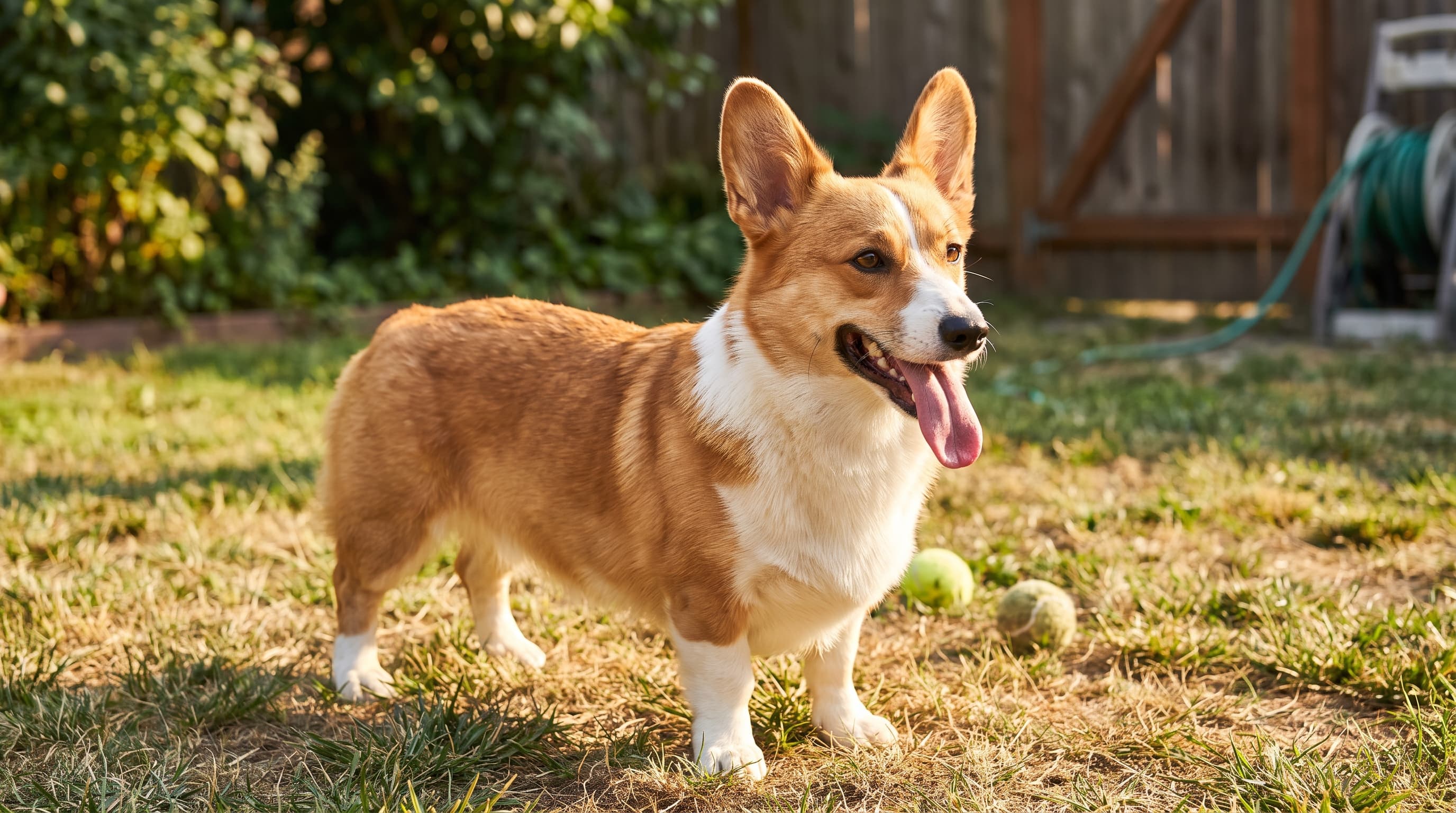
The American Corgi is a crossbreed created by pairing a Pembroke Welsh Corgi with a Cardigan Welsh Corgi. Standing 10–12.5 inches tall and weighing 24–40 pounds, these low-slung, big-eared dogs blend the two classic corgi lines into one energetic, affectionate companion. They are not recognized by the AKC, can carry the merle coat pattern, and typically live 10–13 years.
What Exactly Is an American Corgi?
Despite the patriotic name, the American Corgi is not a distinct purebred and has no ancient national heritage. It is a deliberate cross between the two recognized corgi breeds: the Cardigan Welsh Corgi and the Pembroke Welsh Corgi. Both parent breeds trace back to Wales, where they worked as cattle drovers, nipping at the heels of livestock and darting out of the way of kicks.
Breeders in the United States began combining the two lines to capture the best of both: the Pembroke's compact charm and the Cardigan's sturdier bone and long tail. According to Dogster's breed profile, the American Corgi is recognized by the Continental Kennel Club but is considered a designer crossbreed rather than a breed in its own right. If you want a corgi with predictable, documented lineage, a purebred from a health-tested parent is the more reliable route.
American Corgi vs. Pembroke vs. Cardigan: How to Tell Them Apart
The single easiest tell is the tail. Pembroke Welsh Corgis are usually born with a naturally short (bobbed) tail or are traditionally docked, while Cardigans keep a long, fox-like tail. An American Corgi may have either, depending on which parent it favors.
The Pembroke Welsh Corgi is the smaller, lighter breed with more pointed ears and a slightly foxier face. The Cardigan Welsh Corgi is larger-boned, with rounded ear tips and a wider range of coat colors, including merle. Dogster's side-by-side comparison breaks the distinctions down further across size, coat, and temperament. American Corgis fall somewhere in between and, uniquely, can inherit the Cardigan's merle (marbled) coat—something you will never see in a purebred Pembroke.
- Tail: Long (Cardigan-leaning) or short/bobbed (Pembroke-leaning).
- Size: Typically 24–40 pounds, between the two parent breeds.
- Ears: Large and upright, either pointed or rounded.
- Coat colors: Red, sable, fawn, black, tan, white markings, and merle.
American Corgi Temperament and Personality
American Corgis are loyal, alert, intelligent, and highly people-oriented. Bred from two herding lines, they are wired to work, think, and stay busy. Expect a dog that follows you room to room, learns quickly, and occasionally shows the stubborn independence common to herders. Early consistency prevents that cleverness from turning into selective hearing.
They tend to be friendly with children and thrive in active, multi-pet households. Their herding instinct can show up as heel-nipping or attempts to "gather" running kids, so redirect that energy early with training and games. For families weighing their options, our roundup of the best dogs for families with kids puts corgi-type temperaments in context.
Exercise and Training Needs
Do not let the short legs fool you. American Corgis are high-energy dogs that generally need more than an hour of daily physical activity plus mental stimulation to stay balanced. A bored corgi is a barking, digging, furniture-herding corgi. Brisk walks, fetch, puzzle feeders, and short training sessions all help drain that working-dog battery. Our guide to the best ways to burn off your dog's energy fast is a useful starting point.
On the training front, their intelligence is a gift. American Corgis excel at obedience, trick training, and dog sports like agility and herding trials. Use positive reinforcement and keep sessions short and rewarding—harsh corrections tend to backfire with this sensitive, smart crossbreed.
Grooming and Shedding
Both corgi parent breeds are enthusiastic year-round shedders with a heavy double coat, so the American Corgi is no exception. Plan on brushing anywhere from twice a week to daily, especially during the twice-yearly "coat blow" when the undercoat sheds in clumps. Corgis are decidedly not hypoallergenic—if allergies are a concern, read our explainer on whether corgis are hypoallergenic before committing.
Beyond brushing, keep nails trimmed, ears clean and dry, and teeth brushed regularly. Because corgis love food and gain weight easily, portion control is a grooming-adjacent health task worth taking seriously.
American Corgi Health and the Merle Warning
American Corgis are generally hardy, with a 10–13 year lifespan, but they inherit health risks from both parent lines. Common concerns include intervertebral disc disease (a real risk for any long-backed dog), hip issues, progressive retinal atrophy, degenerative myelopathy, von Willebrand's disease, obesity, and eye conditions such as cataracts.
The most important buyer-beware issue is the double merle problem. Merle is one of the American Corgi's signature looks, but breeding two merle-patterned dogs together can produce "double merle" puppies with a high risk of deafness and blindness. Canine geneticists and the AKC warn that the same coat-color genetics behind piebald and merle patterns are strongly linked to congenital deafness in dogs, and merle-to-merle breeding compounds that risk. A responsible breeder never pairs two merle dogs and will happily explain their coat-color genetics. This section is general information, not veterinary advice—consult your veterinarian about screening and care for your individual dog.
American Corgi Colors, Coat, and the Merle Look
Coat variety is one of the American Corgi's biggest draws. Because the cross pulls from both parent gene pools, you can see red, sable, fawn, tricolor (black, tan, and white), and the eye-catching merle pattern—a marbled swirl of diluted and full pigment that often comes with striking blue or partially blue eyes. Sable and red-and-white remain the most common, echoing the classic Pembroke look, while merle and the broader color range come courtesy of the Cardigan side.
The coat itself is a weather-resistant double coat: a soft insulating undercoat beneath a slightly coarser topcoat. It handles cold well but means consistent shedding and a need for year-round brushing. If you fall for a merle puppy, treat the color as a reason to ask more questions about the breeder's pairing—never fewer. A single-merle dog from a merle-to-non-merle pairing is perfectly healthy; the danger lies only in doubling up the gene.
Feeding and Weight Management
Corgis are famously food-motivated, and that enthusiasm is a double-edged sword. It makes training easy but also makes American Corgis prone to obesity, which is especially dangerous for a long-backed breed already at risk for spinal problems. Every extra pound puts more strain on the vertebrae and discs.
Feed a high-quality diet portioned to your dog's age, size, and activity level rather than free-feeding, and count treats toward the daily total. Keep an eye on body condition: you should be able to feel—but not see—the ribs, and there should be a visible waist from above. When in doubt about the right amount or a weight-loss plan, ask your veterinarian for a target weight and feeding guideline tailored to your individual dog.
Is the American Corgi Right for You?
An American Corgi suits an active owner or family that can meet its exercise needs, tolerate heavy shedding, and provide consistent, positive training. They adapt to apartments if exercised well, love being part of daily life, and reward attention with fierce loyalty. They are less ideal for people wanting a low-shedding, low-energy lapdog or a dog that's content to be left alone for long stretches.
Because "American Corgi" is not a standardized breed, the smartest move is to vet the breeder carefully: ask to meet both parents, request health clearances (eyes, hips, DM, and von Willebrand's), and confirm they never breed merle-to-merle.
Frequently Asked Questions
Is an American Corgi a real breed?
No. The American Corgi is a crossbreed between the Pembroke and Cardigan Welsh Corgi. It is recognized by the Continental Kennel Club as a crossbreed but is not an AKC-recognized purebred breed.
How big do American Corgis get?
Most American Corgis stand 10–12.5 inches tall and weigh 24–40 pounds, placing them between the smaller Pembroke and the larger, heavier-boned Cardigan.
Do American Corgis shed a lot?
Yes. Both parent breeds have heavy double coats and shed year-round, with two heavier seasonal sheds. Regular brushing—up to daily during coat-blow season—is essential, and they are not hypoallergenic.
Are American Corgis good family dogs?
Generally, yes. They are affectionate, loyal, and playful with children. Their herding instinct may lead to heel-nipping, which early training and socialization can manage. Adequate daily exercise is key to a well-behaved corgi.
What is the double merle risk in American Corgis?
When two merle-patterned dogs are bred together, their puppies can be "double merle," carrying a high risk of deafness and blindness. Ethical breeders avoid merle-to-merle pairings entirely, so always ask about coat-color genetics.
How long do American Corgis live?
American Corgis typically live 10–13 years with good nutrition, regular veterinary care, weight management, and attention to their long backs to prevent disc injuries.
Considering a Corgi Companion?
If the American Corgi has stolen your heart, explore the parent and cousin breeds too: our deep dives on the Cardigan Welsh Corgi and the spirited Aussie Corgi (Corgi-Australian Shepherd mix) will help you compare temperaments and care needs before you choose. And for a weekly dose of breed guides, training tips, and health advice, subscribe to the Daily Wag newsletter to keep your corgi—and you—one step ahead.