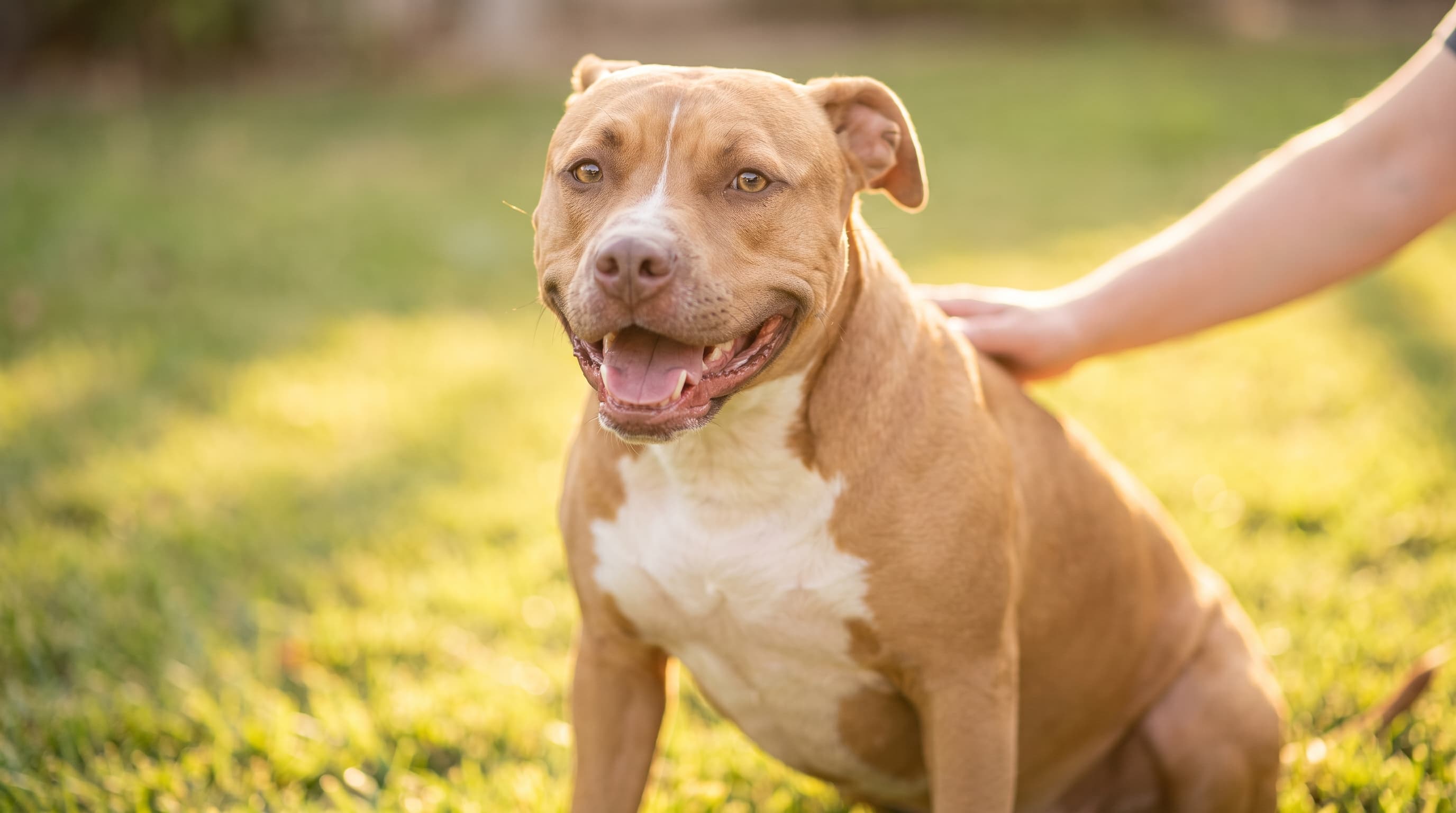

Pitbull Lifespan: How Long Do Pit Bulls Really Live?
The average pitbull lifespan is about 10 to 14 years, with many healthy, well-cared-for dogs reaching their early to mid-teens. Lifespan varies by pit bull type, genetics, body size, weight, diet, exercise, dental health, and whether your dog is spayed or neutered. Routine veterinary care is the single biggest factor you control.
"Pit bull" isn't one breed but an umbrella term for several muscular, bully-type dogs, so longevity differs a little depending on which dog you actually have. Below, we break down the typical range, how each pit bull type compares, what shortens (and lengthens) a pittie's life, and how to support your dog at every stage. This is general educational information, not medical advice, so always loop in your own veterinarian for anything specific to your dog.
Average Pitbull Lifespan and Typical Range
Most pit bull-type dogs live 10 to 14 years, and a 12-year average is a reasonable expectation for a healthy, properly cared-for dog. Some individuals fall short of that range due to genetics or preventable illness, while others comfortably push into their teens. Pitbulls are medium-sized dogs, which works in their favor: large-scale longevity research consistently shows that medium breeds tend to outlive giant breeds, since body size and lifespan in dogs are negatively correlated.
It helps to think of the range as a spectrum you can nudge. The bottom of the range is often driven by serious, sometimes preventable conditions; the top of the range is driven by good genetics paired with consistent preventive care. Where your individual dog lands is shaped by factors we'll cover below, many of which are squarely in an owner's control.
Pitbull Lifespan by Type: APBT, AmStaff, Staffie and Bullies
Because "pitbull" describes a category rather than a single registered breed, life expectancy shifts slightly depending on the specific dog. Here's how the most common types compare.
American Pit Bull Terrier (APBT)
The classic, athletic pit bull most people picture. APBTs typically live 10 to 15 years. Their moderate, muscular build and high activity needs generally support a healthy lifespan when weight and joints are managed.
American Staffordshire Terrier (AmStaff)
A close cousin recognized by the AKC, the AmStaff is slightly stockier. Reported life expectancy runs roughly 12 to 16 years for well-cared-for dogs, according to longevity data compiled at World Life Expectancy.
Staffordshire Bull Terrier ("Staffie")
The smaller, British-origin Staffie often lives 12 to 14 years. Its compact size tends to favor longevity, and it's a generally robust breed per its PetMD breed health profile.
American Bully and Pocket Pitbulls
Newer bully types vary widely. Heavier, more extreme builds can carry added joint and breathing risks, while smaller variants are bred down in size. If you have one of the compact varieties, our guide to the pocket pitbull covers their size, health considerations and care in more depth. Coat-color-focused breeding also gets a lot of attention; if you're curious about the genetics and health questions there, see our overview of the merle pitbull.
Factors That Affect How Long a Pitbull Lives
Several overlapping factors determine where a dog lands in the 10-to-14-year range. The good news is that most are influenced by everyday choices.
- Genetics and breeding: Responsible breeders who screen for hereditary conditions tend to produce longer-lived dogs. Mixed-breed dogs often live modestly longer than purebreds of the same size.
- Body size and weight: Larger, heavier dogs generally live shorter lives, and obesity compounds the problem by stressing joints, the heart and the metabolism. The AKC explains the size-versus-longevity relationship in detail.
- Spay/neuter status: Altered dogs often live longer on average, partly due to reduced risk of certain cancers and reproductive diseases. Discuss timing with your vet, since it can matter for large, athletic breeds.
- Nutrition: A complete, balanced, appropriately portioned diet supports every body system and helps prevent obesity.
- Exercise and mental stimulation: Pitbulls are athletic and thrive on daily activity, which protects joints, heart and mood.
- Dental and preventive care: Routine vet visits, parasite prevention and dental hygiene catch problems early and reduce systemic disease.
Common Health Issues That Can Shorten a Pitbull's Life
Pitbulls are generally hardy, but like all dogs they're prone to certain conditions. This is a surface-level overview to help you know what to watch for, not a diagnostic tool. If you notice any symptoms, your veterinarian is the only one who can evaluate and advise.
- Hip and joint problems: Hip dysplasia and other joint issues are relatively common in muscular, active breeds and can affect mobility and quality of life.
- Skin allergies: Pitbulls are known for allergies and skin sensitivities, which are usually manageable with veterinary guidance.
- Heart disease: Cardiac conditions are among the more serious concerns in older dogs.
- Cancer: As with many breeds, cancer is a leading cause of death in senior dogs.
- Dental (periodontal) disease: By age three, most dogs already have some periodontal disease, and untreated infection can let bacteria affect the heart, liver and kidneys. Cornell University's veterinary college notes how common and consequential it is, which is why dental care is a longevity issue, not just a cosmetic one.
Early detection makes a real difference. Many of these conditions are far more manageable when caught during routine wellness exams than when symptoms become obvious at home.
How to Help Your Pitbull Live Longer
You can't change your dog's genetics, but you can meaningfully influence its day-to-day health. These vet-supported habits give your pittie its best shot at a long, comfortable life.
- Feed a quality, portion-controlled diet. Choose a complete-and-balanced food, measure meals, limit treats and keep your dog lean. Maintaining a healthy weight is one of the most protective things you can do.
- Prioritize daily exercise. Aim for consistent physical activity plus mental enrichment. Pitbulls are athletic and generally do well with brisk walks, play and structured activities that engage both body and brain.
- Stay on top of preventive vet care. Annual wellness exams (twice yearly for seniors), vaccinations, and parasite prevention catch issues early.
- Don't skip dental hygiene. Regular tooth brushing and professional cleanings reduce systemic disease risk. New to it? Our walkthrough on the proper way to brush your dog's teeth and keep them clean makes the routine far easier.
- Discuss spay/neuter with your vet. Altering can reduce certain disease risks; your vet can advise on the right approach and timing for your dog.
None of these require heroics. Consistency, not perfection, is what adds up over a dog's lifetime.
Senior Pitbull Care: The Later Years
Pitbulls are often considered seniors around age seven to eight, though many stay playful well into their teens. As your dog ages, a few adjustments help keep it comfortable and catch problems early.
- Increase vet visits to twice a year, with bloodwork and screening as your vet recommends.
- Support the joints with appropriate exercise, comfortable bedding and, if your vet advises, mobility-supporting strategies.
- Watch weight closely, since metabolism slows and extra pounds hit aging joints and organs harder.
- Keep up dental care, which remains important throughout the senior years.
- Provide gentle mental enrichment to support cognitive health.
Senior dogs can develop changes gradually, so subtle shifts in appetite, mobility, thirst or behavior are worth mentioning to your veterinarian rather than waiting.
How Does a Pitbull's Lifespan Compare to Other Dogs?
At 10 to 14 years, pitbulls sit comfortably in the typical range for medium-sized dogs and tend to outlive giant breeds. For perspective, popular medium and crossbreed dogs land in a similar neighborhood; our look at the goldendoodle lifespan shows how a comparable-sized hybrid stacks up. The broad takeaway from longevity research is consistent: medium dogs generally enjoy a healthy lifespan when weight, dental health and preventive care are handled well.
Frequently Asked Questions
What is the average lifespan of a pitbull?
Most pit bull-type dogs live about 10 to 14 years, with a 12-year average being a reasonable expectation for a healthy, well-cared-for dog. Some live shorter lives due to genetics or illness, while others reach their mid-teens.
Do pitbulls live longer than other dogs?
Pitbulls are medium-sized, and medium dogs generally live longer than large or giant breeds because body size and lifespan are inversely related. Compared with other medium dogs, pitbulls have a fairly typical lifespan.
Which pit bull type lives the longest?
It varies by individual dog, but smaller types like the Staffordshire Bull Terrier and well-bred American Staffordshire Terriers often reach 12 to 16 years. Smaller body size and responsible breeding tend to favor a longer life.
What is the most common cause of death in pitbulls?
In older dogs, cancer and heart disease are among the leading causes of death, while joint problems and dental disease can reduce quality of life over time. Only a veterinarian can assess your individual dog's health, so schedule an exam if you have concerns.
How can I help my pitbull live longer?
Keep your dog at a healthy weight with a balanced diet, provide daily exercise and enrichment, maintain dental hygiene, stay current on preventive vet care, and discuss spay/neuter with your veterinarian. Early detection of problems through routine checkups is key.
A Note on Veterinary Care
This article is for general educational purposes only and is not a substitute for professional veterinary advice, diagnosis, or treatment. It does not cover dosing, treatment protocols, or how to diagnose any condition. Every dog is different, and only a licensed veterinarian who has examined your pet can give guidance tailored to your dog's health, breed type, and history. If your pitbull is showing any signs of illness, pain, or behavioral change, contact your veterinarian promptly. The best step you can take for your dog's longevity is simple: schedule a wellness checkup with your veterinarian and keep up with regular visits so problems can be caught and managed early.