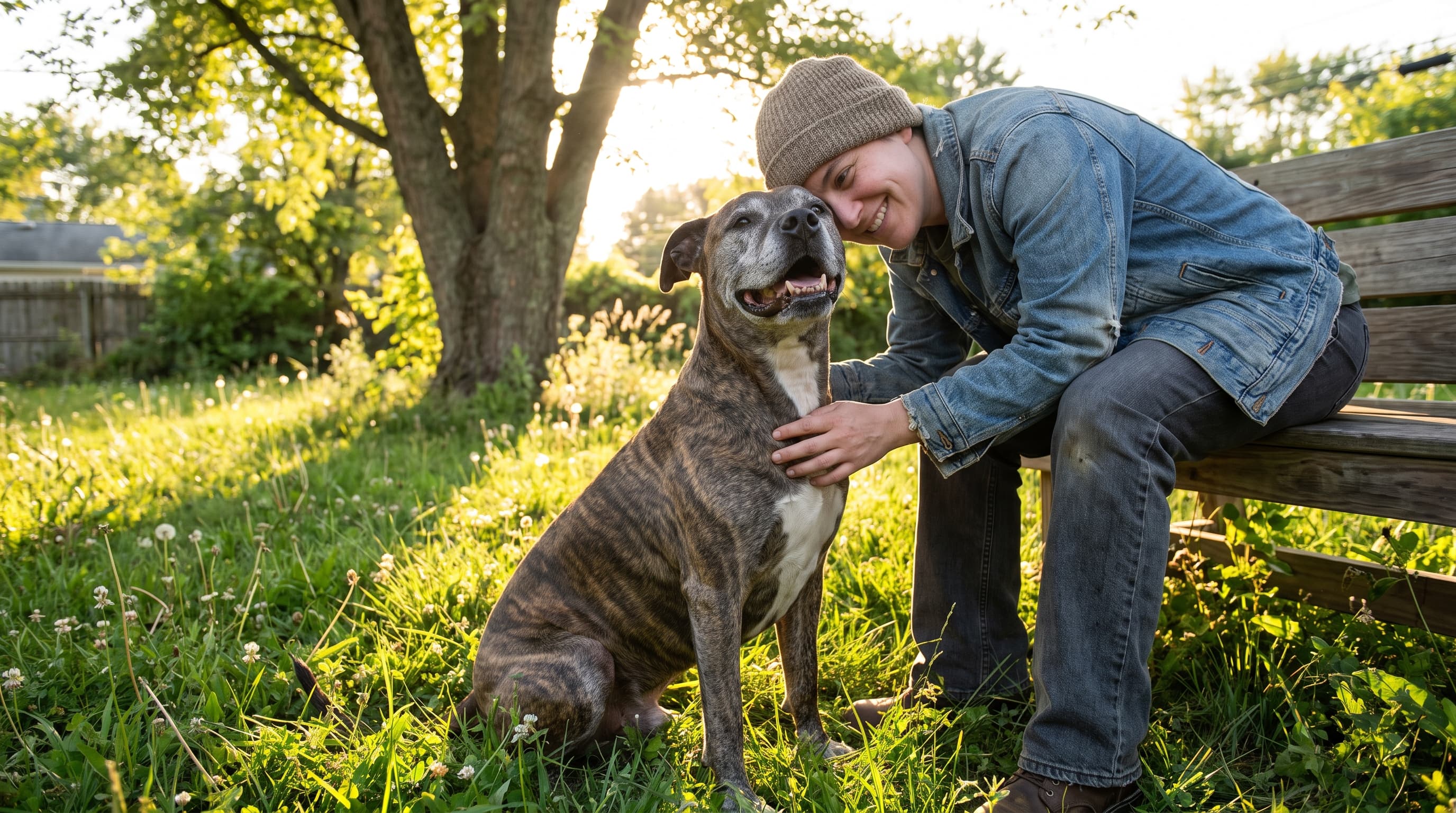

How Long Do Pitbulls Live? Average Lifespan and How to Extend It
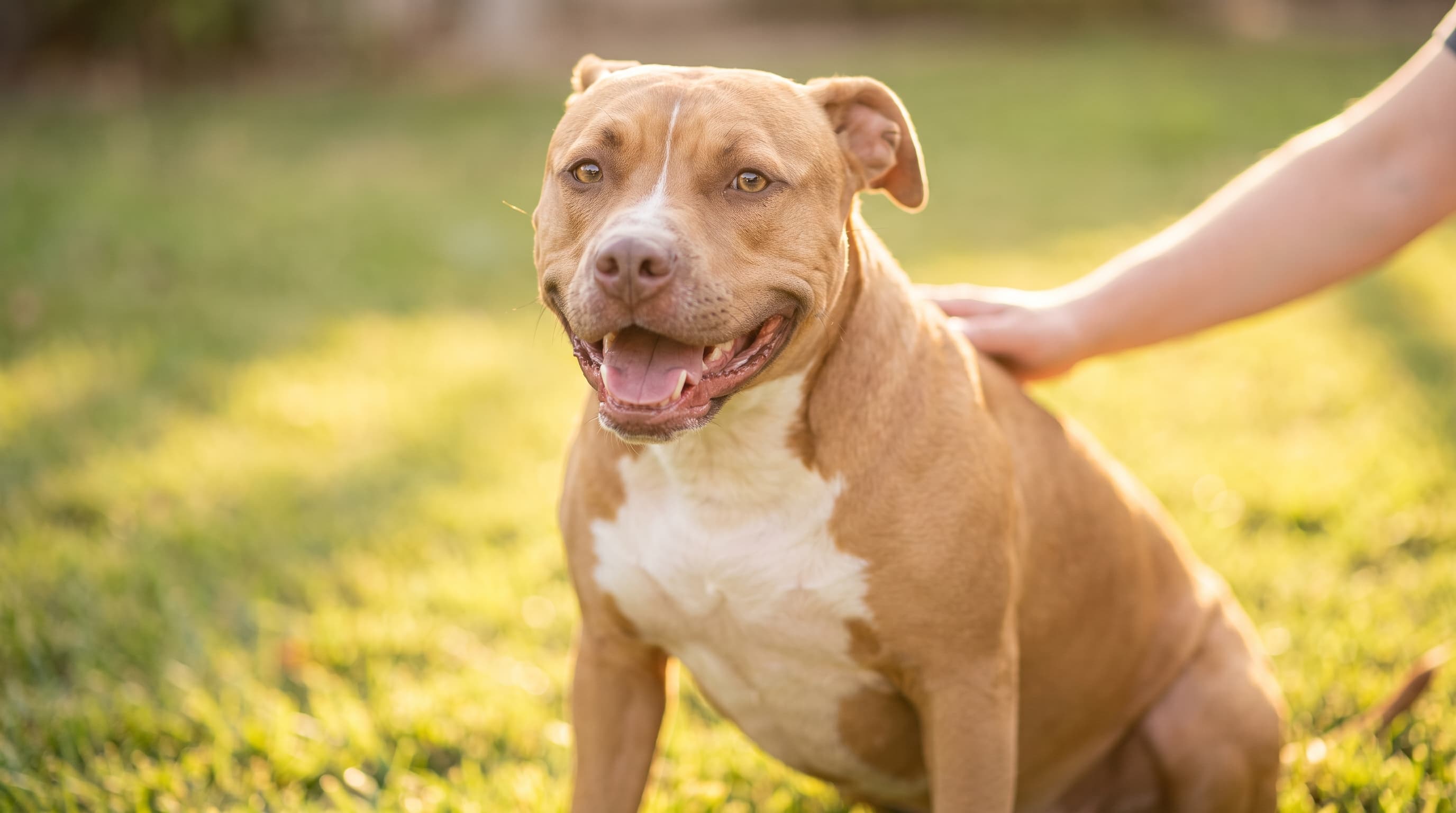
Most pitbulls live 10 to 14 years, with an average lifespan of about 12 years. Because "pitbull" describes several breeds rather than one, longevity varies with genetics, size, weight, and veterinary care. Keeping your dog lean, exercised, and current on checkups gives a pit bull the best shot at the upper end of that range.
What Counts as a "Pitbull"?
"Pitbull" is not a single breed but an umbrella term for several breeds and mixes with similar builds. It most often refers to the American Pit Bull Terrier, the American Staffordshire Terrier, the Staffordshire Bull Terrier, and the American Bully, along with countless mixes that share the muscular frame and broad head. The American Kennel Club recognizes the American Staffordshire Terrier as a distinct breed, while the American Pit Bull Terrier is registered by other organizations. This matters for lifespan because each type carries slightly different genetic health tendencies.
How Long Do Pitbulls Live on Average?
Across the pitbull-type breeds, the widely cited range is 10 to 14 years, with roughly 12 years as the average. Sources including Hepper's lifespan guide and Dogster's vet-reviewed overview both place the typical span at 10 to 14 years. Some individual dogs beat the odds considerably: Canine Journal notes that well-cared-for pit bulls occasionally reach 16 years or more.
For context, this puts pitbulls right around the average for all dogs. PetMD reports that most dogs live between 10 and 13 years, with smaller breeds generally outliving larger ones. As medium-sized dogs, pitbulls tend to land near the middle of the canine longevity curve rather than at either extreme.
Pitbull Lifespan by Breed Type
Because "pitbull" covers several breeds, expected lifespans differ slightly depending on which type you have. These are general ranges, not guarantees—an individual dog's care and genetics matter far more than its label.
- American Pit Bull Terrier: Often cited at 12 to 14 years, and sometimes up to 16 with excellent care. This is the athletic, medium-sized dog most people picture when they hear "pitbull."
- American Staffordshire Terrier: Typically 12 to 16 years. AmStaffs are close cousins of the APBT and share a similar hardy constitution.
- Staffordshire Bull Terrier: Generally 12 to 14 years. The smaller, stockier "Staffy" tends to be a robust, long-lived companion.
- American Bully: Usually 10 to 13 years. The heavier, more compact build of some Bully lines can bring added joint and breathing considerations that owners should monitor.
Mixed-breed pitbulls fall wherever their genetics land, and many mixes actually benefit from greater genetic diversity. Whatever the type, the day-to-day care described below has a larger effect on longevity than the breed name on the paperwork. If you're curious how pitbull-type dogs compare with other powerful breeds, our profile of the Cane Corso offers a useful point of comparison.
What Affects a Pitbull's Lifespan?
Several factors influence how long any individual pitbull lives. Some you can't change, but many are firmly within an owner's control.
- Genetics and breeding: Dogs from responsible breeders who screen for hereditary conditions tend to be healthier than those from poorly managed lines.
- Body weight: Carrying extra pounds strains the joints, heart, and metabolism. Keeping a dog at a healthy weight is one of the most reliable ways to add years.
- Diet and nutrition: A complete, balanced diet appropriate for your dog's life stage supports long-term health.
- Exercise: Pitbulls are athletic, high-energy dogs that stay healthier—physically and mentally—with daily activity.
- Preventive veterinary care: Routine exams, vaccinations, dental care, and parasite prevention catch problems early.
- Spay/neuter status: Altering can reduce certain cancer and reproductive risks, a decision best discussed with your vet.
Common Health Issues in Pitbulls
Understanding the conditions pitbulls are prone to helps owners spot early warning signs and seek care promptly. This is general information only—not a diagnosis—so anything unusual warrants a conversation with your veterinarian.
Pitbull-type breeds are more likely than average to experience hip dysplasia, a hereditary joint condition; skin allergies and sensitivities that cause itching and infections; hypothyroidism, a treatable hormone imbalance; and certain heart conditions. Some lines are also predisposed to specific cancers. None of these is a guarantee, and many are manageable when identified early. Our guide to the 12 signs your dog needs a vet visit can help you recognize when a symptom is worth a professional look.
How to Help Your Pitbull Live Longer
You can't rewrite your dog's genetics, but everyday choices genuinely move the needle on lifespan. Keeping a pitbull at a lean, healthy weight is arguably the single most impactful thing you can do—excess weight is linked to a shorter life across every breed studied.
Pair weight management with consistent daily exercise, a balanced diet suited to your dog's age, fresh water, and mental enrichment. Stay current on wellness exams; many vets recommend twice-yearly visits for senior dogs (generally age seven and up) so age-related issues are caught before they become serious. Good dental care matters too, since untreated dental disease is linked to broader health problems. As your pit bull ages, our advice on choosing the best food for your senior dog can help you adjust their nutrition. And because pitbulls are affectionate, people-oriented dogs, the social bond you build is part of their wellbeing—see why they can make such devoted family companions.
Exercise and Enrichment for a Longer Life
Pitbulls are powerful, energetic dogs bred for stamina, and a bored or under-exercised pit bull is not just harder to live with—it's often less healthy. Aim for a mix of physical and mental activity every day: brisk walks, structured play, tug, fetch, and safe off-leash time in a secure area all help burn energy and keep joints and muscles conditioned. Puzzle feeders, scent games, and short training sessions tire the mind, which matters just as much as tiring the body.
Consistent activity supports a healthy weight, strong cardiovascular health, and better joint function into old age—all of which feed directly into lifespan. Just be sensible in extreme weather: pitbulls with short coats and, in some lines, shorter muzzles can struggle to regulate temperature, so avoid strenuous exercise during peak summer heat and always provide shade and water. As dogs enter their senior years, dial the intensity down rather than stopping altogether; gentle, regular movement helps aging joints stay mobile.
Signs of Aging to Watch For
Pitbulls are generally considered seniors around age seven to eight. Aging signs include graying around the muzzle, reduced energy or stiffness after rest, cloudier eyes, weight changes, and slower recovery from activity. None of these means something is wrong on its own, but they're cues to schedule more frequent checkups and to watch for changes in appetite, mobility, or behavior. Early attention to these shifts is one of the best ways to keep your dog comfortable through their senior years.
Frequently Asked Questions
What is the average lifespan of a pitbull?
The average pitbull lifespan is about 12 years, with a typical range of 10 to 14 years. Some well-cared-for individuals live 15 to 16 years or beyond, especially with attentive healthcare and weight management.
Do pitbulls live longer than other dogs?
Pitbulls live about as long as the average dog. Most dogs live 10 to 13 years, and as medium-sized breeds, pitbulls fall right in that range—longer than many giant breeds but shorter than some small ones.
What do most pitbulls die from?
Like most dogs, older pitbulls commonly face age-related conditions such as cancer, heart disease, and organ decline. Breed-associated issues like hip dysplasia and skin conditions affect quality of life more than they directly shorten it. Your veterinarian can explain the risks most relevant to your individual dog.
Does spaying or neutering affect a pitbull's lifespan?
Spaying and neutering can reduce the risk of certain reproductive cancers and conditions, which may support a longer life. The ideal timing depends on your dog's size and health, so it's a decision to make with your veterinarian rather than by a general rule.
How can I tell if my senior pitbull is in pain?
Watch for stiffness, reluctance to jump or climb stairs, changes in appetite, restlessness, or a shift in temperament. Dogs often hide pain, so any noticeable change in a senior pitbull is worth a veterinary exam rather than waiting to see if it passes.
The Bottom Line
Most pitbulls share a 10-to-14-year lifespan, and much of where an individual dog lands within that window comes down to daily care: a healthy weight, regular exercise, a balanced diet, and consistent veterinary attention. Genetics set the stage, but attentive ownership writes much of the rest of the story.
A note on your dog's health: This article is for general informational purposes only and is not a substitute for professional veterinary advice. Every dog is different. If you have any concerns about your pitbull's health, lifespan, or a specific symptom, please consult your veterinarian, who can examine your dog and give guidance tailored to their needs.
Want more practical dog-care guidance and breed insights? Subscribe to the Daily Wag newsletter for fresh advice in your inbox.