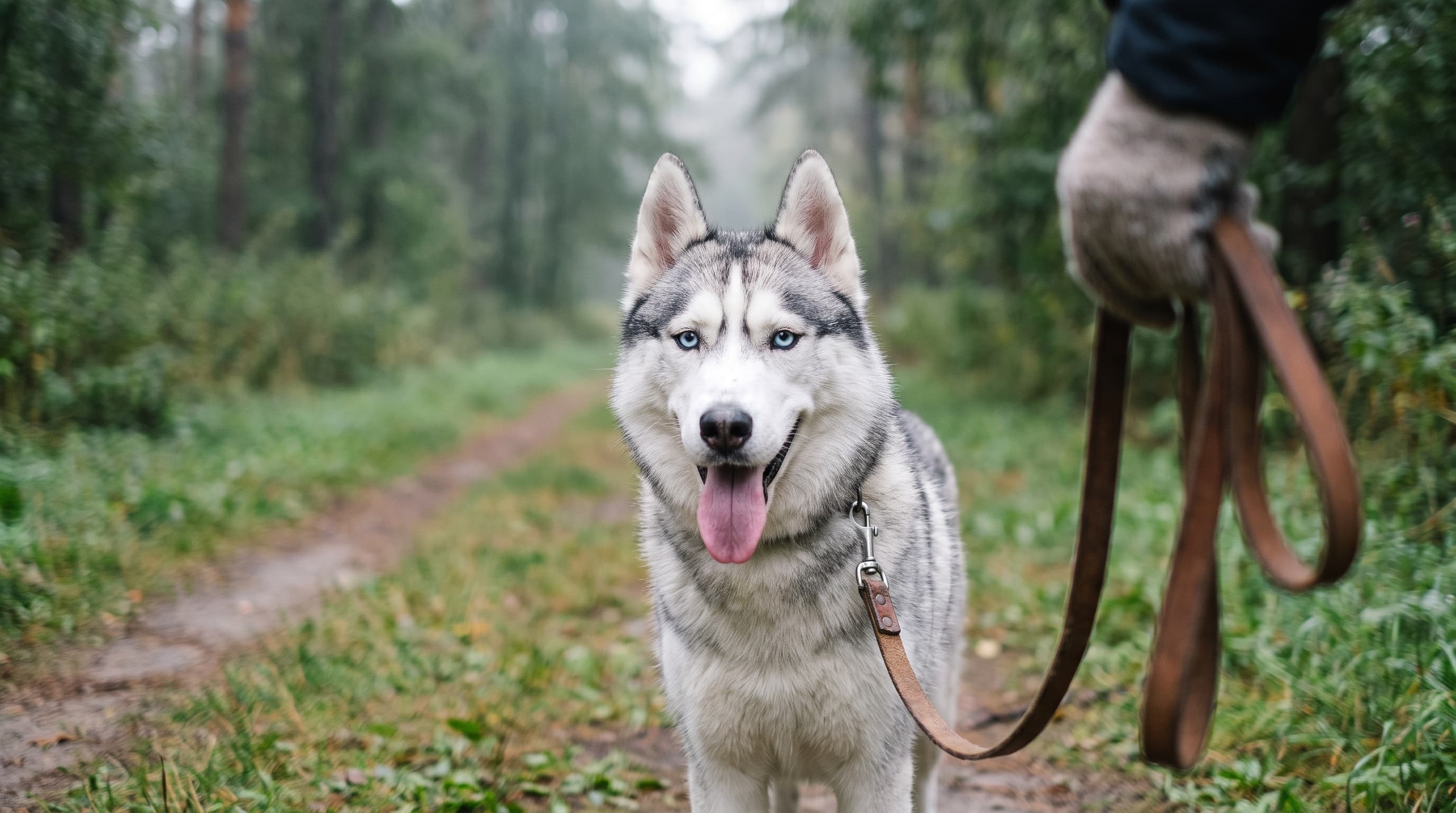

How Long Do Huskies Live? The Siberian Husky Lifespan Explained
Most Siberian Huskies live 12 to 15 years, with an average of roughly 12 to 14 years according to breed and veterinary sources. That is a relatively long lifespan for a medium-to-large working dog. The biggest factors shaping how long an individual husky lives are genetics, a healthy body weight, daily exercise, and consistent veterinary care throughout life.
What Is the Average Husky Lifespan?
The Siberian Husky is one of the longer-lived medium-to-large breeds. Veterinary reference PetMD notes that "the typical lifespan of a Husky is 12–14 years," while many breed and rescue sources cite a slightly wider 12-to-15-year window. The American Kennel Club describes the breed as a compact sled dog of "great endurance," and that hardy, athletic build is part of why huskies tend to age well compared with many similarly sized dogs.
It helps to remember that a lifespan range is an average, not a guarantee. Some huskies pass earlier due to accident or illness, while others, with good genes and attentive care, comfortably reach 15 or even 16. If you are still getting to know the breed, our full Siberian Husky breed guide covers temperament, exercise needs, and what daily life with one of these dogs really looks like.
What Factors Affect How Long Huskies Live?
No single thing determines a husky's lifespan. Instead, a handful of factors work together over the years. Some you cannot control, but many you can influence directly.
Genetics and Responsible Breeding
Genetics set the baseline. Huskies from health-tested parents with documented longevity in the pedigree tend to avoid many inherited problems. A responsible breeder screens for hip and eye conditions before breeding, which stacks the odds in a puppy's favor. If you are adopting, you may not know the background, but a thorough vet exam early on helps you plan ahead.
Body Weight and Diet
Keeping a husky lean is one of the most powerful things an owner can do. According to VCA Animal Hospitals, "being even moderately overweight can reduce life expectancy by nearly two years," and obesity is described as a chronic inflammatory condition linked to diabetes, heart disease, and arthritis. Huskies are naturally athletic and often need fewer calories than owners expect, so measuring meals and skipping excessive treats matters.
Exercise and Mental Stimulation
Huskies were bred to pull sleds across long Arctic distances, and that working drive never fully switches off. Daily vigorous exercise keeps their weight in check, supports heart and joint health, and burns off the energy that otherwise turns into destructive or anxious behavior. A tired husky is generally a healthier, happier husky.
Veterinary Care and Prevention
Routine checkups, vaccinations, parasite prevention, and dental care all add up over a lifetime. Catching problems like thyroid disease or early arthritis sooner usually means simpler, more effective management. Prevention is far cheaper and kinder than treating an advanced illness.
Environment and Heat
Huskies carry a dense double coat built for the cold and tolerate heat poorly. Chronic heat stress is hard on the body, so owners in warm climates need to provide shade, fresh water, air conditioning, and exercise during the cooler parts of the day.
Common Health Issues That Can Shorten a Husky's Life
Like every purebred, Siberian Huskies are prone to certain inherited and age-related conditions. Knowing them helps you spot warning signs early and talk to your vet before a small issue becomes a serious one.
- Eye disorders. Huskies are known for eye problems, including cataracts and progressive retinal atrophy (PRA), a group of degenerative diseases that gradually lead to vision loss. Regular eye exams help track these changes.
- Hip dysplasia and arthritis. Hip dysplasia involves abnormal development of the hip joint that can progress to painful osteoarthritis. Keeping your dog lean and active supports the joints over time.
- Hypothyroidism. Hypothyroidism is a treatable hormone deficiency that can cause weight gain, lethargy, and coat changes. It is typically managed well with veterinary care.
- Dental disease. VCA notes that over 80% of dogs over age three have active dental disease, which can affect overall health when left unchecked. Routine dental care matters more than most owners realize.
- Skin conditions. Huskies can develop zinc-responsive skin issues and other dermatological problems that are worth discussing with your vet if you notice hair loss or irritation.
This list is educational and not a diagnostic checklist. Only a licensed veterinarian can evaluate and diagnose your individual dog.
How Can You Help Your Husky Live Longer?
You cannot rewrite your dog's genetics, but day-to-day choices genuinely move the needle on both lifespan and quality of life. The most impactful habits are also the simplest.
- Keep your husky at a lean, healthy weight. This single habit is repeatedly linked to a longer life. Measure food, limit treats, and check body condition regularly.
- Provide daily exercise and enrichment. Running, hiking, sledding, or vigorous play keeps muscles, joints, and the heart strong, plus it satisfies the husky's working instincts.
- Feed a complete, life-stage-appropriate diet. As your dog matures, nutritional needs shift. Our guide to choosing the best food for your senior dog can help you adjust as your husky ages.
- Stay current on veterinary care. Annual exams for adults and twice-yearly exams for seniors help catch problems early.
- Prioritize dental hygiene. Brushing, dental chews, and professional cleanings protect more than just the teeth.
- Keep your husky cool and safe. Avoid overheating, and manage the environment so an escape-prone, high-energy breed stays out of harm's way.
Husky Lifespan vs. Other Breeds
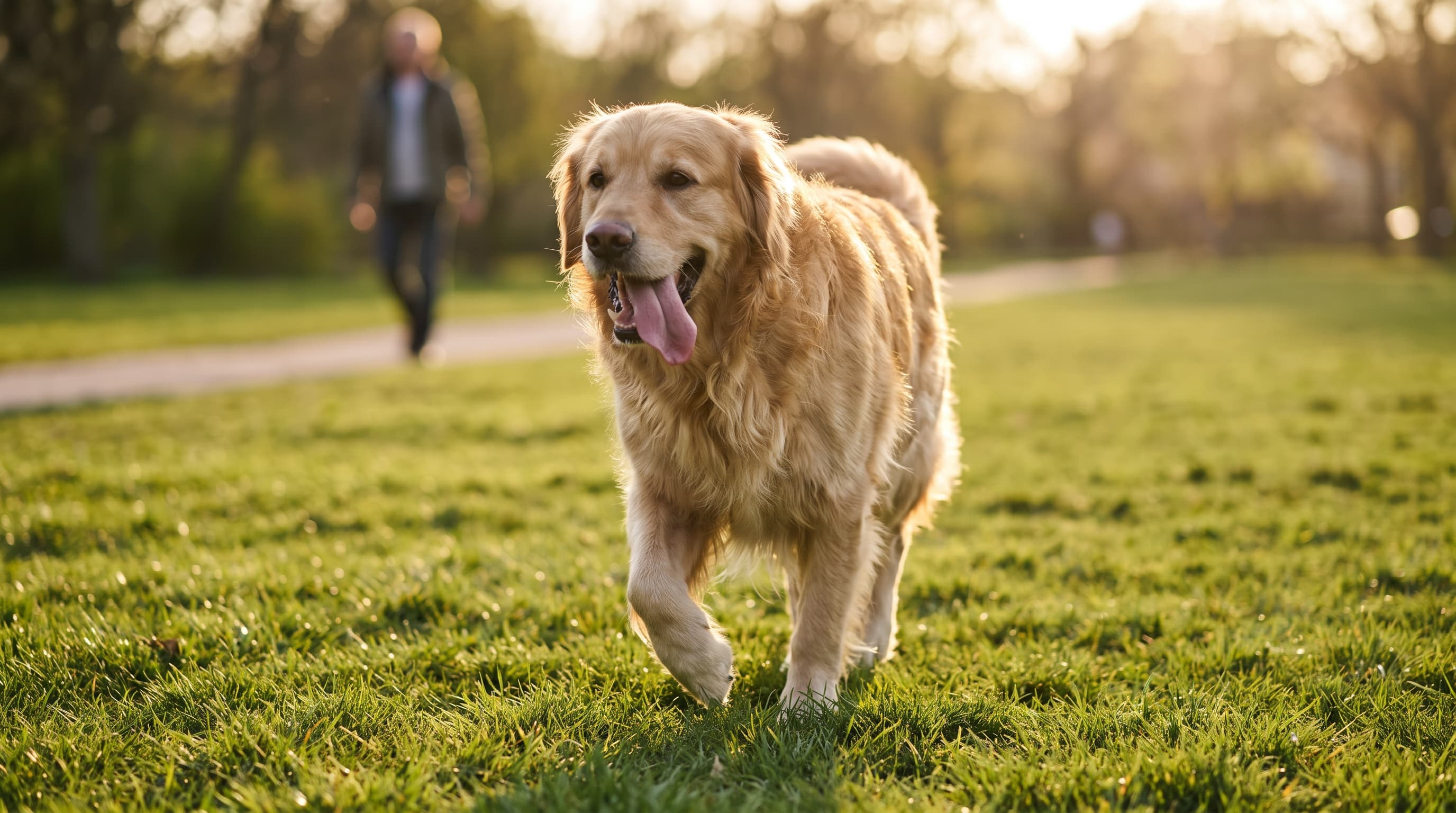
A 12-to-15-year lifespan puts the Siberian Husky ahead of many similarly sized dogs. As a general rule, smaller dogs tend to outlive larger ones, and the husky's medium build works in its favor. For comparison, you can see how the breed stacks up against our guides to how long golden retrievers live and the typical pit bull lifespan. Giant breeds such as Great Danes often live only 7 to 10 years, which highlights just how well huskies tend to age for an athletic working dog.
Signs of Aging: When Is a Husky a Senior?
Most huskies begin showing signs of aging between about 7 and 10 years old, and they are generally considered seniors around age 7 to 9. Aging looks different for every dog, but common changes include:
- Slowing down, stiffness, or reluctance to jump and climb stairs
- Graying around the muzzle and face
- Cloudier eyes or reduced vision, especially at night
- Reduced hearing
- Changes in sleep, appetite, or weight
- Shifts in behavior or routine
Some behavior changes in older dogs are normal, while others can signal a medical issue worth investigating. If your senior husky seems different, our article on behavior changes in senior dogs is a helpful starting point, and any sudden change deserves a vet visit.
Frequently Asked Questions About Husky Lifespan
Do huskies live longer than other breeds?
Huskies live longer than many medium-to-large breeds. Their 12-to-15-year average beats the typical lifespan of most giant breeds and holds up well against comparably sized dogs. Small breeds, however, often live longer still, sometimes into their late teens.
What is the oldest husky ever recorded?
There is no single verified world record for the oldest husky, but well-cared-for huskies occasionally reach 15 to 16 years, and anecdotal reports describe a few living even longer. These outliers usually share the same traits: good genetics, a lean body, and attentive lifelong care.
At what age is a husky considered a senior?
Huskies are generally considered seniors around 7 to 9 years of age, and many start showing subtle signs of aging between 7 and 10. This is a good time to shift to twice-yearly vet checkups and to reassess diet and exercise.
Do male or female huskies live longer?
Differences between the sexes are small and not consistent across studies. In dogs generally, spaying and neutering and overall preventive care tend to influence longevity far more than sex alone. Your vet can advise on what is best for your individual dog.
What do most huskies die from?
Older huskies most often face age-related conditions such as cancer, organ decline, and complications from arthritis or other chronic illness, similar to many breeds. Accidents and heat-related emergencies are also risks for this energetic, escape-prone breed, which is why safe management matters. Only your veterinarian can assess your dog's specific health.
Can a husky live to 15 or older?
Yes. Fifteen is within the normal upper range for the breed, and some huskies live beyond it. Reaching that age typically comes down to good genetics combined with consistent weight management, exercise, dental care, and veterinary attention.
A Note From Sidewalk Dog: Care, Not Diagnosis
This article is for general educational purposes only and is not a substitute for professional veterinary advice, diagnosis, or treatment. Every husky is an individual, and lifespan figures are averages rather than promises. If you have any concerns about your dog's health, weight, mobility, eyes, or behavior, please consult your veterinarian, who can examine your dog and recommend the right plan. When in doubt, book a checkup. The best way to help your husky enjoy a long, happy life is a strong partnership with your vet plus the everyday care that keeps this remarkable Arctic breed thriving.