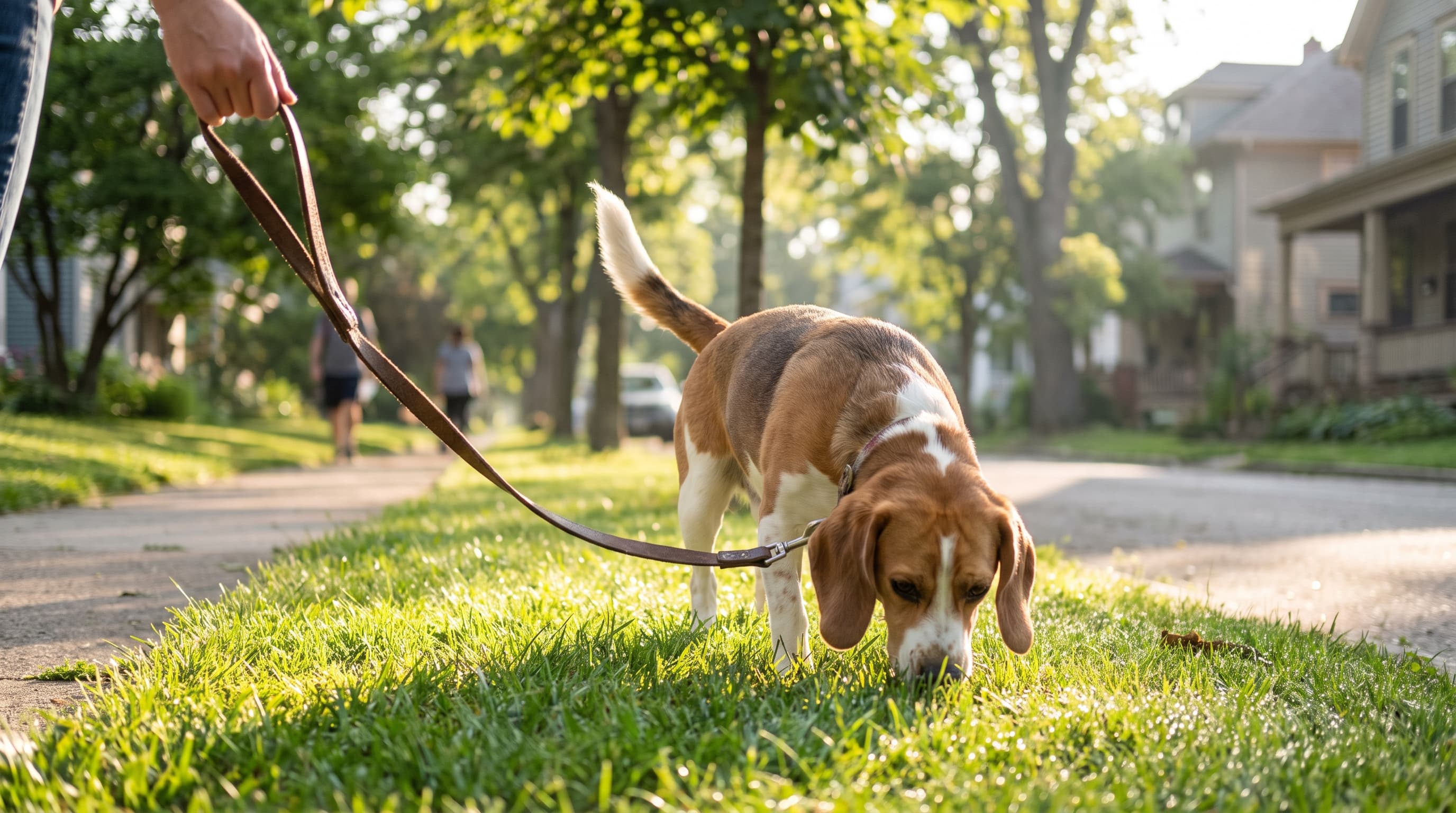

Most healthy dogs can go 24 to 48 hours without pooping without cause for alarm, and a normal dog poops one to three times a day. Once your dog passes 48 to 72 hours with no bowel movement, or strains and seems uncomfortable, it is time to call your veterinarian to rule out constipation or a blockage.
How Long Is Too Long?
There is a range of normal. Veterinary guidance from Dr. Buzby's ToeGrips notes that healthy dogs without underlying conditions can typically go 48 hours (and sometimes a bit longer) without pooping and be fine. The general rule of thumb most vets use looks like this:
- Under 24 hours: usually normal, especially after a diet change, travel, or a skipped meal.
- 24 to 48 hours: still within many dogs' normal range, but worth watching closely.
- 48 to 72 hours: a red flag. Contact your vet, particularly if your dog is straining or off their food.
- Over 72 hours: treat as urgent and seek veterinary care.
The American Kennel Club warns that going more than 48 hours risks obstipation, a severe form of constipation where dried, compacted stool obstructs the colon and prevents defecation altogether. That is why the 48-to-72-hour window is the point to involve a professional rather than wait it out.
What Counts as Normal Pooping?
Frequency varies with age, diet, and activity. Puppies often poop more often, sometimes after every meal, while some healthy adult dogs go just once a day. What matters most is your dog's personal baseline and consistency. A well-formed, moist, log-shaped stool is the goal; hard, dry, pebble-like stools are an early sign your dog may be heading toward constipation. Keeping a loose mental note of your dog's usual schedule makes it much easier to notice when something is off.
Common Causes of Constipation in Dogs
Many things can slow a dog's digestive system. According to PetMD and VCA Hospitals, frequent culprits include:
- Dehydration or not drinking enough water.
- Too little or too much dietary fiber.
- Lack of exercise, which keeps the gut moving.
- Swallowed foreign material such as bones, hair, grass, toys, or fabric.
- Age-related slowing in senior dogs.
- Stress or changes in routine and environment.
- Underlying medical issues, including enlarged prostate, anal gland problems, orthopedic pain that makes squatting hard, or side effects of certain medications.
Because the causes range from trivial to serious, a dog that is truly not passing stool needs a vet's eyes rather than at-home guesswork.
Warning Signs That It Is Time to Call the Vet
The clock is only part of the picture; your dog's behavior matters just as much. Contact your veterinarian if you notice:
- Straining, circling, or crying while trying to poop.
- Small, hard, dry stools or scooting.
- Loss of appetite, vomiting, or a bloated, tender belly.
- Lethargy or general signs of discomfort.
- Blood or mucus around the anus.
Straining can also be confused with a urinary blockage or diarrhea, both of which are emergencies. Note that hard, dry stool is different from the loose stool covered in our guide to puppy diarrhea; if you are unsure what you are seeing, describe it to your vet.
How Vets and Owners Support Healthy Digestion
Prevention leans heavily on hydration, fiber, and movement. PetMD notes that fiber can help some cases of constipation but worsen others, which is exactly why you should ask your vet before changing your dog's diet rather than experimenting on your own. General, supportive habits that keep things regular include:
- Making sure fresh water is always available and encouraging drinking.
- Providing daily exercise to stimulate normal gut motility.
- Feeding a consistent, complete diet and avoiding sudden switches; our overview of probiotics, prebiotics, and fiber explains how gut health fits in.
- Choosing gentle options like our roundup of the best dog treats for sensitive stomachs if your dog is prone to tummy trouble.
- Discussing whether your dog would benefit from probiotics with your veterinarian.
Important: never give human laxatives, mineral oil, enemas, or any medication to your dog without explicit veterinary direction. Some human remedies are toxic to dogs, and the wrong approach can turn a mild problem into an emergency. This article does not provide dosing or treatment; those decisions belong to your vet.
Puppies, Adults, and Seniors: Age Changes the Answer
How long a dog can comfortably go without pooping shifts across their life. Puppies have fast metabolisms and small digestive systems, so they typically poop more often, frequently shortly after eating, and going a full day without a bowel movement is more likely to be notable in a young pup. Healthy adult dogs settle into a steadier rhythm, often one to three times daily. Senior dogs commonly slow down: reduced activity, weaker abdominal muscles, and age-related changes can make constipation more frequent, so older dogs deserve closer attention and a lower threshold for calling the vet.
How Diet and Routine Affect Bowel Movements
What goes in shapes what comes out. Sudden food changes, low water intake, and too little fiber are among the most common everyday reasons a dog's schedule stalls. Travel, boarding, a new home, or even a change in walk timing can also throw off a dog's routine, since many dogs are creatures of habit about where and when they go. Bones and non-food items are a particular hazard: swallowed bone fragments can create hard, chalky stool or even a blockage. When you adjust your dog's diet, do it gradually over several days, keep fresh water available, and maintain consistent exercise. If your dog has a sensitive system, our roundup of the best dog treats for sensitive stomachs and our overview of gut-supporting fiber and probiotics are useful starting points to discuss with your vet.
What to Expect at the Vet Visit
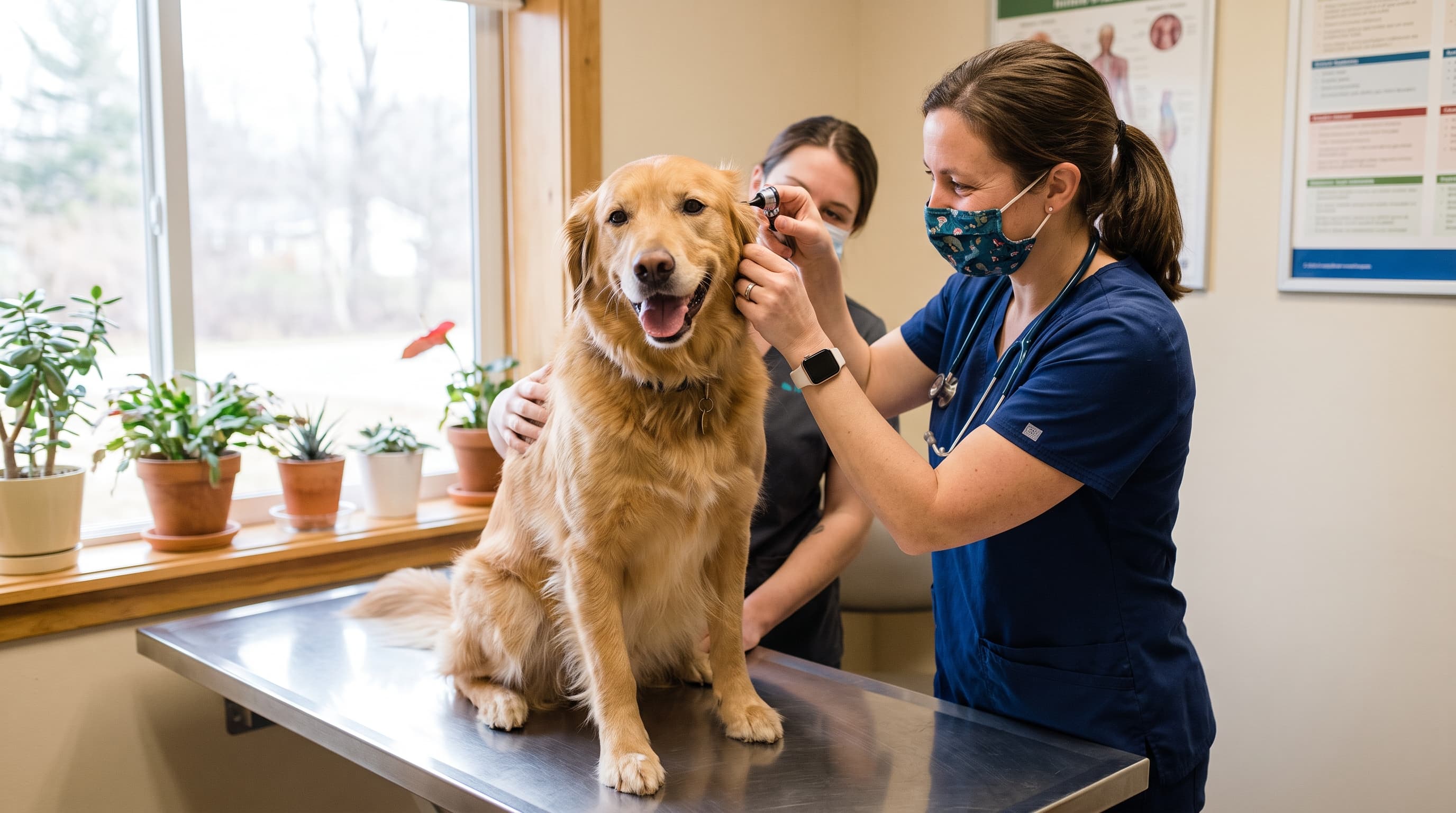
If constipation warrants a check-up, knowing what happens can ease the stress. A veterinarian will typically ask about your dog's diet, water intake, medications, and when they last pooped, then perform a physical exam that may include feeling the abdomen and, sometimes, a rectal exam. Depending on findings, they might recommend hydration support, imaging such as X-rays to look for blockages, bloodwork, or a vet-prescribed treatment plan. The takeaway: constipation has many causes, from a simple dehydration hiccup to a serious obstruction, and a professional is the right person to tell them apart. Bringing a photo of recent stool and a rough timeline of your dog's schedule can genuinely help your vet.
Simple Habits That Keep Things Regular
Most healthy dogs stay on schedule with a few steady routines. Consistent meal times help train a predictable bowel rhythm, since eating naturally stimulates the urge to go. Regular walks do double duty, providing both the exercise that keeps the gut moving and the outdoor cues many dogs associate with pooping. Keep water bowls clean and topped up, especially in hot weather or after activity, because hydration is one of the biggest levers on stool consistency. Finally, watch what your dog picks up on walks; nibbling sticks, rocks, or trash is a common hidden cause of digestive trouble. None of these habits replace veterinary care when a real problem appears, but together they prevent many everyday slowdowns before they start.
Frequently Asked Questions
How long can a dog go without pooping before it is dangerous?
Most healthy dogs can safely go 24 to 48 hours. Beyond 48 to 72 hours, or sooner if your dog is straining or uncomfortable, contact your veterinarian, as the risk of obstipation and blockage rises.
My dog hasn't pooped in 2 days but is acting normal. Should I worry?
Two days is at the edge of normal for some dogs, but it is a good time to watch closely and call your vet for advice, especially if you notice straining, reduced appetite, or hard stools.
How often should a dog poop each day?
One to three times a day is typical, though the healthy range varies by dog, age, and diet. Consistency with your dog's own baseline matters more than a specific number.
What can I safely give a constipated dog at home?
Ensure constant access to water and gentle exercise, and ask your vet before adding anything to the diet. Fiber helps some dogs and harms others, so professional guidance is important. Never use human laxatives or enemas.
Can constipation in dogs become an emergency?
Yes. Prolonged constipation can progress to obstipation or signal a blockage. Repeated straining, vomiting, a painful belly, or lethargy calls for immediate veterinary care.
When to See Your Veterinarian
This article is for general educational purposes only and is not a substitute for professional veterinary advice, diagnosis, or treatment. If your dog has gone more than 48 to 72 hours without a bowel movement, is straining or crying, has lost their appetite, is vomiting, or seems painful or lethargic, contact your veterinarian right away. Do not give any medication or home remedy without your vet's guidance. When you are unsure, it is always safest to call your veterinary clinic. Curious why dogs do the opposite and eat what they find? See our piece on why dogs eat poop.