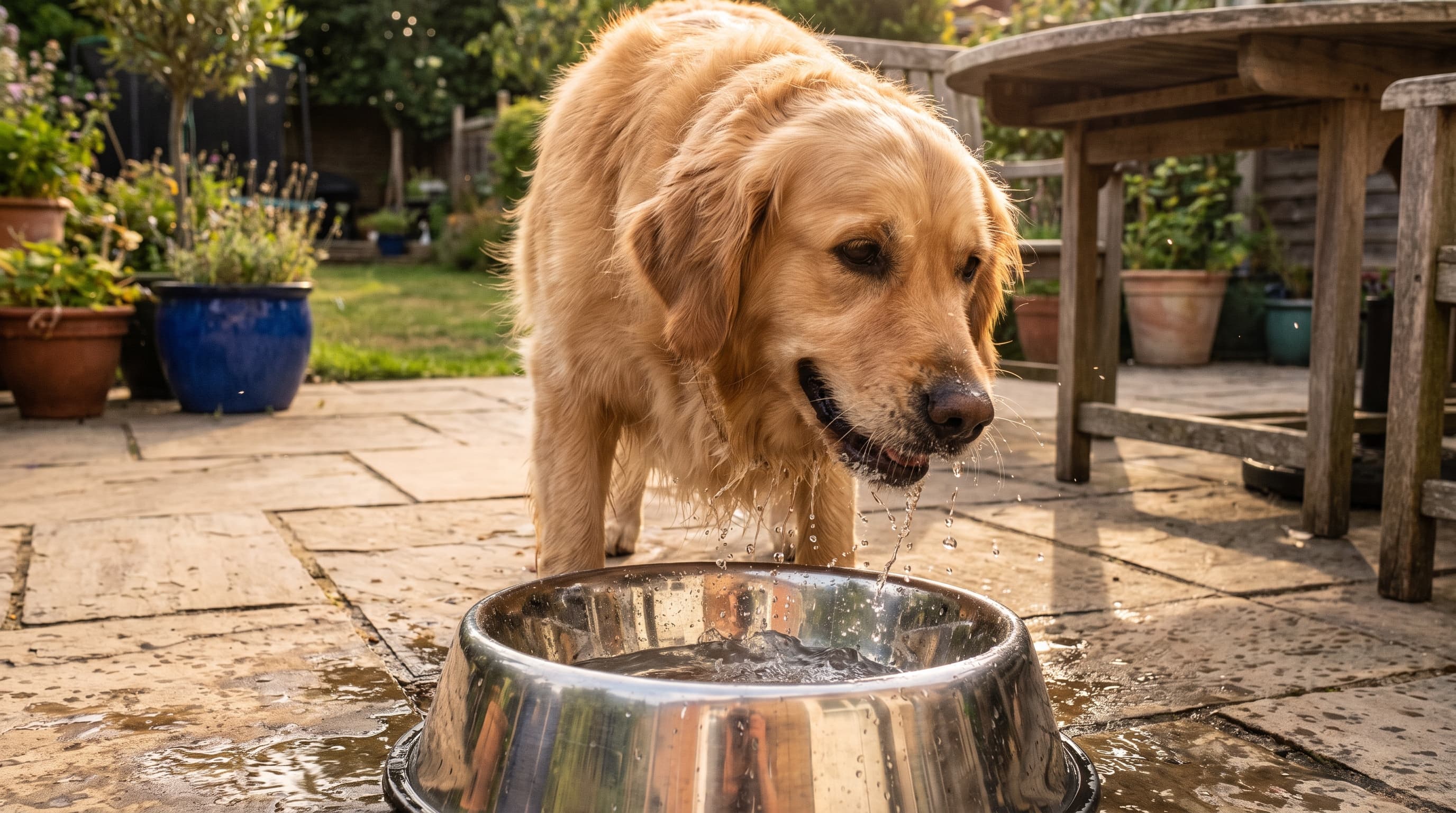

How Long Can Dogs Go Without Water? A Vet-Informed Guide
Most dogs can survive about 72 hours without water, but real trouble begins much sooner—noticeable dehydration can set in within the first 24 hours, and just 6–10 hours without water is the practical limit before a healthy dog starts feeling the effects. A dog going three to four days without water is a life-threatening emergency requiring immediate veterinary care.
It's a scary question, usually asked in a worried moment: your dog knocked over the bowl before a long day out, refused to drink on a road trip, or you simply forgot to refill. This guide breaks down the real timeline, the warning signs of dehydration, and exactly when a missed drink becomes an emergency—so you know how long can dogs go without water safely, and when to act.
The Real Timeline: Hours vs. Days
There's a difference between how long a dog can technically survive and how long is actually safe. According to Heart of Brooklyn Veterinary Hospital, under normal conditions a healthy dog can manage 6–10 hours without water without becoming dehydrated. Push past that and the margin narrows fast:
- 0–10 hours: A healthy adult dog is generally fine, assuming a comfortable temperature and normal activity.
- 10–24 hours: Mild dehydration begins; you may notice reduced energy and drier gums.
- 24–72 hours: Dehydration becomes significant and increasingly dangerous. Because water makes up over 70% of a dog's body weight, low hydration starts to impair blood flow and oxygen delivery to organs.
- 72+ hours (3–4 days): A true emergency. Severe dehydration at this stage can be fatal without prompt treatment.
The takeaway: never treat "dogs can last 72 hours" as permission to wait. That figure describes survival at the edge of a medical crisis, not a safe window.
What Affects How Long a Dog Can Go Without Water?
No two dogs have the same tolerance. Several factors shorten the safe window dramatically:
- Heat and humidity: A dog in a hot yard or car dehydrates far faster than one resting in air conditioning. Summer heat is a major accelerator—pair this with our tips on hot-weather pet care.
- Activity level: Running, hiking, and play burn through hydration quickly through panting and drooling.
- Age: Puppies and senior dogs have thinner margins and dehydrate sooner than healthy adults.
- Size: Small dogs have less body reserve, so they decline faster than large breeds.
- Health status: Illness—especially anything causing vomiting, diarrhea, or increased urination—speeds fluid loss. Conditions like kidney disease raise the stakes considerably.
On a hot day or during hard exercise, that comfortable 6–10 hour cushion can shrink to a fraction of the time.
How Much Water Should a Dog Drink Daily?
Knowing normal intake helps you spot a problem. The widely cited veterinary rule of thumb, per the American Kennel Club, is roughly one ounce of water per pound of body weight per day. That means:
- A 20-pound dog needs about 20 ounces (roughly 2.5 cups) daily.
- A 60-pound dog needs about 60 ounces (roughly 7.5 cups) daily.
These are ballpark figures. Dogs eating wet food get extra moisture and may drink less, while hot weather and exercise push needs higher. Making water easy to reach helps too—some owners find an elevated bowl encourages steady drinking. Keep in mind that excessive thirst matters as well: the AKC notes that drinking far more than usual—a condition called polydipsia—can signal problems like diabetes or kidney disease and deserves a vet visit.
Warning Signs of Dehydration in Dogs
Because dogs can't tell us they're thirsty, learning the physical signs is essential. According to PetMD and the AKC, watch for:
- Loss of skin elasticity — the classic "skin tent" test (see below).
- Dry, sticky, or tacky gums and thick, stringy saliva.
- Sunken or dull-looking eyes.
- Lethargy, weakness, and reduced energy.
- Dry nose and excessive panting.
- Loss of appetite, sometimes with vomiting.
The At-Home Skin Tent Test
Gently lift the loose skin between your dog's shoulder blades and let it go. In a well-hydrated dog, it springs back instantly. If it settles slowly or stays "tented," that suggests dehydration. It's a useful quick check—but it's a prompt to call your vet, not a diagnosis on its own.
Why Won't My Dog Drink? Common Causes
Sometimes water is available and a dog still won't drink. PetMD lists several reasons, including dental pain, nausea or an upset stomach, arthritis making the bowl hard to reach, stress or anxiety, a dirty bowl, or an underlying illness. A dog eating lots of canned food may also simply need less from the bowl. Any sustained, unexplained drop in drinking—especially alongside lethargy, vomiting, or dry gums—warrants a call to your veterinarian.
How Dehydration Progresses: Mild to Severe
Dehydration isn't all-or-nothing—it worsens in stages, and catching it early makes treatment far simpler:
- Mild: Slightly tacky gums and a faint delay in the skin-tent test. Your dog is still alert and drinking. Offering water and rest often turns things around.
- Moderate: Clearly sticky gums, a noticeable skin tent, sunken-looking eyes, and lethargy. This needs prompt veterinary attention.
- Severe: Marked weakness or collapse, very dry gums, rapid heartbeat, and possible shock. This is an emergency—head to a clinic immediately.
The reason speed matters is physiological: with less fluid in circulation, the heart works harder and organs receive less oxygen. Prolonged severe dehydration can lead to kidney strain and other complications, which is why vets often treat it with IV or under-the-skin fluids rather than relying on drinking alone.
Special Situations: Travel, Crates, and Sick Days
A few everyday scenarios deserve extra attention. On road trips or flights, pack a collapsible bowl and offer water at every stop; travel stress and warm vehicles speed fluid loss. During crate training or overnight crating, a healthy adult can go a normal night's sleep without water, but never crate a dog for extended daytime hours without access to it. On sick days—especially with vomiting or diarrhea—dogs lose fluids fast and can slip into dehydration within hours, so loop in your vet early. And in hot weather, always pair water with shade; review our heatstroke guide and, for senior dogs whose thirst cues may fade, our advice on kidney health.
What to Do If Your Dog Is Dehydrated
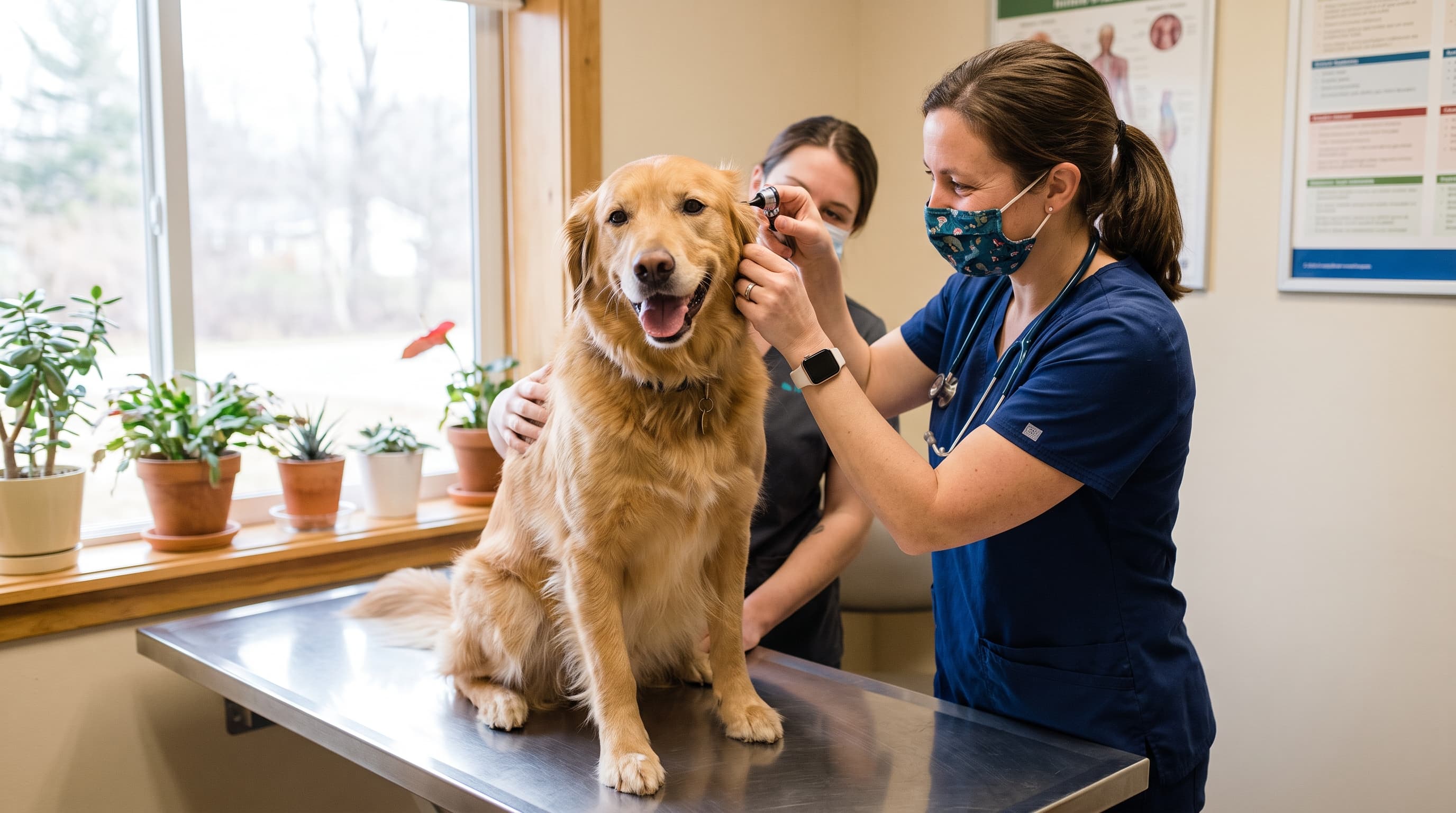
If you notice warning signs, offer small amounts of fresh, cool water frequently rather than letting your dog gulp a huge bowl at once, which can cause vomiting. Move to a cool, shaded spot and remove any heat stress—our guide to recognizing heatstroke covers overlapping emergencies. Then contact your vet. For moderate to severe dehydration, or if your dog can't keep water down, professional care with IV or subcutaneous fluids may be needed—that's a decision for your veterinarian. Never force water into your dog's mouth, and never restrict water to manage house-training or other issues, which can be dangerous.
Frequently Asked Questions
How long can a puppy go without water?
Less time than an adult. Puppies have small bodies and little reserve, so they dehydrate faster and should have near-constant access to water. If a puppy goes several hours without drinking or shows any dehydration signs, contact your vet promptly.
Can a dog go overnight without water?
A healthy adult dog can usually manage 6–10 hours overnight in a cool home without harm, which covers a normal night's sleep. That said, most vets recommend leaving fresh water available at all times. Never withhold water overnight as a house-training shortcut.
Is it an emergency if my dog won't drink water?
It can be. A short refusal in an otherwise happy, active dog may resolve on its own, but refusal combined with lethargy, vomiting, dry gums, or that goes beyond a day should be treated as urgent. When in doubt, call your veterinarian.
How do I get a sick dog to drink more water?
Try offering fresh, cool water in a clean bowl, adding ice cubes, or flavoring water with a splash of low-sodium broth. Wet food adds moisture too. If your dog still won't drink or seems unwell, don't rely on home tricks—see your vet, as refusing water can point to an underlying problem.
How long can a dog go without water in hot weather?
Much less than the 6–10 hour baseline. Heat and humidity accelerate fluid loss dramatically, so a dog outdoors on a hot day may become dehydrated in just a couple of hours. In summer, ensure constant access to shade and water and watch closely for warning signs.
The Bottom Line
Healthy dogs can technically survive up to about 72 hours without water, but that number describes a medical emergency, not a safe limit. Realistically, keep the window under 6–10 hours, provide constant access to fresh water, and know the signs of dehydration. When something seems off, act early—your dog's hydration can decline quickly.
Veterinary disclaimer: This article is for general informational purposes only and is not a substitute for professional veterinary advice, diagnosis, or treatment. If you believe your dog is dehydrated or has gone a dangerous length of time without water, contact your veterinarian or an emergency clinic immediately. Always consult your veterinarian about your individual dog's health and hydration needs.