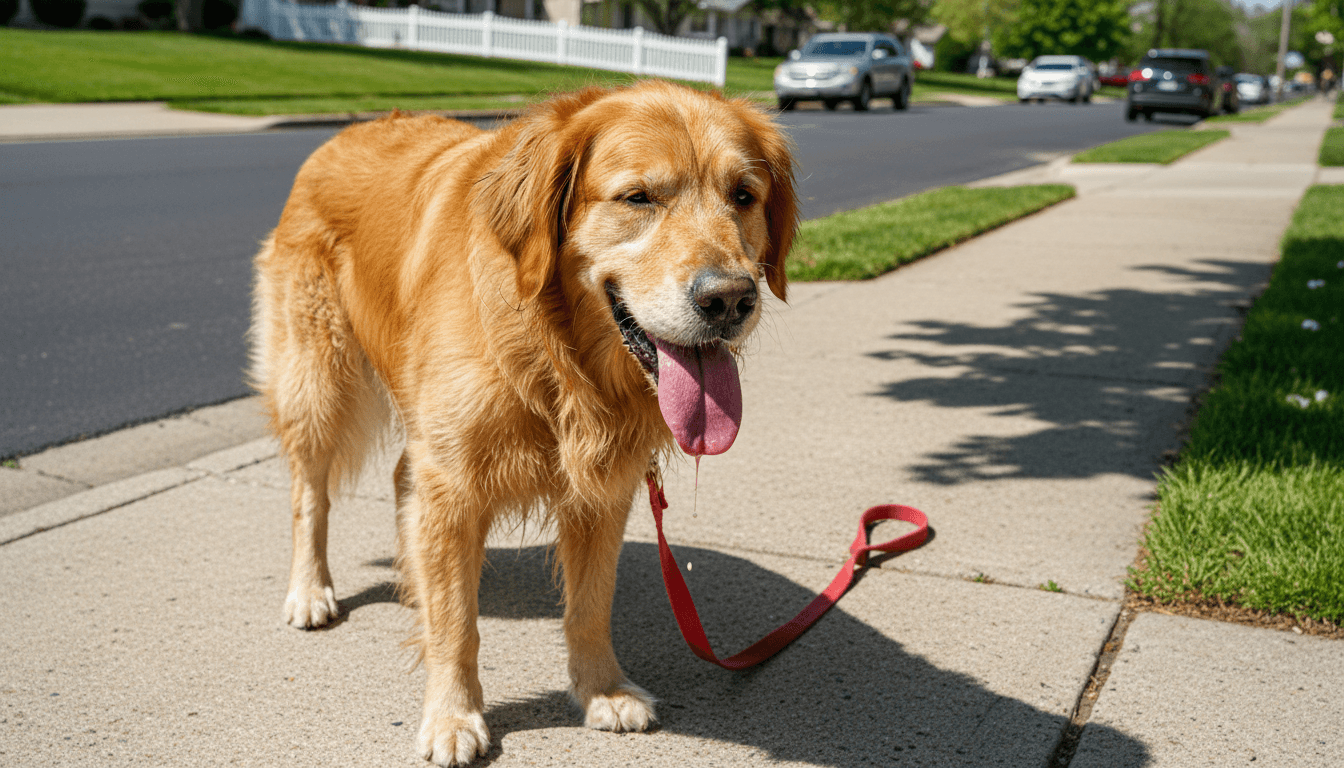

Every spring, the same warning makes the rounds: never leave your dog in a parked car. It's good advice. Hot vehicles can climb past 100°F in twenty minutes, and the stories that follow are heartbreaking. But there's a quieter, much larger problem hiding behind the headlines — and it's costing far more dogs their lives.
According to a landmark VetCompass study from the Royal Veterinary College, three out of four canine heatstroke cases trace back to exercise — usually a walk, a run, or a game of fetch — not a hot car. Hot vehicles, in fact, account for just 5% of cases. As warm-weather season ramps up across the country — alongside other seasonal hazards like the return of foxtail grass awns — it's a number every dog owner should know before lacing up the leash. For a deeper dive, check out Watch Dexter the Wonder Dog Walk Like a Human.
The Statistic That Should Change How You Plan a Walk
The original VetCompass research, published in the journal Animals, reviewed the de-identified records of more than 905,000 UK dogs and zeroed in on 1,222 confirmed heatstroke events. When researchers categorized what triggered each one, the breakdown wasn't even close.
- Exercise or exertion: 74%
- Hot environment alone: 13%
- Hot vehicles: 5%
- Other / unknown: 8%
"Taking a dog for a walk or a run in hot weather can be just as deadly," said veterinary surgeon Emily Hall of Nottingham Trent University, who co-authored the study. "Consider skipping walks altogether during heatwaves."
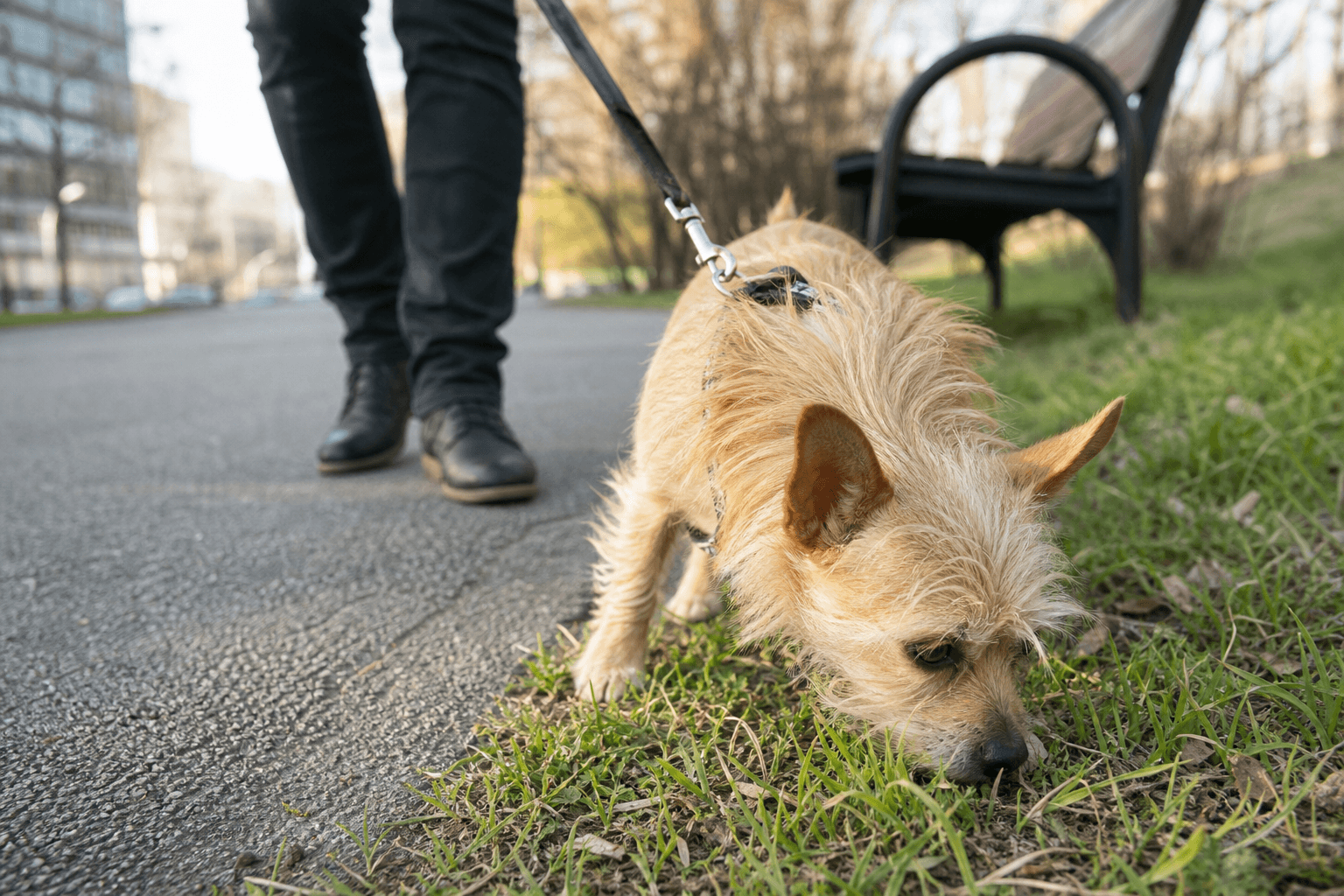
That advice cuts against years of conventional wisdom. Most owners have been trained to think of heatstroke as something that happens in a parked Subaru with the windows cracked. The reality is more uncomfortable: it's most likely to happen on the same shaded suburban sidewalk you walk every evening, on the day the temperature pushes into the upper 70s and you don't realize it.
Newer Data Confirms the Pattern — and Adds a Warning
A follow-up RVC analysis of 167,751 emergency veterinary visits during the 2022 UK heatwaves tells the same story with sharper teeth. Of the 384 heatstroke cases identified that year, exercise was the trigger in 51% of cases and ambient heat in 31%. Hot vehicles accounted for 12%.
The mortality rate that year was staggering: more than one in four dogs who developed heatstroke (26.6%) died as a result. And nearly 60% of all annual cases occurred during just 40 days of officially declared heatwave.
The takeaway is something the public-health world is only starting to acknowledge: when human heat-health alerts go out, they're predictive of dog emergencies, too. The RVC team found roughly five times as many heatstroke cases per day during alert periods compared with normal summer days. If the news is telling you to check on elderly relatives, your dog is in the same risk pool.
Why Exercise Is So Much More Dangerous Than We Think
Dogs cool themselves almost entirely by panting. They don't sweat the way humans do; the small amount of sweating that happens through their paw pads is essentially decorative. When a dog runs or hikes in the heat, their core temperature rises with effort while their primary cooling system — air moving across the moist surfaces of the mouth and tongue — works less efficiently in already-warm air.
That's why a "mild" 80°F afternoon can be deadly. The dog feels willing. The pavement is hot. The owner is fine. And the body's margin for error has already shrunk.
Brachycephalic, or flat-faced, breeds — French Bulldogs, English Bulldogs, Pugs, Boxers, Boston Terriers, Pekingese — are dramatically worse off. Earlier VetCompass work found French Bulldogs are six times more likely than Labradors to develop heatstroke, and that flat-faced breeds, on the whole, are roughly four times more likely to be affected. Their compressed airways mean that the very act of trying to cool down can generate as much heat as it dissipates. For a Frenchie on a 78°F day, a leisurely stroll can become a medical emergency in fifteen minutes.
Other high-risk groups documented in the research include Chow Chows, Newfoundlands, Greyhounds, Cavalier King Charles Spaniels, Staffordshire Bull Terriers, and English Springer Spaniels. Male dogs and dogs aged 4–6 and 8–10 also showed elevated risk in the 2022 dataset.
What Heatstroke Actually Looks Like
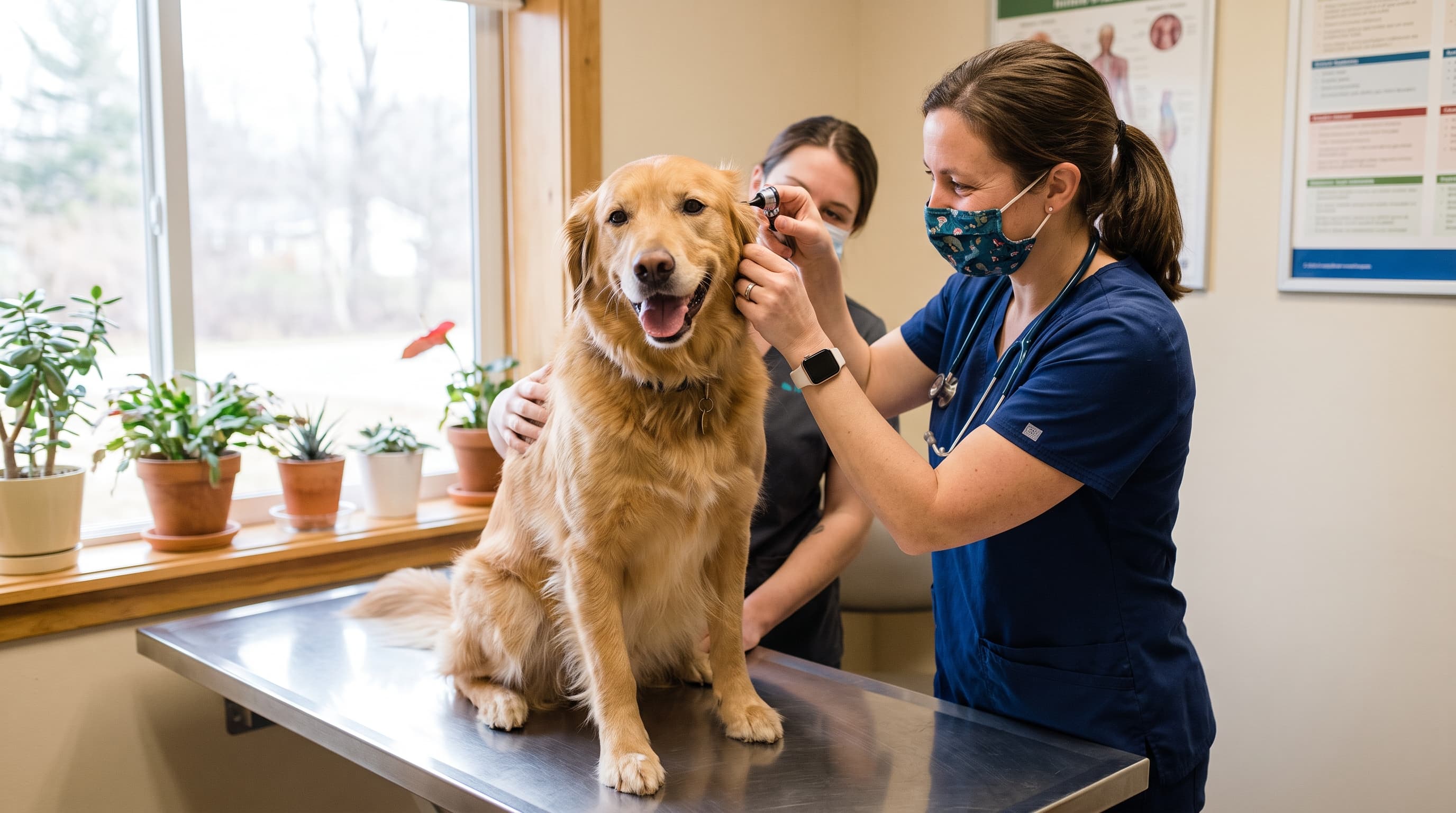
Caught early, heatstroke is survivable. Caught late, it isn't. Dr. Louise Murray, director of medicine at the ASPCA's Bergh Memorial Animal Hospital, has urged owners to memorize the symptoms: "excessive panting or difficulty breathing, increased heart and respiratory rate, drooling, mild weakness, seizures, and an elevated body temperature of over 104 degrees."
The AVMA's warm-weather pet safety guidance adds that anxiousness, restlessness, unsteady movements, and abnormally pale, brick-red, or purple gums are emergency signs. Collapse means you are out of time — get to an emergency vet immediately, cooling the dog with tepid (not ice-cold) water on the way.
How to Walk a Dog in the Heat — Without Becoming a Statistic
The fix isn't no walks. It's smarter ones. A few rules of thumb pulled from the research and from veterinary heatstroke educators at Hot Dogs UK, the public-facing arm of the VetCompass team:
- Walk before sunrise or after sunset. Even a 65°F morning can climb to a dangerous 85°F by midmorning. The cooler the start, the better.
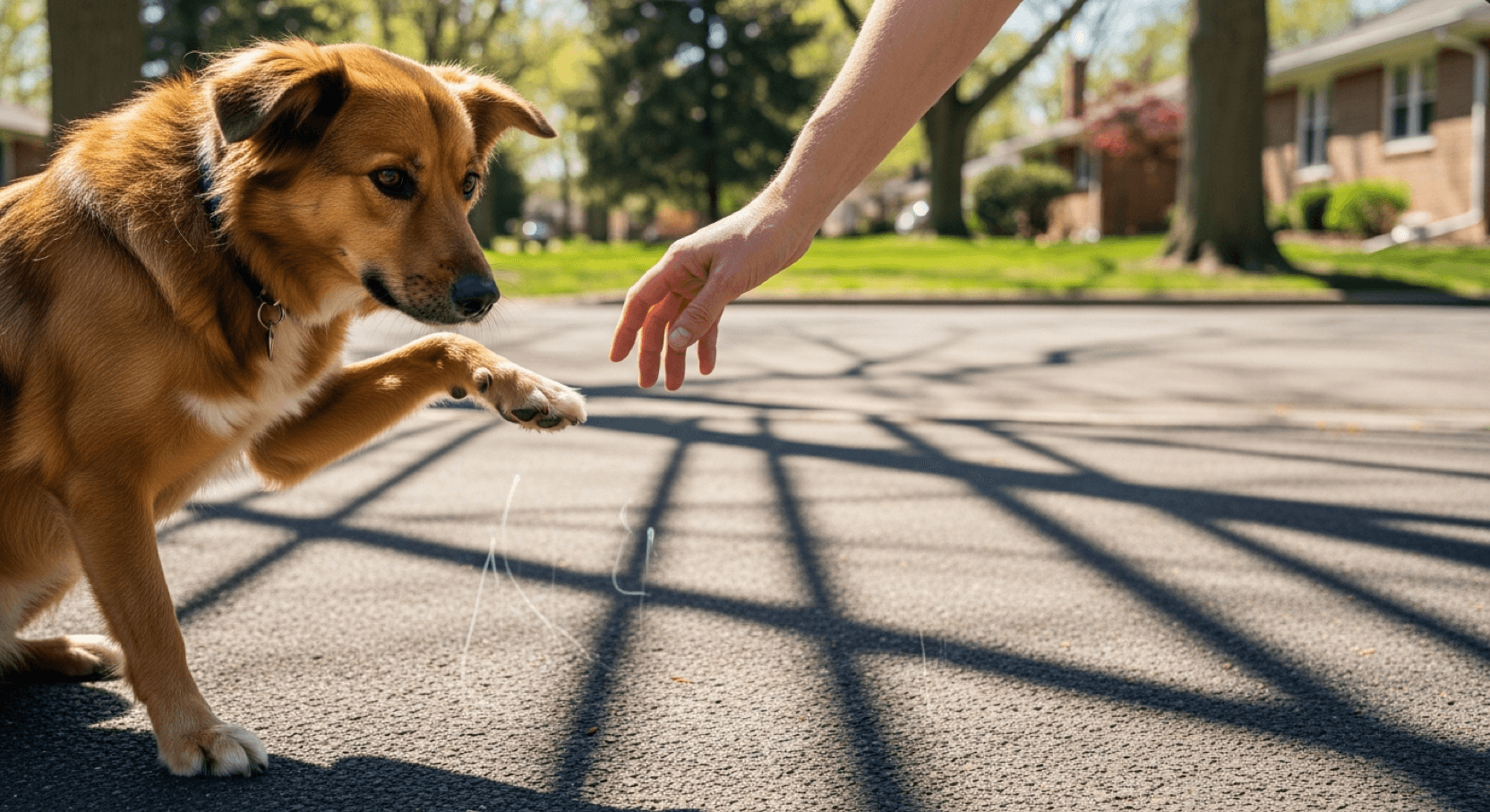
- Use the seven-second pavement test. Press the back of your hand to the asphalt for seven seconds. If you can't hold it there, your dog can't walk on it. Asphalt can reach 140°F when the air is only 87°F.
- Skip the walk on heat-alert days. If the local forecast triggers a heat advisory for humans, the day is too risky for any dog and almost certainly fatal for a brachycephalic one. Mental enrichment indoors — snuffle mats, puzzle feeders, training games, or even a DIY indoor treadmill setup — beats a walk you don't take.
- Carry water. Use it. Stop every ten minutes in warm weather and offer a drink. Wet the dog's belly, paws, and ears if you have spare water — those are the spots that cool fastest.
- Watch the dog, not the thermometer. Heavy panting that doesn't slow down with rest, glassy eyes, or a sudden refusal to keep walking are not stubbornness. They are warning signs.
- Know your breed's ceiling. Brachycephalic, double-coated, senior, overweight, and very young dogs all have shorter heat fuses. A border collie that handled last year's August fine is not the same dog at age 11.
The Public Message Hasn't Caught Up
Hot-car warnings will continue, and they should — those deaths are entirely preventable. But the messaging gap is real. Owners are vigilant about a 5% problem and casual about a 74% one. As Sian Beard of the RVC put it, heatstroke is "often a preventable condition" — but only if owners recognize the activities that actually cause it.
The AVMA's 2026 awareness theme — "Happiness is a Healthy Pet" — is a useful nudge: this is the year to retire the assumption that the leash is automatically safer than the parking lot. With most of the country heading into a long, warm stretch — and the National Weather Service issuing heat advisories across the South — it's worth rethinking what a "normal" walk looks like between now and October.
Your dog cannot ask to go home. They will keep walking with you long past the point their body wants to stop. The kindest thing you can do, on the days the air feels even slightly thick, is decide for them.
Frequently Asked Questions
What temperature is too hot to walk a dog?
There is no single threshold, but most veterinarians treat anything above 77–80°F (25–27°C) as the start of the risk zone for healthy adult dogs, and 70°F as the upper edge of safety for brachycephalic breeds like French Bulldogs and Pugs. The VetCompass study found dogs developed heatstroke on days that felt mild to their owners. When in doubt, do the seven-second pavement test and watch the dog's panting rate, not the thermometer.
Is it safe to walk my dog in 80°F weather?
For a fit, healthy, non-brachycephalic dog, a slow shaded walk under 80°F is usually fine — but only with water available, short duration, and no asphalt. For brachycephalic, double-coated, senior, overweight, or very young dogs, 80°F is high-risk and a walk should be replaced with indoor enrichment. Remember that air temperature underestimates surface and radiant heat; a 78°F afternoon can mean 130°F+ asphalt.
How can I tell if my dog has heatstroke?
Early signs include heavy or rapid panting that doesn't slow down with rest, excessive drooling, bright red or pale gums, glassy eyes, unsteady walking, and refusal to keep moving. Body temperature above 104°F is a veterinary emergency. Late-stage signs — vomiting, seizures, collapse — mean you are minutes from organ damage. Do not wait to "see if it passes."
What should I do if my dog gets heatstroke?
Get the dog to shade or an air-conditioned space immediately, then begin active cooling with tepid (not ice-cold) water poured over the belly, paws, and ears while you drive to an emergency vet. Don't fully submerge the dog — extreme cold can cause peripheral blood vessels to constrict and trap heat in the core. Call ahead so the clinic is ready when you arrive. Even a dog that seems to recover needs to be checked: kidney and organ damage can show up hours later.
Which dog breeds are most at risk for heatstroke?
Brachycephalic (flat-faced) breeds are the highest-risk group by a wide margin: French Bulldogs, English Bulldogs, Pugs, Boxers, Boston Terriers, and Pekingese. Royal Veterinary College data shows French Bulldogs are roughly six times more likely than Labradors to develop heatstroke. Other elevated-risk breeds include Chow Chows, Newfoundlands, Greyhounds, Cavalier King Charles Spaniels, Staffordshire Bull Terriers, and English Springer Spaniels. Senior dogs (8+) and overweight dogs of any breed are also more vulnerable.
For more on warm-weather dog safety, including paw-pad protection, hydration tactics, and breed-specific risk profiles, browse our Sidewalk Dog articles archive — or sign up for our weekly newsletter so the next "is it safe to walk today?" question shows up in your inbox before you head out the door.