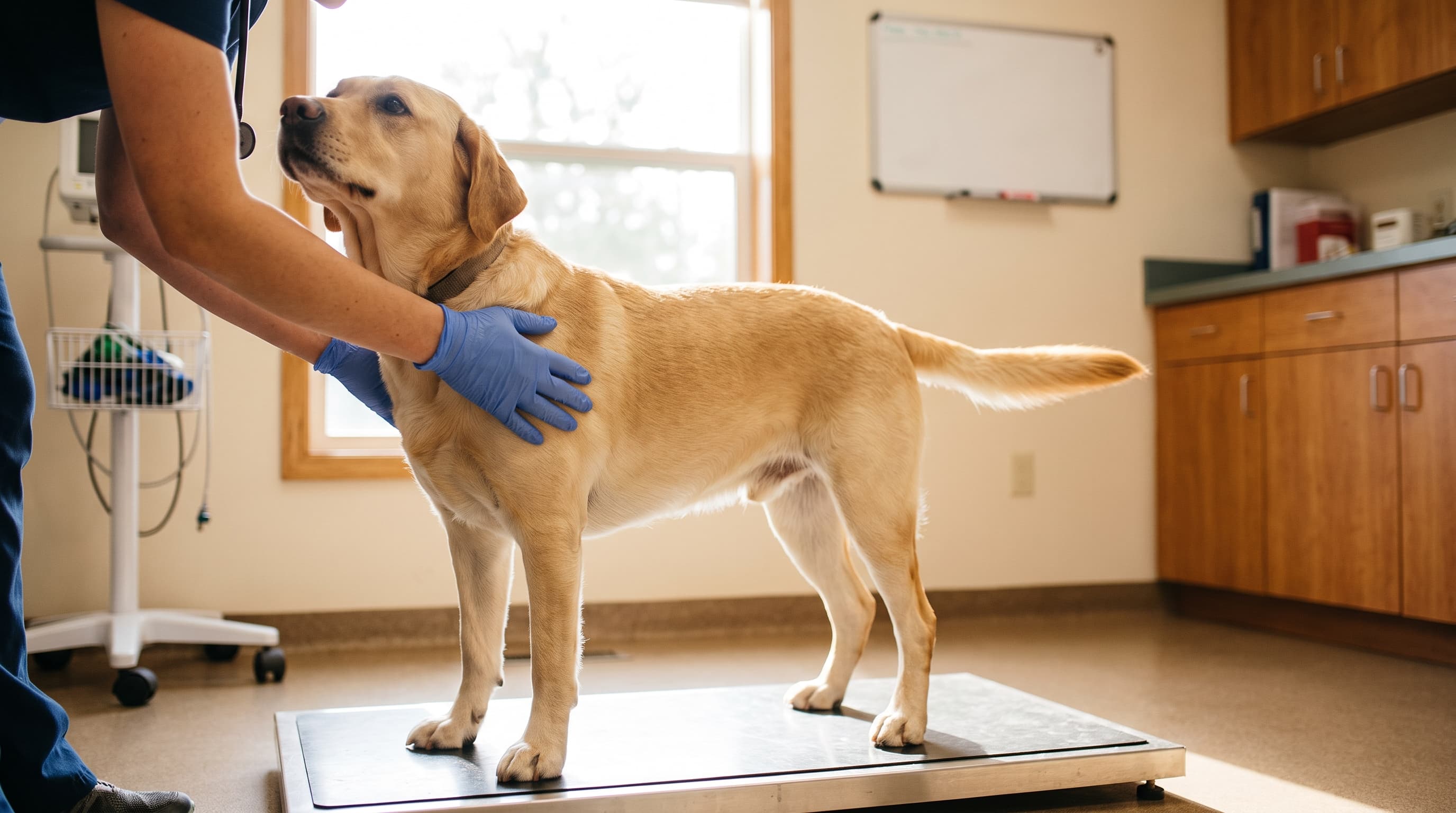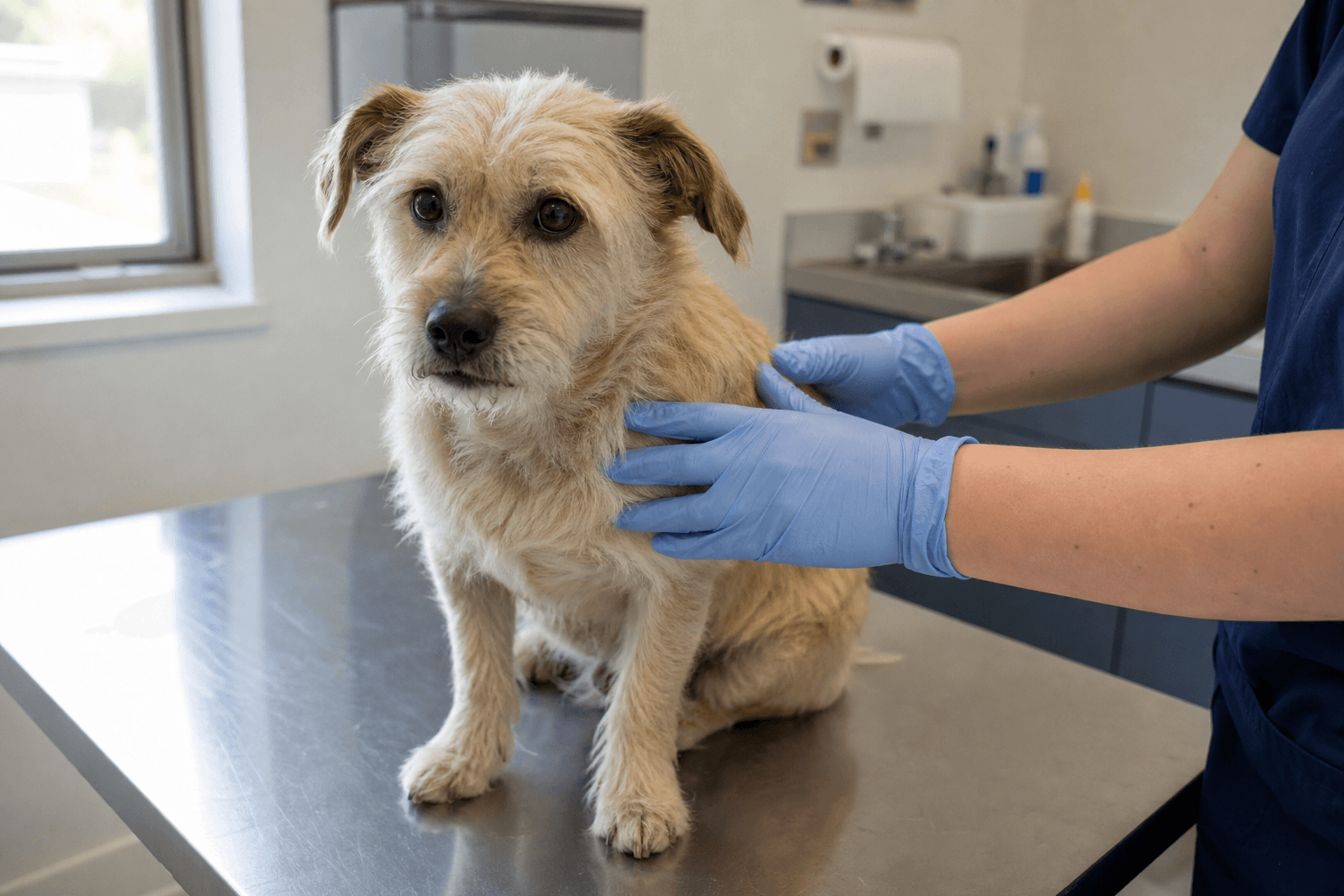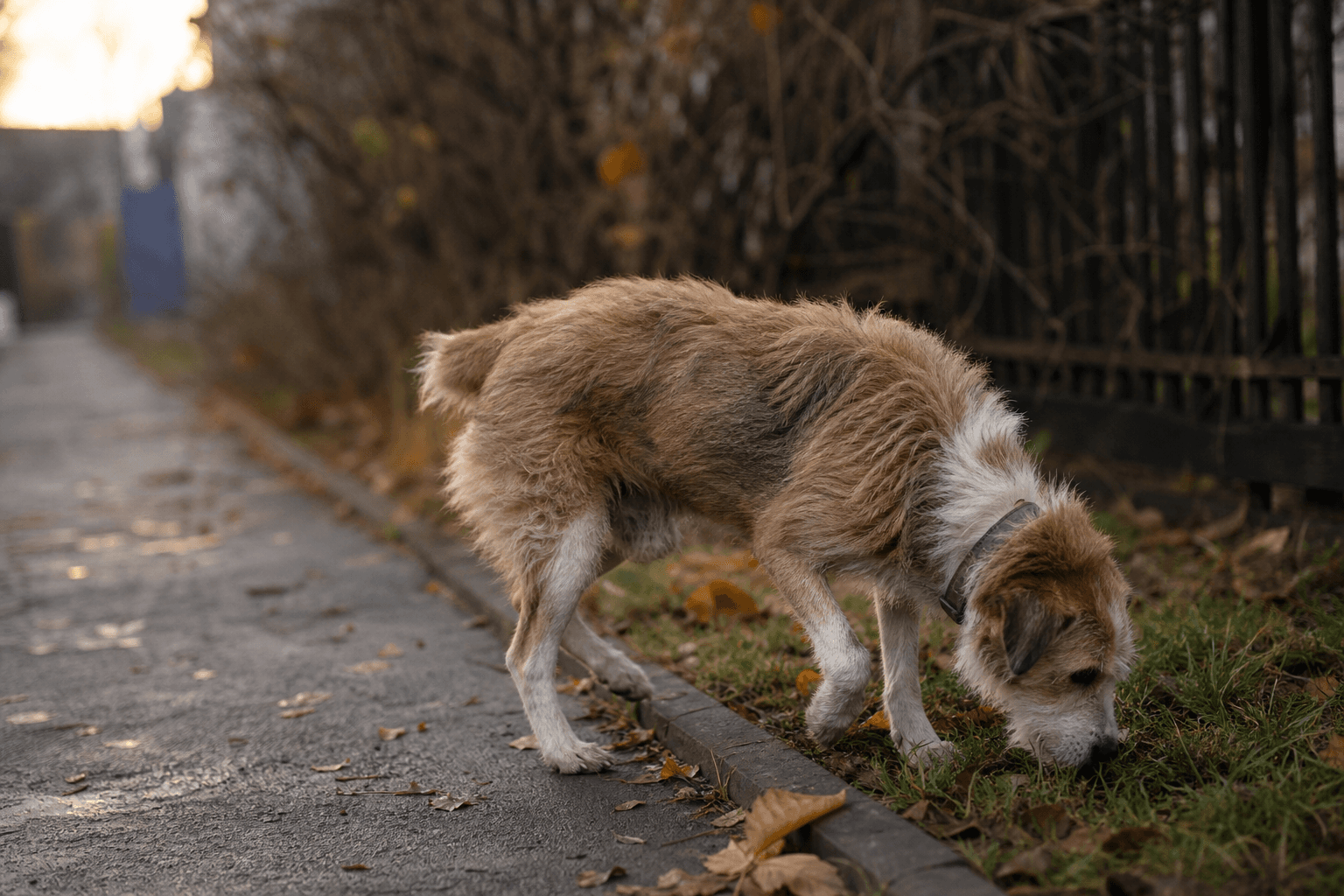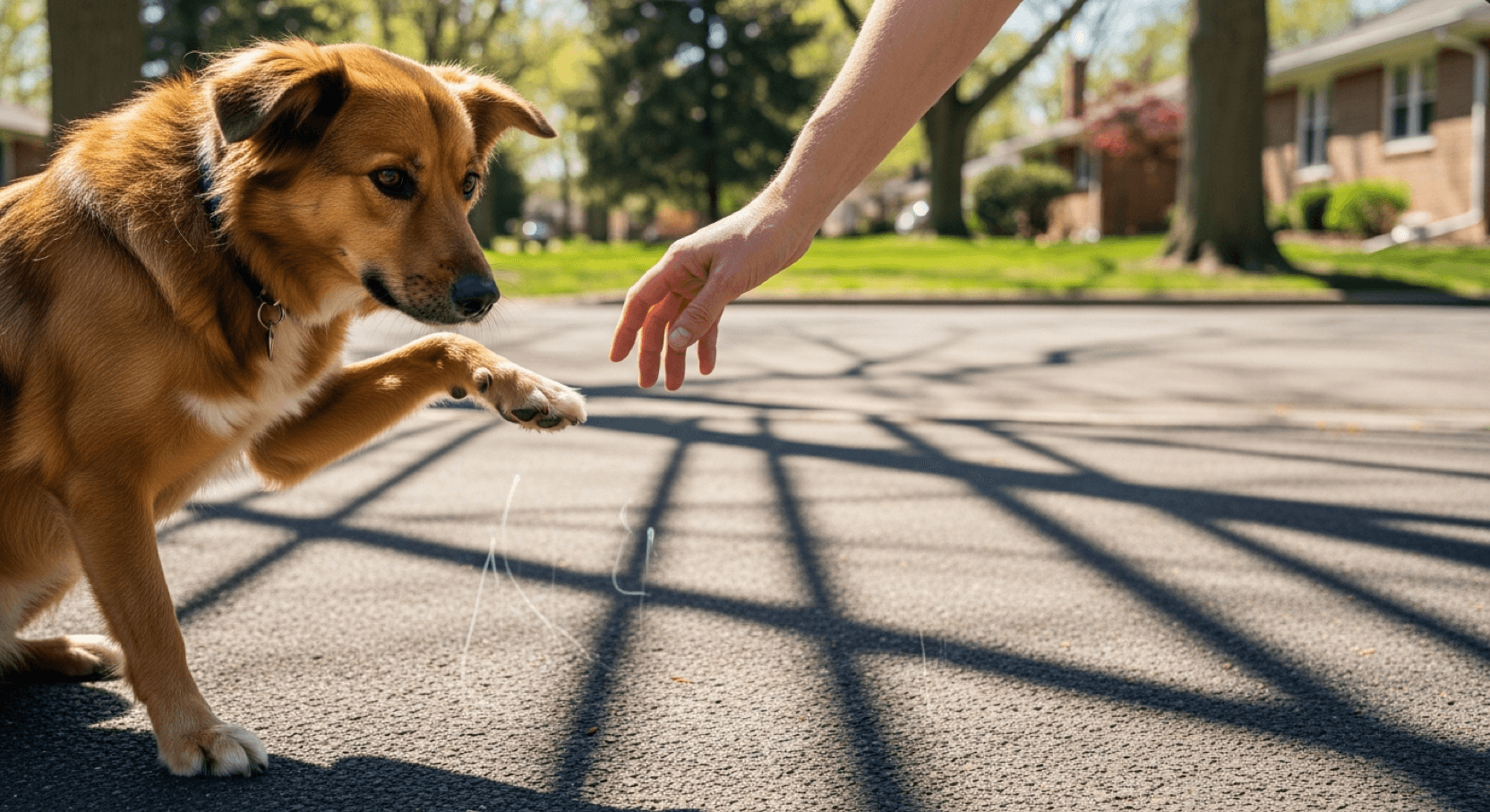

Memorial Day weekend just dragged the first real heat of the year across most of the country, and your dog's paws know it before you do. By the time you notice the air feels uncomfortably warm on a bare arm, the sidewalk in front of your house has already crossed into burn territory. Asphalt absorbs roughly 88% of incoming sunlight and reradiates the rest as heat, so the surface your dog stands on can run 20 to 30 degrees Celsius — roughly 35 to 55 degrees Fahrenheit — hotter than the air temperature your weather app shows you.
That math is finally getting an upgrade. In May 2026, two free websites — Pawmometer and Paw Safety Check — started pulling live local weather and turning it into a real-time pavement-temperature read built specifically for dog owners. Both estimate when your sidewalk will burn your dog's paws, and both are free.
Asphalt Gets Way Hotter Than the Air
The gap between air temperature and ground temperature is the whole problem. According to the American Kennel Club, when the air sits at 86°F, asphalt in direct sun can reach 135°F. Push the air to 95°F and the surface routinely tops 150°F. Paw pads are sensitive but tough — they're not invincible. Veterinary professionals warn that dog paws can burn in as little as 60 seconds on pavement above 120°F, and faster than that once the surface crosses 140°F.
The damage is not just blistering. Hot pavement also transfers heat upward into your dog's body, accelerating heatstroke risk on top of the burn. Pet-insurance claims data shows the seasonal pattern clearly: Trupanion's claims database has tracked hyperthermia-related claims running nearly 300% higher across June, July, and August than the rest of the year, with claims peaking in July and burnt paw pad claims spiking alongside them.
The Old Standby: The Seven-Second Hand Test
The fastest field check is still the back of your hand. Press it flat against the sidewalk for seven to ten seconds. If you have to pull it away early, it is too hot for your dog. Dr. Jerry Klein, the AKC's chief veterinarian, frames it simply: "If it's too hot for your hand, it's too hot for your dog's paws." Cornell's Riney Canine Health Center uses the same ten-second version — same idea, slightly more conservative.
The catch is that the hand test only works once you are already standing on the pavement with your dog. It does not help you decide whether to leash up in the first place, and it cannot tell you whether the asphalt three blocks away — where there is no shade — will be a different story than your front step.
The New Tools: Pawmometer and Paw Safety Check
That is the gap the two new sites are trying to close. Pawmometer pulls real-time weather and uses published surface-heat research to estimate temperatures for asphalt, concrete, grass, turf, sand, and dirt. It ranks them from safest to most dangerous, so you can choose your route before you put the harness on.
Paw Safety Check runs an energy-balance model that factors in air temperature, wind speed, humidity, cloud cover, and direct and diffuse solar radiation. It returns an instant safety rating plus a seven-day dog-walking forecast — useful if you are planning weekend exercise or trying to figure out when in the day the morning walking window closes.
Neither tool replaces the hand test, and both are careful to say so. They are a planning layer: a check before you commit to a route, especially for owners walking on dark asphalt in cities where shade comes and goes block by block. Bookmark one on your phone and you have a 30-second decision point before you step out the door.
How to Spot a Burned Paw
If you get caught, the signs show up fast. Watch for limping, lifting one paw repeatedly, suddenly refusing to walk, or persistent licking or chewing of the pads after a walk. The pads themselves may appear red, dark, or visibly blistered, and in severe burns the outer layer can slough off entirely. Any of those signs warrants getting your dog off the heat immediately and into a cool space — soaking the paws in cool (not cold) water for several minutes helps, but a burn you can see is a burn that needs a vet.
Untreated paw burns are not a small problem. They get infected easily because dogs lick the area, and the pads carry your dog's full weight every time they stand. Catching it early is the entire game.
The Dogs Most at Risk
Some dogs hit the danger zone earlier than others. Brachycephalic breeds — Pugs, Bulldogs, Boston Terriers, Boxers, French Bulldogs — already struggle to cool themselves through panting, so any added heat load from hot pavement compounds quickly. Puppies have softer, less-conditioned pads. Senior dogs and overweight dogs heat up faster across the board. Dogs with black or thick coats absorb sunlight from above while their paws cook from below. Short-legged breeds walk closer to the radiating surface, picking up a bigger dose of reflected heat than a tall dog on the same sidewalk.
None of this means those dogs cannot go outside in summer. It does mean their daily walking window is narrower, and a 5 p.m. "it is not that hot out" check is a worse idea for a Frenchie than for a Husky.
When You Cannot Walk, Try These Instead
If the pavement is locked out for the afternoon, the next best moves are timing, surface, and gear. Walk in the first two hours after sunrise or the last hour before sunset — air temperature drops, but more importantly so does the radiant load from asphalt that has been baking all day. Pick grass, dirt, and shaded routes over open sidewalks; lighter surfaces stay 20 to 30 degrees cooler than dark asphalt under the same sun. Dog booties or paw wax are worth the effort if your dog tolerates them. Indoor enrichment — sniff games, food puzzles, training reps — counts as exercise; a tired brain tires a dog out as effectively as a tired body.
For longer trips, our recent rundown of dog-first hotels and pet concierges covered which properties this summer are committing to climate-controlled walking routes and on-site shaded play yards, which matters far more by mid-June than a "pet fee waived" sign.
The Bottom Line
The hand test is still the simplest check and the most important one. But for the first time, dog owners have free real-time tools that pull local weather and translate it into the question that actually matters — is the ground hot enough to hurt my dog right now? Bookmark Pawmometer or Paw Safety Check on your phone, run the hand test before you step off the curb anyway, and walk early. Your dog only gets one set of paws.
For more on dog-friendly summer routines, gear that actually works, and venues that take dog comfort seriously, see our full article library.