
How Long Do Border Collies Live? Lifespan, Health & Longevity Tips
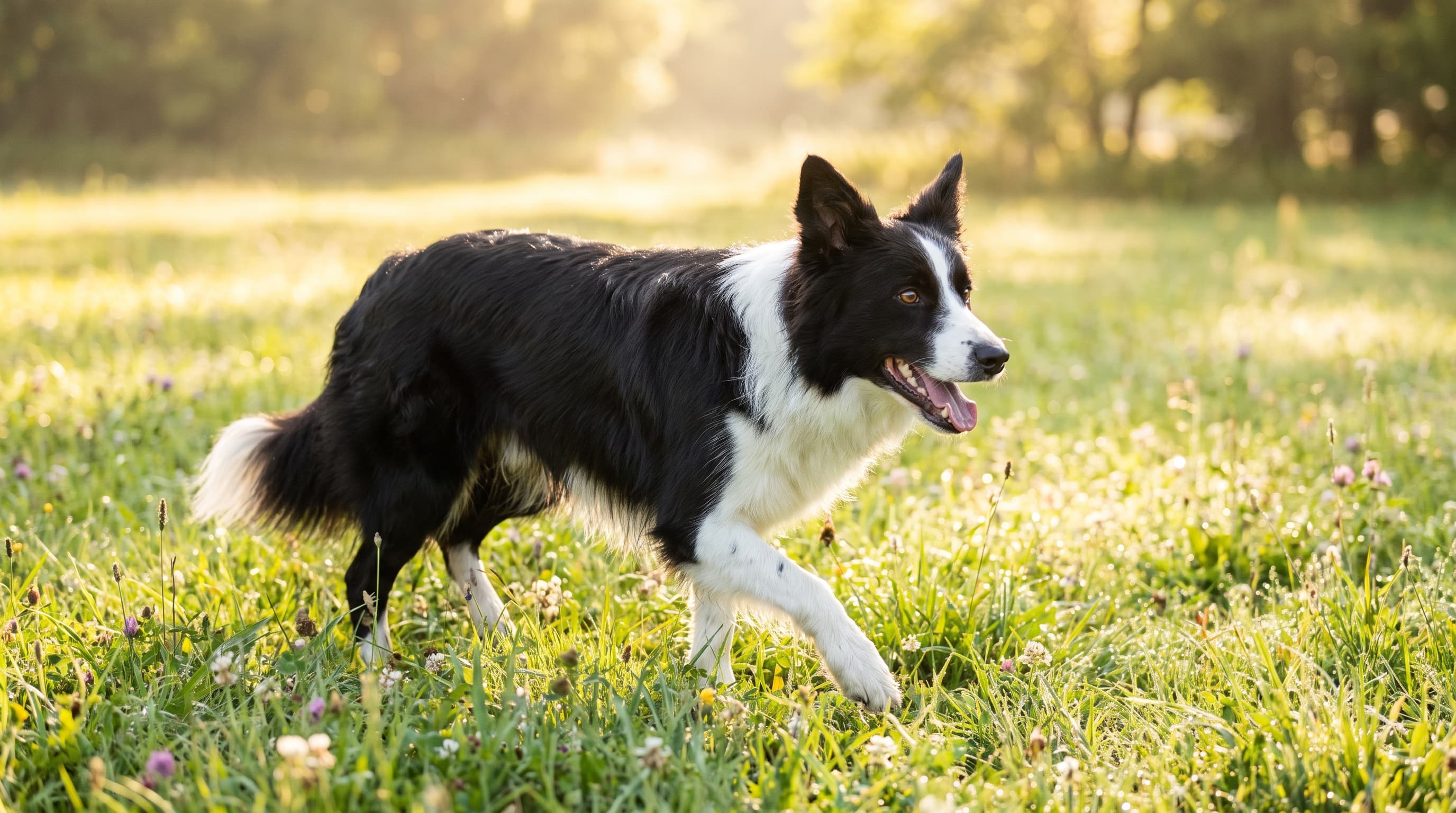
Border Collies typically live 12 to 15 years, a bit longer than many medium-to-large breeds thanks to their lean, athletic build. Individual lifespan depends heavily on genetics, diet, exercise, weight management, and preventive veterinary care. Well-cared-for Border Collies often reach 14 or 15, and a rare few pass 17. This guide covers the full picture, from averages to how to add healthy years.
Average Border Collie Lifespan and Range
Most reputable sources put the average Border Collie lifespan at 12 to 15 years. PetMD and WebMD both cite this 12–15 year window, while VCA Animal Hospitals gives a slightly more conservative 10–14 years. In practice, a healthy, well-bred Border Collie who stays lean and gets consistent veterinary care sits comfortably in the middle-to-upper end of that range.
For context, a large UK life-table study published in Scientific Reports found the overall life expectancy at birth for companion dogs was about 11.2 years across all breeds. Border Collies tend to beat that average because they are medium-sized rather than giant, and body size remains the single most reliable predictor of canine longevity: smaller and medium dogs generally outlive very large ones.
If you are weighing this breed against similar working dogs, our comparison of the Border Collie vs. Australian Shepherd breaks down how their care needs and longevity stack up.
What Affects How Long a Border Collie Lives?
No single factor determines lifespan. Instead, a handful of variables stack together over a dog's life:
- Genetics and breeding. Dogs from health-tested parents (hips, eyes, and DNA panels) start with a longevity advantage. Ask breeders for documentation.
- Body weight. Excess weight is one of the most preventable ways to shorten a dog's life. VCA notes Border Collies naturally stay lean, and keeping them that way protects joints and organs.
- Exercise and mental stimulation. This is a working breed that needs a job. Under-stimulated Border Collies can develop stress and destructive behaviors that hurt overall wellbeing.
- Diet quality. A complete, life-stage-appropriate diet supports healthy weight and organ function over time.
- Preventive veterinary care. Routine checkups catch problems early, when they are cheaper and more treatable.
- Dental health. Untreated dental disease is linked to shortened lifespan across breeds, so regular dental care matters more than most owners realize.
The Border Collie's famous drive is a double-edged sword. As the American Kennel Club puts it, this is a "remarkably bright workaholic" — a dog that thrives with purpose but struggles when left idle. Meeting those needs is part of longevity, not just behavior.
Common Health Problems That Can Shorten a Border Collie's Life
Border Collies are generally healthy, but the breed carries a few inherited and age-related conditions worth knowing. This is background awareness only — not a diagnostic checklist. Any specific concern belongs in front of your veterinarian.
Hip Dysplasia
A malformation of the hip joint that leads to pain and arthritis over time. Signs can include reluctance to jump, an altered gait, or hind-limb stiffness. Health-tested breeding parents lower the risk.
Epilepsy
Border Collies are more prone than many breeds to seizure disorders, which typically first appear between about six months and five years of age and are usually managed with veterinary care.
Collie Eye Anomaly (CEA)
An inherited eye condition that can range from mild to sight-threatening. It is often detectable in puppies, which is why annual eye exams and DNA testing of breeding stock are recommended.
MDR1 Drug Sensitivity
A genetic mutation that makes some Border Collies sensitive to certain common medications. A simple DNA test can flag it — important information to share with your vet before any treatment.
Other Conditions
Hypothyroidism, osteochondritis dissecans, and certain inherited disorders such as Trapped Neutrophil Syndrome also appear in the breed. As with most dogs, cancer becomes the leading cause of death in older Border Collies. Early detection through routine exams gives the best outcomes.
Not sure whether a symptom warrants a trip in? Our guide to the 12 signs your dog needs a vet visit can help you decide.
How to Help Your Border Collie Live Longer
You cannot rewrite your dog's genes, but you can meaningfully influence the years you do get. The highest-impact habits are also the simplest:
- Keep them lean. Feel for the ribs and check for a visible waist. Trimming even a little excess weight reduces strain on joints, heart, and metabolism.
- Feed a quality, age-appropriate diet. Match food to life stage and adjust portions as activity changes with age. See our tips on choosing the best food for your senior dog as your Collie ages.
- Exercise the body and the brain. Daily physical activity plus puzzle toys, training, herding games, or dog sports keep this breed physically and mentally sound.
- Stay on top of preventive care. Annual (or twice-yearly for seniors) wellness visits, vaccines, parasite prevention, and dental cleanings catch problems early.
- Prioritize dental hygiene. Brush teeth and schedule professional cleanings; dental disease is a quiet lifespan-shortener.
- Consider genetic screening. Knowing your dog's MDR1 and CEA status helps you and your vet make safer decisions.
None of these require heroic effort — consistency is what pays off over a decade-plus of companionship.
Oldest Border Collies and the Senior Years
While the breed averages 12 to 15 years, some Border Collies live notably longer. Several are reported to have reached 17 or more, and the breed features in longevity folklore — a UK Border Collie named Bramble was widely reported to have lived to around 25, an extraordinary and unofficial outlier well beyond the norm. Treat such stories as inspiration, not expectation.
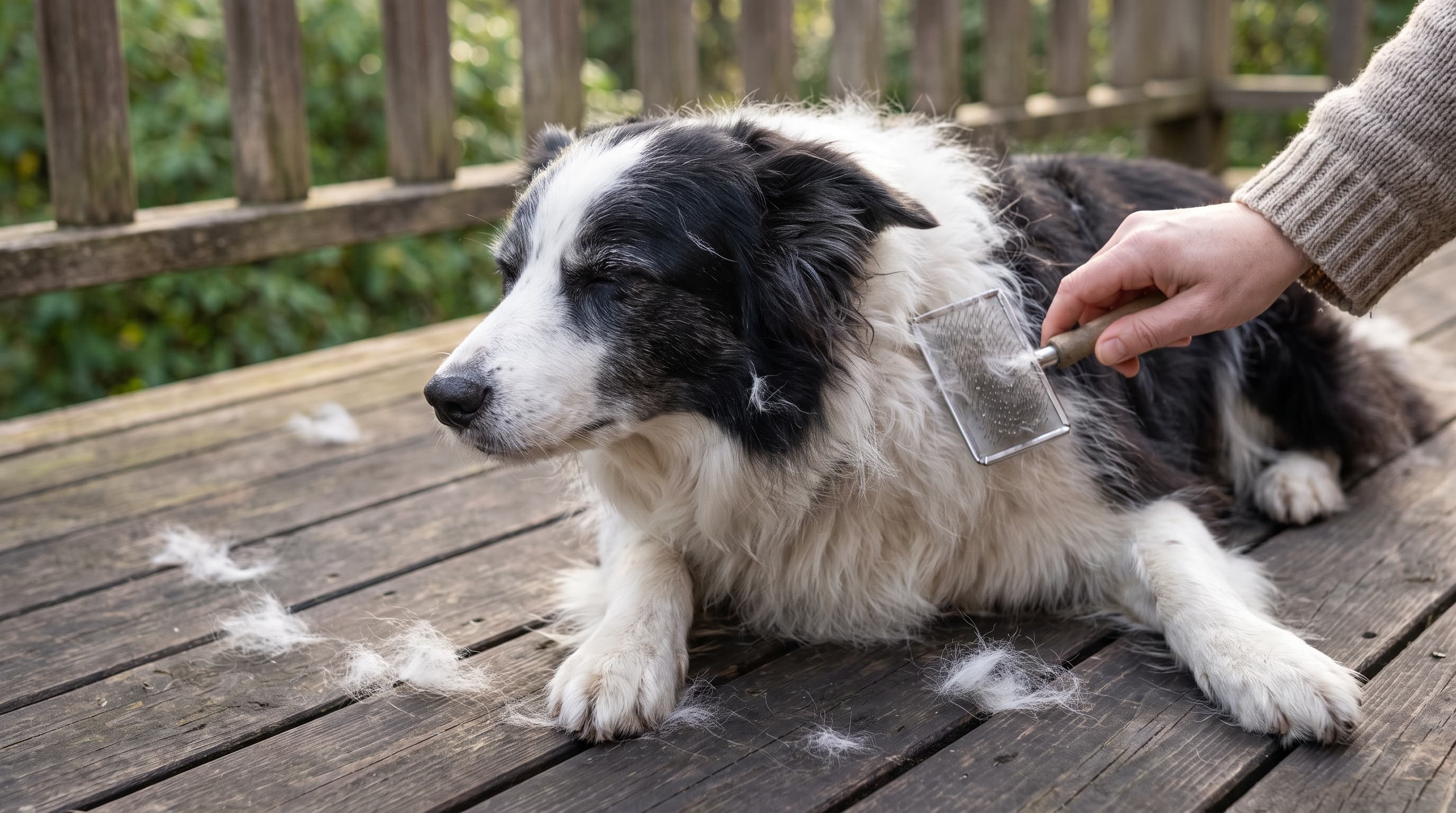
Most Border Collies are considered seniors around age 8 to 10. In these years you may notice a graying muzzle, slower recovery after activity, and gradual changes in vision, hearing, or joint comfort. This is the stage where preventive care and comfort adjustments matter most: softer bedding, maintained (but gentler) exercise, weight vigilance, and more frequent vet checks.
Senior Collies remain deeply bonded and trainable — older dogs have a lot of life left to enjoy. If you love the idea of giving an older dog a great chapter, read why you should adopt a senior dog and what to expect and consider building a senior dog bucket list to make those years count.
How Border Collie Lifespan Compares to Other Breeds
Because body size drives canine longevity, medium breeds like the Border Collie tend to land in a favorable spot — longer-lived than giant breeds, roughly comparable to other athletic mid-sized dogs. For comparison, see how long Golden Retrievers live and how long Huskies live. If longevity is a top priority in your next dog, our roundup of the Border Collie breed profile can help you decide whether this high-energy dog fits your lifestyle for the long haul.
Frequently Asked Questions
What is the average lifespan of a Border Collie?
Most sources cite an average of 12 to 15 years, with some references giving a slightly wider 10 to 17 year range depending on genetics, diet, weight, and veterinary care.
Do Border Collies live longer than other dogs?
As a lean, medium-sized breed, they tend to outlive very large and giant breeds and sit near or slightly above the all-breed average life expectancy of roughly 11 to 12 years.
What do most Border Collies die from?
As with many breeds, cancer is a leading cause of death in older Border Collies, along with age-related decline. Preventive care and early detection improve outcomes, so keep up with routine vet visits.
How can I help my Border Collie live longer?
Keep them at a healthy weight, feed a quality age-appropriate diet, provide daily physical and mental exercise, maintain dental care, and schedule regular preventive veterinary checkups.
At what age is a Border Collie considered a senior?
Most Border Collies enter their senior years around 8 to 10 years old, when you may notice graying, slower recovery, and gradual changes in joints, vision, or hearing.
What was the oldest Border Collie ever?
Reliable records are limited, but a UK Border Collie named Bramble was widely reported to have lived to about 25 years — a remarkable and unofficial outlier far beyond the typical 12 to 15 year range.
A Note From the Vet — and From Us
Veterinary disclaimer: This article is for general educational purposes only and is not a substitute for professional veterinary advice, diagnosis, or treatment. Every dog is an individual. If you have any concern about your Border Collie's health, weight, behavior, or a possible symptom, please consult your veterinarian, who can assess your specific dog and recommend the right care. Never start, stop, or adjust any medication without veterinary guidance.
With the right care, your Border Collie can be a brilliant, bright-eyed companion for well over a decade. Want more longevity and breed care tips like these? Subscribe to the Daily Wag newsletter for practical, vet-informed guidance delivered to your inbox — and explore our full Border Collie breed guide and Golden Retriever lifespan guide to keep learning.