
Full Grown Miniature Dachshund: Size, Weight, and What to Expect
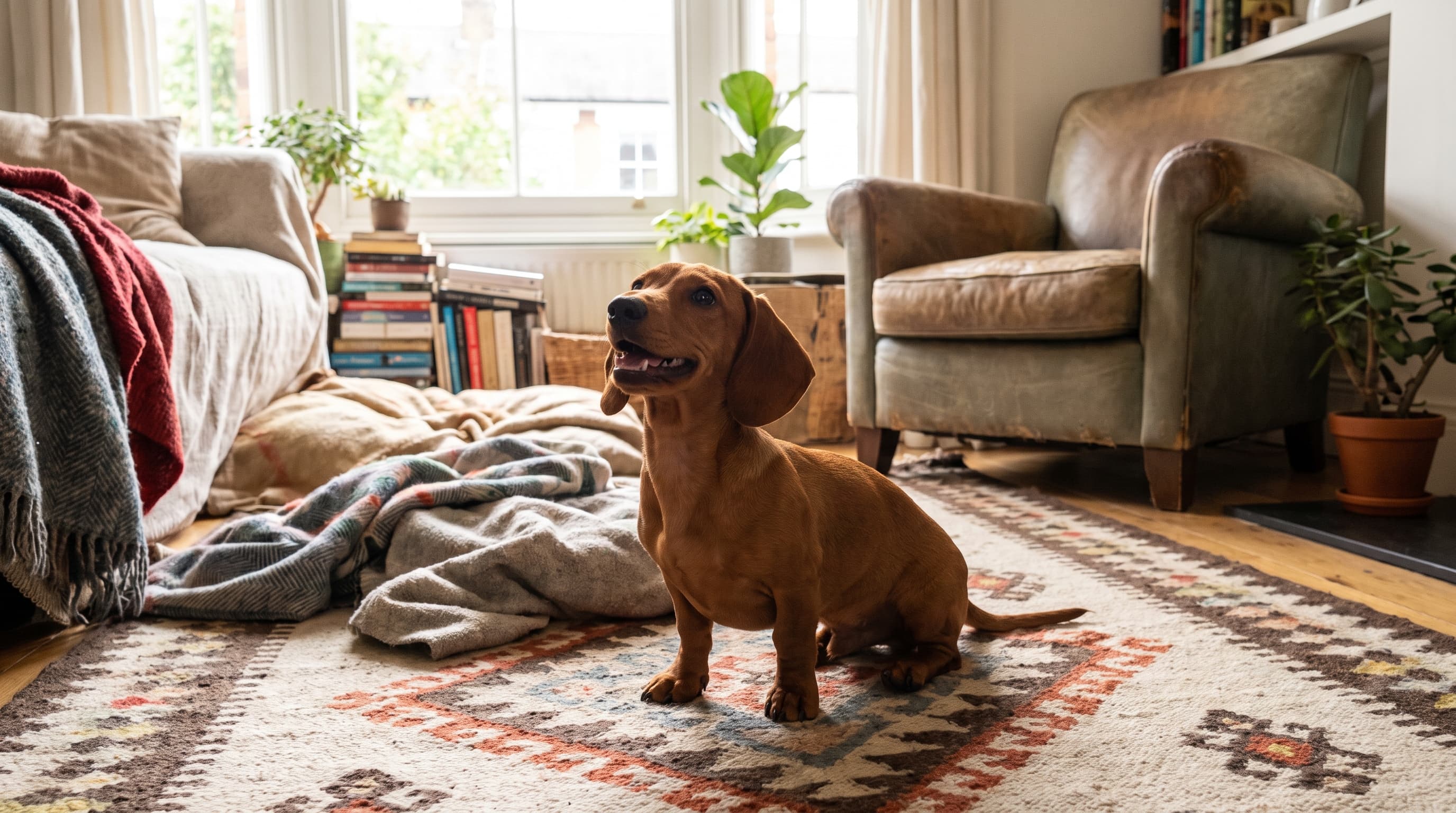
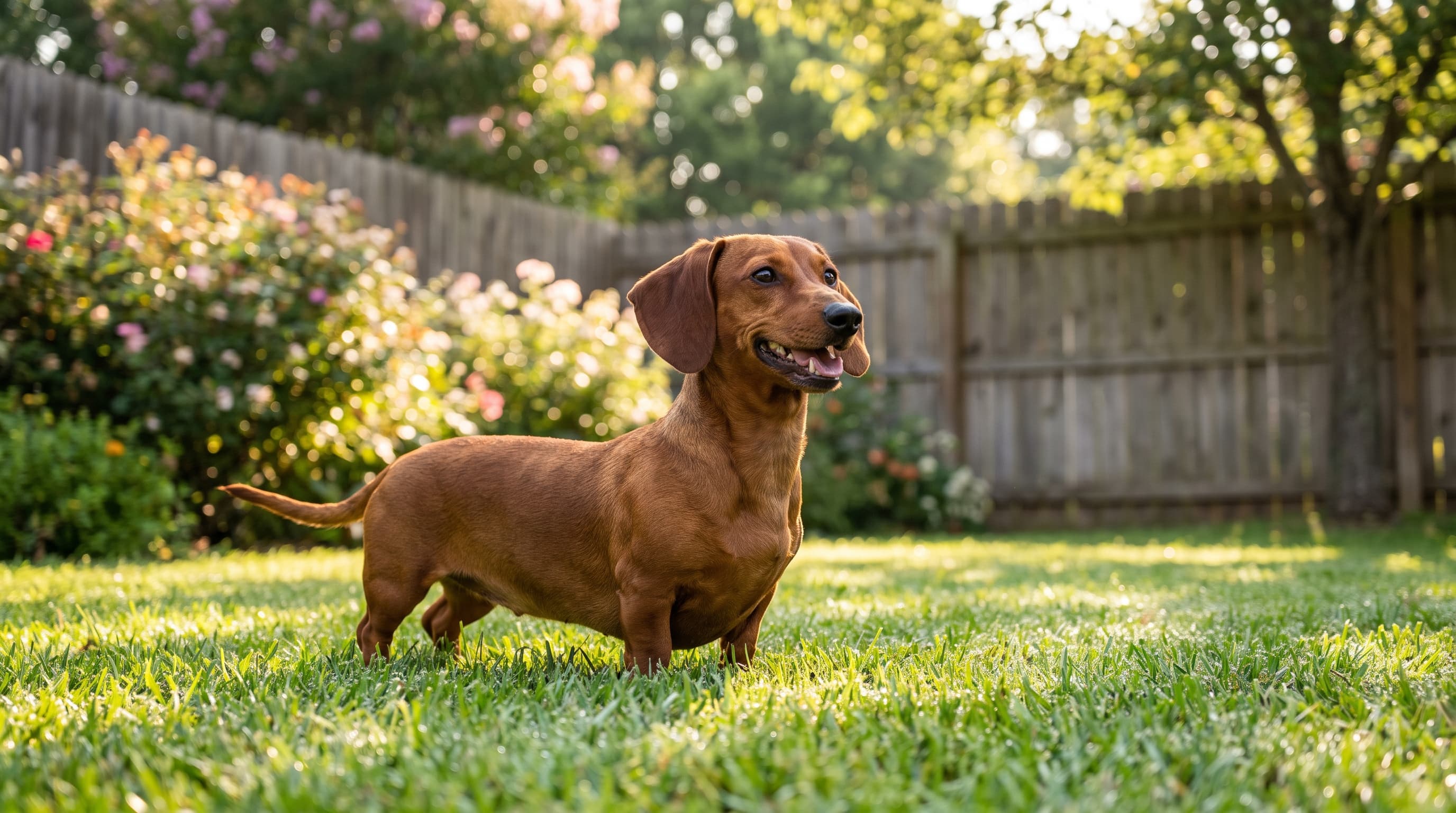
A full grown miniature dachshund typically weighs 11 pounds or less and stands about 5 to 6 inches tall at the shoulder, with a body 12 to 15 inches long. Most reach their adult height by 10 to 12 months and finish filling out with muscle by around 18 months to 2 years of age.
If you have just brought home a wiggly mini doxie puppy, you are probably wondering exactly how big your little hot dog will get. The good news is that miniature dachshunds are remarkably predictable in size compared with many breeds. Below we break down the full-grown numbers, the month-by-month growth timeline, the difference between minis and standards, and the weight-management habits that protect that famous long back for life.
How Big Is a Full Grown Miniature Dachshund?
By breed standard, a miniature dachshund is defined by weight rather than height: the American Kennel Club classifies any dachshund 11 pounds and under (measured at 12 months or older) as a miniature. In practice, most adult minis settle between 8 and 11 pounds.
Height is not part of the official standard, but full-grown minis generally stand 5 to 6 inches at the shoulder, according to breed-size data compiled by Dogster. Their signature long, low silhouette means body length runs longer than height — typically 12 to 15 inches from chest to rump. That elongated frame is a defining trait, not just a cute quirk, and it shapes almost everything about how you should care for the breed.
For comparison, a standard dachshund weighs 16 to 32 pounds and stands 8 to 9 inches tall — roughly double the mini. If your puppy is landing somewhere in between, it may be what breeders informally call a "tweenie," a dachshund that matures between 11 and 16 pounds and fits neither official category.
Miniature Dachshund Growth Chart by Age
Miniature dachshunds grow fast in their first six months, then taper off. While every puppy is different, this timeline reflects typical development for the breed:
- 8 weeks: roughly 2.5 to 3.5 pounds
- 3 months: about 4 to 5 pounds
- 6 months: around 7 to 9 pounds — most of the growth spurt is done
- 10–12 months: full adult height reached, weight near final at 8 to 11 pounds
- 12–18 months: filling out with muscle and chest depth
According to size guidance from Waggel, minis usually reach their full size around 12 months but continue maturing until roughly 18 months old. A rough rule of thumb breeders use: a mini dachshund's weight at 6 months is often close to 75–90 percent of its adult weight. If you want a more precise estimate, ask your breeder for the parents' adult weights, since genetics is the single biggest predictor of final size.
What Affects a Miniature Dachshund's Final Size?
Several factors determine where in the 8-to-11-pound range your dog will land:
- Genetics: The size of the sire and dam is the strongest indicator. Two small minis tend to produce small minis.
- Sex: Males often finish slightly heavier and broader through the chest than females, though the difference is modest.
- Nutrition: Overfeeding a puppy does not create a bigger adult — it creates an overweight one. Proper portions support a healthy frame.
- Coat type: Long-haired, smooth, and wire-haired minis are the same size; the coat just changes their appearance. If you are curious about coat care, see our guide on whether dachshunds shed.
Why Weight Management Matters So Much for This Breed
Here is the part every mini dachshund owner needs to internalize: this breed's long spine makes it highly vulnerable to intervertebral disc disease (IVDD), a painful and sometimes disabling condition where the cushioning discs between vertebrae rupture or bulge. Dachshunds are the poster breed for IVDD, and carrying extra weight dramatically increases the mechanical stress on those discs.
According to Texas A&M College of Veterinary Medicine, IVDD is especially common in long-backed breeds, and keeping a dog lean is one of the most effective ways owners can reduce risk. A single extra pound on an 8-pound dog is proportionally like 15 to 20 extra pounds on an average person — it adds up fast.
Beyond weight, you can protect your dog's back by discouraging jumping on and off furniture, using ramps, supporting the hindquarters when you lift (never dangle a dachshund by the front legs), and avoiding stairs during puppyhood. General breed-health overviews from PetMD echo these preventive habits. This is general information, not medical advice — if your dachshund shows back pain, reluctance to move, wobbliness, or dragging of the rear legs, treat it as an emergency and see a veterinarian immediately.
How to Tell If Your Mini Is at a Healthy Weight
The scale is useful, but body condition is more telling. For a full-grown miniature dachshund at a healthy weight, you should be able to feel the ribs easily with light pressure (without seeing them protrude), notice a visible tuck-up of the belly when viewed from the side, and see a subtle waist behind the ribs when viewed from above. If your dog looks like a sausage with no waist, or you cannot feel the ribs, it is time to talk with your vet about a gentle diet adjustment.
Because minis are so small, even a couple of extra treats a day can tip the balance. Measure meals rather than free-feeding, count treats as part of the daily calorie budget, and keep up daily walks — just avoid high-impact leaping. If you are budgeting for a new puppy, our dachshund price guide breaks down food and vet costs over a dog's lifetime.
Miniature vs. Standard vs. Tweenie: A Quick Recap
Dachshunds come in one more size split than most people realize. Minis top out at 11 pounds; standards run 16 to 32 pounds; and the unofficial "tweenies" fall in the 11-to-16-pound gap. All three share the same body plan, personality, and care needs — only the scale changes. To see how the varieties and coat types compare side by side, explore our overview of the different types of dachshunds. And because these small, short-coated dogs get cold easily, our tips on keeping dachshunds warm in winter are worth a read before the first cold snap.
Frequently Asked Questions
At what age is a miniature dachshund fully grown?
Most miniature dachshunds reach their full adult height by 10 to 12 months. They continue to fill out with muscle and chest depth until roughly 18 months to 2 years, but they are considered structurally grown by their first birthday.
How much should a full grown miniature dachshund weigh?
By AKC standard, a miniature dachshund weighs 11 pounds or less at 12 months of age. Most healthy adult minis settle between 8 and 11 pounds. Anything consistently over 11 pounds is technically a "tweenie" or standard.
How can I predict how big my mini dachshund puppy will get?
The best predictor is the adult weight of the puppy's parents. As a rough guide, a mini's weight at 6 months is often about 75 to 90 percent of its final adult weight. Your breeder or vet can help you estimate more precisely.
Why do miniature dachshunds gain weight so easily?
Their small size means they need very few daily calories, so even a few extra treats can cause weight gain. Their food-motivated personality does not help. Measured meals and portion-controlled treats are essential for this breed.
Is a bigger miniature dachshund healthier?
No. A heavier mini is usually an overweight one, and excess weight significantly raises the risk of intervertebral disc disease in this long-backed breed. A lean, well-muscled frame is the healthiest build. Consult your veterinarian if you are unsure about your dog's ideal weight.
The Bottom Line
A full grown miniature dachshund is a compact 8-to-11-pound companion that reaches its adult size by about a year old and keeps its charm for a lifetime. Focus less on making your dog "bigger" and more on keeping it lean, well-muscled, and protected from back injury — that is the real secret to a long, happy life with a mini doxie.
Thinking about the breed or already smitten? Dive deeper with our guides to the types of dachshunds and the striking merle dachshund. And for weekly size charts, care tips, and new-puppy checklists delivered to your inbox, subscribe to the Daily Wag newsletter.