
Bullypit: A Complete Guide to the American Pit Bull–American Bulldog Mix
The Bullypit is a powerful, affectionate hybrid dog that crosses the American Pit Bull Terrier with the American Bulldog. Bullypits are muscular, medium-to-large dogs weighing 60 to 100 pounds, known for loyalty, high energy, and a deep bond with their families. With early socialization and consistent training, they make devoted, gentle companions that thrive on human attention.
What Is a Bullypit?
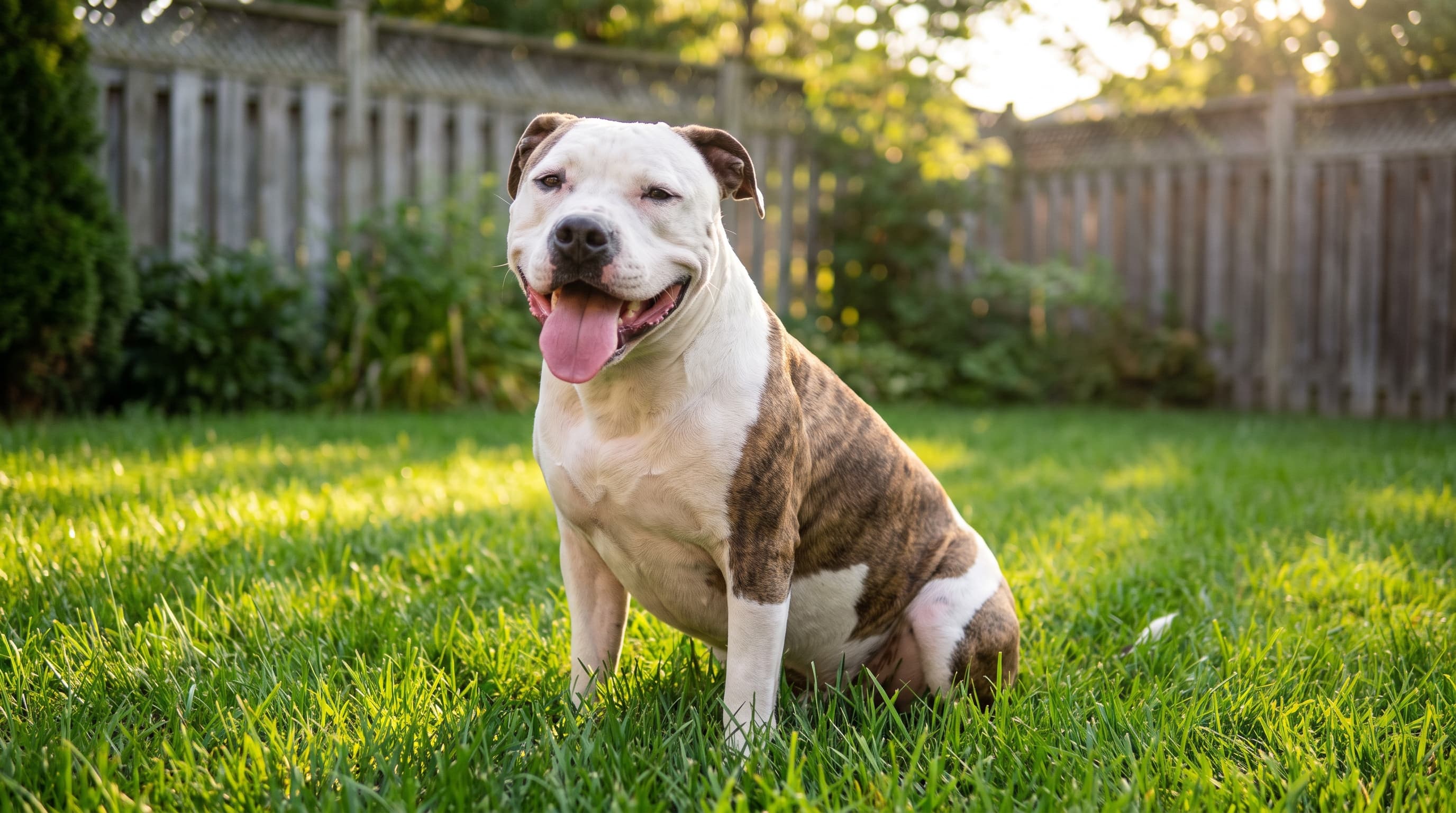
The Bullypit—sometimes called the American Bulldog Pit mix—is a designer crossbreed combining two of America's most iconic bully-type dogs. From the American Pit Bull Terrier it inherits athleticism, drive, and a famously people-loving personality. From the American Bulldog it borrows size, strength, and a steady, protective streak. The result is a stocky, athletic dog with a broad head, short coat, and an unmistakably muscular frame.
Like most hybrids, individual Bullypits vary. A puppy might lean more toward the leaner, springier Pit Bull or the heavier, blockier Bulldog, and littermates can differ. What stays consistent is a dog that is strong, smart, and intensely bonded to its people.
Bullypit History and Origins
To understand the Bullypit, it helps to know its parents. The American Bulldog descends from working farm dogs and is, per the American Kennel Club, a well-balanced athletic dog that demonstrates great strength, endurance, agility, and a friendly attitude—historically valued as a utility dog on farms. The American Pit Bull Terrier shares roots in bull-and-terrier stock and became a beloved American family dog often nicknamed the "nanny dog" for its gentleness with children.
The Bullypit itself is a more recent, deliberate cross created to blend these two temperaments and physiques. As a hybrid it is not recognized as a distinct breed by kennel clubs, and there is no formal breed standard—so responsible breeding and knowing the parent lines matter more than paperwork.
Size, Appearance, and Coat
Bullypits are medium-to-large, densely muscled dogs. Most fall in the 60-to-100-pound range and stand roughly 20 to 27 inches at the shoulder, though size depends heavily on the parents. Expect a broad, powerful head, a deep chest, a short smooth coat, and a stocky, athletic build.
Coat colors run the full bully spectrum: white, black, brown, fawn, brindle, and combinations, often with patches or a solid base. The short coat is low-maintenance but not no-maintenance—these dogs are moderate shedders who benefit from regular brushing.
Temperament: Are Bullypits Good Family Dogs?
Despite an intimidating appearance, well-bred and well-raised Bullypits are affectionate, loyal, and eager to please. They tend to form intense attachments to their families and are often gentle and patient with children they have grown up with. Their Bulldog side can add a protective, watchful quality, while their Pit Bull side brings playfulness and a love of human company.
Key temperament traits to plan for:
- People-focused: Bullypits want to be with their humans and can develop separation anxiety if left alone too much.
- Strong and driven: Their power and prey drive mean early socialization and training are essential.
- Dog tolerance varies: Some are dog-friendly; others prefer to be the only pet. Introductions should be careful and supervised.
Curious how this compares to related bully breeds? Our guide on Staffy vs. Pit Bull explores the differences among these often-confused dogs.
Exercise and Training Needs
Bullypits are high-energy dogs that need real daily exercise—plan on at least 60 to 90 minutes split between brisk walks, play, and activities like fetch or tug. Without an outlet, that energy and intelligence can turn into chewing, digging, or restlessness. Mental work matters too: puzzle toys, scent games, and training sessions tire them out as effectively as physical exercise.
On training, this is a breed combination that rewards consistency and positive reinforcement. Both parent breeds are smart and want to please, but they are also strong-willed and powerful, so structure from day one is non-negotiable. Early socialization—exposure to people, dogs, and new environments while young—is the single best investment you can make. The ASPCA's general dog care guidance covers exercise and training fundamentals worth building on.
Bullypit Health and Lifespan
Bullypits typically live around 10 to 13 years. As a mix of two sturdy breeds, they are generally robust, but they can inherit health issues common to both parents. The most notable is hip dysplasia. According to the Orthopedic Foundation for Animals, hip dysplasia stems from an abnormally developed hip joint, and VCA Animal Hospitals notes it is a genetic condition seen predominantly in larger, muscular breeds—exactly the Bullypit's profile.
Other conditions to watch, several of which affect the parent breeds per PetMD, include:
- Elbow dysplasia and other joint problems
- Skin allergies and skin infections, common in short-coated bully breeds
- Obesity, which worsens joint issues—keep your Bullypit lean
- Heart conditions in some lines
Buying from a breeder who screens the parents, or adopting and getting a thorough vet workup, gives your dog the best start. This is general information only—consult your veterinarian for advice tailored to your individual dog, and never attempt to diagnose or treat health problems at home.
Grooming and Nutrition
Grooming a Bullypit is refreshingly simple. The short coat needs weekly brushing to manage shedding and distribute skin oils, plus the usual routine: regular nail trims, ear checks, and dental care. Because bully breeds are prone to skin issues, keep an eye out for redness or irritation and bathe only as needed with a gentle dog shampoo.
For nutrition, feed a high-quality diet formulated for active medium-to-large dogs, and measure portions to prevent the weight gain these food-motivated dogs are prone to. Puppies should eat a large-breed puppy formula to support steady, healthy growth. Always provide fresh water, especially given how much these energetic dogs move.
Bullypit vs. Other Bully Breeds
The bully-breed world is crowded and confusing, and the Bullypit sits right in the middle of it. Compared with a purebred American Pit Bull Terrier, the Bullypit is usually larger and heavier thanks to its Bulldog parentage, often with a blockier head and a slightly more reserved, guarding tendency. Compared with a purebred American Bulldog, it tends to be more athletic and springier, with the Pit Bull's higher energy and drive. Because it is a mix, a Bullypit can land anywhere on that spectrum—which is exactly why meeting the parents (or, for a rescue, getting an honest read from the shelter) tells you far more than the label does. If you are weighing several similar dogs, comparing bloodlines and temperaments matters more than the crossbreed's catchy name.
Is a Bullypit Right for Your Home?
Bullypits are wonderful dogs for the right owner and a poor match for the wrong one. Consider a Bullypit if you:
- Have an active lifestyle and can commit to daily exercise and training
- Are home often or can arrange company, since these dogs hate being left alone
- Have space—ideally a securely fenced yard—for a large, powerful dog
- Are prepared to socialize and train consistently from puppyhood
- Have checked local ordinances and housing or insurance rules, since some restrict bully-type breeds
They are less ideal for first-time owners who want a low-effort pet, for people gone long hours, or for homes where breed restrictions apply. Go in with eyes open and a Bullypit will reward you with years of loyal, affectionate companionship. Many wonderful Bullypits and bully mixes also wait in shelters and rescues, so adoption is well worth exploring before buying.
Frequently Asked Questions
How big does a Bullypit get?
Most Bullypits weigh between 60 and 100 pounds and stand about 20 to 27 inches tall, depending on which parent they take after. They are muscular, medium-to-large dogs.
Are Bullypits aggressive?
No, not inherently. Like all dogs, temperament comes down to genetics, socialization, and training. Well-bred, well-socialized Bullypits are typically affectionate and loyal. Their strength makes early training especially important.
How long do Bullypits live?
Bullypits generally live around 10 to 13 years. Keeping them at a healthy weight, exercising them well, and staying on top of veterinary care supports a long, healthy life.
Are Bullypits good with kids?
Many are excellent with children they are raised alongside, thanks to their affectionate, loyal nature. As with any powerful dog, interactions with young kids should always be supervised.
Do Bullypits shed a lot?
They are moderate shedders. Their short coat is easy to maintain with weekly brushing, which keeps loose hair and skin issues in check.
The Bottom Line
The Bullypit is a strong, devoted companion that pairs an athletic, powerful build with a deeply affectionate heart. This is not a dog for a hands-off owner—Bullypits need exercise, structure, early socialization, and plenty of togetherness. Give them that, and you get a loyal, gentle, and endlessly loving family dog. Whether you find one through a responsible breeder or, better yet, adopt a bully mix in need of a home, the Bullypit rewards commitment with a companion that will stick by your side through everything.
Want to dig deeper into the Bullypit's roots? Read our full profiles on the American Bulldog and learn how long Pit Bulls live. And for more breed guides and care tips, subscribe to the Daily Wag newsletter.