
The Miniature Bulldog is a small designer crossbreed between an English Bulldog and a Pug, also called the Mini Bulldog or Bull-Pug. Typically weighing 20–45 pounds and standing 10–14 inches tall, it pairs the wrinkled, stocky Bulldog look with a more compact, apartment-friendly size. These affectionate, easygoing companions are wonderful with families, but their flat faces require careful, attentive health management.
If you want the iconic Bulldog charm in a smaller package, the Miniature Bulldog delivers personality by the pound. This guide covers everything a prospective owner needs: how to tell this cross apart from other "mini bulldogs," what to expect from its temperament, the very real health considerations behind that squishy face, and how to keep one happy and healthy.
What Is a Miniature Bulldog?
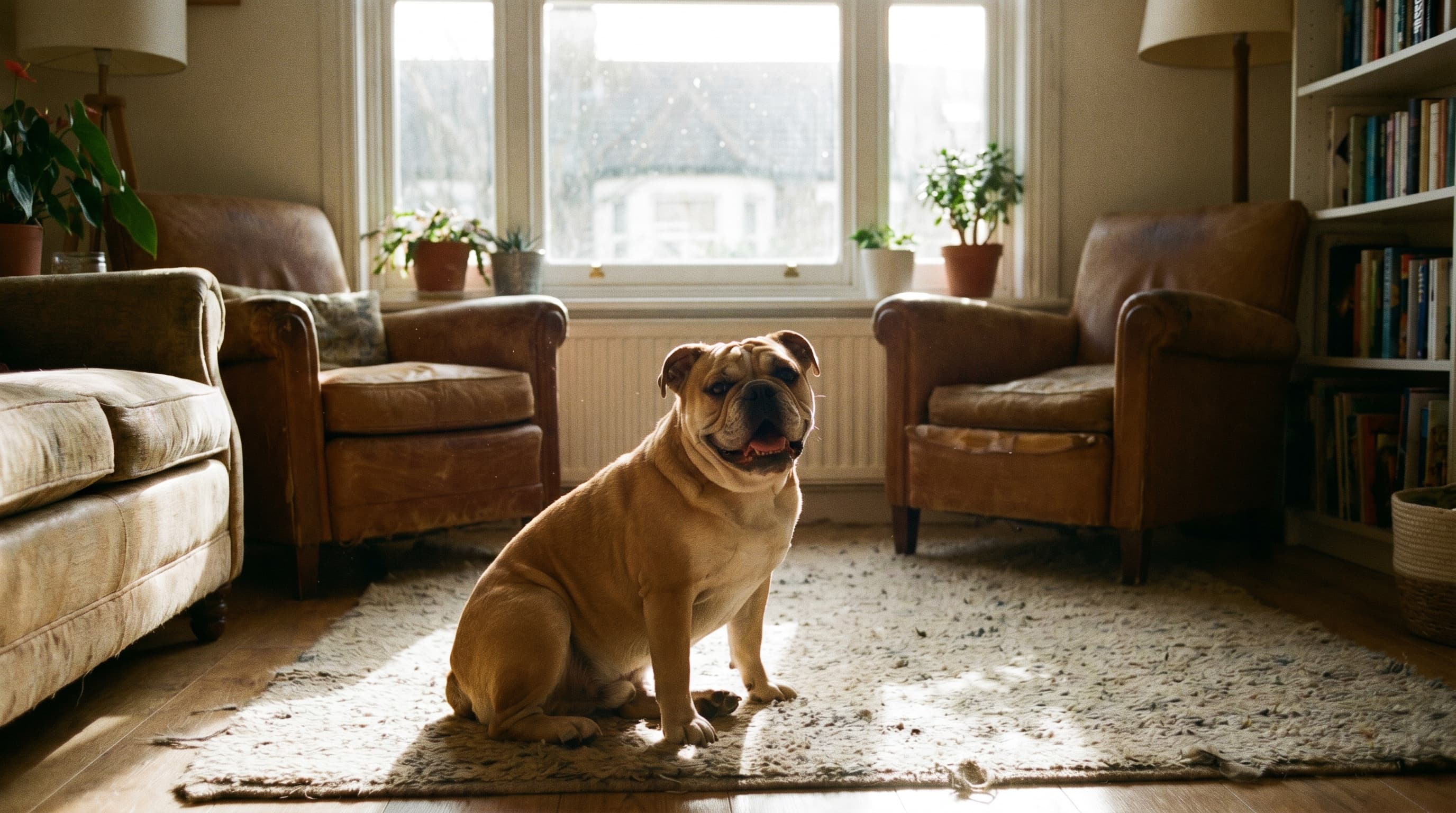
The Miniature Bulldog is a first-generation hybrid created by crossing an English Bulldog with a Pug. The goal was to preserve the Bulldog's beloved appearance and mellow temperament while reducing its size and, ideally, easing some of the breed's extreme physical traits. The result is a muscular, low-slung little dog with a broad head, expressive wrinkles, a short muzzle, and a sturdy, compact body.
It's important to know that "Miniature Bulldog" is used loosely in the dog world. Some breeders use the term for this Bulldog-Pug cross, while others use it for smaller-bred English Bulldogs or for entirely separate breeds like the Olde English Bulldogge. In this guide, we're focused on the popular English Bulldog × Pug hybrid. If you're researching the purebred side, see our full profiles of the English Bulldog and the Bulldog.
Miniature Bulldog Appearance
Because it's a mix, appearance can vary even within a single litter, but most Miniature Bulldogs share a recognizable look:
- Build: Stocky, muscular, and low to the ground with a broad chest.
- Head: Large and round with signature wrinkles and a short, pushed-in muzzle.
- Coat: Short, smooth, and low-maintenance.
- Colors: Commonly fawn, brindle, white, fawn-and-white, and occasionally black.
- Tail: Often short or curled, reflecting both parent breeds.
Adults typically weigh 20–45 pounds and stand 10–14 inches at the shoulder, noticeably smaller than a standard English Bulldog while keeping that unmistakable bulldog silhouette.
Temperament and Personality
Miniature Bulldogs are best known for being affectionate, calm, and people-oriented. They're classic "velcro dogs" that want to be wherever their humans are, making them excellent companions and famously good with children. They tend to be friendly with other pets, especially when socialized early, and their moderate energy makes them just as happy lounging on the couch as ambling around the block.
The flip side of that devotion is that they don't cope well with being left alone for long stretches and can develop separation anxiety. They also inherit a stubborn streak from both parents, which can make training a test of patience. Early socialization and consistent, reward-based training help bring out their best.
Health Considerations: The Brachycephalic Reality
This is the most important section for any would-be owner. Both parent breeds are brachycephalic (flat-faced), so the Miniature Bulldog can inherit Brachycephalic Obstructive Airway Syndrome (BOAS), a condition in which shortened airway structures make breathing harder. According to Cornell University's College of Veterinary Medicine, affected dogs may snore, breathe noisily, tire quickly, and struggle in heat or during exercise.
The numbers are sobering. Research summarized by PDSA and the Humane World for Animals indicates that around half of Pugs and French Bulldogs and nearly half of Bulldogs show clinically significant signs of BOAS, and that dogs with extreme flat-faced conformation live notably shorter lives on average than other dogs. The UFAW documents how these airway problems stem directly from the breeds' skull shape.
Beyond breathing, common health concerns to discuss with your vet include:
- Heat sensitivity: Flat-faced dogs overheat easily and are at high risk of heatstroke. See our guide on recognizing heat stroke in flat-faced dogs.
- Eye conditions: Cherry eye, dry eye, and corneal issues.
- Skin and wrinkle infections: Folds trap moisture and need regular cleaning.
- Joint problems: Including hip dysplasia and patellar issues.
- Dental crowding: Common in short-muzzled dogs.
None of this means a Miniature Bulldog can't live a happy life, many do, but it requires a committed owner, a good veterinarian, and realistic expectations. This information is general and educational; always consult your veterinarian about your individual dog's health.
Care, Exercise, and Grooming
Miniature Bulldogs need moderate daily exercise, roughly 30–40 minutes split into short, gentle sessions. Because of their breathing limitations, avoid strenuous activity and walk them during cooler parts of the day, never in midday heat. As PetMD advises for bulldog-type breeds, keep them lean, since extra weight worsens both breathing and joint strain.
Grooming is straightforward but not zero-effort. The short coat needs only weekly brushing, but those adorable facial folds must be cleaned and dried regularly to prevent infection. Routine nail trims, dental care, and ear checks round out their needs.
Is the Miniature Bulldog Right for You?
A Miniature Bulldog can be an ideal match if you want a loving, low-to-moderate-energy companion, are home often, and live somewhere with a temperate climate or reliable air conditioning. They suit apartments and families with children beautifully.
They're less ideal for owners seeking a jogging or hiking partner, people who are away all day, or anyone unprepared for potential vet bills tied to brachycephalic health. If you're drawn to the type but want to compare options, our French Bulldog and American Bulldog guides are great next reads. Whenever possible, choose a responsible breeder who screens for health issues, or consider adoption through a bulldog rescue.
History of the Miniature Bulldog
The Miniature Bulldog is a relatively modern creation, emerging primarily in the United States during the late 1980s and 1990s alongside the broader designer-dog movement. Breeders set out to answer a specific demand: people loved the English Bulldog's looks and laid-back personality but wanted a smaller, more manageable, and ideally healthier version. Crossing the Bulldog with the Pug, another flat-faced companion breed with ancient roots, produced a compact dog with similar charm.
It's worth understanding the motivation behind the cross. The English Bulldog's exaggerated features come with well-documented health challenges, and some breeders hoped that hybridizing would introduce a bit of "hybrid vigor" and moderate those extremes. In reality, because both parent breeds are brachycephalic, many of the same flat-faced health concerns can persist. The Miniature Bulldog is not a recognized breed by major kennel clubs, so there's no single official standard, which makes choosing a responsible, health-focused breeder all the more important.
Feeding and Nutrition
Diet plays an outsized role in a Miniature Bulldog's health because weight management is critical for a flat-faced, stocky dog. Excess pounds put added strain on their already-compromised airways and their joints. Most adults do well on a measured amount of high-quality dog food appropriate for their size and age, typically split into two meals a day, but exact portions should be tailored to your dog's weight, activity level, and your vet's recommendation.
Because they're enthusiastic eaters who can gain weight easily, resist the urge to overfeed or over-treat. Use part of their daily food allowance for training rewards, choose healthy low-calorie treats, and keep an eye on body condition. Slow-feeder bowls can help dogs that gulp their food, which is useful for flat-faced breeds prone to swallowing air. As always, consult your veterinarian before making significant changes to your dog's diet.
Frequently Asked Questions
What is a Miniature Bulldog a mix of?
The Miniature Bulldog is most commonly a cross between an English Bulldog and a Pug. The term is sometimes also used for smaller English Bulldogs or other bulldog-type breeds, so always confirm the parentage with the breeder.
How big do Miniature Bulldogs get?
They typically weigh 20–45 pounds and stand about 10–14 inches tall, making them considerably smaller than a standard English Bulldog while keeping the same stocky build.
How long do Miniature Bulldogs live?
Most live around 9–13 years. Lifespan depends heavily on genetics, weight management, and how well brachycephalic health issues are prevented and treated, so good veterinary care matters a great deal.
Do Miniature Bulldogs have breathing problems?
They can. Because both parent breeds are flat-faced, Miniature Bulldogs may inherit Brachycephalic Obstructive Airway Syndrome, leading to snoring, noisy breathing, exercise intolerance, and heat sensitivity. Regular veterinary monitoring is essential.
Are Miniature Bulldogs good with kids?
Yes. They are gentle, affectionate, and patient, which makes them excellent family dogs. As with any breed, supervise interactions between dogs and young children.
How much does a Miniature Bulldog cost?
Puppies from reputable breeders generally range from about $1,500 to $3,500, with ongoing care costs that can be significant due to potential health needs. Adoption is a more affordable and rewarding option when available.
Meet More Lovable Bulldog Breeds
If the Miniature Bulldog has stolen your heart, you'll love getting to know its relatives. Dive into our complete guides to the English Bulldog and the ever-popular French Bulldog to compare temperaments, care needs, and that irresistible squishy-face charm.
For more breed spotlights, health tips, and joyful dog content delivered straight to you, subscribe to the Daily Wag newsletter.