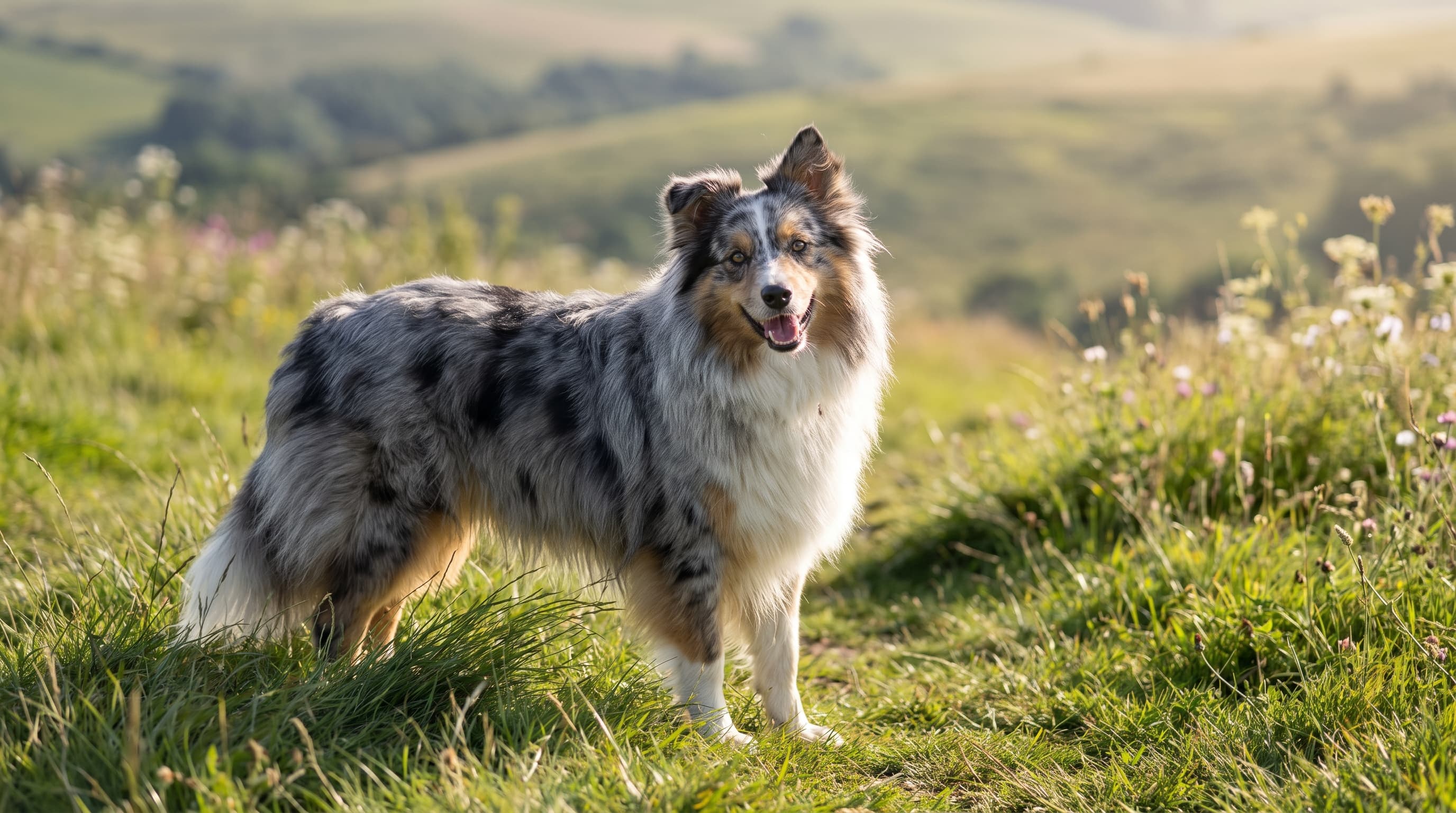

Shel-Aussie: The Complete Australian Shepherd–Sheltie Mix Guide
The Shel-Aussie is a designer crossbreed of the Australian Shepherd and the Shetland Sheepdog (Sheltie). Expect a small-to-medium, 25–45 pound herding dog that is brilliantly intelligent, deeply loyal, and extremely high-energy, with a striking double coat and a 12–15 year lifespan. It thrives with active owners who can meet its heavy exercise, training, and mental-stimulation needs.
Shel-Aussie at a Glance
- Parent breeds: Australian Shepherd × Shetland Sheepdog (Sheltie)
- Size: Small to medium
- Weight: 25–45 pounds
- Height: 15–22 inches at the shoulder
- Lifespan: 12–15 years
- Coat: Medium-to-long, dense double coat; straight to slightly wavy
- Colors: Black, blue merle, red merle, red, sable, and tan, often with white markings
- Temperament: Intelligent, energetic, loyal, alert, affectionate
- Exercise: 60–90+ minutes daily, plus mental work
- Best for: Active, experienced owners with time for training and exercise
What Is a Shel-Aussie?
A Shel-Aussie is a cross between two of the world's most capable herding breeds: the Australian Shepherd and the Shetland Sheepdog. Both parents were developed to work livestock all day, which means the resulting mix is a smart, driven, athletic dog packed into a manageable medium frame. Because Shelties are essentially a smaller herding specialist and Aussies are the mid-sized all-rounder, Shel-Aussies tend to land in the compact-but-mighty category.
Like all designer crosses, individual puppies vary depending on which parent they favor. Some are more Sheltie-like—smaller, more reserved with strangers, and vocal—while others take after the bolder, more outgoing Aussie. If you're comparing herding crosses, our guide to the Aussiedoodle and the Sheltie Shepherd covers two closely related options.
Appearance and Coat
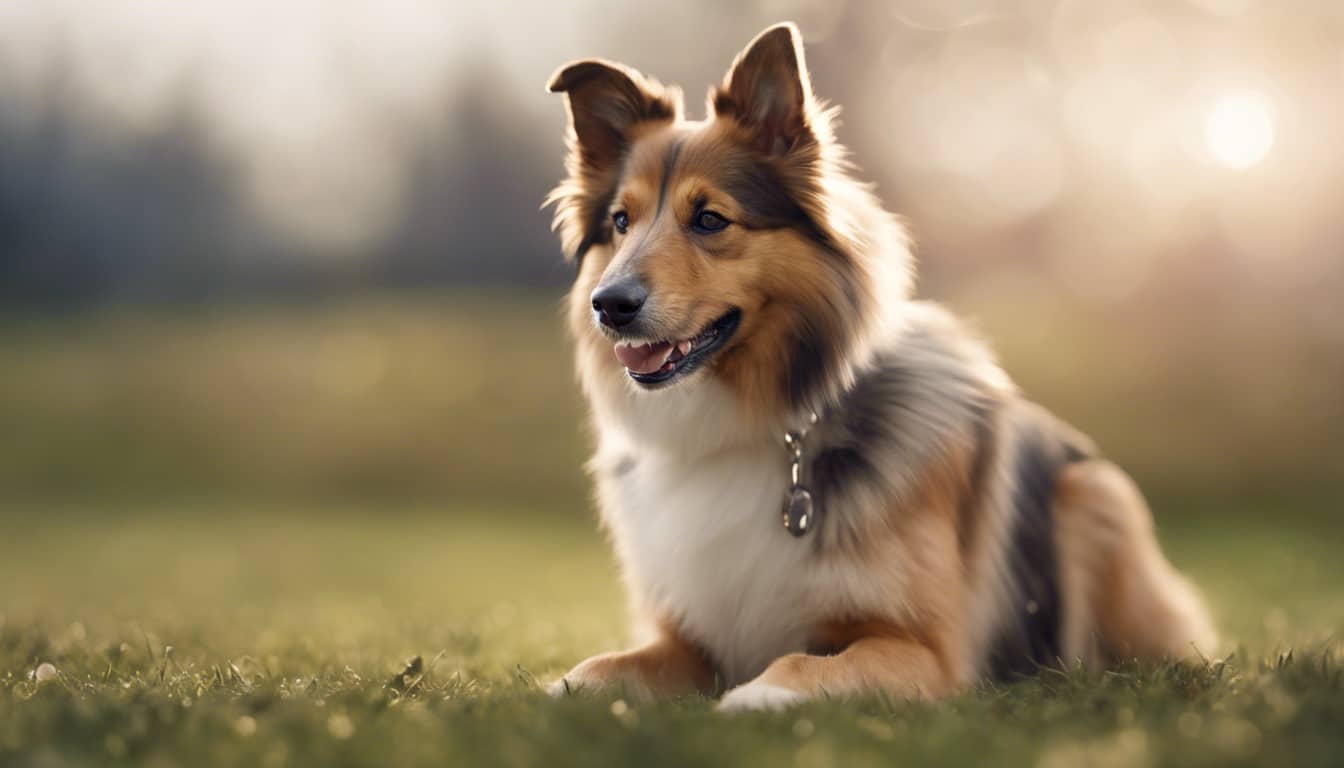
Shel-Aussies are eye-catching dogs, often inheriting the Australian Shepherd's dramatic merle coat patterns and, in some dogs, striking blue or heterochromatic eyes. They typically stand 15–22 inches tall and weigh 25–45 pounds, with a well-proportioned, agile build made for movement.
The coat is a medium-to-long double coat—a soft, insulating undercoat beneath a weather-resistant outer coat. Common colorways include black, blue merle, red merle, red, sable, and tan, frequently accented with white markings on the chest, face, and legs. This is a beautiful coat, but it comes with a serious grooming and shedding commitment, covered below.
Temperament and Personality
Shel-Aussies are affectionate, loyal, and intensely bonded to their people—many earn the "Velcro dog" nickname for following their owners from room to room. They are alert and observant, which makes them excellent watchdogs, though it also means they can be vocal and wary of strangers until properly introduced. Early, ongoing socialization is essential to raise a confident, well-mannered dog.
Both parent breeds carry strong herding instincts, and the Shel-Aussie is no exception. Without an outlet, that instinct can show up as chasing or nipping at the heels of running children, other pets, or even cars—a behavior to redirect through training rather than punish. With early socialization they can be wonderful family dogs, but households with very young children or small animals should supervise interactions and manage the herding drive thoughtfully.
Exercise and Energy Needs
This is not a low-maintenance lap dog. The Shel-Aussie needs a minimum of 60–90 minutes of vigorous exercise every day, and many individuals want more. Long hikes, running, fetch, and off-leash play in secure areas all help burn energy, but physical exercise alone is not enough for a herding dog this bright.
Mental stimulation is just as important. Shel-Aussies excel at—and crave—dog sports like agility, herding trials, flyball, obedience, and canine freestyle, plus puzzle toys and trick training at home. A Shel-Aussie that doesn't get enough physical and mental work will often become anxious, destructive, or obsessively vocal. Match this dog to an active lifestyle and it will reward you with an eager, devoted partner.
Training a Shel-Aussie
Few dogs are more trainable than a well-bred herding cross. Shel-Aussies are exceptionally intelligent and eager to please, learning new commands quickly and often mastering advanced skills. They respond best to positive, reward-based training with plenty of variety to keep their busy minds engaged; repetitive, boring drills will lose their attention fast.
Their sensitivity means harsh methods are counterproductive—firm, consistent, upbeat guidance works far better. Prioritize early socialization, a reliable recall (important given the herding and chase instincts), and impulse control. Because they're so smart, they'll also learn bad habits just as quickly as good ones, so consistency from day one pays off.
Grooming and Shedding
Be prepared to brush. The Shel-Aussie's dense double coat needs brushing several times a week to prevent mats and manage the steady, year-round shedding. Twice a year—typically spring and fall—they "blow" their undercoat, shedding heavily for a few weeks; during those periods, daily brushing and a de-shedding tool are your best friends.
Beyond coat care, keep up with nail trims, dental care, and routine ear checks. Bathe only as needed, since over-bathing can strip the coat's natural oils. A quick note for merle-coated dogs: never shave a double coat, as it can permanently damage the coat's texture and its ability to insulate against both heat and cold.
Health and the MDR1 Gene
Shel-Aussies are generally healthy, with a typical lifespan of 12–15 years, but both parent breeds share several inherited conditions worth knowing about. The single most important is the MDR1 (multidrug resistance) gene mutation. According to VCA Animal Hospitals, dogs carrying this mutation cannot properly clear certain common medications—including some dewormers, anti-diarrheals, and anesthetics—from their brains, which can cause serious neurological reactions. The mutation is common in both parent breeds, so a simple, inexpensive MDR1 genetic test is strongly recommended, as PetMD's overview of the MDR1 gene explains. The old veterinary saying "white feet, don't treat" is a well-known reminder to be cautious with medications in herding breeds. Share the results with your veterinarian so they can adjust medications safely.
Other conditions to be aware of include:
- Hip dysplasia: A hereditary joint malformation that reputable breeders screen for.
- Progressive retinal atrophy (PRA) and Collie eye anomaly: Inherited eye conditions found in herding lines; genetic testing helps reduce risk.
- Epilepsy: Occasionally seen in both parent breeds.
- Deafness can be associated with certain double-merle breedings, which is why responsible breeders avoid merle-to-merle pairings.
This is a general overview, not veterinary advice. Talk to your veterinarian about MDR1 testing and any health concerns specific to your dog.
Feeding and Nutrition
Feed a high-quality, complete dog food matched to your Shel-Aussie's age, size, and (considerable) activity level. Active adults may need more calories than the average dog of the same weight, but it's still easy for a herding dog to gain weight during lower-activity stretches, so measure meals and monitor body condition. Keep treats to roughly 10% of daily calories, provide constant access to fresh water, and ask your vet to help you set an ideal weight and feeding plan.
Is the Shel-Aussie Right for You?
The Shel-Aussie is a fantastic dog for the right home: an active, engaged owner or family that loves hiking, running, or dog sports and wants a whip-smart, loyal companion. They are less ideal for first-time owners, apartment dwellers without a serious exercise plan, or anyone away from home for long hours. If their needs go unmet, their intelligence and energy turn into problems. If you can meet them, you'll have one of the most rewarding partners in the dog world. For comparison, see our full guide to the purebred Australian Shepherd.
What Does a Shel-Aussie Cost?
Shel-Aussie puppies typically cost between about $500 and $1,500 from a breeder, depending on location, coat color and pattern (merle dogs often command higher prices), and health testing. Factor in ongoing expenses too: quality food, veterinary care, grooming tools, an MDR1 test, and enrichment. Adoption through a herding-breed or all-breed rescue is another excellent route and usually costs considerably less.
Frequently Asked Questions
How big does a Shel-Aussie get?
Shel-Aussies typically stand 15–22 inches tall and weigh 25–45 pounds, making them a small-to-medium dog. Final size depends on which parent breed a given dog takes after.
Are Shel-Aussies good family dogs?
They can be excellent family dogs with early socialization and training. They're loyal and affectionate, but their strong herding instinct means they may chase or nip at running children and small pets, so supervision and training are important.
Do Shel-Aussies shed a lot?
Yes. Their dense double coat sheds year-round and "blows" heavily twice a year. Expect to brush several times a week, with daily brushing during seasonal shedding. They are not hypoallergenic.
What is the MDR1 gene and why does it matter for a Shel-Aussie?
MDR1 is a gene mutation common in herding breeds that makes dogs sensitive to certain medications, which can cause serious neurological reactions. Because both parent breeds are affected, an MDR1 test is strongly recommended so your vet can prescribe safely.
How much exercise does a Shel-Aussie need?
Plan for at least 60–90 minutes of vigorous daily exercise plus mental stimulation like training or dog sports. This is a high-energy herding dog that needs a job to stay happy and well-behaved.
How long do Shel-Aussies live?
The typical Shel-Aussie lifespan is 12–15 years. Good nutrition, regular veterinary care, a healthy weight, and appropriate genetic testing all support a long, healthy life.
The Bottom Line
The Shel-Aussie combines two elite herding breeds into a brilliant, loyal, high-octane companion that shines in an active home. Commit to daily exercise, mental enrichment, positive training, and diligent coat care—and be sure to test for the MDR1 gene—and you'll have a devoted partner for a dozen years or more. Weighing your options? Compare our guides to the Australian Shepherd and the Aussiedoodle.
Falling for the herding breeds? Subscribe to the Daily Wag newsletter for breed guides, training tips, and grooming advice delivered to your inbox.