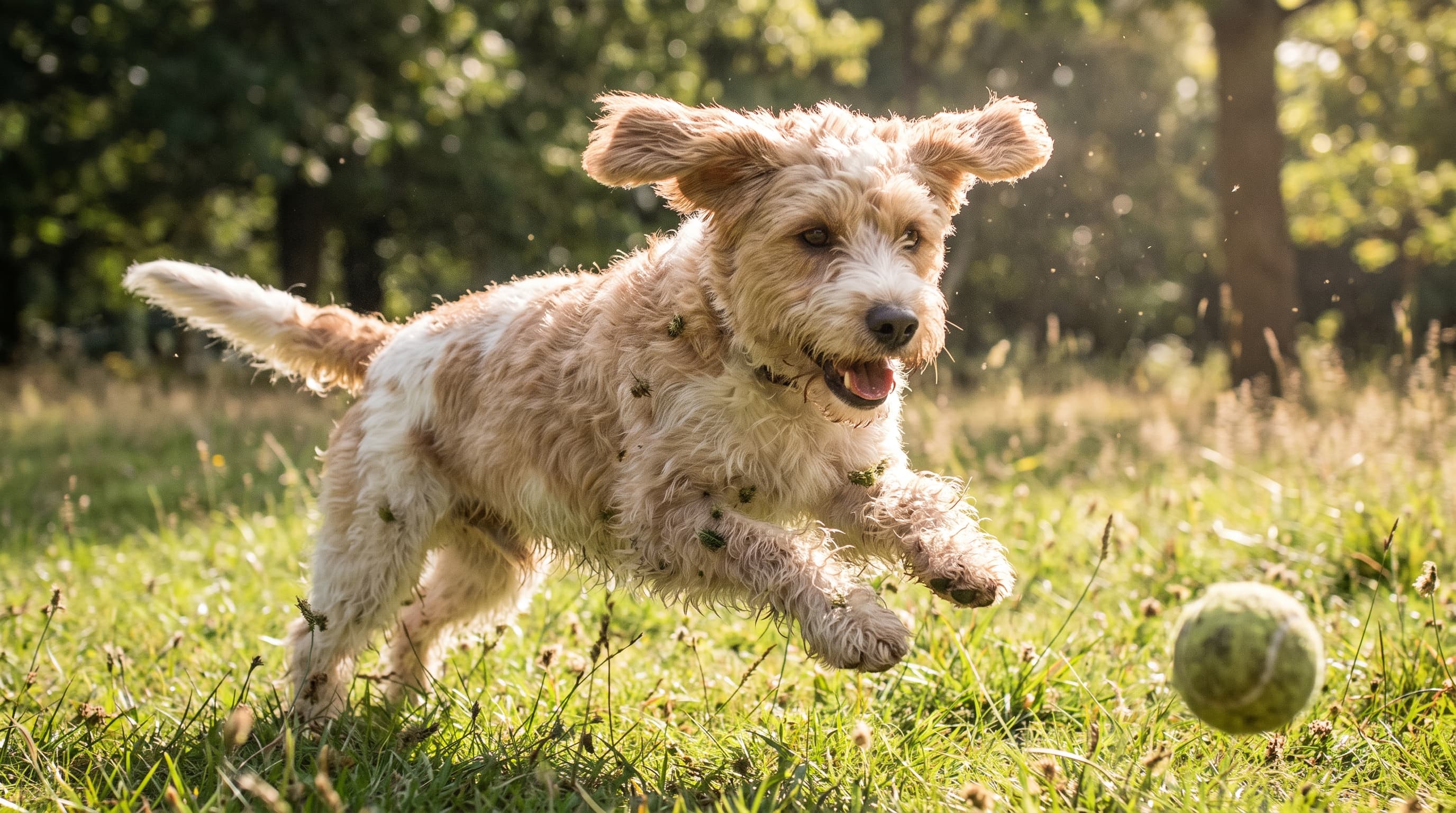

The Snorkie is a small designer dog created by crossing a Miniature Schnauzer with a Yorkshire Terrier. Typically 7–15 pounds and 6–10 inches tall, Snorkies are affectionate, alert, and spirited lap dogs that live 12–15 years. They suit apartments and families alike, but their expressive coat needs regular grooming and they bond so closely they can dislike being left alone.
What Is a Snorkie?
A Snorkie — sometimes spelled Schnorkie or called a Schnauzer-Yorkie mix — is a first-generation hybrid of two beloved terrier-type breeds. From the Miniature Schnauzer it often inherits a wiry coat, bearded muzzle, and bold, friendly confidence; from the Yorkshire Terrier it gets a silky texture, small stature, and a big, feisty personality. Because it's a mixed breed, no two Snorkies are identical, and even littermates can lean toward one parent more than the other.
Like most designer crosses, the Snorkie is not recognized by the AKC as a breed, though it may be listed with designer-dog registries. What owners get instead of a fixed standard is a charming, portable companion with terrier spark and plenty of affection.
Snorkie Appearance and Size
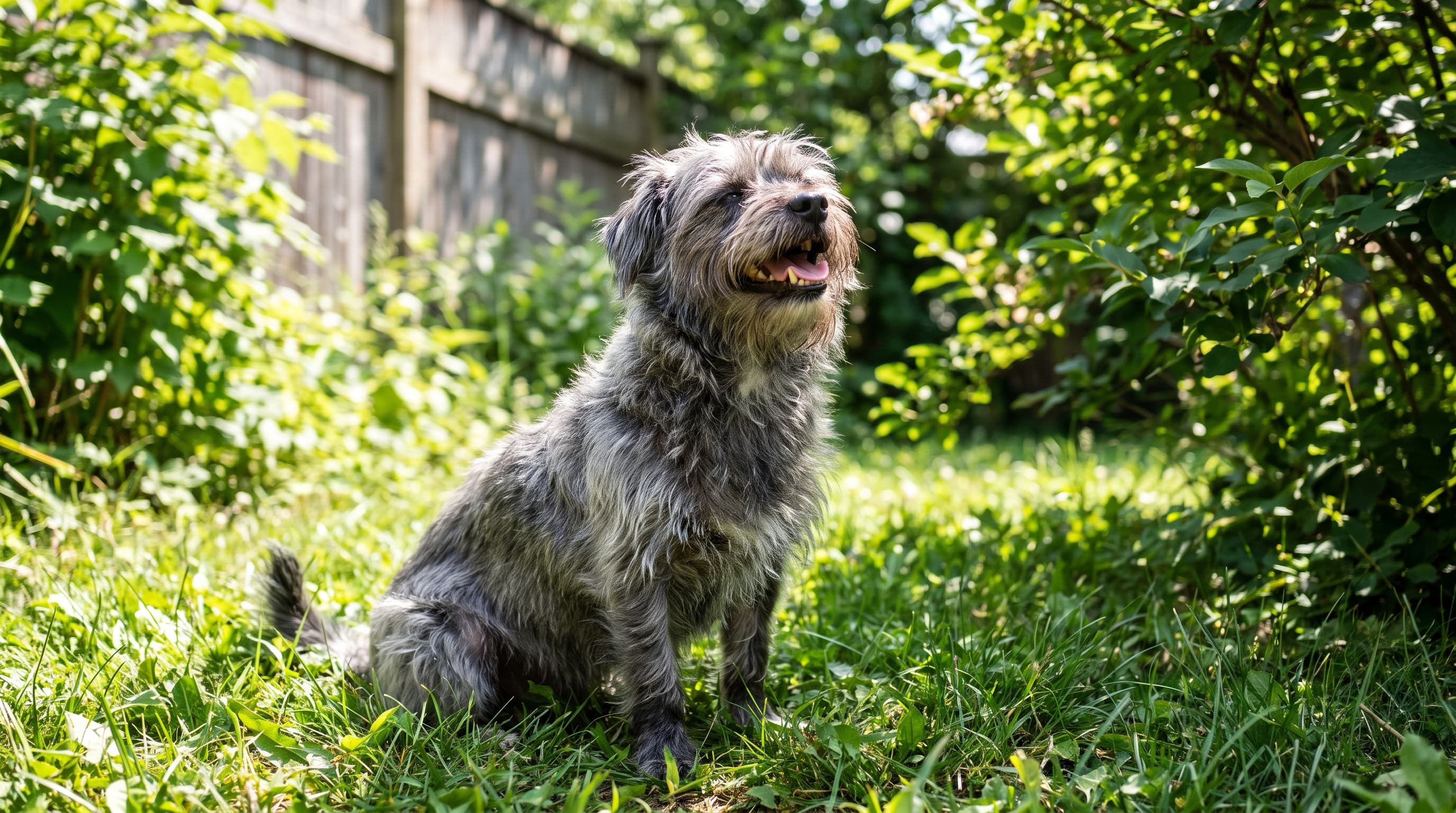
Snorkies are true small dogs, generally weighing 7 to 15 pounds and standing 6 to 10 inches at the shoulder. Their coats vary widely depending on which parent dominates — some are wiry like a Schnauzer, some silky like a Yorkie, and many are a soft blend of both. Common colors include black, gray, salt-and-pepper, tan, silver, and combinations of these. Many Snorkies sport the signature Schnauzer beard and bushy eyebrows over a compact, sturdy little body.
Temperament and Personality
Snorkies are affectionate, lively, and devoted. They tend to be:
- People-focused — they love being close to their family and make excellent lap dogs.
- Alert and vocal — both parent breeds are natural watchdogs, so Snorkies often bark to announce visitors.
- Playful and confident — they carry the classic terrier spark and enjoy games and attention.
- Prone to separation anxiety — their strong attachment means they don't like being left alone for long stretches.
Early socialization and consistent, positive training help curb excessive barking and small-dog stubbornness. Snorkies generally do well with respectful children and other pets when introduced properly.
Grooming and Coat Care
Grooming is one of the Snorkie's biggest care commitments. Whether the coat is wiry or silky, it needs frequent attention:
- Brush several times a week — daily for silkier coats — to prevent tangles and mats.
- Professional grooming every 6–8 weeks to trim the coat, beard, and eyebrows.
- Regular face cleaning to keep the beard and eye area tidy.
Snorkies are typically low shedders, which many allergy-conscious owners appreciate, though no dog is fully hypoallergenic. Following consistent grooming habits, like those in the ASPCA's grooming tips, keeps the coat healthy and comfortable.
Health and Lifespan
Snorkies are generally healthy and enjoy a long lifespan of 12 to 15 years, but as a mix of two breeds they can inherit health tendencies from either side. Conditions to be aware of include patellar luxation, eye problems such as progressive retinal atrophy, pancreatitis, and dental disease. Small breeds are especially prone to dental issues — the VCA Animal Hospitals note that over 80% of dogs over age three have active dental disease, so tooth brushing and dental checkups are important for Snorkies.
Both parent breeds can also be prone to skin sensitivities and allergies, which the VCA lists among the most common canine conditions. A reputable breeder should health-test the Schnauzer and Yorkie parents for hereditary eye and joint conditions.
Exercise, Training, and Nutrition
Despite their size, Snorkies are energetic and need about 30 minutes of daily activity — a couple of short walks plus indoor play usually does it. They're intelligent and eager to please but can have a stubborn streak, so short, reward-based training sessions work best. Feed a high-quality small-breed formula portioned to prevent weight gain, since extra pounds strain little joints. Fresh water and measured meals rather than free-feeding help keep a Snorkie trim.
Is a Snorkie Right for You?
A Snorkie is a great match if you want a small, affectionate companion, can commit to regular grooming, and are home often enough to keep a velcro dog happy. They adapt well to apartments and smaller homes. They're less ideal for people who travel constantly, want a quiet dog, or can't invest in coat maintenance. Expect to pay roughly $600–$1,500 from a breeder, with annual care costs of $1,400–$2,200. Adoption through terrier or small-breed rescues is also worth exploring.
Snorkie History and Origins
Like most designer dogs, the Snorkie is a relatively modern creation, part of the wave of intentional small-breed crosses that grew popular in the United States over the past few decades. Breeders set out to combine the Miniature Schnauzer's sturdy, spirited nature and low-shedding coat with the Yorkshire Terrier's compact size and affectionate charm, aiming for a portable companion dog with terrier personality and minimal shedding. Both parent breeds have long, distinguished histories of their own — the Miniature Schnauzer as a German farm dog bred to hunt vermin, and the Yorkshire Terrier as a Victorian-era ratter that became a beloved lap dog. The Snorkie inherits that blend of scrappy working ancestry and companionable devotion.
Snorkie Puppies: What to Expect
Because the Snorkie is a first-generation cross, puppies within a single litter can vary quite a bit — some favor the Schnauzer's wiry coat and bearded look, others the Yorkie's silky texture and finer features. That variability is part of the fun, but it also means you can't perfectly predict adult size, coat, or color from a young puppy. When choosing a Snorkie puppy, prioritize temperament and health over appearance. Look for a puppy that's curious, well-socialized, and comfortable being handled. A good breeder will have started early socialization, provided initial vet care, and be transparent about the health testing done on both parent breeds.
Living With a Snorkie: Apartment and Family Life
Snorkies are wonderfully adaptable and are among the better small breeds for apartment living. Their compact size means they don't need a yard, and a couple of short walks plus indoor play usually satisfies their exercise needs. The main considerations for apartment dwellers are barking and separation anxiety: Snorkies are alert watchdogs that may sound off at hallway noises, and they bond so closely with their people that long hours alone can lead to stress and destructive behavior. Crate training, mental enrichment, and gradually building up alone time all help. In family settings, Snorkies are affectionate and playful, and they generally get along with respectful children and other pets — though, as with any small dog, interactions with very young children should be supervised to protect the dog from accidental rough handling.
Common Behavior Traits and Training Tips
Snorkies are intelligent and eager to please, but they carry the classic terrier independent streak, which can read as stubbornness. Short, upbeat, reward-based training sessions get the best results — harsh corrections tend to backfire with sensitive small dogs. Prioritize early socialization, teach a reliable "quiet" cue to manage barking, and work on gradual alone-time training to head off separation anxiety. House-training small breeds sometimes takes extra patience and consistency, so a predictable routine and plenty of praise go a long way. With the right approach, Snorkies are quick studies who love the mental engagement that training provides.
Frequently Asked Questions
How big does a Snorkie get?
Most Snorkies weigh 7 to 15 pounds and stand 6 to 10 inches tall, making them a compact small breed well suited to apartment living.
Do Snorkies shed a lot?
Snorkies are generally low shedders, especially if they inherit the wiry Schnauzer coat, which many allergy-conscious owners prefer — but no dog is completely hypoallergenic.
Are Snorkies good family dogs?
Yes. They're affectionate and playful and do well with respectful children and other pets, though their small size means interactions with very young kids should be supervised.
Do Snorkies bark a lot?
They can. Both parent breeds are alert watchdogs, so Snorkies often bark at visitors and noises. Early training and socialization help keep barking in check.
How long do Snorkies live?
With good care, Snorkies typically live 12 to 15 years, a long lifespan that's common among small mixed breeds.
The Bottom Line on the Snorkie
The Snorkie packs a lot of personality into a small, affectionate package. As a Miniature Schnauzer and Yorkshire Terrier mix, it offers terrier spirit, devoted companionship, and a low-shedding coat that appeals to allergy-conscious owners — all in a body that fits comfortably in an apartment or a family home. The trade-offs are real but manageable: expect regular grooming, some watchdog barking, and a dog that genuinely wants to be with you. If you can meet those needs, a Snorkie rewards you with years of loyal, playful company. As always, buy from a health-testing breeder or adopt from a small-breed rescue, and lean on your veterinarian for personalized guidance on diet, dental care, and preventive health.
Considering other small mixes? Meet the Yorkie Poo and the Yorkie Russell, or read our full guide to the Miniature Schnauzer parent breed. For weekly small-dog guides and care tips, subscribe to the Daily Wag newsletter.