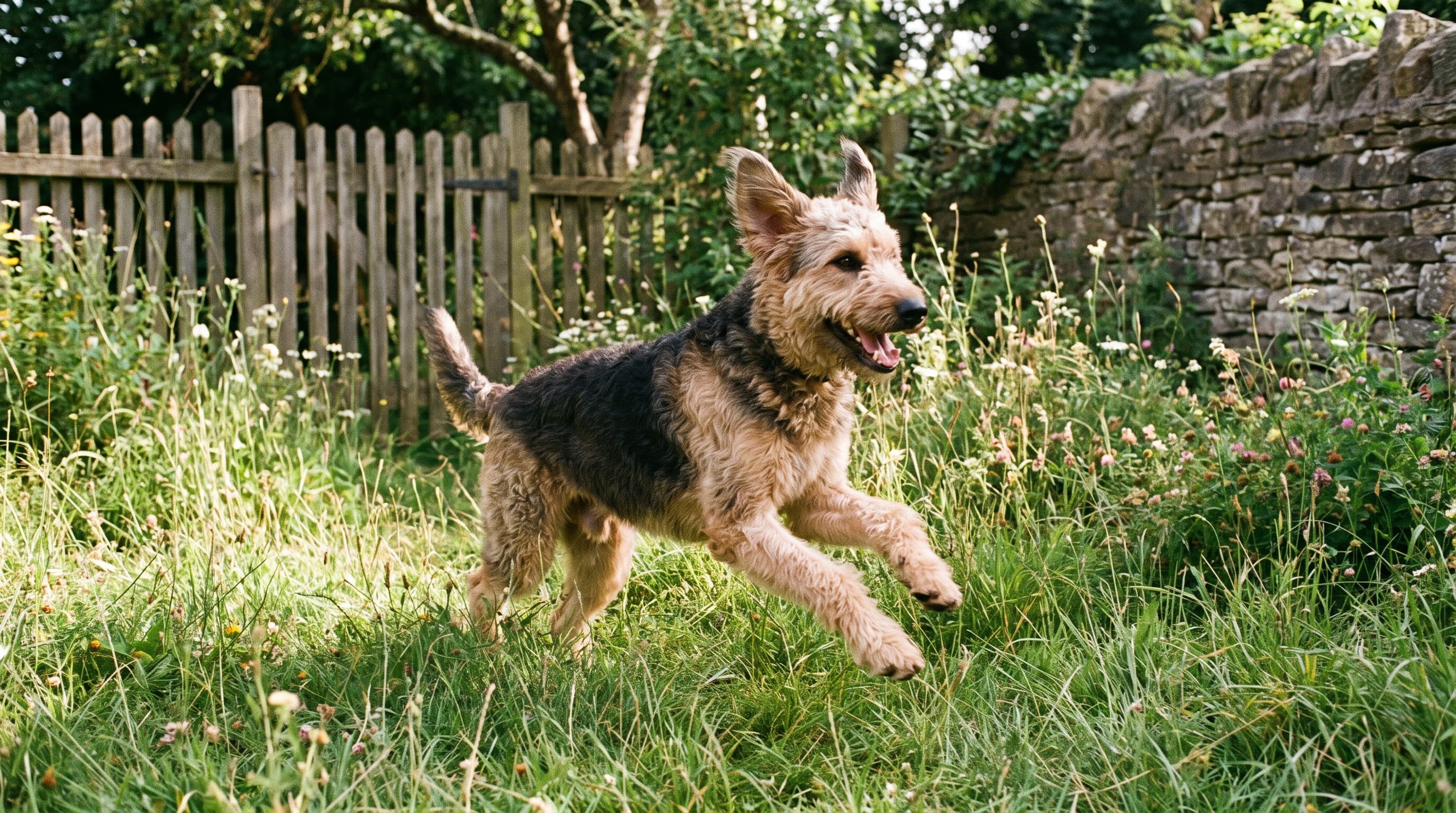

Shepadoodle: The Complete Guide to the German Shepherd Poodle Mix
A shepadoodle is a designer crossbreed between a German Shepherd and a Poodle. These dogs are famously smart, loyal, and high-energy, and thanks to their Poodle parentage they are often low-shedding. Size varies widely with the Poodle used, but most stand 22 to 28 inches tall, weigh 50 to 90 pounds, and live 12 to 14 years.
What Is a Shepadoodle?
The shepadoodle (sometimes spelled "shepherdoodle" or "shep-a-doodle") is a hybrid that combines two of the most intelligent working breeds in the canine world: the German Shepherd Dog and the Poodle. The goal of the cross is to blend the German Shepherd's loyalty, trainability, and protective instinct with the Poodle's athleticism and low-shedding coat.
Unlike purebred dogs, the shepadoodle is not recognized by the American Kennel Club as a standardized breed, so there is no official written standard. Its traits fall along a spectrum between the two parents. According to PetMD, the cross is believed to have been developed in the United States in the 1960s, reportedly when the U.S. Army experimented with the pairing for working and police roles. Today it is bred almost entirely as a family companion.
Most shepadoodles are "F1" crosses, meaning a purebred German Shepherd bred directly to a purebred Poodle. Some breeders produce "F1B" dogs (an F1 shepadoodle bred back to a Poodle) to increase the odds of a curlier, lower-shedding coat. If you love the doodle look but want to compare temperaments, it is worth reading up on close cousins like the sheepadoodle and the aussiedoodle before you commit.
Appearance and Size
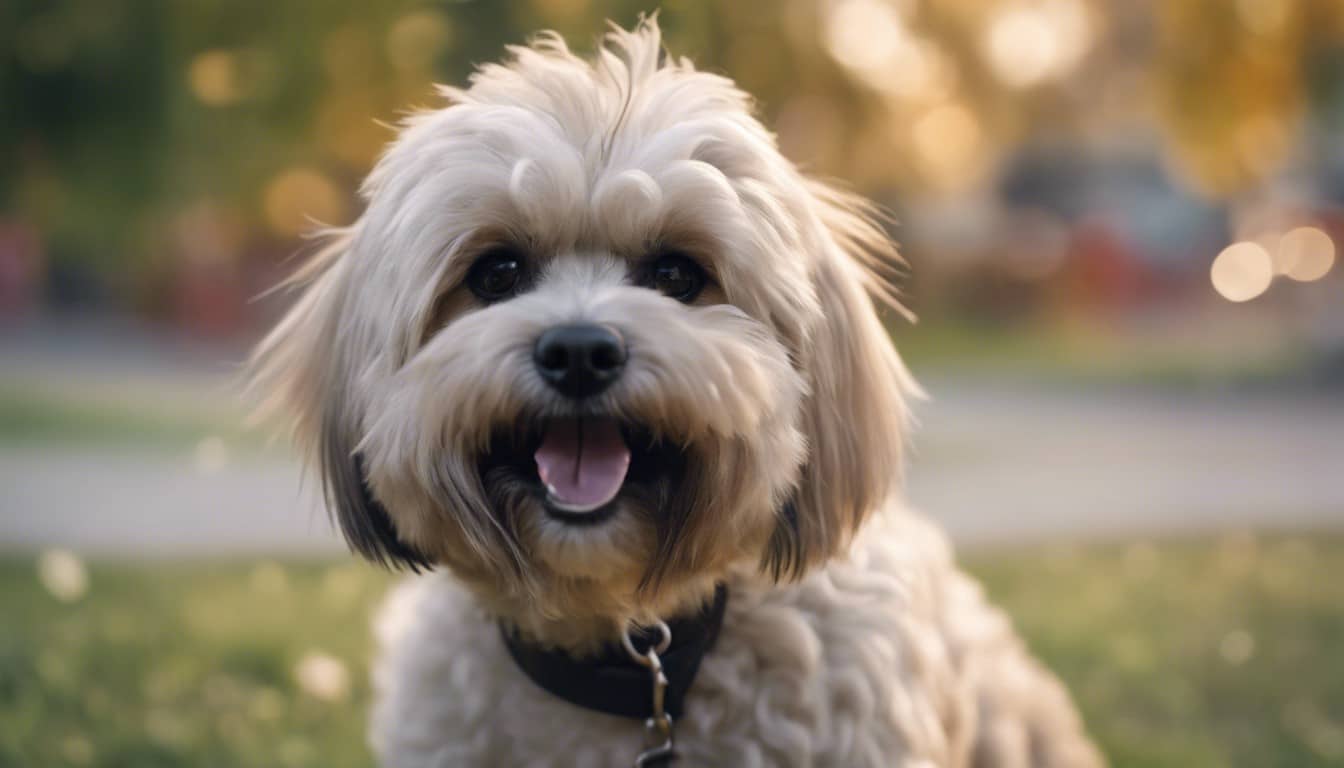
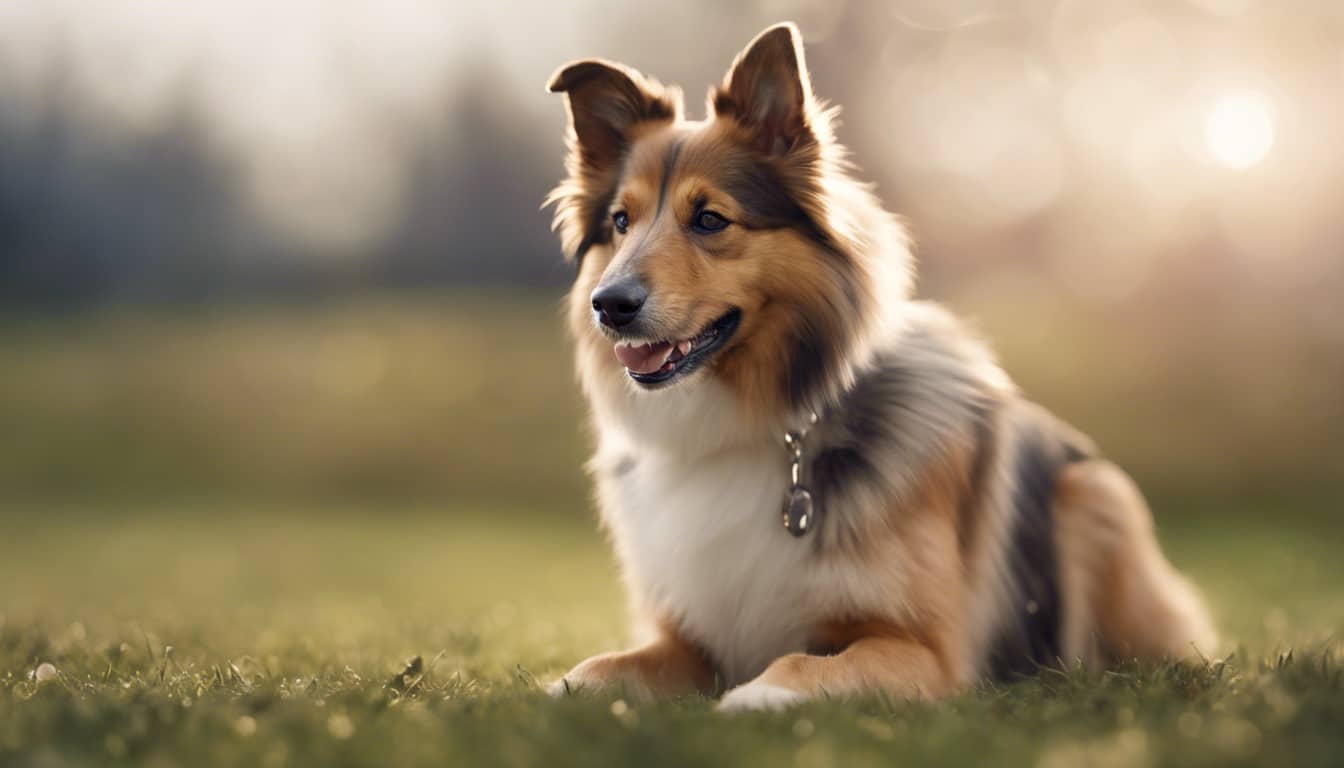
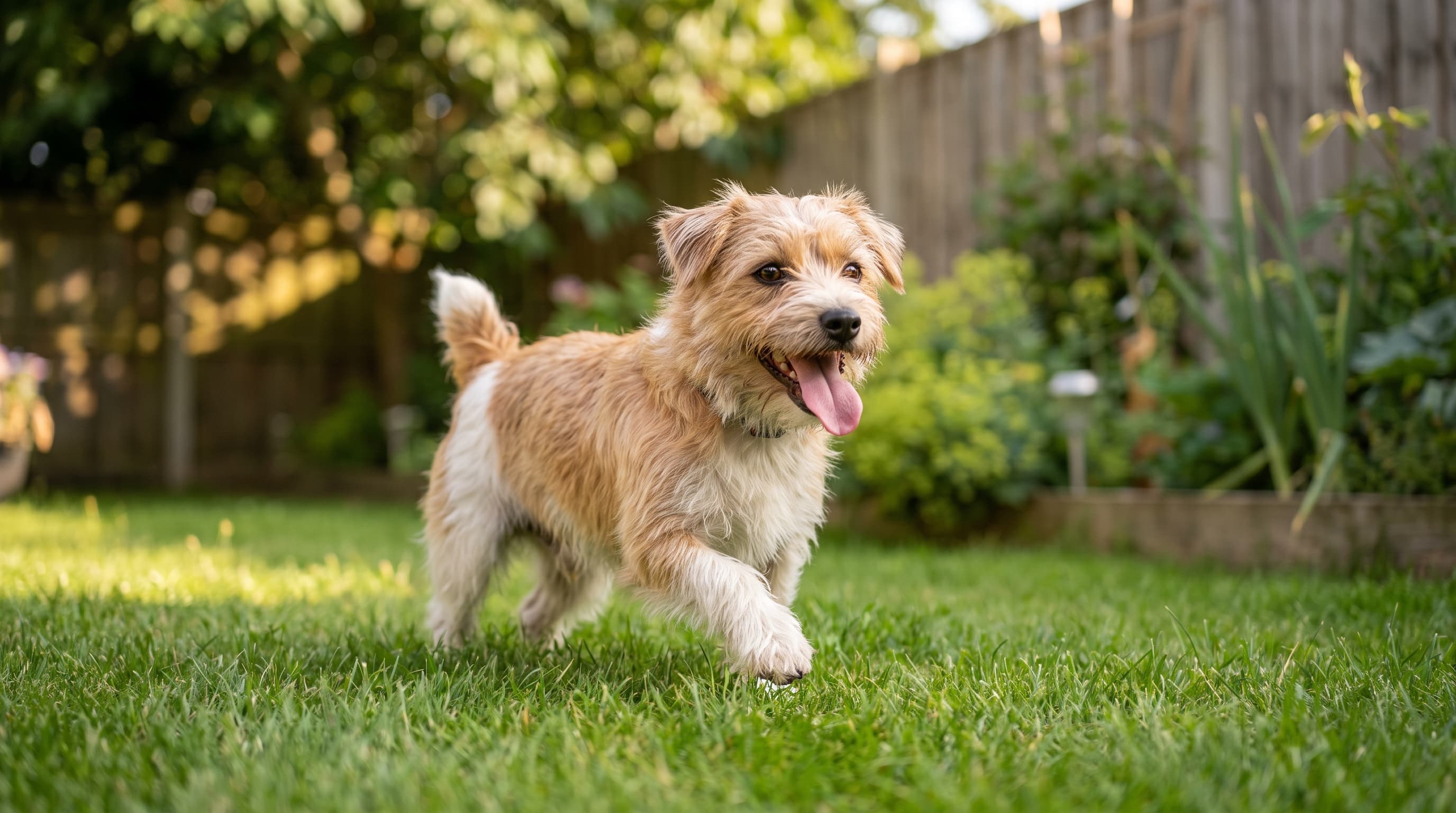
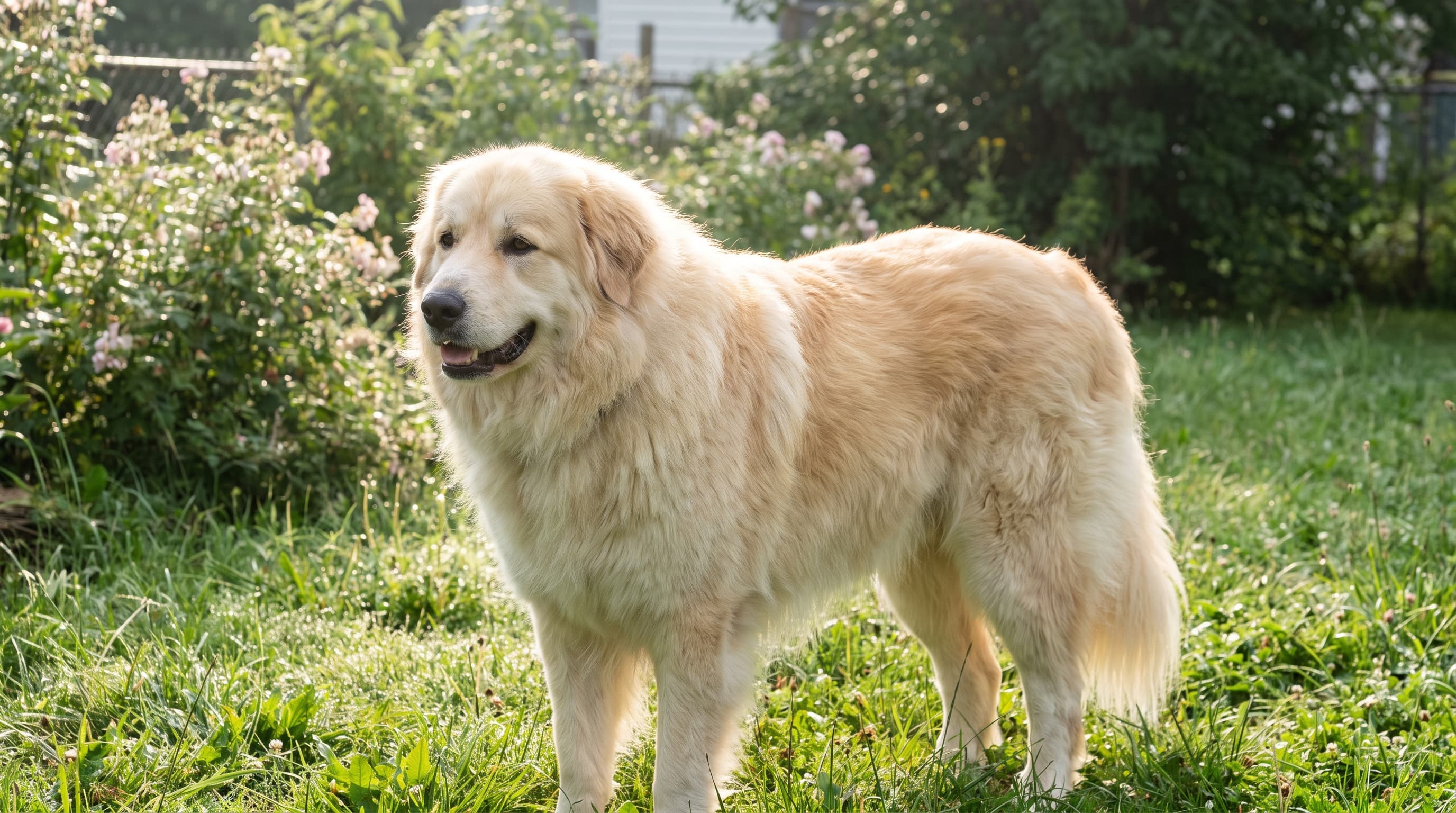
Shepadoodles are medium-to-large dogs with an athletic, well-proportioned build. Coat color commonly includes black, cream, white, tan, sable, gray, and black-and-tan combinations, often with the shaded or "phantom" markings inherited from a German Shepherd parent.
Size is the single most variable trait, and it depends almost entirely on which type of Poodle was used:
- Standard shepadoodle: The most common version, bred from a Standard Poodle. Expect roughly 22 to 28 inches at the shoulder and 50 to 90 pounds full grown.
- Medium/Moyen shepadoodle: Bred from a smaller Standard or Moyen Poodle, typically 30 to 50 pounds.
- Miniature shepadoodle: Bred using a Miniature Poodle, generally landing in the 20 to 40 pound range and shorter in stature.
Most shepadoodles reach their full adult height between 12 and 18 months, though larger dogs may continue filling out muscle and chest depth for several months after that. Because the American German Shepherd is itself a large, agile, muscular dog per the American Kennel Club, standard shepadoodles frequently land at the upper end of these ranges.
Coat Types
Shepadoodles inherit one of three general coat types, and this matters more than color if shedding is a concern:
- Curly (wool) coat: Closest to the Poodle, whose curly, low-allergen coat the AKC highlights as a defining trait. Sheds the least but mats easily and needs the most maintenance.
- Wavy (fleece) coat: The most common and most popular. A soft, shaggy wave that is easier to manage and still relatively low-shedding.
- Straight coat: Closest to the German Shepherd, more likely to be double-coated, and the most likely to shed noticeably.
Temperament and Personality
Shepadoodles are best described as confident, alert, deeply loyal, and highly intelligent. Both parent breeds rank among the smartest and most trainable dogs on earth, so this is a mix that genuinely needs a job to do. The AKC describes the German Shepherd as loyal, confident, and courageous, while the Poodle is prized as an eager, active companion, and the shepadoodle tends to inherit that eager-to-please working drive from both sides.
With their families, shepadoodles are affectionate and bonded to the point of being "velcro dogs." They typically do well with children and other pets when raised with them, though their size and exuberance mean interactions with toddlers and very small animals should be supervised. Many retain the German Shepherd's natural watchfulness, which makes them alert and sometimes reserved with strangers.
Because they are so smart, a bored or under-exercised shepadoodle can become anxious, vocal, or destructive. Early socialization is essential to keep the protective instinct from tipping into wariness. Remember that upbringing and environment shape temperament at least as much as breed genetics do.
Shedding and Grooming: Are Shepadoodles Hypoallergenic?
This is the number-one reason people seek out a shepadoodle, so it deserves a straight answer: no dog is truly 100% hypoallergenic. Most people with dog allergies react to proteins in saliva and dander, not to hair itself. That said, shepadoodles with curly or wavy Poodle-type coats shed very little, which means far less dander and hair distributed around your home, and many allergy sufferers tolerate them well.
Straight-coated shepadoodles that take after the German Shepherd side can shed noticeably and are the least allergy-friendly. There is no guarantee which coat a given puppy will get, which is why F1B dogs are popular with allergy-sensitive buyers.
Grooming needs are moderate to high:
- Brushing: 2 to 3 times a week for wavy coats; curly coats often need near-daily brushing to prevent painful matting.
- Professional grooming: A trim every 6 to 12 weeks keeps the coat manageable. If you want ideas, our guide to Poodle haircuts translates well to doodle coats.
- Routine care: Bathe every 4 to 6 weeks, check and clean the ears regularly (floppy doodle ears trap moisture), and keep nails trimmed.
If low-shedding is your top priority but you are still comparing options, the goldendoodle and labradoodle are gentler-tempered doodle alternatives worth a look.
Training and Exercise
Few mixes are as trainable as the shepadoodle. Both parents are working breeds bred to take direction, so these dogs pick up commands quickly and thrive on structured, reward-based training. Start obedience and socialization early, keep sessions engaging, and give them a mental "job" through puzzle toys, scent games, agility, or advanced trick training.
Exercise is non-negotiable. Plan on roughly 1.5 to 2 hours of physical activity per day, split into walks, runs, fetch, or off-leash play in a secure yard. A shepadoodle that does not get enough exercise and mental stimulation will often invent its own outlets, usually barking, digging, chewing, or general mischief. For that reason they suit active households and homes with a yard far better than sedentary apartment life.
Health and Lifespan
Shepadoodles typically live 12 to 14 years. Hybrids can benefit from greater genetic diversity, but they can still inherit conditions common to either parent, so buying from a breeder who does health testing matters. Surface-level, the conditions to be aware of include:
- Hip and elbow dysplasia: A malformation of the joint common in larger dogs. See VCA Animal Hospitals for how it develops and is managed.
- Bloat (gastric dilatation-volvulus): A life-threatening emergency most common in large, deep-chested dogs, as VCA explains. Learn the warning signs.
- Degenerative myelopathy: A progressive spinal-cord disease the German Shepherd is prone to.
- Von Willebrand disease and sebaceous adenitis: A blood-clotting disorder and a skin condition, respectively, both associated with the Poodle side.
- Eye conditions and epilepsy: Occasionally seen in the mix.
A reputable breeder should provide OFA or PennHIP hip clearances, eye exams, and DNA testing for degenerative myelopathy on the parent dogs. This is not a substitute for veterinary advice; always consult your own vet for a health plan tailored to your dog.
Cost and Finding a Puppy
Shepadoodle puppy prices vary widely by breeder reputation, location, coat type, and lineage. Most fall in the range of roughly $1,000 to $3,000, with health-tested lines and sought-after curly coats at the higher end. Beyond the purchase price, budget for ongoing costs: quality food, routine and emergency veterinary care (which can run $1,000 to $3,000 a year), and professional grooming every 6 to 12 weeks for the life of the dog.
When choosing a breeder, insist on meeting the parents, ask to see health-testing paperwork, and be wary of anyone selling multiple "designer" litters with no questions asked, a classic red flag for puppy mills. Rescue is also a real option: breed-specific doodle and German Shepherd rescues occasionally have shepadoodles and shepadoodle mixes needing homes, and general shelters list them too.
Not sure the shepadoodle's intensity is right for you? Comparing it against a purebred parent or a mellower cross helps. Our German Shepherd mix overview is a good next stop.
Frequently Asked Questions
Do shepadoodles shed a lot?
Most do not. Shepadoodles with curly or wavy Poodle-type coats shed minimally. Straight-coated dogs that favor the German Shepherd parent shed more. No shepadoodle is completely non-shedding, and coat type cannot be guaranteed from birth.
How big do shepadoodles get?
It depends on the Poodle used. Standard shepadoodles usually reach 50 to 90 pounds and 22 to 28 inches tall, while miniature versions may stay in the 20 to 40 pound range. Most are full grown by 12 to 18 months.
Are shepadoodles good family dogs?
Yes, for active families. They are loyal, affectionate, and typically great with children and other pets when socialized early. Their size and energy mean supervision around toddlers is wise, and they need a household that can meet their high exercise needs.
Are shepadoodles hypoallergenic?
No dog is fully hypoallergenic, but low-shedding curly and wavy-coated shepadoodles produce less dander and hair and are often tolerated well by allergy sufferers. Spend time with an adult dog before committing if allergies are a concern.
How long do shepadoodles live?
The typical shepadoodle lifespan is 12 to 14 years. Good nutrition, regular exercise, weight management, and buying from health-tested parents all help maximize both lifespan and quality of life.
Are shepadoodles easy to train?
Very. Both parent breeds are among the most intelligent and trainable dogs, so shepadoodles learn quickly and love having a job. They respond best to consistent, positive, reward-based training started in puppyhood.
Explore More Doodle Guides
Deciding between doodle mixes or comparing the shepadoodle to a parent breed? Keep reading:
Love smart, active dogs? Subscribe to the Daily Wag newsletter for breed guides, training tips, and grooming advice delivered straight to your inbox.