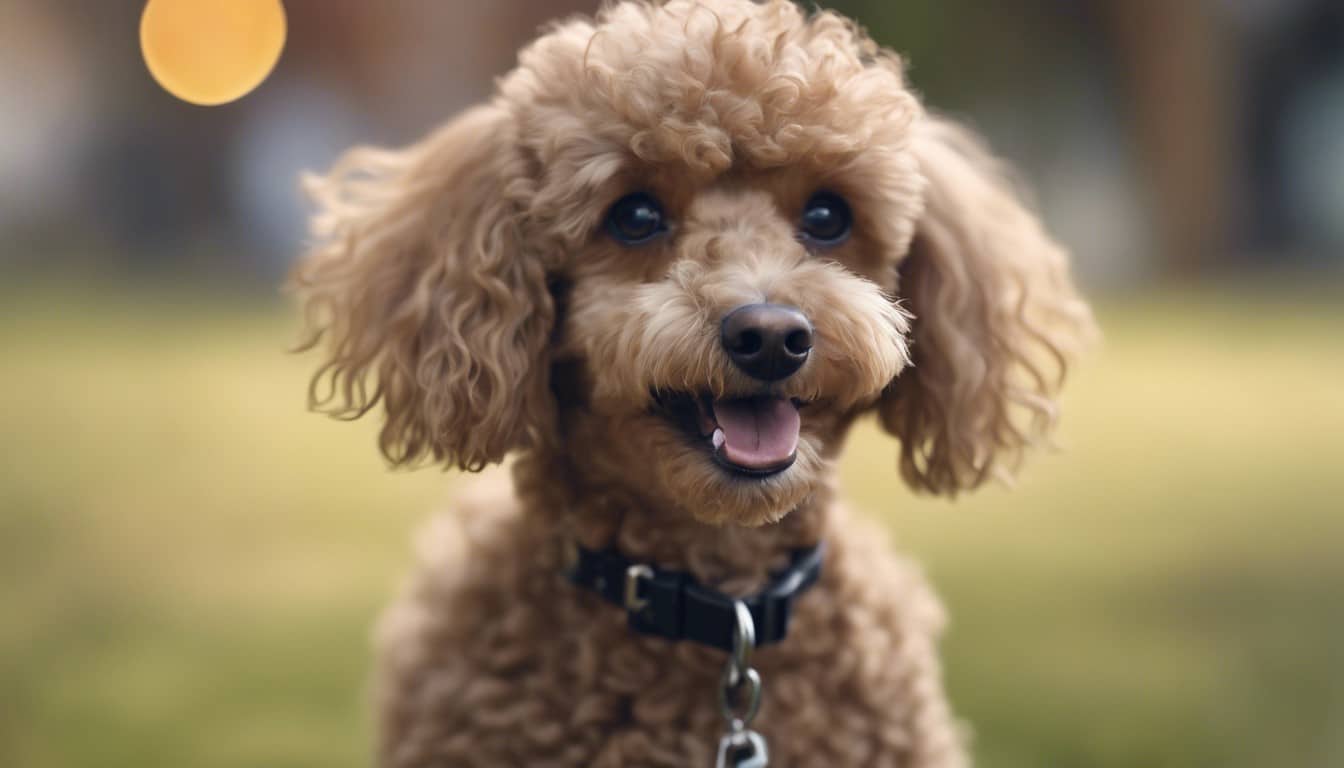

The Miniature Poodle is one of three size varieties of Poodle officially recognized by the American Kennel Club (alongside the Standard and Toy) and is widely considered one of the smartest dog breeds on the planet — ranked second only to the Border Collie by canine psychologist Stanley Coren. Standing 10 to 15 inches tall and weighing 10 to 15 pounds, the Mini Poodle packs Standard Poodle brains, agility, and trainability into an apartment-friendly, low-shedding package. This guide covers everything a prospective or current owner needs to know: appearance, size comparisons, history, temperament, health, grooming, costs, and how to find a reputable Miniature Poodle puppy.
Miniature Poodle at a Glance
- Breed group: Non-Sporting Group (AKC); Utility Group (UK Kennel Club)
- Height: 10–15 inches at the shoulder (anything over 15 inches is a Standard; anything 10 inches or under is a Toy)
- Weight: 10–15 pounds
- Lifespan: 10–18 years (commonly 13–15)
- Coat: Single-layer, curly or corded; dense, harsh-textured
- Shedding: Very low — considered one of the most allergy-friendly breeds
- Colors: Black, white, apricot, silver, blue, gray, brown, cream, café-au-lait, red, silver beige
- Energy level: Moderate to high
- Trainability: Exceptional — ranked #2 in working and obedience intelligence
- Good with kids: Yes, with respectful older children (delicate frame around toddlers)
- Good with other dogs: Generally yes, with socialization
- Barking tendency: Moderate to high — alert watchdogs
- Grooming needs: High — professional grooming every 4–6 weeks plus weekly brushing
- Origin: Germany (developed and refined in France)
Appearance
The Miniature Poodle looks exactly like a Standard Poodle viewed through the wrong end of a telescope. According to the official AKC breed standard, the Poodle should be "squarely built" — meaning the length of body from breastbone to rump roughly equals the height from withers to ground. The proportions, bone structure, and overall carriage are identical across all three sizes; only the dimensions change.
Body: Square, balanced, and athletic. The chest is deep and moderately wide, the back short and level, and the topline straight. Despite the show-ring fluff, underneath is a genuinely sporty water retriever.
Head: Long, refined, and chiseled with a slightly rounded skull and a long, straight muzzle. Almond-shaped eyes (dark and oval) convey the breed's hallmark intelligence and dignity. The ears hang close to the head, set at or slightly below eye level, and are covered in long, wavy hair.
Tail: Set high and carried up. Historically docked to about half its length in the United States, though docking is now banned in many countries and increasingly debated in the U.S.
Coat: The Mini Poodle has a single-layer, dense, curly coat with a harsh, springy texture. A less common variant — the corded coat — forms tight, rope-like cords reminiscent of a Komondor or Puli. Show dogs typically wear the curly coat in highly stylized clips.
Colors: Solid colors are required for the AKC show ring. Common shades include jet black, pure white, apricot, silver, blue (a dilute black that fades from puppyhood), gray, brown, cream, café-au-lait, red, and silver beige. Parti-colored (multi-colored) Miniature Poodles exist and are pet-quality only by AKC standards — though they are popular and equally healthy.
Miniature Poodle vs Toy Poodle vs Standard Poodle
One of the most common questions prospective owners ask: what's the actual difference between the three Poodle sizes? They are the same breed — same standard, same temperament tendencies, same coat — but the size gap is significant and has real lifestyle implications.
| Attribute | Toy Poodle | Miniature Poodle | Standard Poodle |
|---|---|---|---|
| Height | 10 inches or under | 10–15 inches | Over 15 inches (typically 18–24) |
| Weight | 4–6 lbs | 10–15 lbs | 40–70 lbs |
| Lifespan | 14–18 years | 10–18 years | 10–13 years |
| Energy | Moderate | Moderate–high | High |
| Best for | Apartments, gentle homes, seniors | Apartments to suburban homes, families with older kids, active adults | Homes with yards, active families, allergy-prone households needing a larger dog |
| Exercise needs | 30–45 min/day | 45–60 min/day | 60+ min/day |
| Grooming cost | $50–$80 per session | $60–$90 per session | $90–$150 per session |
Which one is right for you? The Mini Poodle is often considered the "Goldilocks" Poodle — big enough to romp at the dog park and join you for a 3-mile hike, small enough to travel easily and live in an apartment, and sturdy enough to be a reasonable family dog. The Toy Poodle is a true lap and purse dog with a more fragile build. The Standard Poodle is athletic enough to be a hunting companion and tall enough to look you in the eye from the couch.
One important note: all three sizes share the same coat care requirements. If you can't commit to professional grooming every 4–6 weeks plus brushing several times per week, none of the Poodle sizes is the right breed for you.
History
Despite their tight French association — the Poodle is the national dog of France — the breed almost certainly originated in Germany as a water retriever. The name comes from the German "Pudelhund," roughly meaning "splashing dog," from pudeln ("to splash") and Hund ("dog"). The traditional show clip, with its shaved hindquarters and pompoms at the joints, was originally functional — it reduced drag while swimming while keeping vital organs and joints insulated against cold water.
Poodles were widely used across Europe by the 16th century as duck hunters, retrieving downed waterfowl for hunters in the marshes of Germany, France, the Netherlands, and beyond. The French took the breed to heart, refining it for companionship and developing the smaller varieties through selective breeding of the smallest hunting Poodles.
The Miniature Poodle emerged in the 18th and 19th centuries, bred down from the Standard for companionship and for performing in circuses and traveling shows across Europe. The Toy Poodle followed in the early 20th century, refined primarily in the United States.
The American Kennel Club recognized the Poodle in 1887, with the Miniature and Toy varieties officially distinguished by size shortly after. According to the AKC, Poodles consistently rank among the top 10 most popular breeds in America, and have been the #1 most registered breed in Britain at multiple points in the 20th century. The Poodle Club of America, founded in 1931, remains the breed's parent club.
Temperament & Personality
The Miniature Poodle's defining trait — beyond the coat — is its intelligence. In Stanley Coren's seminal book The Intelligence of Dogs, the Poodle ranks #2 out of 138 breeds in working and obedience intelligence, behind only the Border Collie. Coren's data, drawn from 199 obedience judges, found that Poodles learn new commands in fewer than five repetitions and respond correctly to known commands 95% of the time or better on the first attempt.
In day-to-day terms, that intelligence shows up as:
- Eagerness to learn: Mini Poodles enjoy training sessions and pick up tricks effortlessly.
- Sensitivity: They read their owner's mood, tone, and body language — a strength that becomes a liability if handled harshly.
- Need for mental stimulation: A bored Poodle is a destructive Poodle. Puzzle toys, training, scent work, and trick learning are non-negotiable.
- Problem-solving: They will figure out how to open cabinets, defeat baby gates, and steal forbidden snacks if motivated.
With family: Miniature Poodles bond closely with their people — often forming an especially strong attachment to one household member while remaining affectionate with everyone else. They want to be in the room with you, not stashed in a crate or yard.
With children: Generally excellent with respectful older children (think 7+). They are sturdier than Toy Poodles but still small enough that very young children can accidentally injure them. Always supervise.
With other pets: Well-socialized Minis get along beautifully with other dogs and tolerate cats. They have a moderate retrieving instinct rather than a strong prey drive.
Alone time: This is the Mini Poodle's biggest weakness. They are prone to separation anxiety and don't do well left alone for more than 4–6 hours at a time. If you work long hours away from home, plan for a midday walker or doggy daycare.
Watchdog ability: Excellent. Minis are alert, observant, and quick to bark at unfamiliar sounds — sometimes excessively. They make poor guard dogs (too small) but reliable alert dogs.
Health
The Miniature Poodle is overall a long-lived, healthy breed, but certain hereditary and breed-specific conditions are worth knowing about. Always work with breeders who screen their breeding stock through the OFA and follow the Poodle Club of America's recommended health testing protocol.
Common conditions in Miniature Poodles:
- Progressive Retinal Atrophy (PRA): An inherited degeneration of the retina that leads to night blindness and eventual full vision loss. There's a DNA test — reputable breeders screen for it.
- Cataracts: Cloudy lenses that can impair vision; surgically correctable.
- Epilepsy: Idiopathic epilepsy (seizures of unknown cause) occurs at a somewhat elevated rate in Poodles. Manageable with veterinary care.
- Addison's Disease: Adrenal insufficiency producing weakness, vomiting, and electrolyte imbalances. More common in female Poodles; treated lifelong with hormone replacement.
- Hip Dysplasia: Less common in Minis than in Standards, but still on the radar. OFA hip evaluations matter.
- Patellar Luxation: Slipping kneecaps — common in small breeds. Surgically correctable in severe cases.
- Sebaceous Adenitis: An inflammatory skin condition that destroys the sebaceous glands, leading to hair loss and dry, flaky skin. Standard Poodles are more affected, but Minis can develop it too.
- Legg-Calvé-Perthes Disease: A hip joint condition affecting small breeds; often surgically corrected with FHO surgery.
- Dental disease: Like most small breeds, Mini Poodles are prone to tartar, gum disease, and tooth loss without regular dental care.
- Bloat (Gastric Dilatation-Volvulus): Far less common than in Standards but worth knowing the signs.
The American Veterinary Medical Association recommends annual wellness exams, semi-annual visits for senior dogs (7+), and consistent dental cleanings to extend lifespan and quality of life.
Exercise Needs
The Miniature Poodle is far more athletic than its show-ring fluff suggests. As a former water retriever, the Mini needs 45 to 60 minutes of daily exercise, ideally a mix of physical activity and mental stimulation.
Good exercise options for Minis:
- Two brisk 20–30 minute walks per day
- Off-leash play at a fenced dog park or yard
- Fetch — they love it and excel at it
- Swimming (true to their water-retriever roots)
- Hiking on moderate trails
- Canine sports: agility, obedience, rally, dock diving, scent work, barn hunt
Mini Poodles are among the most successful breeds in agility competitions, where their athleticism, speed, and trainability all converge. Even if you have no interest in titles, a once-weekly agility class will engage your dog's body and brain in a way that walks alone cannot.
Mental exercise counts too. A 15-minute training session can tire a Poodle more thoroughly than a 30-minute walk. Rotate puzzle feeders, snuffle mats, and treat-dispensing toys to keep mealtimes engaging.
Training
If you've ever wanted to brag about your dog's trick repertoire, get a Mini Poodle. They are arguably the easiest breed to train in the world.
What works:
- Positive reinforcement. Mark-and-reward training (clicker training) clicks instantly with Poodles. They are food-motivated, toy-motivated, and praise-motivated.
- Short, frequent sessions. Three 5-minute sessions a day beat one 30-minute session.
- Variety. Poodles get bored with endless drilling of the same cue. Mix it up.
- Early socialization. Enroll in a puppy class between 8 and 16 weeks. Expose your Mini to a wide range of people, sounds, surfaces, and other vaccinated dogs.
- Crate training and house training. Mini Poodles take to both readily; consistent routines accelerate the process.
What doesn't work: Harsh corrections, prong collars, dominance-based methods. Poodles are sensitive and shut down under pressure. They respond to partnership, not pressure.
Watch for: Excessive barking. Their natural alertness combined with sharp intelligence means they notice everything — and they'll tell you about it. Train a reliable "quiet" or "thank you" cue early, and don't reinforce nuisance barking with attention.
Grooming
Grooming is the single biggest commitment of Miniature Poodle ownership. The breed does not shed in the traditional sense — instead, loose hairs stay trapped in the curls and form mats unless removed manually. Neglecting a Poodle coat for even two or three weeks can produce a pelt-like mat that requires shaving down to the skin.
Daily/weekly at-home routine:
- Brushing: 3–4 times per week (daily if the coat is long). Use a slicker brush followed by a metal comb to confirm you've reached the skin.
- Ear cleaning: Weekly. Poodles grow hair inside the ear canal, which traps moisture and predisposes them to infections. Pluck or trim as needed.
- Teeth brushing: 3+ times per week (daily ideal) with dog-safe enzymatic toothpaste.
- Nail trim: Every 2–4 weeks depending on activity level.
- Eye cleaning: Wipe tear staining daily, especially in lighter-coated Minis.
Professional grooming schedule: Every 4 to 6 weeks. Mini Poodle puppies need their first groom around 12–16 weeks of age to establish a positive lifelong relationship with the grooming table.
Popular Miniature Poodle haircuts:
- Puppy Cut: A simple, even all-over length of 1–2 inches. The most popular pet clip — practical, cute, easy to maintain. Despite the name, adult Poodles can wear it too.
- Teddy Bear / Lamb Trim: Slightly longer on the legs, with a rounded face that gives a "teddy bear" appearance. Hugely popular for doodle-style cuts.
- Continental Clip: The classic show clip — shaved hindquarters and face, with pompoms on the ankles, hips, and tail. High-maintenance, dramatic.
- English Saddle Clip: Similar to the Continental, but with a "saddle" of hair over the hindquarters instead of shaving.
- Sporting / Kennel Clip: Short and even all over the body, with a slightly longer topknot and tail pompom. Practical for active dogs.
- Modern / Town & Country Clip: A clean, contemporary look — short on the body, slightly longer on the legs, neat round face.
For a deeper dive into clip options, see our guide to Poodle haircuts. Whichever style you choose, consistency matters more than the specific clip — your groomer will refine the look once they get to know your dog's coat.
Nutrition
Feed your Miniature Poodle a high-quality, AAFCO-approved complete-and-balanced dog food appropriate for their life stage. Most adult Minis do well on 3/4 to 1 cup of dry food per day, split into two meals. Active dogs may need slightly more; couch-leaning Minis slightly less.
Look for foods with:
- A named animal protein (chicken, lamb, fish, turkey) as the first ingredient
- Moderate fat (12–18%)
- Omega-3 fatty acids (especially for skin and coat)
- Whole-food carbohydrates rather than corn syrup or sugar
Foods to avoid: Chocolate, grapes, raisins, onions, garlic, xylitol (in sugar-free gum and some peanut butters), macadamia nuts, raw bread dough, and cooked bones. These are toxic or dangerous to dogs of any size, but a 12-pound Mini hits dangerous doses on much less than a Standard would.
Free-feeding is generally a bad idea — Minis can overeat and become obese, which strains their joints, especially the kneecaps. Stick to measured meals on a schedule.
Some Mini Poodles have food sensitivities (chicken and grain being common culprits). If you notice itchy skin, ear infections, or loose stools, talk to your vet about an elimination diet trial.
Is the Miniature Poodle Right for You?
Mini Poodles are extraordinary dogs, but the breed isn't for everyone. Honest pros and cons:
Pros:
- Extremely intelligent and trainable
- Low-shedding and allergy-friendly
- Long-lived (often 14+ years)
- Adaptable to apartments, condos, or houses
- Affectionate and bonded to family
- Excellent at canine sports
- Travel-friendly size
Cons:
- High grooming costs and time commitment
- Prone to separation anxiety
- Can be barky if not trained
- Requires significant mental stimulation
- Sensitive to harsh handling
- Reputable puppies are expensive ($2,000–$4,000+)
The ideal Mini Poodle home has someone present most of the day, a reasonable grooming budget, and an owner willing to invest in training and enrichment. If that sounds like you, few breeds will reward your effort more handsomely.
Looking at other small, low-shedding companions? You might also consider the Maltipoo or, if you want a larger doodle, the Goldendoodle.
Finding a Miniature Poodle
Reputable breeders: Start with the Poodle Club of America breeder directory and AKC's marketplace. A good Mini Poodle breeder will:
- Perform OFA health testing on parents (hips, eyes, patellas, cardiac, and a DNA panel including PRA)
- Raise puppies in their home, not a kennel
- Begin socialization (handling, sounds, surfaces) by 3 weeks
- Place puppies no younger than 8 weeks
- Provide written health guarantees and ask buyers detailed screening questions
- Take dogs back at any age if you can't keep them
Red flags: Multiple litters always available, no health testing mentioned, will ship puppies sight-unseen, prices well below market (under $1,500), parents not on site, or pressure to buy quickly. These are hallmarks of puppy mills and backyard breeders.
Rescue and rehoming: Miniature Poodles are surrendered surprisingly often, usually because owners underestimated grooming or training needs. Check Poodle Club of America Rescue Foundation, breed-specific rescues (Poodle Rescue of New England, NorCal Poodle Rescue, Carolina Poodle Rescue), and general rescues like Petfinder. Adopting an adult Poodle skips the chewing-and-housetraining stage and can be deeply rewarding.
Cost of Ownership
The Miniature Poodle is a financially significant commitment. Here's a realistic breakdown.
One-time / startup costs:
- Puppy from reputable breeder: $2,000–$4,000+ (rescue: $200–$600)
- Initial vet (vaccines, spay/neuter, microchip): $400–$800
- Crate, bed, leash, collar, bowls, toys: $200–$400
- Puppy training class: $150–$300
Recurring annual costs:
- Professional grooming: $600–$1,200/year ($60–$100 per visit, every 4–6 weeks)
- Food: $400–$700
- Routine veterinary care: $300–$600
- Pet insurance: $360–$700
- Flea, tick, and heartworm prevention: $150–$300
- Toys, treats, replacement gear: $200–$400
- Boarding or daycare (variable): $0–$1,500+
Expect to spend roughly $2,000–$4,500 per year on a Miniature Poodle, with grooming as the dominant recurring expense. Learning to groom at home can cut costs significantly (a quality clipper, scissor set, and table runs $300–$600 up front), but mastering the technique takes practice.
Frequently Asked Questions
How big does a Miniature Poodle get?
Miniature Poodles stand 10 to 15 inches at the shoulder and weigh 10 to 15 pounds at maturity. Anything taller than 15 inches is officially a Standard Poodle; anything 10 inches or under is a Toy.
How long do Miniature Poodles live?
Miniature Poodles typically live 10 to 18 years, with an average lifespan of 13 to 15 years — one of the longest of any breed. Good nutrition, regular dental care, healthy weight, and routine veterinary visits help maximize their lifespan.
Are Miniature Poodles hypoallergenic?
No dog is truly hypoallergenic, but Miniature Poodles are widely considered one of the most allergy-friendly breeds. Their single-layer, curly coat sheds very little, trapping loose hair and dander rather than dispersing it. Most people with mild-to-moderate dog allergies tolerate Mini Poodles well.
Are Miniature Poodles good with kids?
Yes, with respectful older children. Mini Poodles are affectionate, playful, and sturdier than Toy Poodles, but their small size means rough play or toddler accidents can injure them. Households with kids 7 and older tend to be the best fit, and supervision is always wise.
How much does a Miniature Poodle cost?
A Miniature Poodle puppy from a reputable breeder typically costs $2,000 to $4,000, with rare colors and show-quality dogs commanding more. Rescue adoptions usually run $200 to $600. Plan for $2,000 to $4,500 annually in ongoing costs, with professional grooming as the largest single expense.
How often do Miniature Poodles need grooming?
Miniature Poodles need professional grooming every 4 to 6 weeks plus at-home brushing 3 to 4 times per week. Skipping grooming, even briefly, can result in painful matting that requires shaving the coat down to the skin.
Do Miniature Poodles bark a lot?
Mini Poodles are alert and observant, which makes them quick to bark at unfamiliar sounds or visitors. With consistent training from puppyhood — particularly a reliable "quiet" cue — barking is very manageable. Untrained Minis can become nuisance barkers.
Are Miniature Poodles smart?
Yes — exceptionally. Stanley Coren ranks the Poodle #2 out of 138 breeds for working and obedience intelligence, behind only the Border Collie. Mini Poodles learn new commands in fewer than five repetitions and respond correctly to known cues over 95% of the time.
Can Miniature Poodles be left alone?
Mini Poodles bond closely with their people and are prone to separation anxiety. Most do well with up to 4–6 hours alone, but full workdays without a midday visit, walker, or daycare can lead to destructive behavior, excessive barking, or stress.
What's the difference between a Miniature Poodle and a Toy Poodle?
Size is the main difference. Toy Poodles stand 10 inches or under and weigh 4 to 6 pounds; Miniature Poodles stand 10 to 15 inches and weigh 10 to 15 pounds. The breed standard, coat type, temperament, and care requirements are otherwise identical.
The Miniature Poodle is a brilliant, devoted, allergy-friendly companion built to last well into your dog's teenage years. If you can meet the grooming and mental-stimulation demands, you'll be rewarded with one of the most capable, trainable, and affectionate dogs the canine world has to offer.