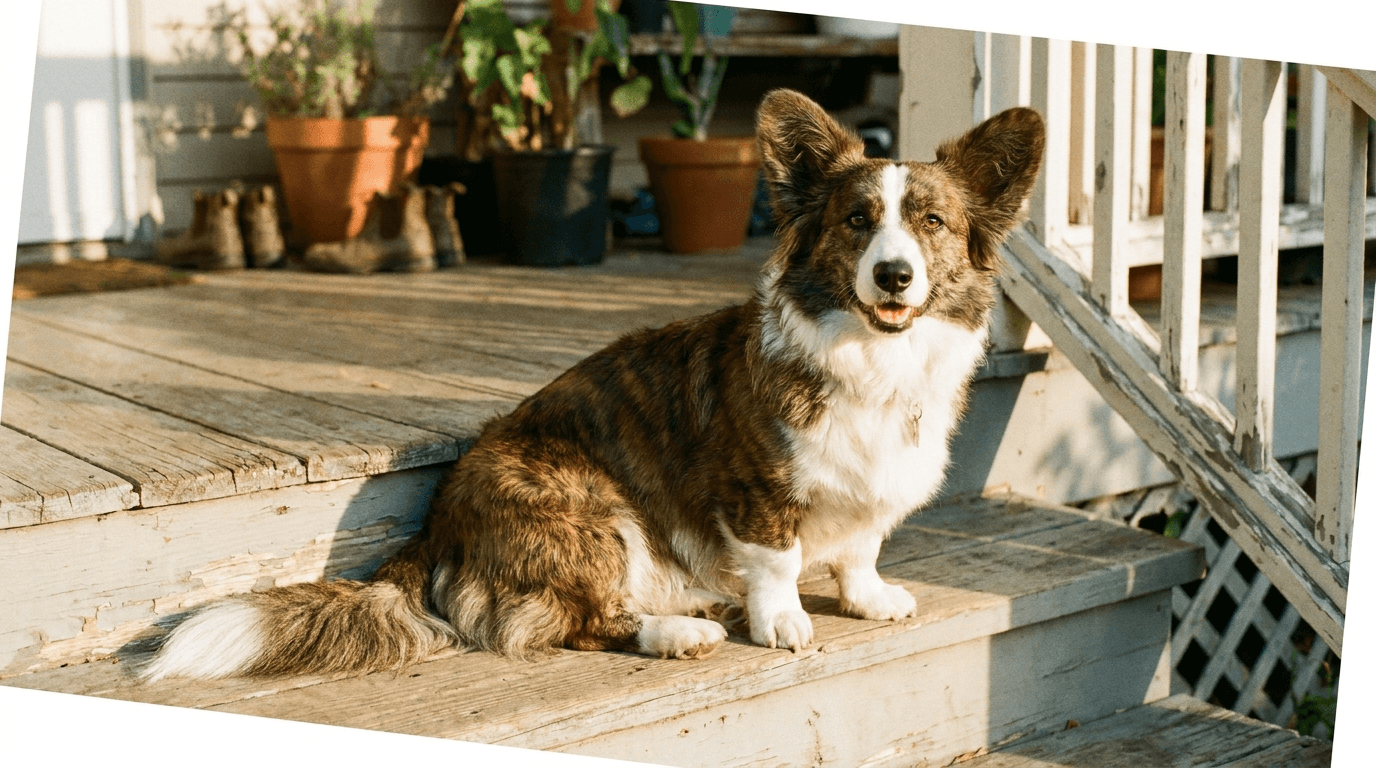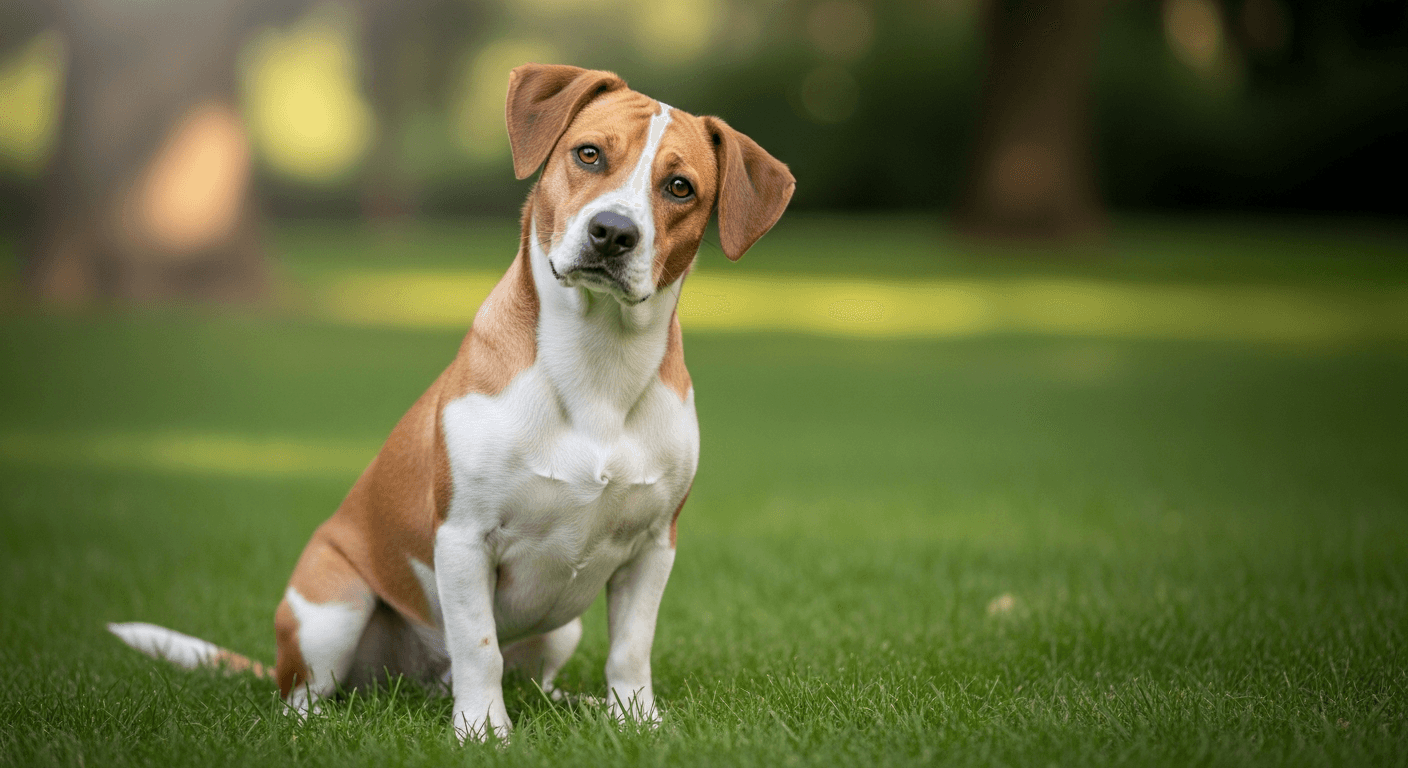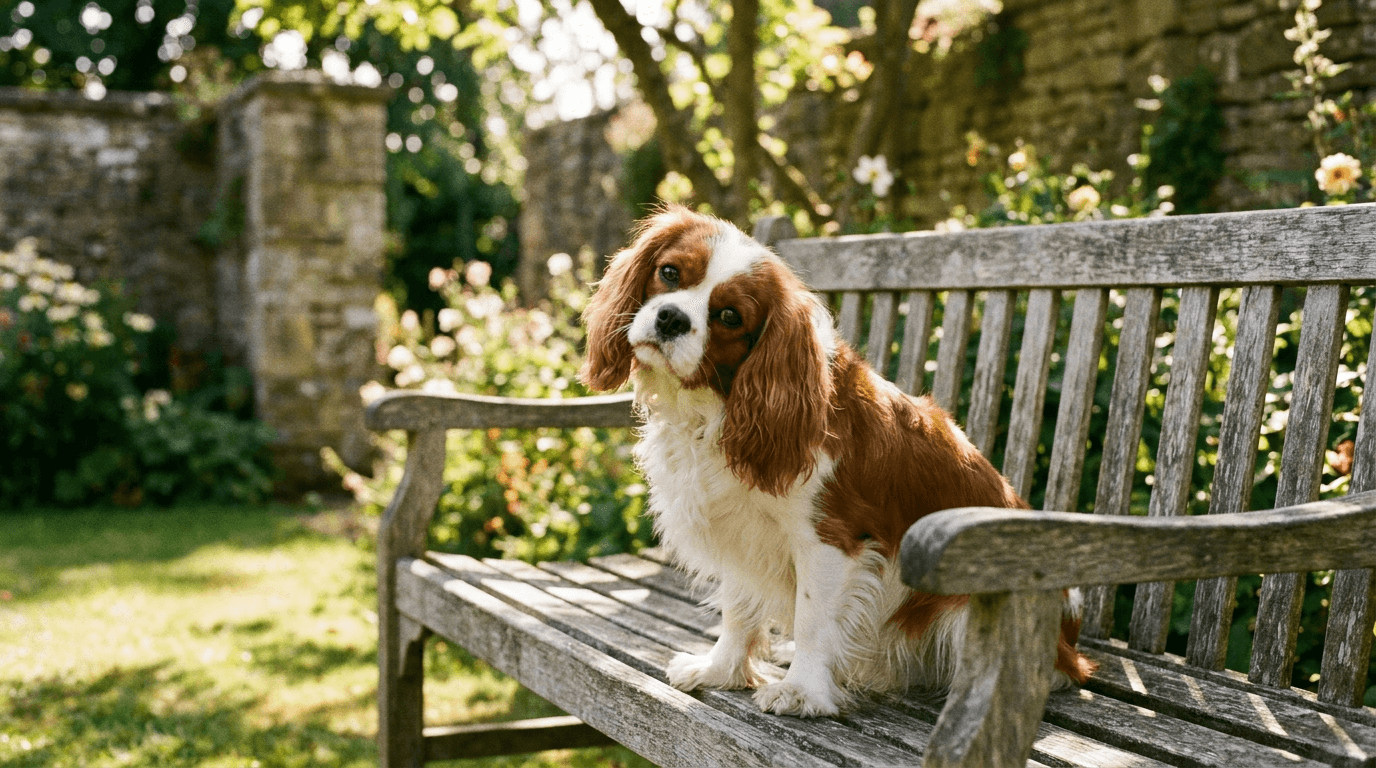

The Cavalier King Charles Spaniel is a toy spaniel with the soulful eyes of a lap dog and the bouncy enthusiasm of a sporting spaniel underneath. Standing 12 to 13 inches tall and weighing 13 to 18 pounds, the Cavalier is named for King Charles II of England, whose court was rarely seen without one. The breed sits in the AKC Toy Group and is consistently ranked among the gentlest, friendliest companion dogs in the world. It is also one of the most health-challenged purebreds in modern dog breeding — which makes choosing a responsible breeder the single most important decision a new owner can make.
Cavalier King Charles Spaniel at a Glance
The fast facts most prospective owners ask about first:
- AKC group: Toy Group (recognized 1995)
- Weight: 13–18 pounds
- Height: 12–13 inches at the shoulder
- Lifespan: 9–14 years (heavily influenced by health testing of parents)
- Coat: Long, silky, slightly wavy with feathering on ears, chest, legs, feet, and tail
- Colors: Four recognized — Blenheim, Tricolor, Black & Tan, and Ruby
- Shedding: Moderate — not a hypoallergenic breed
- Energy level: Low to moderate — happy on the couch, happier on a walk
- Good with kids: Excellent — among the best companion breeds for families
- Good with other pets: Excellent — typically dog- and cat-friendly
- Apartment-friendly: Yes — small, quiet, and adaptable
- Watchdog ability: Poor — too friendly to most strangers to be useful
- Trainability: High — eager to please, food-motivated, soft to correction
Appearance
The Cavalier is one of the larger toy breeds and one of the most elegant. The overall impression is a small, balanced spaniel with a gentle expression, a flowing coat, and the unmistakable round, dark eyes that the breed is known for.
Body: Compact but never stocky. The Cavalier has a level topline, a deep chest for a dog its size, and well-boned legs that allow for surprising stamina on a long walk. A correct Cavalier should look like a small sporting dog, not a delicate toy.
Head and face: The head is gently rounded between the ears — not domed like a King Charles Spaniel (the closely related but distinct breed) and not flat like a setter. The muzzle is full, tapered, and about 1.5 inches long. The eyes are the defining feature: large, round, dark brown, and set well apart, giving the Cavalier its famously soft expression. The ears are long, set high, and covered in abundant feathering.
Coat: Moderately long, silky, and free from curl. Mature dogs develop heavy feathering on the ears, chest, legs, feet, and tail. The coat is one of the breed's loveliest features but does require routine grooming.
The four colors:
- Blenheim: Rich chestnut markings on a pearly white background, named for Blenheim Palace, home of the Dukes of Marlborough whose toy spaniels are the breed's direct ancestors. Some Blenheims carry a chestnut "Blenheim spot" in the middle of the forehead — a desirable mark sometimes called the "Duchess thumbprint."
- Tricolor: Jet black markings broken on a pearly white background, with tan markings over the eyes, on the cheeks, inside the ears, and under the tail.
- Black & Tan: A solid jet-black body with rich tan markings above the eyes, on the cheeks, inside the ears, on the chest and legs, and under the tail.
- Ruby: A solid rich red. The rarest of the four colors, and historically the hardest to breed cleanly.
History
Toy spaniels have been favorites of European royalty since at least the 16th century, but the Cavalier King Charles Spaniel as we know it is a 20th-century reconstruction of a much older type.
King Charles I and his son Charles II of England were both devoted to small spaniels in the mid-1600s — so devoted that Charles II reportedly let his dogs into Parliament and famously decreed that they should be allowed in any public building, including the Houses of Parliament. (The decree, possibly apocryphal but widely repeated, is still technically said to be on the books.) Paintings from the era show small spaniels with long muzzles, flat skulls, and the chestnut-and-white coloring that would later become known as Blenheim.
Through the late 1600s and 1700s, breeders crossed these spaniels with flat-faced Asian toy breeds, gradually producing a shorter-muzzled, domed-skull dog — the modern King Charles Spaniel (also called the English Toy Spaniel in the US). The original, longer-nosed type all but disappeared.
In 1926, American Roswell Eldridge traveled to the Crufts dog show and was so disappointed not to find a dog resembling the spaniels in the old paintings that he offered a 25-pound sterling prize each year for five years for the best male and female "of the old type" with a longer muzzle, a flat skull, and no stop. British breeders eventually took up the challenge. A dog named Ann's Son, owned by Mostyn Walker, became the foundation of the modern breed standard, and in 1928 the first Cavalier King Charles Spaniel Club was formed. The Kennel Club (UK) recognized the breed in 1945; the AKC followed in 1995, making the Cavalier one of the most recently recognized of the major toy breeds.
Today the Cavalier is consistently ranked among the top 20 most popular breeds in the United States by AKC registrations, prized for its sweet temperament and small size.
Temperament & Personality
If there is one word that captures the Cavalier's temperament, it is "gentle." The AKC breed standard calls for a dog that is "gay, friendly, non-aggressive with no tendency towards nervousness or shyness." Cavaliers raised in stable homes almost always live up to that description.
With family: Cavaliers are bred to be lap dogs and they take the job seriously. They want to be on you, beside you, or within line-of-sight at all times. They are not aloof or independent — they form intense bonds with their people and thrive on physical closeness. A Cavalier will follow you from room to room and curl into the smallest sliver of available couch space.
With children: Among the very best companion breeds for households with kids. Cavaliers are patient, soft-mouthed, and naturally tolerant of the kind of unpredictable handling that comes with toddlers and young children. As with any small dog, supervision is still required — a 15-pound dog can be injured by even well-meaning roughhousing — but the temperament is rock-solid.
With other pets: Cavaliers are typically excellent with other dogs, regardless of size, and tend to befriend cats with little drama. They were originally bred as companions to other spaniels and hounds, and they have retained that easygoing pack mentality. Multi-pet households are often the happiest setup for a Cavalier — see our Cavachon guide and Cavapoo guide for two popular Cavalier crosses bred specifically for sociability.
Alone time: This is where the Cavalier struggles most. The breed does not handle isolation well. A Cavalier left alone for a full workday on a regular basis is at high risk for separation anxiety, destructive chewing, and chronic stress that shortens lifespan. Cavaliers are best suited to homes where someone is around for most of the day — retirees, work-from-home households, families with stay-at-home parents — or to multi-pet homes where the Cavalier always has company.
Watchdog ability: Honestly, terrible. Cavaliers will alert-bark at the doorbell, but the moment a stranger steps inside they are far more likely to roll over for belly rubs than to defend the house. If you want a watchdog, look at another breed. If you want a dog that will make every visitor feel like the most important person in the world, the Cavalier is the answer.
Health
This is the section that every prospective Cavalier owner needs to read carefully. The Cavalier King Charles Spaniel is, by most measures, one of the most health-challenged purebreds in the world. It is also a breed where rigorous health testing of breeding parents makes a dramatic difference. A Cavalier from a fully health-tested line can live 13 or 14 happy years. A Cavalier from a backyard breeder can develop serious heart disease before age 5.
Mitral valve disease (MVD): The single biggest health concern in the breed. MVD is a degenerative condition of one of the heart's valves that causes progressive backflow of blood, leading to heart enlargement and ultimately congestive heart failure. Roughly half of all Cavaliers have a detectable heart murmur by age 5, and the great majority have some degree of MVD by age 10 — a rate dramatically higher than in any other purebred. Early-onset MVD (before age 5) is the leading cause of premature death in the breed. Responsible breeders follow the MVD breeding protocol: no Cavalier is bred before age 2.5, and ideally not before both parents and grandparents are clear of heart murmurs at age 5. Annual auscultation by a board-certified veterinary cardiologist is the gold standard.
Syringomyelia (SM) and Chiari-like malformation (CM): A neurological condition in which the skull is too small for the brain, causing cerebrospinal fluid to back up and form fluid-filled cavities in the spinal cord. Symptoms include scratching at the air near the neck (without making contact), yelping when touched on the head or neck, sensitivity to collars, and in severe cases, weakness in the limbs. Estimates of subclinical SM in the Cavalier population run as high as 70%, though far fewer dogs develop disabling symptoms. Diagnosis requires an MRI. Reputable breeders MRI their breeding stock and follow the syringomyelia breeding protocol.
Hip dysplasia: Less common than in larger breeds but still present. OFA hip evaluations are part of a complete health screen.
Episodic falling syndrome: A rare, breed-specific neurological condition that causes brief episodes of muscle stiffness and collapse, usually triggered by excitement or exercise. A DNA test is available; responsible breeders test their stock and avoid pairings that would produce affected puppies.
Curly coat / dry eye syndrome: Another rare, breed-specific recessive disorder that can also be screened by DNA test.
Eye conditions: Cavaliers can develop cataracts, retinal dysplasia, and corneal dystrophy. An annual OFA/CAER eye exam is part of a complete screening.
Patellar luxation: Kneecap displacement, common in many toy breeds.
Dental disease: Common in small breeds and easy to prevent with daily brushing and routine professional cleanings.
The bottom line: Cavaliers are a breed where health testing matters more than almost any other factor. A puppy from a breeder who has not done full cardiac, MRI, hip, eye, and DNA testing on both parents — and who cannot show you results — is a puppy at significantly higher risk of expensive and heartbreaking disease.
Exercise Needs
The Cavalier is a moderate-energy dog. About 30 to 60 minutes of activity per day is plenty for most adults — a morning walk, an afternoon play session, and a short evening sniff around the block is a typical happy schedule.
Despite their lap-dog reputation, Cavaliers are descended from sporting spaniels and they retain a real love of the outdoors. Off-leash romps in a fenced yard, hikes on cool days, and gentle agility or scent work are all good outlets. They are not built for long-distance running or vigorous exercise in hot weather — their relatively short muzzle makes them less heat-tolerant than longer-nosed breeds, and many Cavaliers have underlying heart issues that limit safe exertion.
Mental stimulation matters as much as physical exercise. Puzzle feeders, sniff walks, basic obedience practice, and short training sessions all help prevent the boredom-driven barking and chewing that can otherwise develop.
Training
Cavaliers are one of the easier toy breeds to train. They are highly food-motivated, deeply attached to their people, and genuinely eager to please. The challenge with Cavalier training is not intelligence — it is sensitivity.
Harsh corrections, raised voices, and physical punishment shut down a Cavalier almost instantly. The breed responds best to consistent, upbeat, reward-based training using small soft treats and lots of praise. Group puppy classes are excellent for socialization and for setting good habits in the first six months.
Housetraining can be slower than average — true of most small breeds, since small bladders mean shorter intervals between potty needs. A consistent crate schedule, frequent outdoor trips, and immediate praise for outdoor success usually have a Cavalier reliably housetrained by 6 to 8 months.
One temperament quirk worth noting: Cavaliers are so eager to please humans that they can develop a habit of greeting every dog and every person on a walk, regardless of whether the other party wants to be greeted. Early loose-leash training and a reliable "leave it" cue make walks much more pleasant.
Grooming
The Cavalier's silky coat is beautiful but requires consistent attention to stay healthy.
- Brushing: A thorough brushing 2–3 times per week with a pin brush and a slicker reaches the feathered areas and prevents the mats that form behind the ears, in the armpits, and on the legs. Daily brushing during shedding season (spring and fall) keeps loose hair from drifting around the house.
- Bathing: Every 3–4 weeks with a gentle dog shampoo. Over-bathing strips the silky coat's natural oils.
- Ear care: Critically important. The Cavalier's long, heavy, low-set ears with abundant feathering create a warm, moist environment that yeast and bacteria love. Check inside the ears at least weekly and clean with a vet-recommended ear solution at the first sign of redness, odor, or head-shaking. Chronic ear infections are a top reason Cavaliers see the vet.
- Nail trimming: Every 3–4 weeks for most dogs. Cavaliers' feathered feet can disguise overlong nails until they cause discomfort.
- Tooth brushing: Daily if possible, several times a week at minimum. Small breeds are predisposed to dental disease.
- Coat trimming: The AKC standard calls for an untrimmed coat. Pet owners often trim the hair between the paw pads and lightly tidy the feathering around the ears and bottom for hygiene. A full pet groom every 6–8 weeks is optional but many owners find it makes weekly maintenance easier.
Nutrition
A high-quality small-breed dog food, formulated with appropriate calorie density and kibble size, is the right starting point for most Cavaliers. Adults typically eat about ½ to 1 cup per day, split into two meals.
Weight management is one of the most important things an owner can do for a Cavalier's long-term health. Overweight Cavaliers put significantly more strain on already-vulnerable hearts, and excess pounds make orthopedic issues like patellar luxation more painful. The breed is genuinely treat-obsessed and many owners feed too much without realizing it. A simple visual check — you should be able to easily feel ribs through a thin layer of fat — is the best home test.
Cavaliers with diagnosed heart disease may benefit from a sodium-restricted diet under veterinary direction. Cavaliers with food allergies — relatively common in the breed — may need a limited-ingredient or hydrolyzed-protein diet.
Is the Cavalier Right for You?
A Cavalier may be a great fit if you:
- Want a true companion dog that will be on or near you most of the day
- Have someone home most of the time, or other pets to keep the Cavalier company
- Live in an apartment, condo, townhouse, or smaller home
- Have children and want a small breed with a gentle, patient temperament
- Are willing and able to invest in a health-tested puppy from a responsible breeder
- Can budget for higher-than-average lifetime vet costs and pet insurance
- Enjoy a moderate-exercise dog — daily walks but no marathon training
A Cavalier may not be a great fit if you:
- Work long hours away from home with no other pets or pet care
- Want a watchdog or guard dog
- Are looking for a hypoallergenic or non-shedding breed
- Want a dog that can run long distances or hike in hot climates
- Are unwilling to thoroughly vet a breeder for health testing
- Are on a strict budget that cannot absorb potential cardiac or neurological vet bills
Finding a Cavalier
This is the most important section of this guide. The Cavalier breed has been so damaged by careless breeding that where you get your puppy matters more for a Cavalier than for almost any other breed.
Look for breeders who:
- Are members of the American Cavalier King Charles Spaniel Club (ACKCSC) — the AKC parent club — or the Cavalier King Charles Spaniel Club, USA (CKCSC, USA), the older independent club
- Follow the MVD breeding protocol (no breeding before age 2.5; both parents and ideally grandparents clear of heart murmurs at age 5 by a board-certified cardiologist)
- MRI their breeding dogs for syringomyelia and follow the SM breeding protocol
- Provide OFA results for hips, eyes (CAER), patellas, and cardiac on both parents
- Provide DNA test results for episodic falling and curly coat / dry eye
- Will show you the parents' health records — not just verbal assurances
- Keep puppies until at least 8 weeks of age and provide early socialization
- Have a written contract, a health guarantee, and a lifetime take-back policy
- Have a waitlist — most ethical Cavalier breeders are booked 6–18 months out
Run from breeders who:
- Have puppies always available, or multiple litters per year per dam
- Cannot or will not show full health testing on both parents
- Sell through pet stores, online marketplaces, or "puppy concierges"
- Quote prices that seem too good to be true ($800–$1,500 for a Cavalier in 2026 is a major red flag)
- Push you to take a puppy under 8 weeks old
- Don't ask you any questions about your home, family, or experience
Expected price from a reputable breeder: $2,500–$4,500 for a pet-quality puppy with full health testing on both parents. Show-quality puppies and rare colors can go higher. The premium over a backyard-bred puppy is, on average, more than paid back in avoided veterinary costs.
Rescue: The ACKCSC and regional Cavalier clubs run breed-specific rescue networks. Cavaliers do show up in shelters and rescues, often as older surrenders. Adopting an adult Cavalier from a breed-specific rescue is one of the most rewarding ways to bring this breed into your life — and most rescues do an excellent job disclosing known health issues.
Cost of Ownership
A Cavalier is a small dog with the lifetime medical profile of a much larger one. Budgeting realistically up front prevents heartbreaking decisions later.
Initial costs (year one):
- Puppy purchase from health-tested breeder: $2,500–$4,500
- Initial vet visits, vaccinations, spay/neuter: $400–$900
- Supplies (crate, bedding, leash, harness, bowls, grooming tools): $300–$500
- Puppy class: $150–$300
- Total first-year cost: roughly $3,500–$6,500
Annual ongoing costs:
- Food: $400–$700
- Routine vet care, heartworm/flea prevention: $400–$800
- Grooming (if professional): $400–$800
- Pet insurance: $600–$1,200
- Boarding, treats, toys, miscellaneous: $300–$600
- Total annual cost: roughly $2,100–$4,100
A word on pet insurance: Few breeds make a stronger case for pet insurance than the Cavalier. Mitral valve disease alone can run $3,000–$8,000 in lifetime cardiology costs — diagnostics, medications, and monitoring — and syringomyelia treatment can be even more expensive. Insurance should be enrolled while the puppy is still young and healthy, before any pre-existing conditions emerge. Most major insurers cover cardiac and neurological conditions if enrolled before symptoms appear.
Frequently Asked Questions
How long do Cavalier King Charles Spaniels live?
The typical Cavalier lifespan is 9 to 14 years, with significant variation based on the health history of the dog's parents. Cavaliers from breeders who follow the MVD heart-screening protocol routinely reach 12 to 14 years, while Cavaliers from untested lines can develop fatal heart disease as early as age 5 or 6.
Are Cavalier King Charles Spaniels hypoallergenic?
Are Cavaliers good apartment dogs?
Yes. Cavaliers are small, generally quiet, and require only moderate exercise. They adapt well to apartment living as long as they get daily walks and aren't left alone for long stretches. The breed's main apartment-life concern is separation anxiety, not noise or space.
Are Cavalier King Charles Spaniels good with kids?
Among the very best companion breeds for families. Cavaliers are patient, soft-mouthed, and naturally tolerant of children's unpredictable handling. Standard small-dog supervision still applies — a 15-pound dog can be hurt by rough play — but the breed's temperament is exceptionally child-friendly.
What's the difference between a Cavalier King Charles Spaniel and a King Charles Spaniel?
They are two distinct breeds with shared ancestry. The Cavalier King Charles Spaniel is the larger, longer-muzzled, flat-skulled type, recreated in the 20th century from old paintings. The King Charles Spaniel (called the English Toy Spaniel in the US) is smaller, has a domed skull, and a much shorter, pushed-in muzzle. They are separate AKC breeds with separate standards.
How much does a Cavalier King Charles Spaniel puppy cost?
From a reputable breeder who follows full health-testing protocols, expect $2,500 to $4,500 for a pet-quality puppy in 2026. Puppies priced significantly below this range almost always reflect cut corners on health testing — which translates directly into higher lifetime veterinary costs.
Do Cavalier King Charles Spaniels bark a lot?
Cavaliers are generally one of the quieter small breeds. They will alert-bark at the doorbell or an unfamiliar noise but are not chronic yappers. Cavaliers left alone too much can develop separation-related barking, which is more a sign of distress than a breed trait.
Can Cavaliers be left alone during the workday?
Not ideally. Cavaliers form intense bonds with their people and are at high risk for separation anxiety when left alone 8+ hours regularly. Households with this schedule should plan for a dog walker, daycare, or a companion pet to keep the Cavalier company.
What health tests should a Cavalier breeder run?
At minimum: cardiac evaluation by a board-certified veterinary cardiologist (not just a general vet), MRI for syringomyelia and Chiari-like malformation, OFA hip and patella evaluations, OFA CAER eye exam, and DNA tests for episodic falling syndrome and curly coat / dry eye syndrome. A breeder who cannot show documented results for all of these is not a breeder worth buying from.
What are good companion breeds for Cavaliers?
Sources and further reading: AKC breed page, CavalierHealth.org, American Cavalier King Charles Spaniel Club, AVMA.