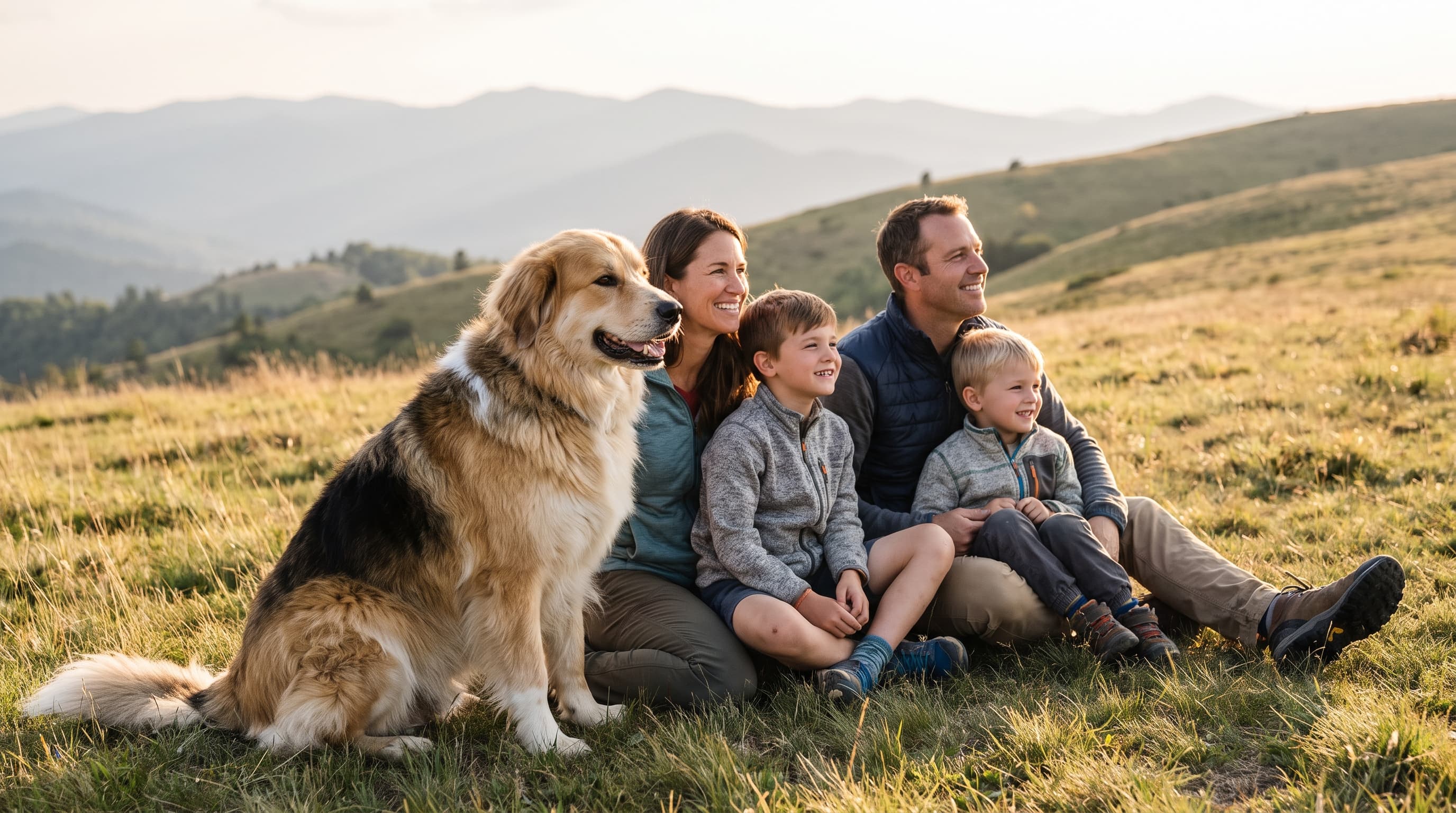

Golden Mountain Dog: Complete Guide to the Golden Retriever–Bernese Mix
The Golden Mountain Dog is a large, affectionate designer crossbreed of the Golden Retriever and the Bernese Mountain Dog. Typically weighing 70–120 pounds and standing 24–28 inches, these gentle, family-oriented dogs combine the Golden's friendly trainability with the Berner's calm, devoted nature. They shed heavily, need moderate daily exercise, and — importantly — can inherit serious health risks from both parent breeds.
If you're considering this big, sweet-natured hybrid, it pays to look past the marketing and understand what you're actually signing up for — the wonderful temperament, yes, but also the grooming, space, and health realities. This honest, source-backed guide walks through the Golden Mountain Dog's traits, care, and the health questions every prospective owner should ask.
Golden Mountain Dog at a Glance
- Parent breeds: Golden Retriever × Bernese Mountain Dog.
- Height: roughly 24–28 inches at the shoulder.
- Weight: about 70–120 pounds, depending on parentage.
- Lifespan: generally 9–12 years — on the shorter side for a large dog, influenced by the Bernese line.
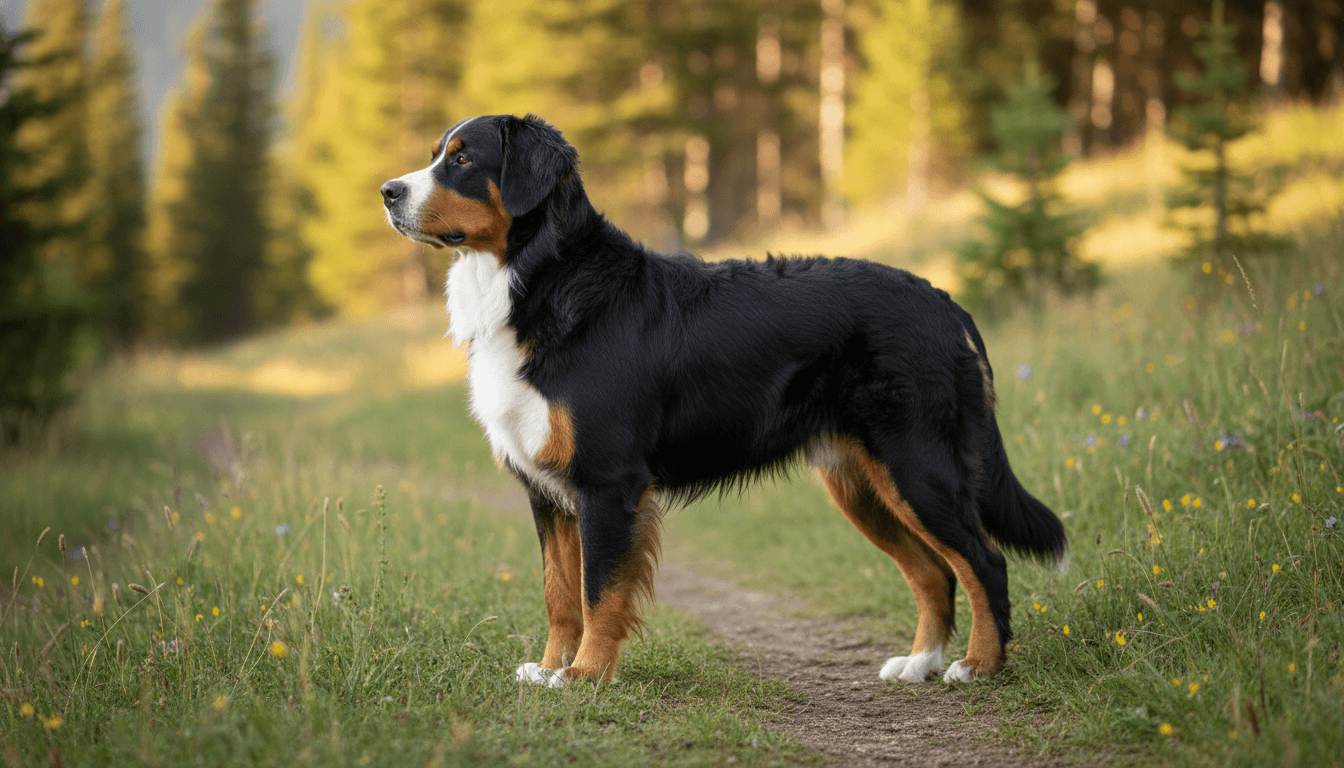
- Coat: long, dense double coat in gold, black-and-tan, tricolor, or cream; heavy shedder.
- Temperament: gentle, affectionate, loyal, friendly, and generally calm.
Because this is a first-generation cross, individual dogs vary. Some lean more Golden, some more Berner, and littermates can differ noticeably in size, coat, and color.
What Is a Golden Mountain Dog?
The Golden Mountain Dog is a "designer" hybrid created by crossing two of the most beloved family breeds in the world. From the Golden Retriever — one of America's most popular dogs, prized as a "serious worker at hunting and field work, as guides for the blind, and in search-and-rescue" — it inherits friendliness, trainability, and an eager-to-please attitude. From the Bernese Mountain Dog, a "big, powerful" Swiss farm dog with a "sweet, affectionate nature," it gains size, a calmer disposition, and often that striking tricolor coat.
It's a relatively modern crossbreed, part of the broader designer-dog trend of the last few decades, and it isn't recognized as a standardized breed by major kennel clubs. That means there's no official breed standard, and quality varies widely from breeder to breeder — making it especially important to choose a responsible, health-testing breeder.
Appearance and Coat
Golden Mountain Dogs are big, handsome, and sturdily built, reflecting both large parent breeds. Coats are medium-to-long and dense, ranging from the Golden's solid gold and cream shades to the Bernese's black-based tricolor with rust and white markings. Many land somewhere in between — a golden or dark coat with hints of the Berner's classic pattern.
Expect serious shedding. The double coat blows heavily in spring and fall, and these dogs are not a good match for anyone hoping for a low-shedding or hypoallergenic pet. Regular grooming is non-negotiable (more on that below).
Temperament and Personality
Temperament is where the Golden Mountain Dog truly shines. Both parent breeds are famous for being gentle, people-oriented, and wonderful with children, and the cross typically inherits that sweetness. These are affectionate "velcro" dogs that bond closely with their families and generally get along well with kids and other pets when socialized.
They tend to be calmer than a pure Golden and less intense than many working breeds, but they still crave companionship and don't do well isolated for long periods. The Bernese side can bring a mild reserve toward strangers — Berners are known to "attach to one person" and be somewhat watchful — so early, positive socialization helps produce a confident, friendly adult. For families weighing big gentle breeds, see our roundup of the best dogs for families with kids.
Exercise and Training
Despite their size, Golden Mountain Dogs have moderate exercise needs — think 45 to 60 minutes of daily activity like walks, play, and gentle hikes, rather than the relentless running some breeds demand. Because they're large and grow fast, avoid over-exercising puppies, whose joints are still developing; stick to low-impact play until they mature.
Training is usually a pleasure. With two intelligent, eager-to-please parent breeds behind them, Golden Mountain Dogs respond beautifully to positive, reward-based methods. Start early with socialization and basic manners — a 100-pound dog that jumps on guests is a very different problem than a 15-pound one. Consistency, patience, and plenty of praise go a long way.
Grooming and Care
That gorgeous coat comes with real upkeep. Plan on brushing several times a week — daily during heavy shedding seasons — to prevent mats and manage the fur that will otherwise coat your home. Routine care also includes:
- Baths every 6–8 weeks or as needed.
- Regular nail trims and dental care.
- Weekly ear checks — the floppy ears can trap moisture, especially after swimming.
Feed a high-quality diet formulated for large breeds, and be mindful of portion control; these dogs love food and can gain weight easily, which stresses their joints. If you're raising a puppy, choosing the right large-breed puppy food supports healthy, controlled growth.
Health and Lifespan: An Honest Look
Here's where prospective owners need clear eyes rather than marketing gloss. You'll often hear that crossbreeds enjoy "hybrid vigor" that erases the health problems of their parents. That's an oversimplification. A Golden Mountain Dog can inherit the health risks of either parent breed — and both come with significant ones.
The Bernese Mountain Dog, in particular, has sobering health statistics. According to breed research, studies have attributed around 55% of Bernese deaths to cancer, with the aggressive malignant histiocytosis accounting for roughly a quarter of all tumors in the breed — and multiple studies put the Berner's average lifespan at just 8 to 10 years. The Golden Retriever also carries an elevated cancer risk. A Golden Mountain Dog won't necessarily face these outcomes, but the genetic potential is real, which is why its lifespan tends to run shorter than smaller breeds'.
Other conditions to watch for in this large, deep-chested cross include:
- Hip and elbow dysplasia: Common in both parent breeds. Per VCA Hospitals, keeping a lean body weight during growth and buying from breeders who screen hips and elbows are the best defenses.
- Bloat (GDV): A sudden, life-threatening twisting of the stomach that deep-chested dogs are prone to. VCA advises feeding smaller, more frequent meals and avoiding hard exercise right after eating; some owners of at-risk dogs discuss preventive gastropexy with their vet.
- Cancer and heart disease: Both are elevated in the parent lines and warrant regular veterinary monitoring as the dog ages.
The takeaway isn't to avoid the breed — it's to go in informed. Choose a breeder who health-tests both parents (hips, elbows, eyes, heart), ask about the parents' longevity, and budget for the care a large dog with these predispositions may need. This is general information, not veterinary advice; always consult your veterinarian about screening and preventive care for your individual dog.
Is the Golden Mountain Dog Right for You?
A Golden Mountain Dog can be a spectacular family companion for the right home: one with space, time for grooming and companionship, a moderate activity level, and a clear-eyed understanding of the health commitment a large hybrid brings. If you can offer all that — and you're prepared for heavy shedding and the emotional reality of a shorter-lived giant breed — few dogs are gentler or more devoted.
Frequently Asked Questions
How big does a Golden Mountain Dog get?
They're large dogs, typically 70–120 pounds and 24–28 inches tall, though size varies with parentage. Males tend to be bigger than females, and first-generation crosses can differ noticeably even within a litter.
What is the lifespan of a Golden Mountain Dog?
Generally about 9–12 years. The Bernese Mountain Dog's shorter average lifespan and elevated cancer risk pull the range down compared with smaller breeds, so responsible breeding and preventive vet care matter a great deal.
Do Golden Mountain Dogs shed a lot?
Yes. Their long, dense double coat sheds year-round and heavily during seasonal "blows." They are not hypoallergenic and require regular brushing to manage the fur and prevent matting.
Are Golden Mountain Dogs good family dogs?
Very much so. Both parent breeds are renowned for being gentle and great with children, and the cross typically inherits that affectionate, patient temperament. Early socialization and supervision around young kids (given the dog's size) are still important.
Are Golden Mountain Dogs healthy because they're a mix?
Not automatically. "Hybrid vigor" doesn't guarantee good health — a Golden Mountain Dog can inherit serious conditions from either parent, including cancer, hip and elbow dysplasia, and bloat. Health-tested parents are the single best predictor of a healthier dog.
The Bottom Line
The Golden Mountain Dog blends two of the world's most cherished family breeds into a big, gentle, devoted companion — but it's a dog to choose with your eyes open. Embrace the grooming, the space, and above all the health considerations, and you'll be rewarded with an affectionate giant who lives to be by your side.
Want to understand the parent breeds more deeply? Explore our full guides to the Golden Retriever and the Bernese Mountain Dog, or read up on how long Golden Retrievers live to understand the longevity side of this cross. Love big-hearted breeds like this one? Subscribe to the Daily Wag newsletter for breed deep-dives, care tips, and health guides in your inbox.