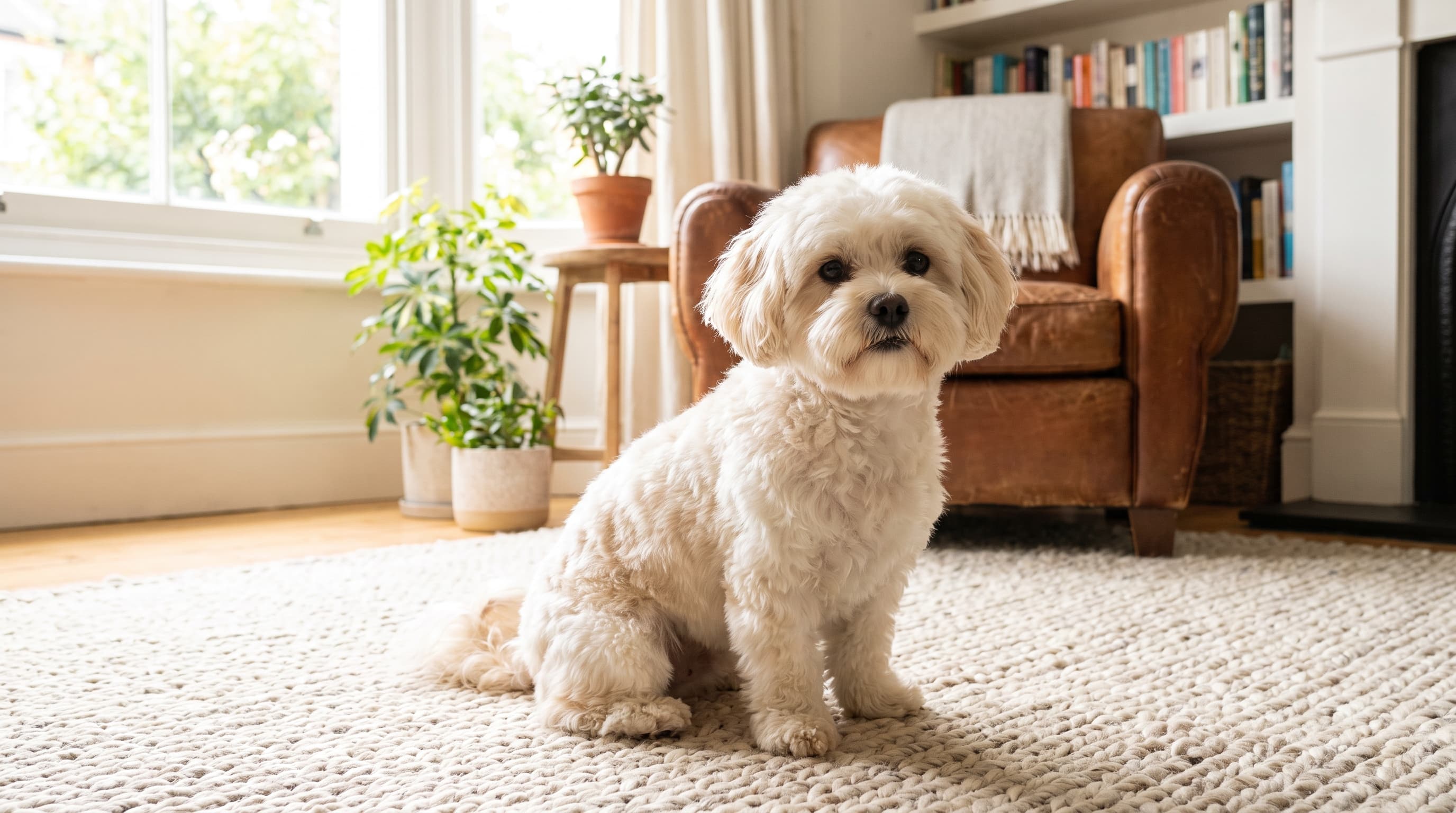

Shichon: Complete Guide to the Shih Tzu Bichon Frise Mix (Teddy Bear Dog)
The Shichon is a small companion dog created by crossing a Shih Tzu with a Bichon Frise. Often called the Zuchon or "Teddy Bear" dog, it weighs 9 to 18 pounds, lives 12 to 18 years, and sports a soft, low-shedding coat. Shichons are affectionate, playful, and adaptable — ideal for apartments, families with older kids, and first-time owners willing to keep up with grooming.
With its round face, button eyes, and plush coat, the Shichon looks exactly like a living teddy bear, and its sweet, people-loving personality more than matches the cuddly exterior. This guide covers everything a prospective owner needs: appearance, temperament, health, grooming, cost, and how to find a well-bred puppy.
Shichon at a Glance
- Other names: Zuchon, Teddy Bear dog, Shih Tzu Bichon mix
- Parent breeds: Shih Tzu × Bichon Frise
- Size: 9–18 lbs; roughly 9–12 inches tall
- Lifespan: 12–18 years
- Coat: Long, soft, wavy to curly, low-shedding
- Temperament: Affectionate, playful, alert, people-oriented
- Best for: Apartments, families with older children, first-time and senior owners
- Grooming: High — professional trims every 6–8 weeks plus regular brushing
What Is a Shichon? Origins of the Teddy Bear Dog
The Shichon is a "designer" hybrid, a deliberate first-generation cross between two established companion breeds: the Shih Tzu, an ancient Chinese lap dog, and the Bichon Frise, a cheerful Mediterranean charmer. The goal was a sturdy, sweet-tempered small dog with a low-shedding coat, and the result earned the nickname "Teddy Bear" for obvious reasons.
Like most designer crosses, the Shichon emerged in North America in the 1990s and 2000s during the boom in poodle- and companion-breed hybrids. It is not recognized by the American Kennel Club as a purebred, but it is registered by several hybrid-breed clubs. Because both parent breeds are dedicated lap dogs, the Shichon breeds fairly "true" for temperament — you reliably get an affectionate companion rather than a working or sporting dog.
Appearance and Coat
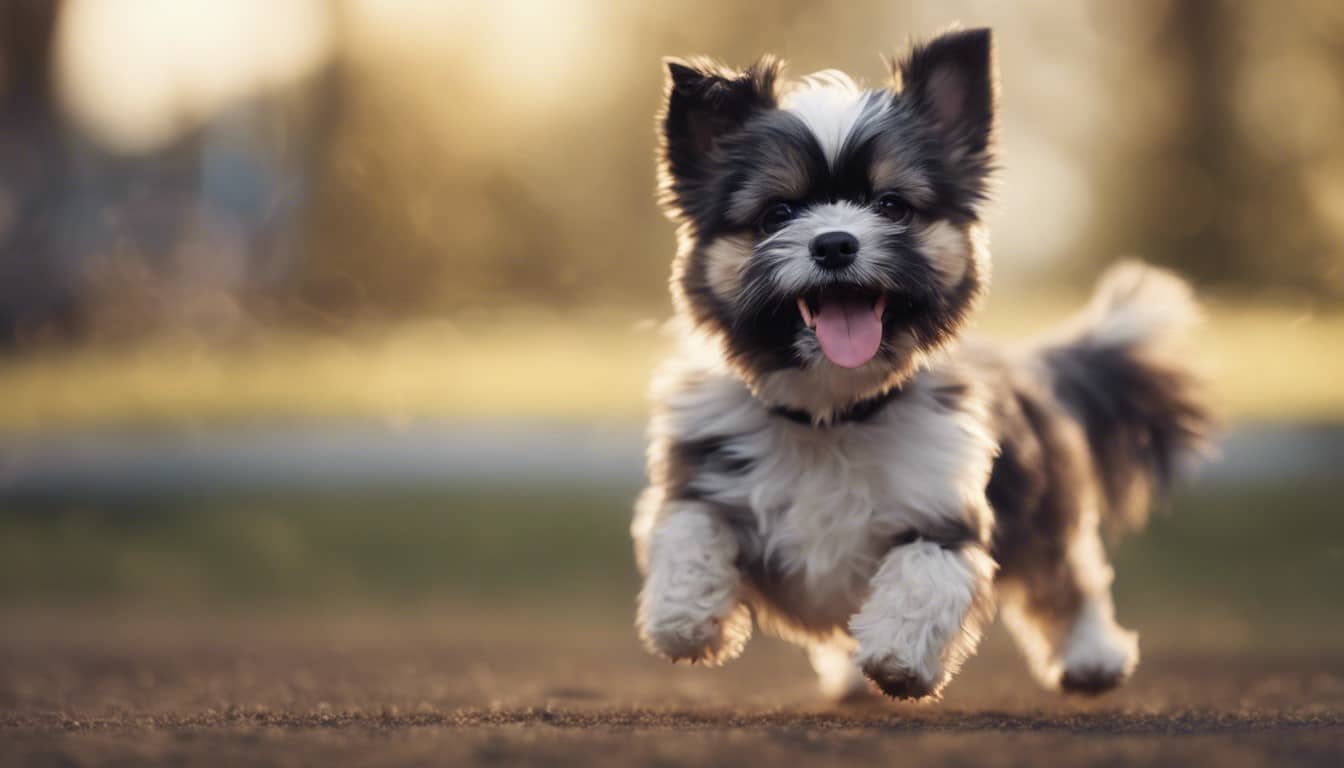
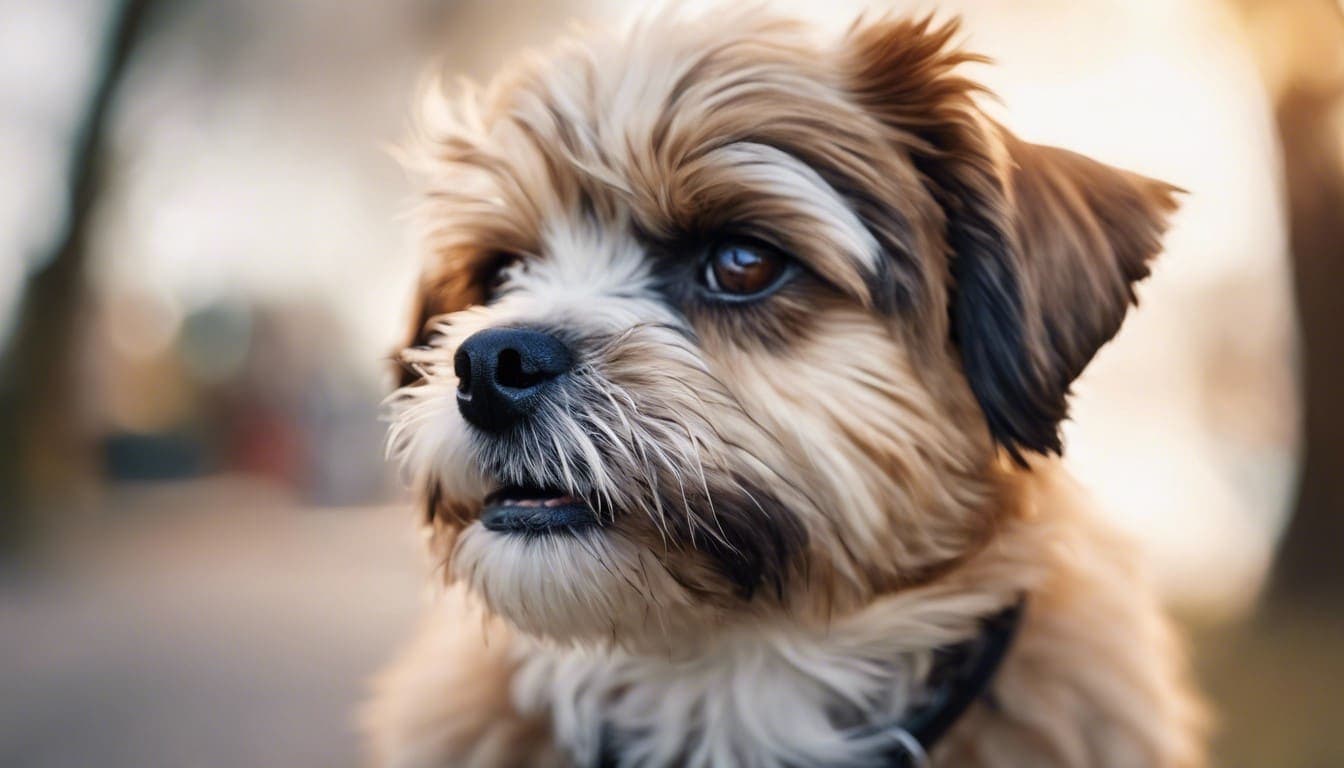
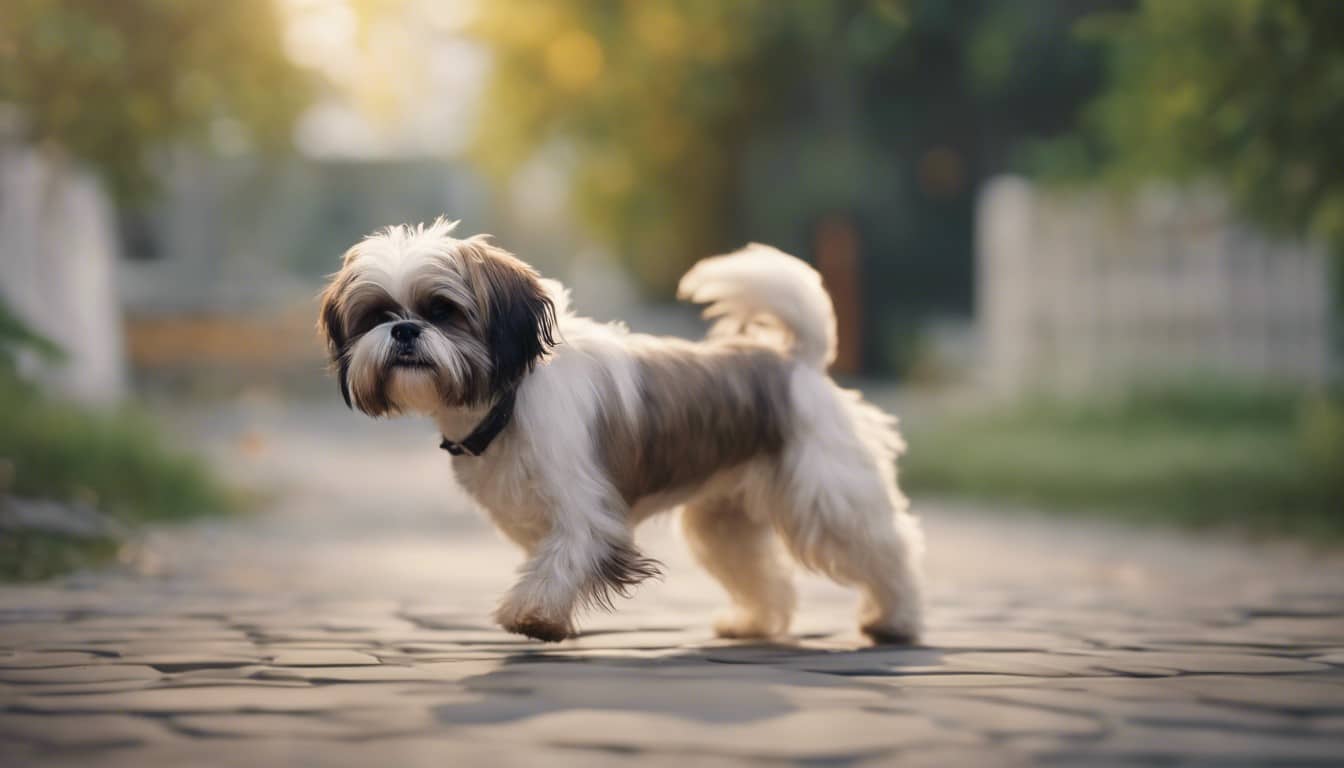
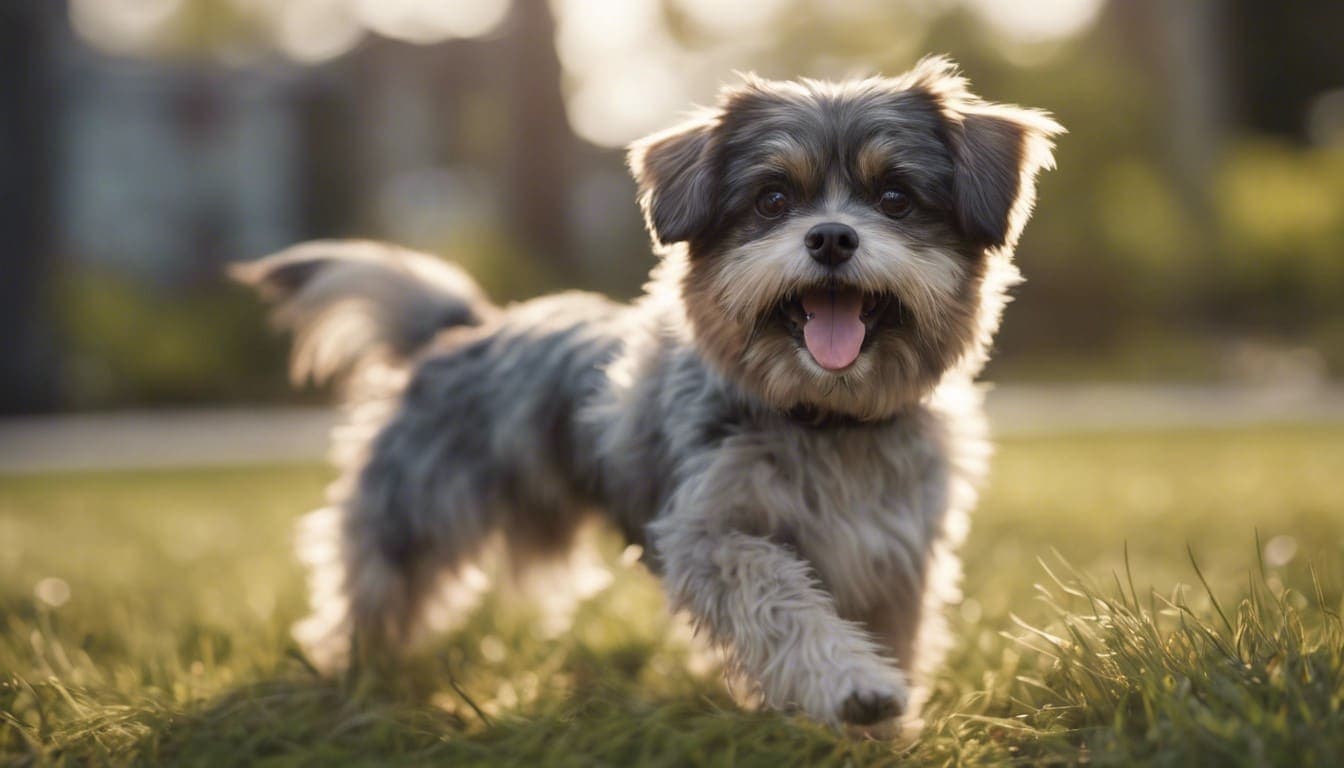
Shichons are small, well-proportioned dogs with a rounded head, dark expressive eyes, a short muzzle, and a plush double-textured coat that gives them their signature teddy-bear roundness. Coat colors run a wide range, including white, cream, apricot, silver, black, brown, brindle, and multi-color combinations, and many Shichons change shade as they mature. The coat is long, soft, and wavy to curly, and it sheds very little — one of the breed's biggest selling points for tidy and allergy-conscious homes. It is worth stressing, though, that no dog is truly hypoallergenic; low-shedding simply means less loose hair and dander around the house.
Temperament and Personality
The Shichon is, above all, a companion. These dogs are affectionate to the point of being "Velcro" — they want to be wherever their people are and thrive on close contact and attention. They are playful, gentle, and generally friendly with children, strangers, and other pets when socialized early. Their alert nature makes them decent little watchdogs who will announce visitors, though they are lovers, not guardians.
That devotion has a flip side: Shichons can be prone to separation anxiety and may bark or become distressed when left alone for long stretches. They suit households where someone is home often, and they reward early crate training and gradual alone-time practice. Their gentle temperament and small size also make them wonderful companions for seniors and among the best dogs for apartment living.
Health and Lifespan
Shichons are generally healthy and long-lived, commonly reaching 12 to 18 years. As a cross of two breeds, they can inherit conditions from either side, so it helps to understand both parents' predispositions. Drawing on veterinary references such as the VCA Shih Tzu profile and VCA Bichon Frise profile, conditions worth watching include:
- Dental disease — very common in small breeds; daily tooth care matters.
- Patellar luxation — slipping kneecaps, seen in many toy breeds.
- Eye conditions — cataracts and tear-duct issues, inherited from both sides.
- Brachycephalic (short-muzzle) concerns — from the Shih Tzu side, some Shichons have flatter faces and can be sensitive to heat and exercise intolerance.
- Allergies and ear infections — the floppy, hairy ears trap moisture.
Responsible breeders screen parent dogs for knee, eye, and heart issues. This information is general and educational only and is not a substitute for veterinary care — always consult your veterinarian about screening, prevention, and any symptoms in your individual dog. The PetMD Shih Tzu overview is a helpful primer on the parent breed's care needs.
Grooming: The Biggest Commitment
The teddy-bear coat is the Shichon's crowning glory and its single biggest responsibility. Because the hair grows continuously and sheds little, it mats easily without regular care. Plan on:
- Brushing several times a week (daily is ideal for longer coats) to prevent painful mats.
- A professional groom every 6 to 8 weeks for a trim, bath, nail clip, and sanitary tidy.
- Regular face and eye cleaning to manage tear staining on light coats.
- Weekly ear checks to catch moisture and wax before infection sets in.
Owners who prefer low upkeep often keep their Shichon in a short "puppy cut." If you enjoy fluffy companions but want to compare grooming loads, our profiles of the Cavachon and the Shih-Poo make useful side-by-sides.
Training and Exercise
Shichons are intelligent and eager to please, which makes them reasonably easy to train — but they can carry the Shih Tzu's stubborn streak, and housetraining sometimes takes patience (four to six months, occasionally longer). Positive, reward-based methods work best; harsh corrections shut these sensitive dogs down. Keep sessions short, fun, and consistent.
Exercise needs are modest. A couple of short daily walks plus indoor play and puzzle toys keep a Shichon happy and prevent the boredom-driven barking these companion dogs are prone to. Their small size means they can get much of their exercise indoors, which is part of their apartment appeal.
Shichon vs. Other Teddy Bear Breeds
The "Teddy Bear dog" label gets applied to several fluffy small crosses, so it helps to know how the Shichon compares. The Cavachon (Cavalier King Charles Spaniel × Bichon Frise) shares the Shichon's Bichon heritage and cuddly nature but tends to be slightly larger and often calmer. The Shih-Poo (Shih Tzu × Poodle) swaps the Bichon for a Poodle, producing a curlier, sometimes more energetic dog. All three are small, affectionate, low-shedding companions, so the right pick often comes down to the exact coat texture and energy level you prefer. The Shichon tends to land in a sweet spot: sturdy enough to play, gentle enough for seniors, and reliably devoted.
Feeding and Nutrition
Small dogs have fast metabolisms and tiny stomachs, so Shichons do best on a high-quality small-breed formula fed in measured portions two to three times a day. Because the breed is prone to dental disease, kibble and dental-friendly treats help, and it is wise to avoid overfeeding — extra weight strains small joints and can worsen patellar problems. Always transition foods gradually and ask your veterinarian for guidance tailored to your dog's age and health.
Is the Shichon Right for You?
A Shichon is an excellent match if you want a small, affectionate, low-shedding companion and you can commit to regular grooming and plenty of togetherness. They fit apartments, houses, families with gentle older children, seniors, and first-time owners. They are a poorer fit for homes where the dog would be alone all day, or for owners unwilling to budget for professional grooming every couple of months.
Cost of Owning a Shichon
Expect to pay roughly $800 to $2,500 for a Shichon puppy from a reputable breeder, with price varying by location, coat color, and lineage. Beyond the purchase price, budget for ongoing costs: professional grooming every 6 to 8 weeks, quality food, routine veterinary care, dental cleanings, and pet insurance. Adopting through a rescue or shelter is often more affordable and gives a dog a second chance — many small-breed and "doodle/teddy" rescues occasionally have Shichons.
Frequently Asked Questions
Are Shichons hypoallergenic?
Shichons are low-shedding and are often marketed as allergy-friendly, but no dog is truly hypoallergenic. Their coat releases less hair and dander than many breeds, which some allergy sufferers tolerate better, but reactions vary by person.
How big does a Shichon get?
Shichons are small dogs, typically weighing 9 to 18 pounds and standing about 9 to 12 inches tall at the shoulder when fully grown, depending on the size of the parent dogs.
How long do Shichons live?
Shichons are long-lived for dogs, commonly reaching 12 to 18 years with good care, quality nutrition, dental hygiene, and regular veterinary checkups.
Do Shichons bark a lot?
Shichons are alert and will bark to announce visitors or when left alone, but they are not excessive barkers by nature. Early training, socialization, and managing separation anxiety keep barking in check.
Are Shichons good with kids and other pets?
Yes, Shichons are generally friendly and gentle with children and other animals, especially when socialized early. Their small size means play with young children should be supervised to protect the dog.
Is a Shichon the same as a Zuchon or Teddy Bear dog?
Yes. Shichon, Zuchon, and "Teddy Bear dog" are all names for the same Shih Tzu × Bichon Frise cross. The names are used interchangeably by breeders and owners.
The Bottom Line
The Shichon packs a huge amount of affection into a small, low-shedding, teddy-bear package. Give this devoted companion the grooming and companionship it craves, and you will have a loving, long-lived friend that fits almost any home.
Want to understand the two breeds behind the Teddy Bear dog? Read our full guides to the Shih Tzu and the Bichon Frise. And for weekly breed spotlights and care tips, subscribe to the Daily Wag newsletter.