
Yorkie Bichon: The Complete Guide to the Yorkshire Terrier–Bichon Frise Mix
The Yorkie Bichon is a small designer crossbreed pairing the Yorkshire Terrier with the Bichon Frise. Also called a Borkie or Yo-Chon, these dogs typically weigh 6–12 pounds, live 12–15 years, and are affectionate, lively, and people-loving. They suit apartments and families but need daily attention, regular grooming, and consistent training to curb small-dog barking.
Blend the feisty, silky-coated Yorkshire Terrier with the cheerful, cotton-ball Bichon Frise and you get a pint-sized companion that is equal parts lapdog and spark plug. Below is an honest, up-to-date look at what living with a Yorkie Bichon is really like — the good, the demanding, and everything a prospective owner should weigh before bringing one home.
Yorkie Bichon at a Glance
- Size: Small (toy)
- Weight: 6–12 lbs
- Height: 9–12 inches
- Lifespan: 12–15 years
- Coat: Long, soft, wavy to silky
- Color: White, cream, tan, black, or a mix
- Temperament: Affectionate, playful, alert, loyal
- Energy level: Moderate
- Best for: Apartments, families with older kids, seniors, first-time owners who can commit to grooming
What Is a Yorkie Bichon?
The Yorkie Bichon is a first-generation cross between two long-established toy breeds. From the Yorkshire Terrier — a "feisty, old-time terrier" beneath a glossy coat, in the AKC's words — the mix inherits boldness, alertness, and a silky texture. From the Bichon Frise, one of the world's great "personality dogs," it gets a sturdy, cheerful, sociable streak and a plush, curly coat.
Because it is a crossbreed, the Yorkie Bichon is not recognized by major kennel clubs and has no official breed standard. That means traits can vary even within a single litter — one puppy may lean more Yorkie, another more Bichon. Understanding both parent breeds is the best way to predict what you are signing up for.
Appearance and Coat
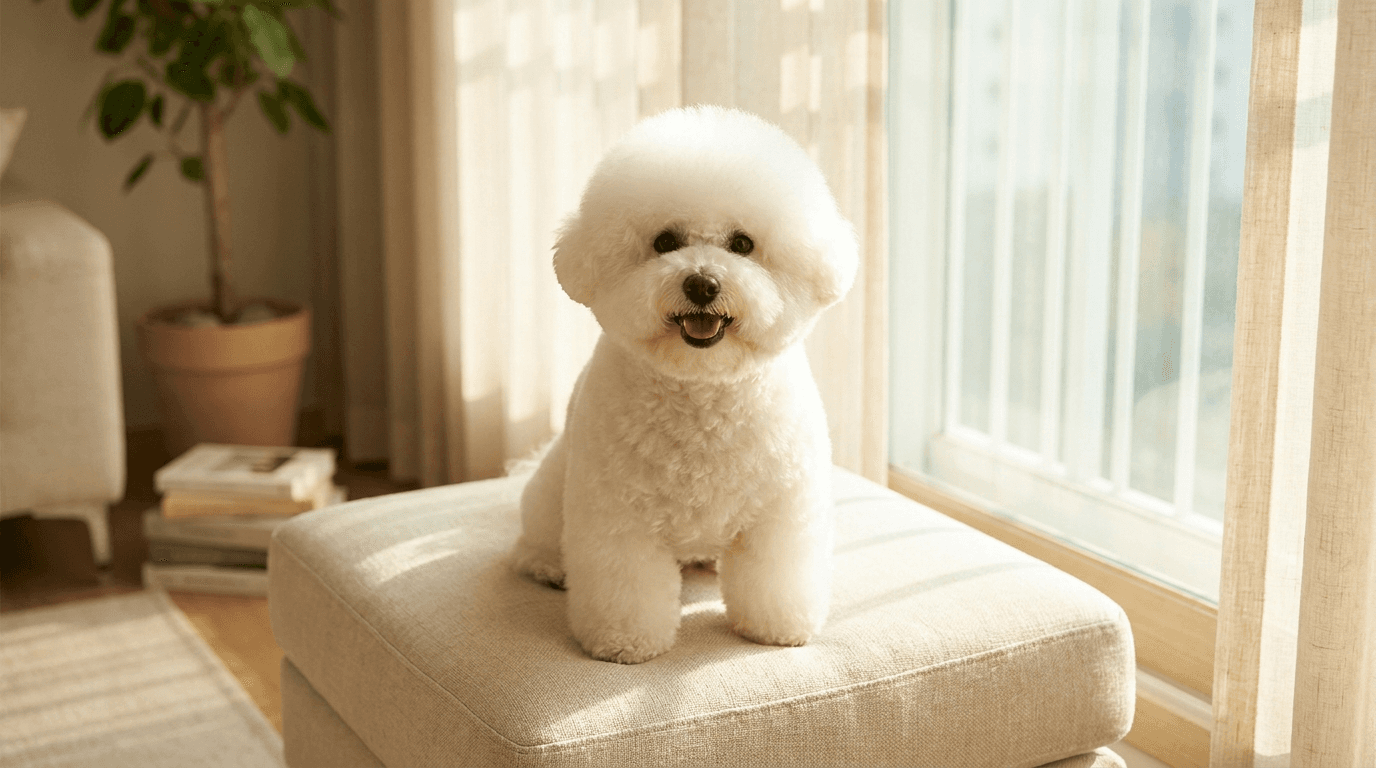
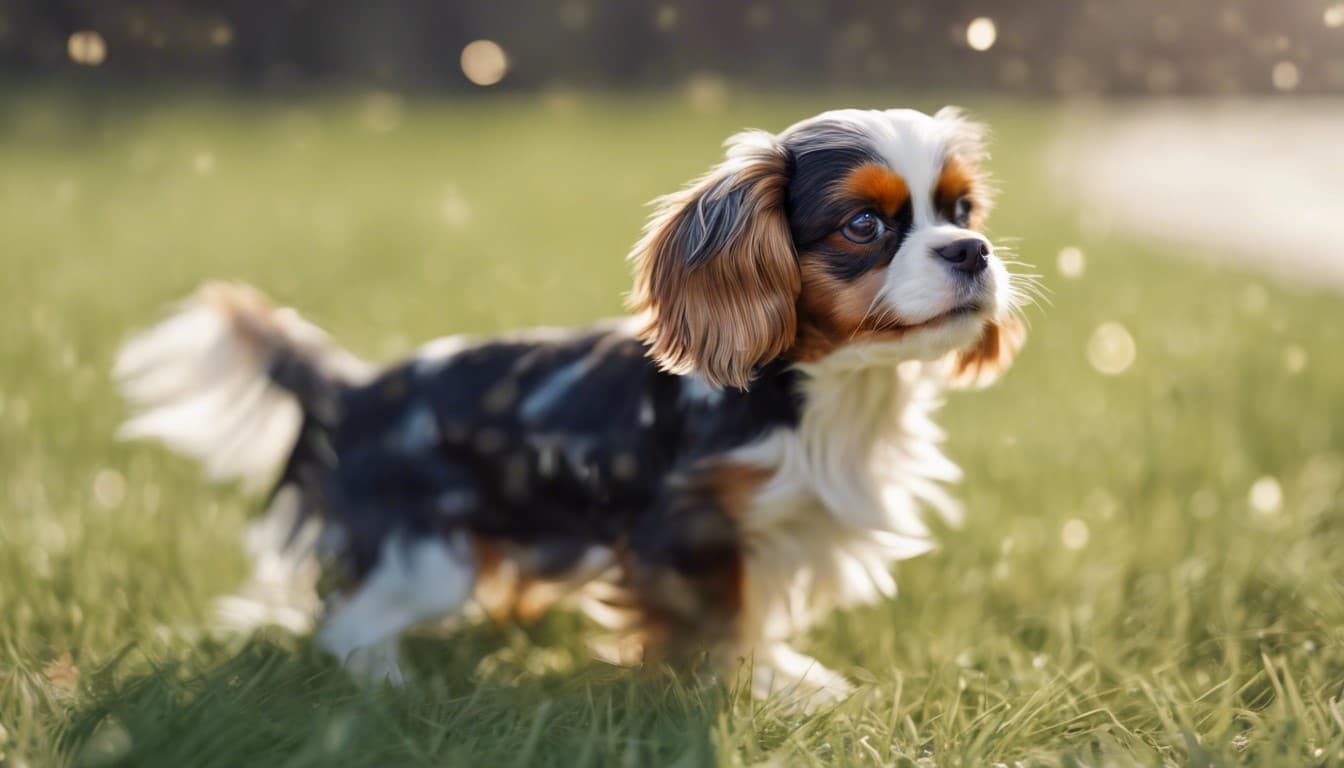
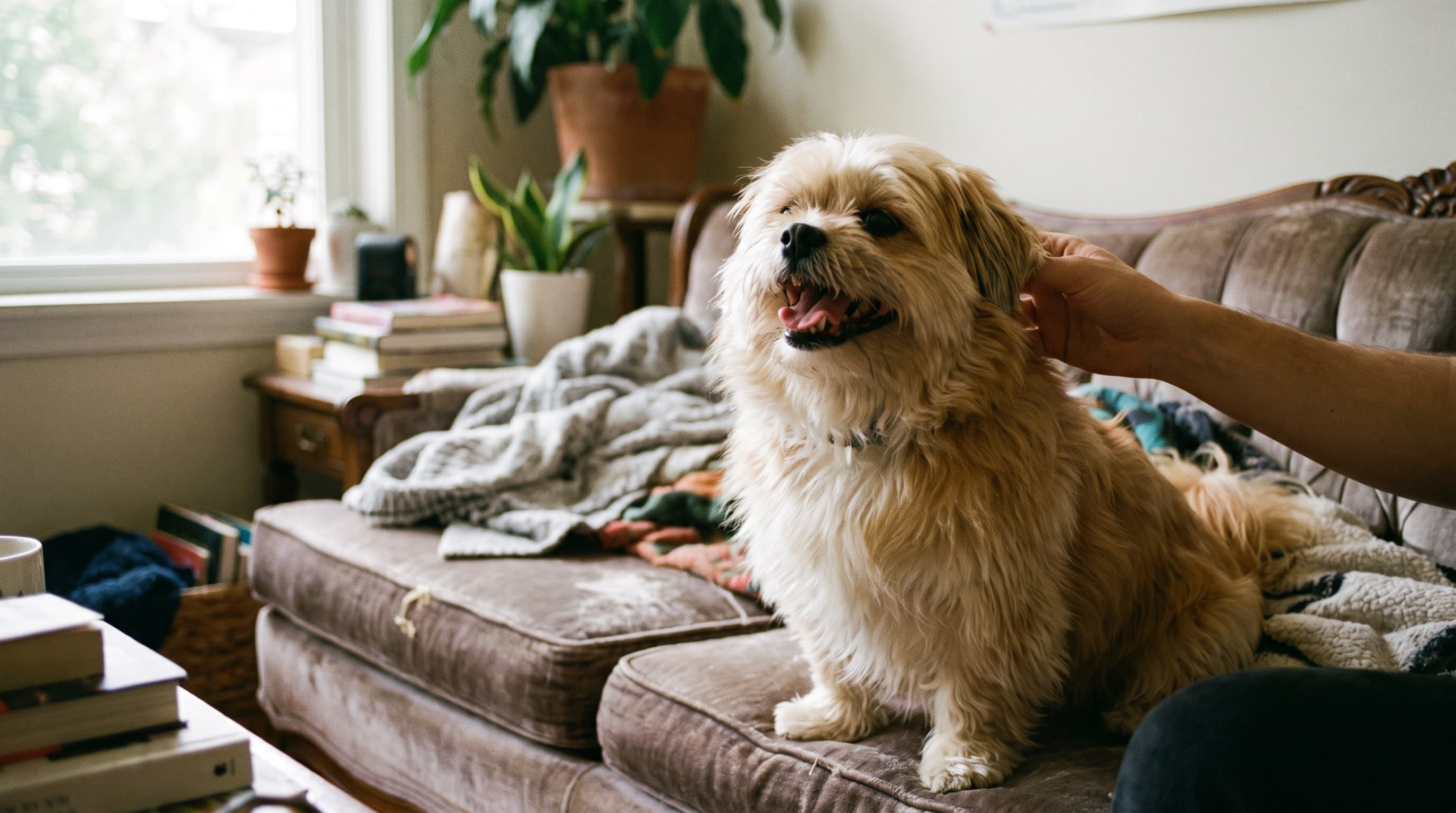
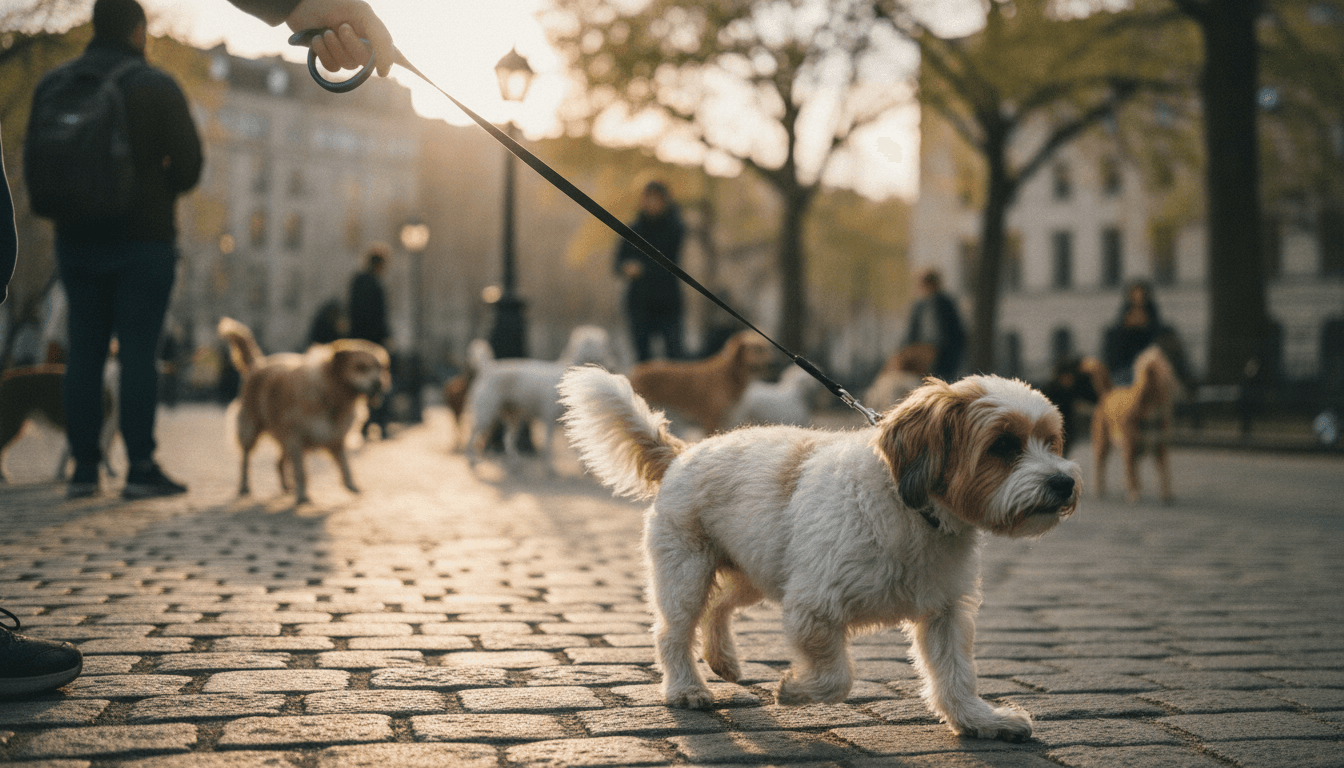
Yorkie Bichons are small, softly rounded dogs with dark expressive eyes, a black button nose, and floppy or semi-erect ears. Coats vary from wavy to silky and come in white, cream, tan, black, or blends, often lightening as the dog matures. They rarely top 12 pounds, making them a true lapdog size.
Both parent breeds are low-shedding, so many Yorkie Bichons shed minimally — a trait that draws owners hoping for a tidier companion. However, no dog is truly hypoallergenic; low-shedding coats simply release less dander into the home. If allergies are a concern, spend time around the specific dog first, and read our guide on whether Yorkies are hypoallergenic for a realistic picture.
Temperament and Personality
Expect a big personality in a small package. Yorkie Bichons are affectionate, playful, and deeply bonded to their people — they want to be wherever you are. The Bichon side lends easygoing sociability and a love of play, while the Yorkie side adds alertness, confidence, and a watchdog's willingness to announce every visitor.
That watchful streak is worth planning for: without early training, small companion dogs can become nuisance barkers, and Yorkie Bichons are prone to it. They also form such tight attachments that they can struggle with being left alone, making them better suited to households where someone is home often. With older, gentle children they can be wonderful, but their tiny size means play with young kids should always be supervised to prevent accidental injury.
Exercise and Enrichment
These are moderate-energy dogs whose needs are easy to meet: two short walks and some indoor play or fetch usually cover their physical exercise. Just as important is mental stimulation — puzzle toys, short training games, and social time keep their clever minds satisfied and help prevent boredom-driven barking or chewing.
Because they are so small, take care in hot or cold weather and around larger dogs and rambunctious play. A securely fenced yard is a bonus but not a requirement; a Yorkie Bichon can thrive in an apartment as long as it gets daily engagement and companionship.
Training Tips
Yorkie Bichons are intelligent and eager to please, but the terrier influence can add a stubborn streak. Short, upbeat, reward-based sessions work best — these dogs respond far better to praise and treats than to correction. Prioritize three things early: house-training (small breeds can be slower to house-train, so consistency and patience are essential), polite greetings to curb barking, and gentle handling so grooming becomes stress-free.
Socialization is the other pillar. Introduce your puppy to new people, sounds, dogs, and surfaces during its first months to build a confident, well-adjusted adult. Left unsocialized, small dogs can become timid or reactive.
Grooming Needs
This is the mix's biggest commitment. That soft, low-shedding coat is prone to tangling and needs brushing several times a week — daily if kept long — plus a professional trim every four to six weeks. Many owners opt for a shorter "puppy cut" to keep maintenance manageable.
Small breeds are also notably prone to dental disease, so brush your dog's teeth several times a week and schedule veterinary dental checks. Round out care with regular nail trims and weekly ear cleaning, since floppy ears can trap moisture and lead to infections. Tear staining around the eyes is common in light-coated dogs and can be managed with gentle daily wiping.
Health and Lifespan
Yorkie Bichons are generally healthy and often live 12 to 15 years, but as a mix of two toy breeds they can inherit conditions common to both. Be aware of:
- Patellar luxation (slipping kneecaps), frequent in toy breeds.
- Dental disease, a leading small-dog health issue driven by crowded teeth.
- Allergies and skin sensitivity; the AKC notes allergic skin disease can cause chronic itching and infections.
- Eye conditions, including cataracts and tear-duct issues.
- Hypoglycemia in very small puppies, and a tendency toward obesity if overfed, which strains their small joints.
This is general information, not veterinary advice. A responsible breeder should health-test both parents, and every Yorkie Bichon should have routine veterinary care to catch issues early. Always consult your vet about your individual dog's needs.
Feeding a Yorkie Bichon
Choose a high-quality small-breed formula sized to your dog's age, weight, and energy level. Because they are tiny, Yorkie Bichons need only a small daily amount, and calories add up fast — a few too many treats can quickly lead to weight gain. Measure meals, divide them into two or three servings to support steady blood sugar in little dogs, and keep treats to no more than 10% of daily calories. Fresh water should always be available.
Cost and Where to Find One
Yorkie Bichon puppies from a breeder typically run a few hundred to well over a thousand dollars, depending on lineage, location, and demand. Beyond the purchase price, budget for the ongoing costs that come with a small, high-maintenance coat: professional grooming every four to six weeks, quality small-breed food, dental care, and routine veterinary visits add up over a 12-to-15-year lifespan. Because the Yorkie Bichon is a designer mix, it also turns up in shelters and small-breed rescues, so adoption is well worth exploring — you may find an adult already past the demanding puppy stage. Whichever route you choose, prioritize a source that is transparent about the parent dogs' health rather than one selling on novelty alone.
Is a Yorkie Bichon Right for You?
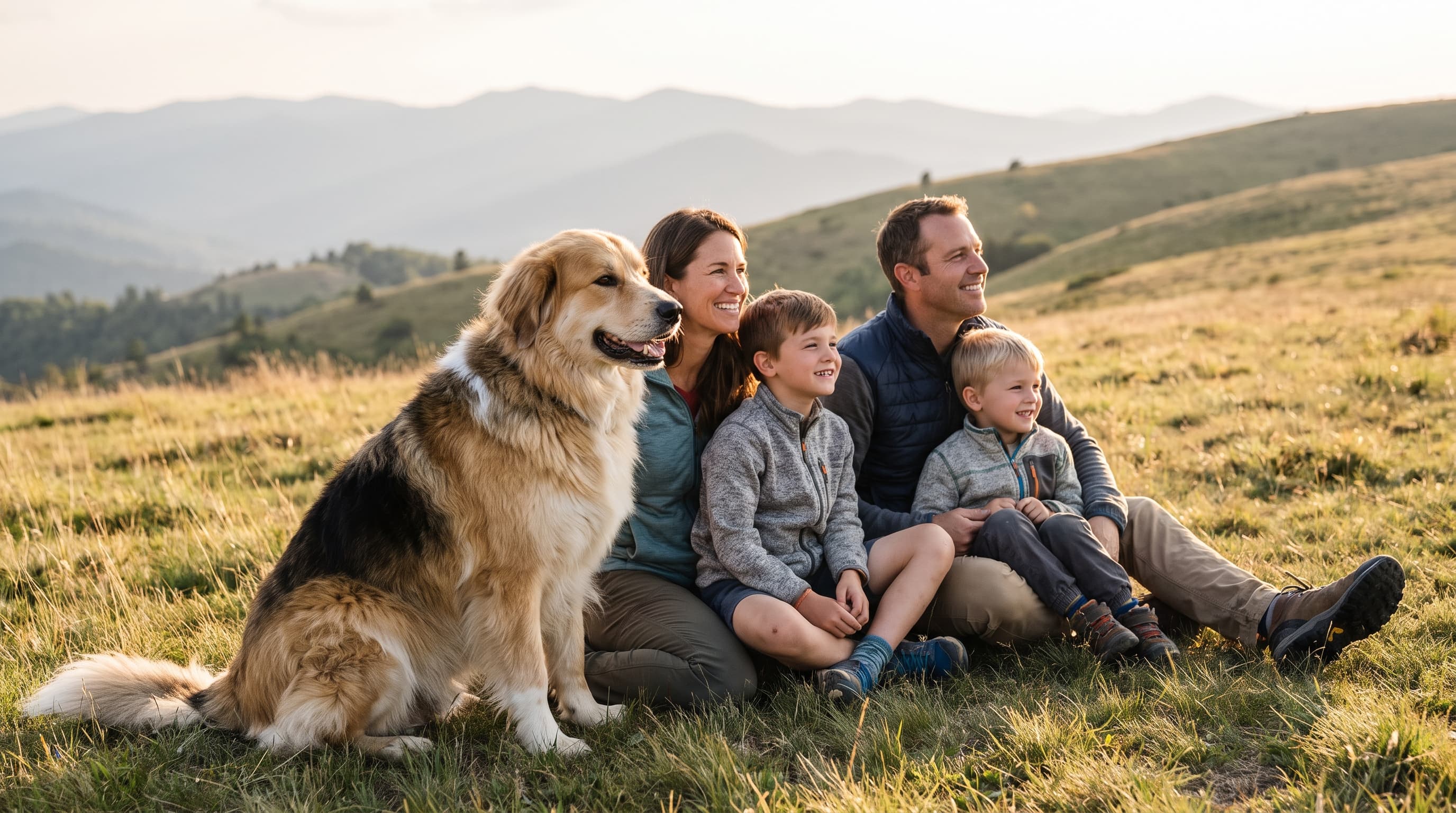
A Yorkie Bichon is an excellent match for apartment dwellers, seniors, and families with older children who want an affectionate, portable companion and can commit to regular grooming and daily togetherness. They are less ideal for people who are away from home for long stretches, households with very young or rough-and-tumble kids, or anyone unwilling to keep up with coat and dental care. If you can meet those needs, you will gain a devoted, joyful little shadow for well over a decade.
Frequently Asked Questions
Are Yorkie Bichons hypoallergenic?
No dog is truly hypoallergenic, but Yorkie Bichons are low-shedding and release less dander than many breeds, which some allergy sufferers tolerate better. Spend time with an individual dog before committing.
How big does a Yorkie Bichon get?
Most weigh 6 to 12 pounds and stand about 9 to 12 inches tall, making them a true toy-sized companion that fits well in apartments and laps alike.
Do Yorkie Bichons bark a lot?
They can. The Yorkie's alert, watchdog nature means they may bark at visitors and noises. Early training and socialization go a long way toward keeping barking under control.
How long do Yorkie Bichons live?
With good care, Yorkie Bichons typically live 12 to 15 years. Regular veterinary care, dental hygiene, and healthy weight management all support a long, comfortable life.
Are Yorkie Bichons good with kids?
They do best with gentle, older children. Their small size makes them fragile, so play with young kids should always be supervised to prevent accidental injury.
How much grooming does a Yorkie Bichon need?
Quite a bit. Their soft coat tangles easily and needs brushing several times a week plus a professional trim every four to six weeks. Regular dental care, nail trims, and ear cleaning round out their routine.
The Bottom Line
The Yorkie Bichon packs the boldness of a Yorkshire Terrier and the sunny charm of a Bichon Frise into a devoted, apartment-friendly companion. They ask for daily attention, steady grooming, and a little training patience — and in return they give years of affection and personality far bigger than their size.
Weighing your options among small designer mixes? Compare our guides to the Yorkie Poo and the purebred Bichon Frise to see which fits your life. For more breed spotlights and small-dog care tips, subscribe to the Daily Wag newsletter.