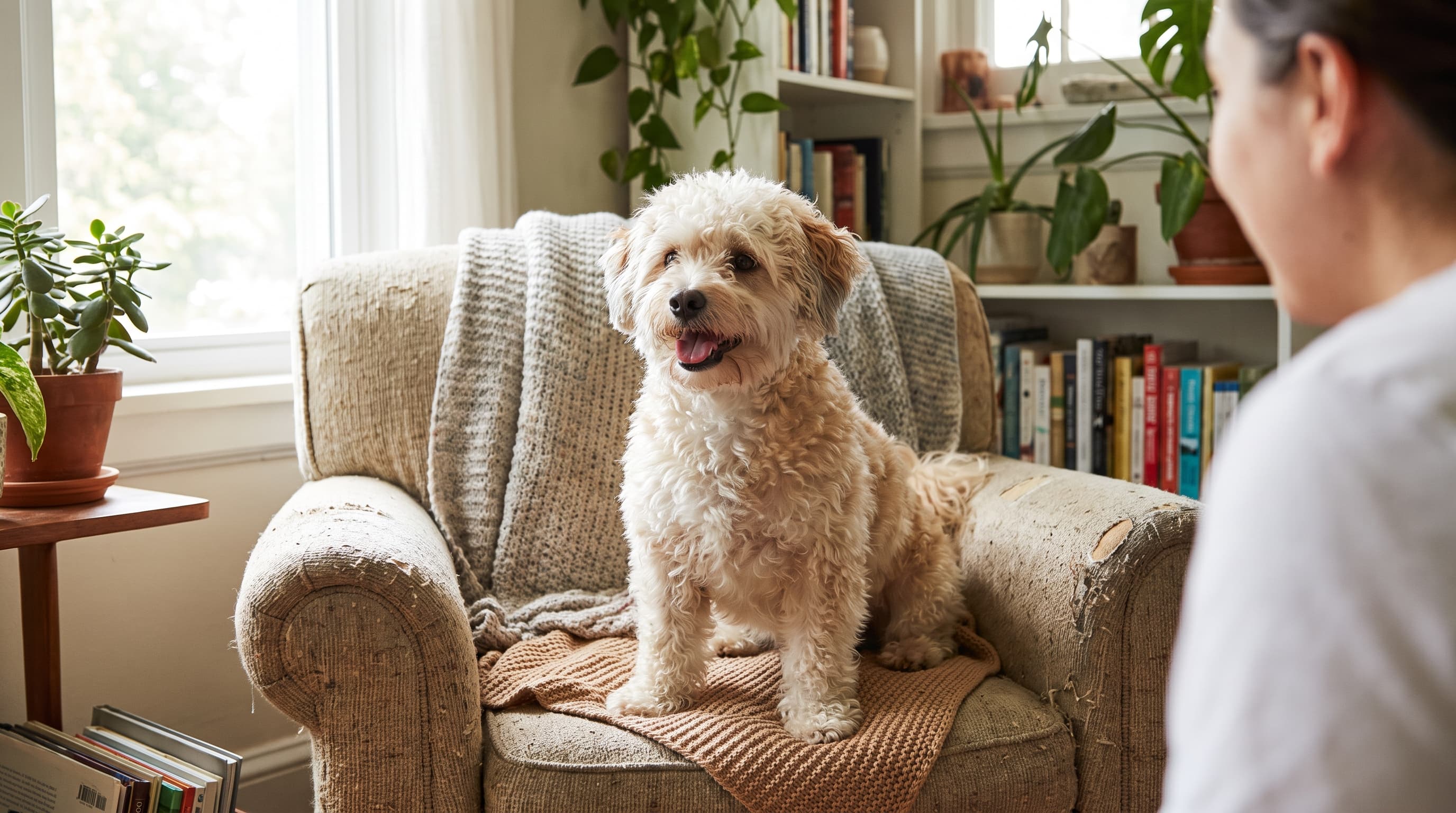

The Yo-Chon is a small designer dog created by crossing a Bichon Frise with a Yorkshire Terrier. Weighing about 6–15 pounds and standing 9–12 inches tall, this affectionate, low-shedding companion typically lives 12–15 years. Yo-Chons are playful, people-loving lap dogs that suit apartments and families—but they need daily attention, regular grooming, and early training to curb barking.
What Is a Yo-Chon?
A Yo-Chon (sometimes called a Borkie or Yorkie-Bichon) is a first-generation cross between two beloved companion breeds: the cheerful Bichon Frise and the spirited Yorkshire Terrier. Like most designer mixes, Yo-Chons are not a recognized breed and can vary from dog to dog—even within the same litter. What stays consistent is the type: a small, sturdy, affectionate lap dog bred for companionship rather than work. Interest in the Yo-Chon has grown over the past 15–20 years alongside the wider designer-dog boom.
Yo-Chon Appearance
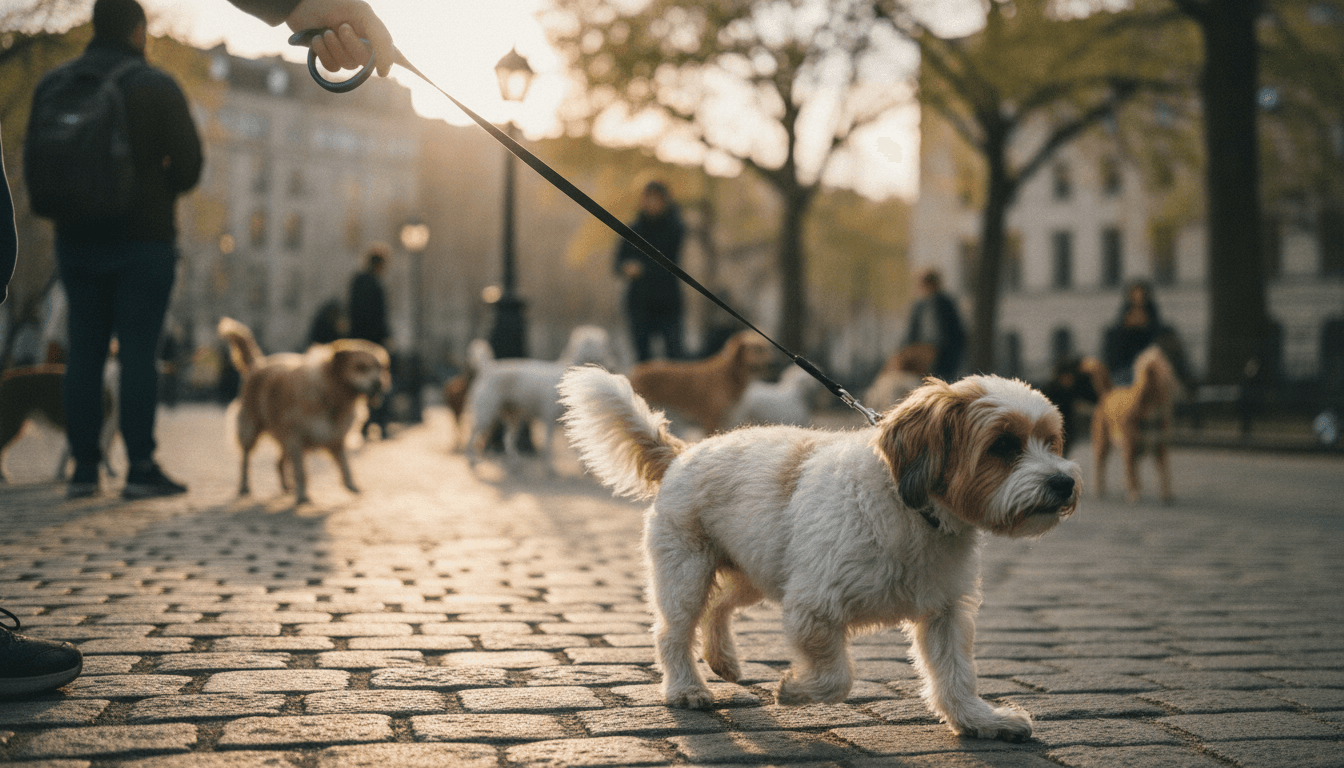
Yo-Chons are small but well-proportioned, usually weighing 6–15 pounds and standing 9–12 inches at the shoulder. They inherit a soft, wavy-to-curly coat that can lean toward the Bichon's plush white fluff or the Yorkshire Terrier's silkier texture. Common colors include white, cream, tan, black, silver, and combinations, and many Yo-Chons darken or lighten as they mature. Their expressive round eyes, button nose, and floppy ears give them the teddy-bear look that makes the mix so popular. According to the American Kennel Club, the Bichon parent is small but sturdy and resilient—traits the Yo-Chon often shares.
Yo-Chon Temperament and Personality
Yo-Chons are friendly, sociable, and playful. They form deep bonds with their people and love being at the center of family life. The Bichon side brings a gentle, comedic charm, while the Yorkshire Terrier adds boldness and a big-dog attitude in a tiny frame. The result is a confident, affectionate companion that's usually great with children and other pets when socialized early.
That devotion has a flip side: Yo-Chons can be prone to separation anxiety and may bark when left alone or when they hear activity outside. Early training and gradual alone-time practice help enormously. Because the Yorkshire Terrier is a true terrier at heart—the AKC notes Yorkies pair a dainty coat with "the heart of a feisty, old-time terrier"—consistent, positive-reinforcement training pays off.
Grooming and Shedding
Yo-Chons are low-shedding and often a good match for people who prefer a tidier home, though no dog is truly 100% hypoallergenic. That low-shed coat is high-maintenance, however. Plan on:
- Brushing 3–4 times a week (daily if the coat is curlier) to prevent painful mats.
- Professional grooming every 6–8 weeks for trimming and shaping.
- Regular ear cleaning, since floppy-eared dogs are prone to ear infections.
- Dental care—small breeds are especially vulnerable to periodontal disease, which VCA Hospitals notes is one of the most common health problems in dogs. Brush teeth several times a week.
If shedding is your main concern, compare notes with our guide on whether Yorkies are hypoallergenic.
Exercise and Training
Despite their small size, Yo-Chons are energetic and need about 30 minutes of activity a day—a couple of short walks plus indoor play is usually plenty. They're intelligent and eager to please but can inherit a stubborn streak, so keep training sessions short, upbeat, and reward-based. Early socialization and crate training help prevent the two most common Yo-Chon challenges: nuisance barking and separation anxiety. House-training a small dog can take patience and consistency; many owners see reliable results by 4–6 months with a steady routine.
Yo-Chon Health and Lifespan
Yo-Chons are generally healthy and typically live 12–15 years, but as a small mixed breed they can inherit conditions from either parent. Watch for:
- Luxating patella (slipping kneecap), common in small breeds—see VCA's overview.
- Dental disease, due to crowded teeth in a small mouth.
- Eye conditions such as cataracts and tear-duct issues.
- Allergies and sensitive skin.
- Portosystemic (liver) shunts, occasionally seen in Yorkshire Terrier lines.
Choose a breeder who screens both parents' knees and eyes and can show health documentation. Ask about the parents' ages and any hereditary issues. Routine vet checkups, dental care, and weight management are the best defense.
How Much Does a Yo-Chon Cost?
A Yo-Chon puppy from a reputable breeder generally costs between $800 and $2,000, depending on location, lineage, and coat coloring. Beyond the purchase price, budget for ongoing costs: professional grooming every 6–8 weeks ($50–$90 per visit), quality small-breed food, routine veterinary care, and pet insurance. Adoption through a small-breed or Bichon/Yorkie rescue is often more affordable and gives a dog a second chance. As with any designer mix, avoid bargain "puppy mill" listings—low upfront prices often mean higher vet bills later.
Nutrition
Feed a high-quality small-breed formula portioned to your Yo-Chon's weight and activity—usually around ¼ to ½ cup of dry food twice daily for an adult, but follow your vet's guidance and the label. Small dogs are prone to obesity, which stresses their joints, so measure meals and limit treats to about 10% of daily calories. Small breeds can also be susceptible to low blood sugar as puppies, so young Yo-Chons may need more frequent meals.
Yo-Chon History and the Designer-Dog Trend
The Yo-Chon is part of the broader designer-dog movement that took off in the 1990s and 2000s, when breeders began intentionally crossing two purebreds to blend desirable traits—in this case, the Bichon Frise's cheerful, low-shedding coat and the Yorkshire Terrier's confident, portable size. Neither the Yo-Chon nor most designer crosses are recognized by major kennel clubs, so there's no official breed standard, and characteristics can vary from litter to litter. That variability is the trade-off of any first-generation mix: you get hybrid charm, but less predictability than a purebred. The upside is a companion that often captures the best of two well-loved lap dogs. To appreciate the parent traits at play, the DogTime Bichon Frise profile notes the Bichon is a small Mediterranean companion breed that "doesn't shed—or at least doesn't shed much," a quality the Yo-Chon frequently inherits.
Living With a Yo-Chon: Apartment and Family Life
Yo-Chons are outstanding apartment and city dogs. Their small size, modest exercise needs, and low-shedding coat make them easy to accommodate in tight quarters, and their affectionate nature means they're happiest wherever their people are. That said, prospective owners should plan around two things: their need for companionship and their alertness. Because Yo-Chons bond so closely, they do best in homes where someone is around for much of the day or where alone-time is introduced gradually and supported with enrichment. And because the Yorkshire Terrier side can make them quick to bark at hallway noises or passersby, early, consistent training to manage alert barking is well worth the effort in shared buildings.
With families, Yo-Chons are typically gentle, playful, and adaptable. They generally get along with children and other pets, though their small, delicate build means interactions with very young kids should be supervised to avoid accidental injury. If you're weighing the Yo-Chon against similar crosses, our profiles on the hypoallergenic qualities of Yorkies and related mixes can help you compare coats and temperaments before you decide.
Is a Yo-Chon Right for You?
The Yo-Chon is a wonderful fit for a specific kind of home. If you want a small, affectionate, low-shedding companion, live in an apartment or don't have a large yard, and can offer daily companionship plus commit to regular grooming and gentle training, this mix may be ideal. First-time dog owners often do well with Yo-Chons because they're eager to please and adaptable. The Yo-Chon is a less ideal match if you're away from home for long stretches every day, since the breed's tendency toward separation anxiety can lead to barking and stress, or if you're hoping for a low-grooming dog—the low-shedding coat trades vacuuming for brushing and professional trims. It's also worth remembering that any small dog needs supervision around very young children and larger, rowdier dogs. Weigh your lifestyle honestly against those needs, and if it lines up, a Yo-Chon will reward you with years of devoted, cheerful companionship.
Frequently Asked Questions
How big does a Yo-Chon get?
Yo-Chons are small dogs, typically 6–15 pounds and 9–12 inches tall at the shoulder. Adult size depends on the parents and which breed the individual dog favors.
Do Yo-Chons shed a lot?
No—Yo-Chons are low-shedding thanks to their Bichon and Yorkie parentage, which makes them appealing to tidy households. No dog is fully hypoallergenic, though, and their coat needs frequent brushing and regular grooming.
Are Yo-Chons good with kids?
Yes. Yo-Chons are affectionate and playful and generally do well with children, especially when socialized early. Because they're small and delicate, supervise interactions with young kids to prevent accidental injury.
Do Yo-Chons bark a lot?
They can. The Yorkshire Terrier side makes some Yo-Chons alert barkers, and separation anxiety can trigger barking when they're left alone. Early training, enrichment, and gradual alone-time practice reduce it.
How long do Yo-Chons live?
With good care, Yo-Chons typically live 12–15 years—a long lifespan typical of small companion breeds. Regular vet visits, dental care, and healthy weight support a full life.
How much does a Yo-Chon puppy cost?
Expect roughly $800–$2,000 from a reputable breeder, plus ongoing grooming, food, and vet costs. Adoption through a small-breed rescue is often less expensive.
The Bottom Line
The Yo-Chon packs a huge, affectionate personality into a small, low-shedding package. It's an ideal companion for apartment dwellers, families, and first-time owners who can commit to daily attention, regular grooming, and early training. Give a Yo-Chon the companionship it craves and you'll have a devoted, teddy-bear-cute friend for well over a decade.
Considering a Yo-Chon? Read up on both parent breeds in our Bichon Frise guide and Yorkshire Terrier profile, then subscribe to the Daily Wag newsletter for more small-breed care tips and designer-dog guides.