
Shorkie: The Complete Guide to the Shih Tzu Yorkie Mix
The Shorkie is a small companion dog created by crossing a Shih Tzu with a Yorkshire Terrier. Typically weighing 7–15 pounds and standing 6–11 inches tall, Shorkies are affectionate, confident, and loyal lap dogs with long, low-shedding coats. They live around 12–15 years, adapt beautifully to apartments, and bond intensely with their people — which also makes them prone to separation anxiety and alert-barking.
Part Shih Tzu snuggler, part feisty Yorkie, the Shorkie packs a huge personality into a tiny frame. This guide covers everything a current or future owner needs: temperament, health, grooming, training, cost, and whether this designer companion is the right match for your home.
Shorkie at a Glance
The Shorkie — also called the Shorkie Tzu or Yorkie Tzu — is a designer crossbreed, not a recognized purebred. Because it's a first-generation mix, individual dogs vary: some favor the rounder, mellower Shih Tzu, others the bold, terrier-driven Yorkie, and many land somewhere in between. What stays consistent is the size (small), the coat (long and low-shedding), and the temperament (devoted and people-focused). Both parent breeds are ancient companion dogs — the Shih Tzu a Chinese lap dog (profiled in depth by PetMD) and the Yorkshire Terrier a scrappy English ratter turned Victorian favorite — so the Shorkie is bred first and foremost to be a companion.
Appearance and Coat
Shorkies are compact and sturdy for their size, usually 7–15 pounds and 6–11 inches tall, though some run a bit smaller or larger. Per DogTime, the mix generally falls in the 5–15 pound range with a lifespan reaching well into the teens.
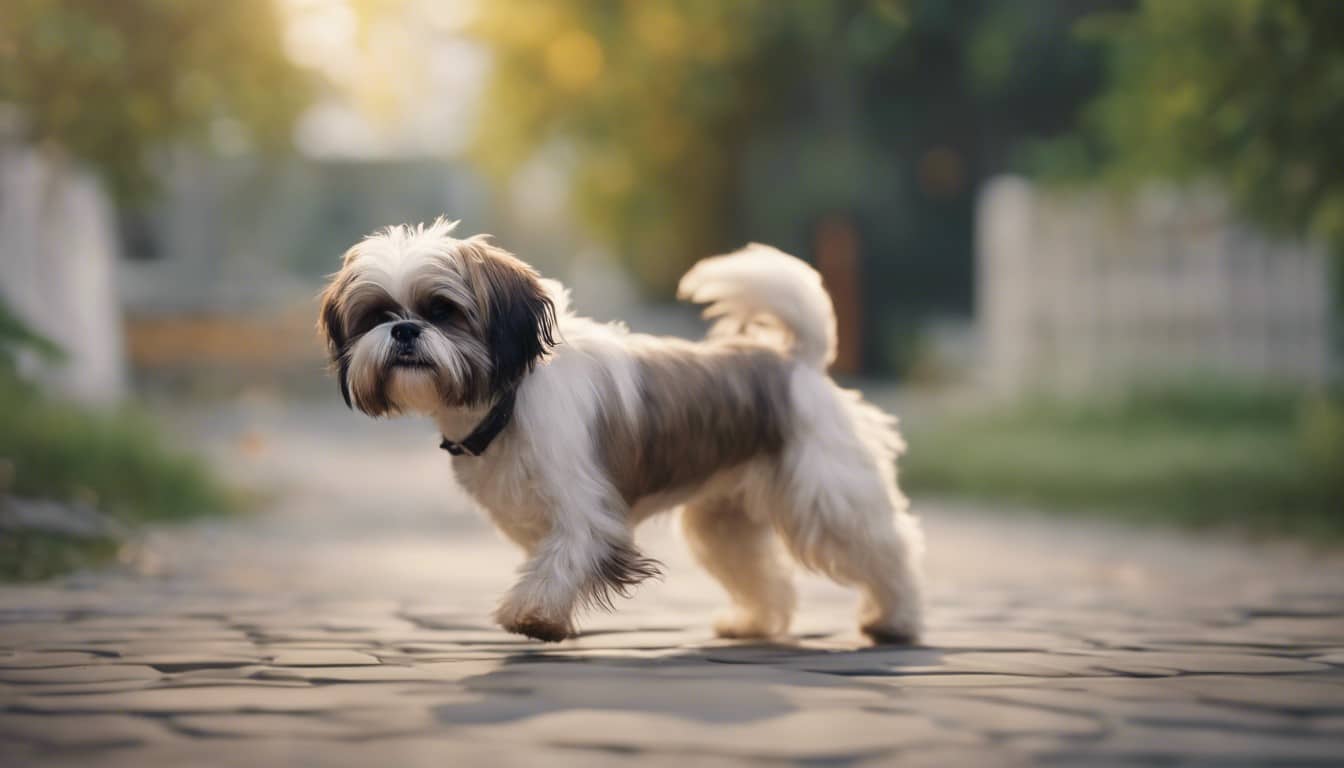
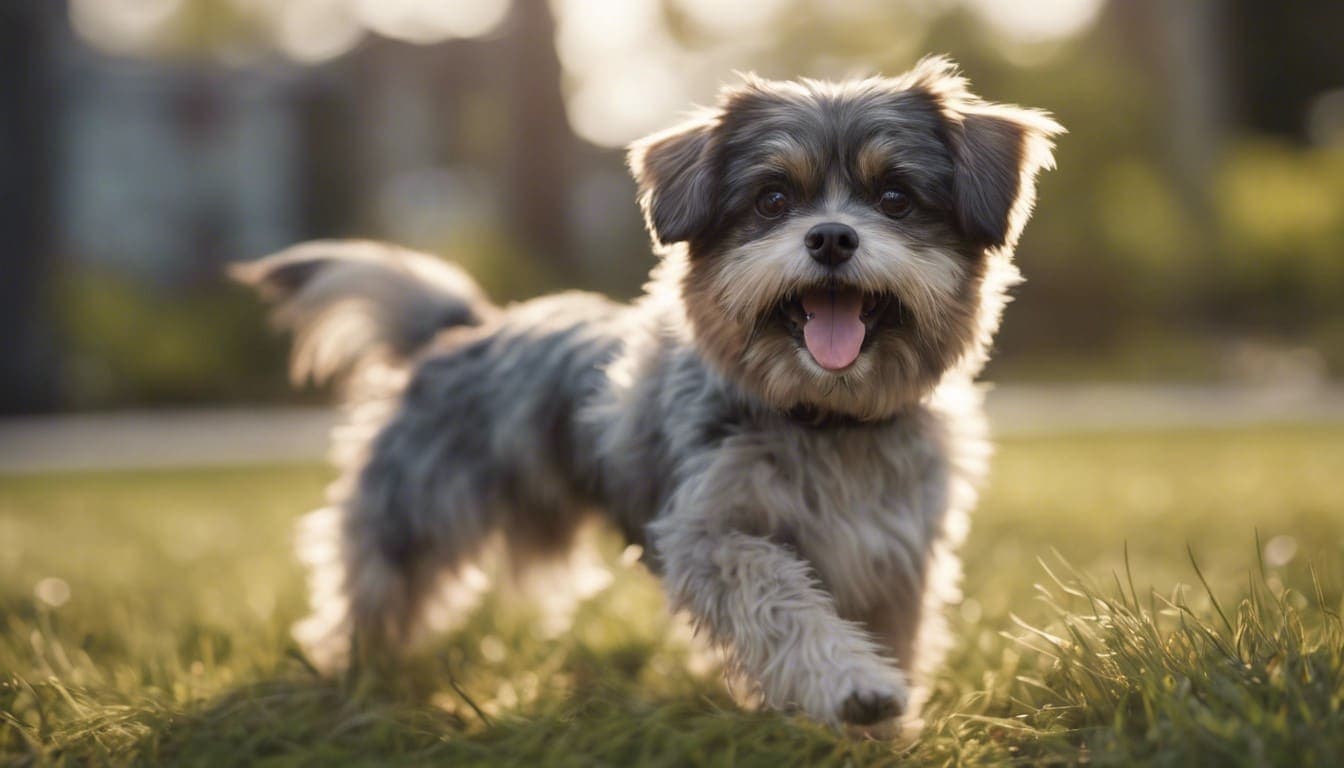
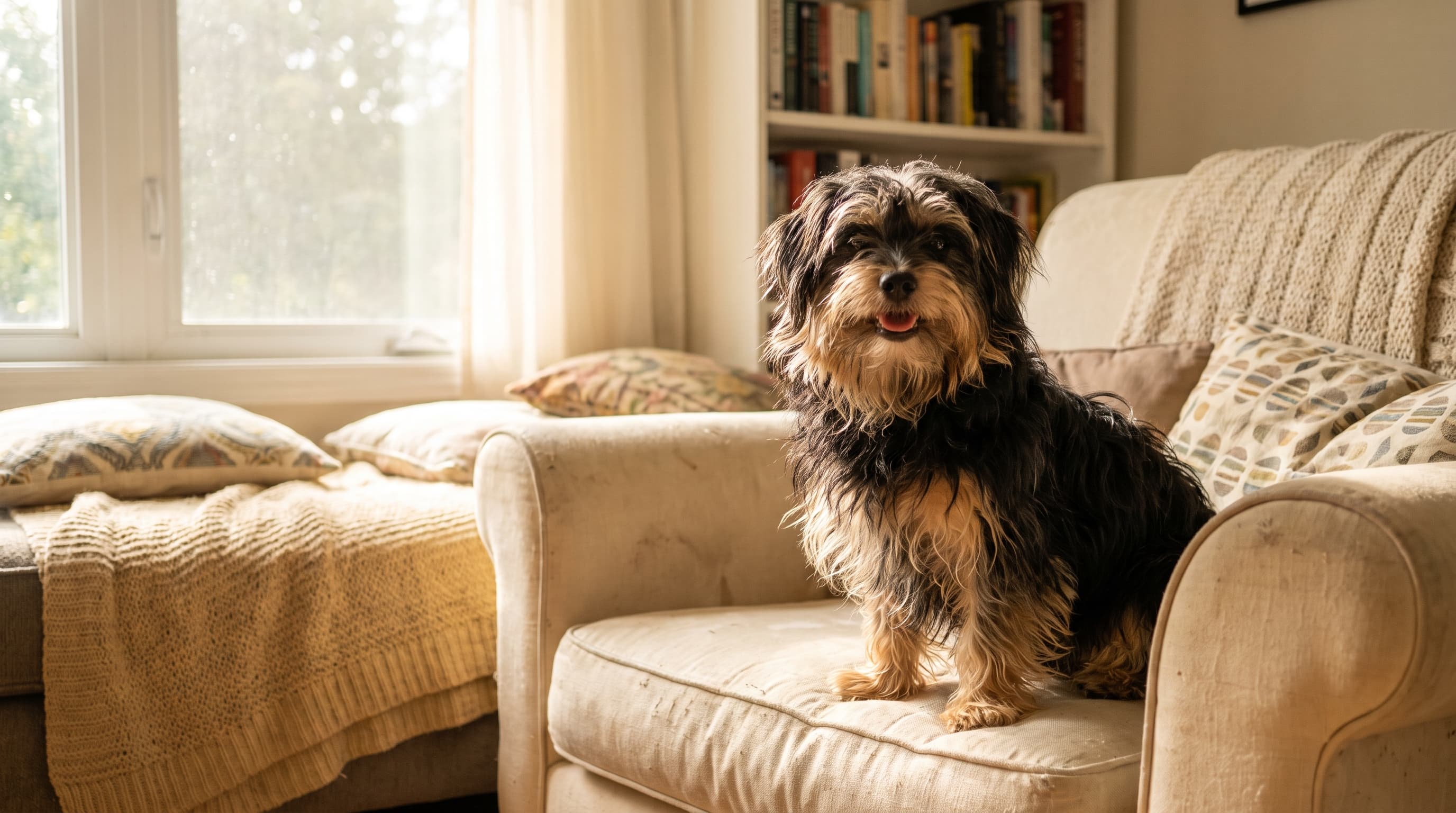
The coat is the Shorkie's signature: long, silky, and low-shedding, coming in black, white, tan, gold, brown, brindle, and mixed patterns that often shift as the puppy matures. Many owners keep their Shorkie in a shorter "puppy cut" for easy maintenance. Because they shed so little, Shorkies are sometimes marketed as hypoallergenic — but no dog is truly allergen-free. Low-shedding coats spread less dander around the home, which some allergy sufferers tolerate better, but sensitive individuals should spend time with the breed first.
Temperament and Personality
Shorkies are affectionate, lively, and loyal — the quintessential lap dog with a surprising amount of spunk. They adore being close to their humans, follow their favorite person from room to room, and are quick to reward attention with affection. That devotion is their best quality and their biggest challenge: Shorkies are prone to separation anxiety and don't do well left alone for long stretches.
Thanks to the Yorkie side, they're also confident, curious, and vocal. Shorkies make excellent little watchdogs, alert-barking at every knock and passerby. They tend to do better with older, gentle children than with toddlers who might handle a fragile small dog too roughly, and they can live happily with other pets when socialized early. Their bold, big-dog attitude means they'll happily challenge dogs many times their size, so supervision matters.
Health and Lifespan
Shorkies are generally long-lived, often reaching 12–15 years or more. As a mix of two small breeds, they can inherit health issues common to their parents, so awareness and preventive care are key. Conditions to watch for include:
- Dental disease — very common in small breeds with crowded mouths; daily tooth brushing and regular cleanings matter.
- Patellar luxation — slipping kneecaps, seen in many toy breeds.
- Brachycephalic (short-nosed) traits — inherited from the Shih Tzu side, some Shorkies have shorter muzzles that can affect breathing and heat tolerance.
- Eye problems — including cataracts and dry eye.
- Collapsing trachea and hypoglycemia — concerns in tiny dogs, especially puppies.
Small breeds are especially prone to dental problems; the veterinary team at VCA Animal Hospitals notes how widespread periodontal disease is in dogs and how much a home care routine helps. Choose a breeder who screens the parent dogs, keep up with veterinary checkups, and stay on top of dental care to give your Shorkie the best shot at a long, healthy life.
Exercise Needs
Shorkies are moderate-energy dogs that don't need marathon walks, but they do need daily activity to stay happy and healthy. Aim for about 20–30 minutes of exercise a day — a couple of short walks plus indoor play usually does it. Interactive toys, gentle fetch, and training games keep their bright minds engaged.
Because they're so small, much of their exercise can happen indoors, which is part of what makes them such good apartment dogs. Watch the heat: Shorkies with shorter muzzles can overheat quickly, so keep walks cool and shaded in summer and never leave them in warm cars or unventilated spaces.
Training and Socialization
Shorkies are intelligent and eager to please their people, but the Yorkie streak of independence can show up as stubbornness — housetraining in particular often takes patience, sometimes four to six months. Small dogs also have small bladders, so consistency and frequent potty breaks are essential; many owners succeed with crate training or an indoor potty setup.
Use positive reinforcement — treats, praise, and play — and start early socialization to raise a confident, well-mannered dog. Gentle exposure to new people, sounds, and other animals helps prevent the yappiness and "small dog syndrome" that can develop when a tiny dog isn't given clear, kind boundaries. Keep sessions short and fun to match their attention span.
Grooming
That gorgeous coat is a commitment. Shorkies need brushing several times a week — daily if kept long — to prevent mats and tangles, plus professional grooming every 4–6 weeks to keep the coat manageable (budget roughly $400–$800 a year). Many owners opt for a short puppy cut to cut down on daily upkeep.
Round out grooming with daily tooth brushing (crucial for this breed), regular nail trims, and gentle cleaning around the eyes, since facial hair and short muzzles can lead to tear staining. Check and clean the ears regularly to prevent infections. For more on the low-shedding coats behind this mix, see our guides on whether Shih Tzus shed and whether Yorkies are hypoallergenic.
Feeding Your Shorkie
Small dogs have fast metabolisms and tiny stomachs, so feed a high-quality food formulated for small or toy breeds, which offers the right calorie density and kibble size. Most adult Shorkies eat a modest amount split across two meals a day; free-feeding can lead to picky eating and weight gain in a dog this small.
Watch portions closely — even a few extra treats represent a big share of a 10-pound dog's daily calories, and excess weight strains small joints and worsens dental issues. Toy-breed puppies can be prone to low blood sugar (hypoglycemia), so young Shorkies may need more frequent meals; ask your veterinarian about a feeding schedule suited to your dog's age and size. Fresh water should always be available.
Is a Shorkie Right for You?
A Shorkie is a fantastic fit if you want a small, affectionate companion, spend a lot of time at home, and don't mind regular grooming. They shine in apartments and suit singles, seniors, and gentle families. Think carefully if you're away for long hours (separation anxiety is real), have very young children, or want a low-maintenance coat. For the right owner, though, the Shorkie delivers enormous love and personality in a pint-sized, low-shedding package.
Cost of Ownership
A Shorkie puppy from a breeder typically runs $500–$1,500, depending on lineage and location, while adopting through a rescue usually costs $100–$400. Beyond the purchase price, plan for ongoing expenses: professional grooming ($400–$800/year), quality food, routine and dental veterinary care, and pet insurance or an emergency fund. All told, expect annual ownership costs in the range of $1,600–$2,500.
Frequently Asked Questions
How big does a Shorkie get?
Most Shorkies reach 7–15 pounds and stand 6–11 inches tall at maturity, making them a true small/toy-sized dog. Adult size depends on the parents; a Shorkie from smaller Yorkie and Shih Tzu lines will land at the lower end of that range.
Are Shorkies hypoallergenic?
No dog is truly hypoallergenic, but Shorkies are low-shedding, which spreads less dander around the home and is often better tolerated by allergy sufferers. If allergies are a concern, spend time with the breed before committing.
Do Shorkies bark a lot?
They can. The Yorkie influence makes Shorkies alert, confident watchdogs that bark at knocks, strangers, and noises. Early socialization, training, and enough daily stimulation help keep barking to a reasonable level.
How long do Shorkies live?
Shorkies typically live 12–15 years, and many live longer with good care. Staying on top of dental health, weight, and regular veterinary visits helps maximize their lifespan.
Are Shorkies easy to potty train?
Housetraining can take patience — often four to six months — because small dogs have small bladders and the breed can be a bit stubborn. Consistency, frequent potty breaks, crate training, and positive reinforcement are the keys to success.
Are Shorkies good with kids and other pets?
Shorkies generally do best with older, gentle children who can handle a fragile small dog carefully, and they can live happily with other pets when socialized early. Supervise interactions with toddlers and much larger dogs to keep your little companion safe.
The Bottom Line
The Shorkie blends the affectionate Shih Tzu and the bold Yorkshire Terrier into a devoted, low-shedding companion perfect for apartment living and close human company. In exchange for regular grooming, plenty of together-time, and consistent training, you'll get a loyal little dog with a personality far bigger than its size. If you can meet those needs, few companions are more loving.
Considering a small designer companion? Compare the Shorkie with two similar mixes in our guides to the Morkie (Maltese × Yorkie) and the Cava-Tzu (Cavalier × Shih Tzu). And subscribe to the Daily Wag newsletter for breed spotlights, grooming tips, and healthy-dog advice in your inbox.