
The Cavachon is a small designer crossbreed between a Cavalier King Charles Spaniel and a Bichon Frise, typically weighing 10–20 pounds and standing 9–13 inches at the shoulder. Prized for a low-shedding coat, an exceptionally gentle temperament, and an ideal size for apartments and families with young children, the Cavachon is one of the most popular Cavalier and Bichon crosses on the market. Most owners describe them as the perfect compromise between a calm lap dog and a playful family companion.
Cavachon at a Glance
Before going deeper, here are the essentials prospective owners ask about most:
- Other names: Cavachon, Cavachon-Frise, Bichon-King Charles
- Parent breeds: Cavalier King Charles Spaniel × Bichon Frise
- Weight: 10–20 pounds
- Height: 9–13 inches at the shoulder
- Lifespan: 10–15 years
- Coat: Wavy to curly, medium length, silky to soft
- Shedding: Low — one of the lower-shedding small mixes
- Energy level: Low to moderate — about 30 minutes of activity daily
- Good with kids: Excellent — patient, gentle, and tolerant
- Good with other pets: Yes, with early socialization
- Apartment-friendly: Yes — one of the best small designer breeds for apartments
- Recognition: Not AKC-recognized; registered with the American Canine Hybrid Club and the Designer Breed Registry
Appearance
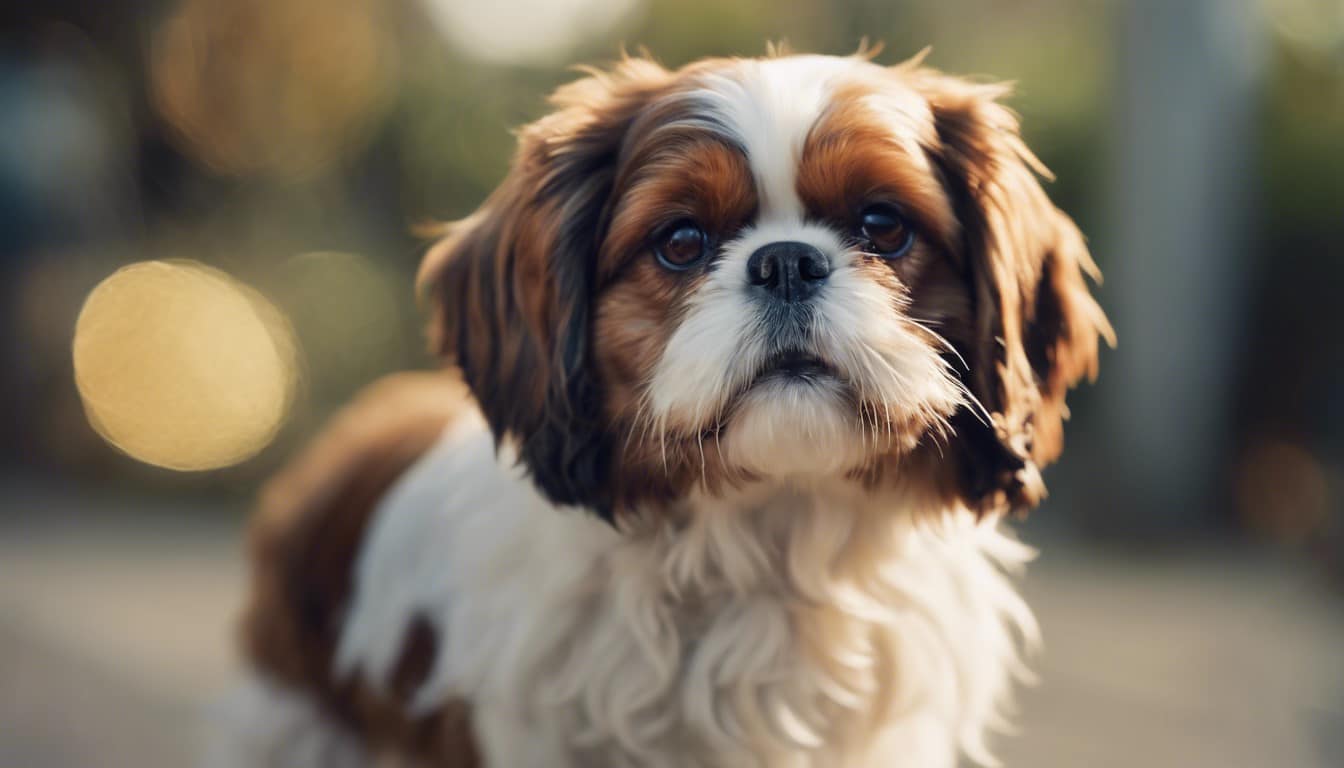
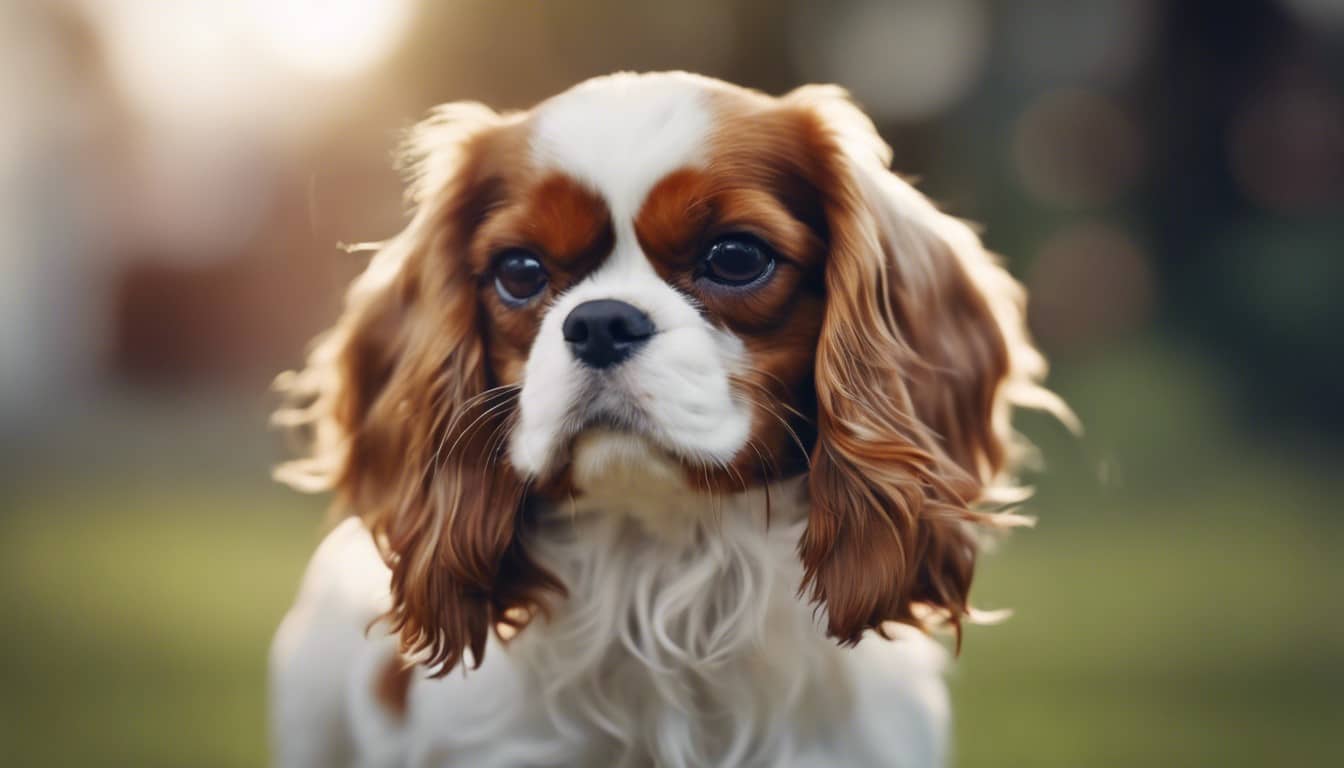
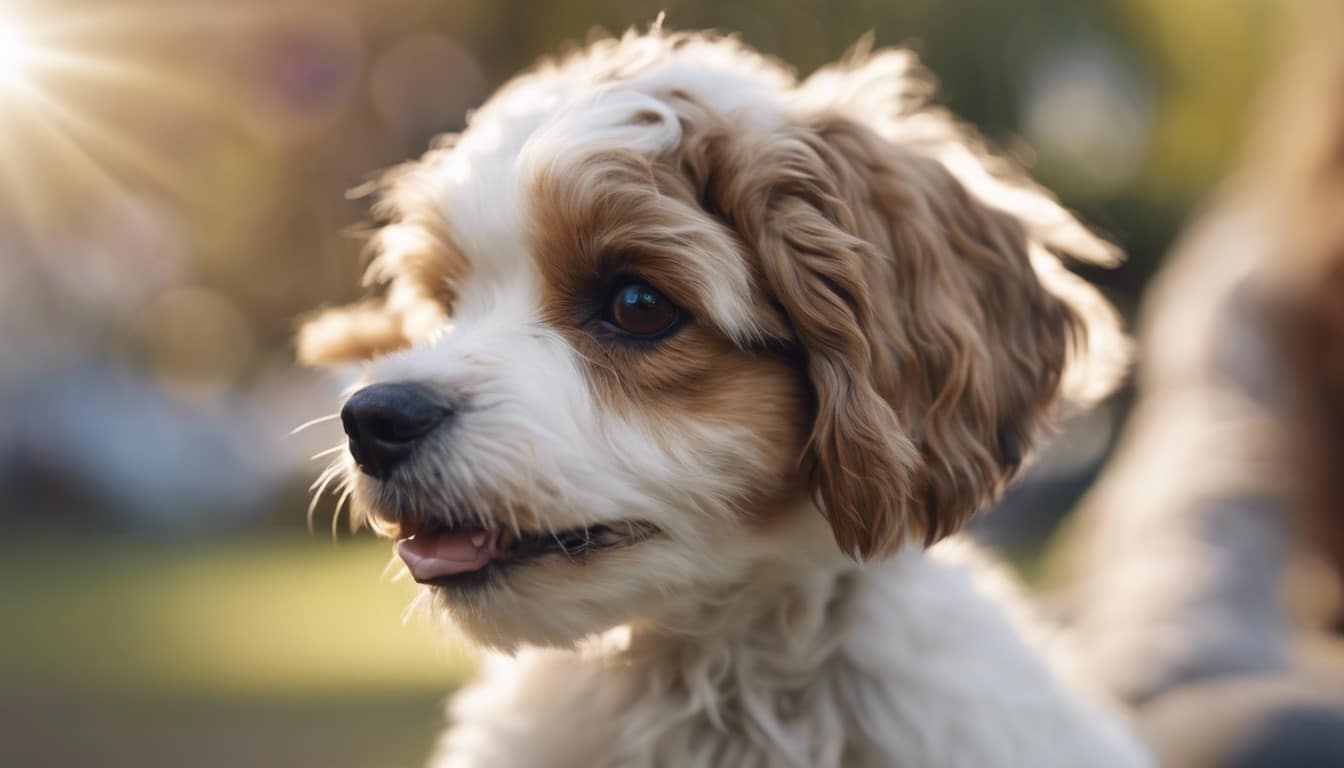
The Cavachon is a small, sturdy dog with a soft, fluffy coat and a sweet, slightly rounded face. There's some variation between litters depending on which parent's genes are stronger, but most Cavachons land in a recognizable middle zone — bigger and squarer than a pure Bichon, slightly fluffier than a pure Cavalier.
Body: Compact and well-proportioned, with a level back and short legs. Most adults weigh 12–18 pounds, though smaller "toy" lines can stay under 10 and larger ones can creep past 20.
Head and face: Round skull, large dark eyes, and floppy ears framed by feathered fur. The muzzle is short to medium — never as flat as a brachycephalic breed, which is a plus for breathing health.
Coat: Medium-length and wavy to loosely curly. The texture is silkier than a pure Bichon and fluffier than a pure Cavalier. The coat is considered low-shedding and is often tolerated by people with mild dog allergies.
Color: Cavachons come in cream, white, apricot, peach, sable, tan, and tri-color (white with tan and black patches, like the Cavalier's "Blenheim" pattern). Solid white and white-with-apricot-patches are the most common.
History
The Cavachon was first intentionally bred in 1996 by Gleneden Kennels in Iowa, who set out to combine the calm, affectionate Cavalier with the cheerful, low-shedding Bichon. The cross gained quick popularity in the United States during the early-2000s designer-dog boom alongside the Maltipoo and Cavapoo, both of which share one parent breed with the Cavachon.
Both parents come from European companion-dog lineages. The Cavalier King Charles Spaniel traces back to the toy spaniels of 17th-century English royalty. The Bichon Frise descends from the Mediterranean Bichon family and was prized in French and Spanish courts. The cross inherits an unbroken centuries-long history as a human-bred lap companion — these are dogs designed from the ground up to live indoors and bond with people.
The Cavachon isn't recognized by the AKC because it's a hybrid, but it's registered with the American Canine Hybrid Club, the Designer Breed Registry, and the International Designer Canine Registry.
Temperament & Personality
Cavachons are sweet, sociable, and almost universally easygoing. They're often described as the "Goldilocks" small dog — affectionate without being clingy, playful without being hyper, alert without being yappy.
With family: Devoted and cuddly. Cavachons want to be where their people are and will follow you from room to room. They settle quickly on a lap or a couch and are happy to share space.
With children: Excellent. The Cavalier side brings legendary patience with kids; the Bichon side adds playfulness without sharp edges. Cavachons are one of the better small-breed picks for families with toddlers and young children, though as with any small dog, supervise rough handling.
With strangers: Friendly. Most Cavachons greet new people happily after a brief alert bark. True shyness or aggression is rare and usually points to under-socialization or a poorly bred dog.
With other pets: Generally excellent. Both parent breeds are non-confrontational, and Cavachons typically do well with other dogs and cats when introduced gradually.
Alone time: Poor. Cavachons are prone to separation anxiety and don't thrive when left alone for long stretches. They do best in homes where someone is around most of the day, or in homes with a second pet for company.
Health
The Cavachon is generally considered a healthy small mix, with hybrid vigor helping with some single-breed conditions. But both parent breeds carry serious hereditary issues, and a "healthy hybrid" claim from a breeder is no substitute for documented health testing on the parents.
- Mitral valve disease (MVD): The biggest health concern in the breed. Cavalier King Charles Spaniels have one of the highest rates of MVD of any breed, with most dogs developing a heart murmur by middle age. Cavachon breeders should provide cardiac clearances from a board-certified veterinary cardiologist on the Cavalier parent.
- Syringomyelia (SM): A painful neurological condition where fluid-filled cavities form in the spinal cord. Common in Cavaliers due to a Chiari-like skull malformation. Ethical breeders MRI-screen their Cavalier parents.
- Patellar luxation: A slipping kneecap, common in small breeds including the Bichon. Surgery can correct severe cases.
- Hip dysplasia: Less common in small breeds than in giants, but still present. Reputable breeders provide OFA hip clearances on both parents.
- Eye conditions: Cataracts and progressive retinal atrophy. Annual eye exams from a veterinary ophthalmologist help with early detection.
- Allergies: Inherited from the Bichon side. Skin allergies and food sensitivities are common and often need lifelong management with diet adjustments or veterinary dermatology.
- Dental disease: Small breeds are prone to crowded teeth and periodontal disease. Daily tooth brushing and annual professional cleanings are non-negotiable.
- Cushing's disease and bladder stones: Both seen in Bichons and can appear in older Cavachons.
Expected lifespan is 10–15 years, with well-bred and well-maintained dogs frequently reaching the higher end. Annual veterinary exams, dental care, and a lean body weight are the biggest levers owners can pull.
Exercise
Cavachons are low-to-moderate energy dogs — one of the easier small breeds for sedentary owners or busy families. Plan on roughly 30 minutes of activity per day, split between walks and indoor play.
Good exercise outlets:
- Short daily walks: Two 15-minute walks are ideal — long enough for stimulation and bathroom breaks, short enough for small legs.
- Indoor play: Fetch in a hallway, puzzle toys, or short training sessions all count toward daily activity.
- Dog parks or playdates: Cavachons enjoy gentle play with other small or medium dogs. Skip the rough-and-tumble big-dog crowd.
What to avoid: extreme heat, long hikes on hot pavement, and overexertion in dogs over 8 years old. Cavachons with cardiac issues should be exercised lightly and monitored closely.
Training
Cavachons are intelligent, eager to please, and treat-motivated — one of the easier small breeds to train. Both parents rank well for biddability, and the cross rarely produces a stubborn dog.
What works: Short, positive, reward-based sessions of 5–10 minutes, two or three times per day. Cavachons are sensitive; harsh corrections shut them down. Clicker training works particularly well.
Priority skills: House training, polite greetings (no jumping on guests), and a reliable recall. Crate training also tends to help with separation anxiety by giving the dog a defined safe space.
Socialization: Expose puppies to as many people, dogs, sounds, and environments as possible before 16 weeks of age. Under-socialized Cavachons can become fearful, which presents as nuisance barking, hiding, or "fear aggression" toward strangers.
Common challenges: House training can take 4–6 months. Like many small breeds, Cavachons have small bladders and short attention spans for outdoor potty trips. Set a strict schedule and reward generously.
Grooming
Cavachons need meaningful grooming attention. The wavy-to-curly coat doesn't shed much, which is great for allergies but means dead hair stays trapped in the coat and mats without intervention.
- Brushing: Three to four times per week with a pin brush followed by a slicker. Daily during heavy coat-change weeks.
- Bathing: Every 3–4 weeks with a gentle dog shampoo. Skin allergies are common — use a hypoallergenic formula if needed.
- Professional grooming: Every 6–8 weeks for a full trim, sanitary clip, and nail trim. Most Cavachons get a "puppy cut" (1–2 inches all over) for easier home maintenance.
- Face cleaning: Wipe under the eyes daily with a damp cloth — tear staining is common in white-coated Cavachons.
- Ear cleaning: Weekly. Floppy ears trap moisture and wax.
- Nail trimming: Every 3–4 weeks.
- Dental care: Brush daily with dog-safe toothpaste. Plan on annual professional cleanings under anesthesia.
If you can't commit to regular brushing and professional grooming every 6–8 weeks, this isn't the breed for you. Neglected coats mat to the skin and often need to be shaved down entirely — uncomfortable for the dog and expensive at the groomer.
Nutrition
Feed a high-quality small-breed formula appropriate to life stage. Most adult Cavachons eat 1/2 to 1 cup of dry food per day, split into two meals. Free-feeding tends to backfire — Cavachons are prone to weight gain, which exacerbates joint and cardiac issues.
If your Cavachon has skin allergies (which the Bichon side predisposes them to), an elimination diet or veterinary hypoallergenic formula may be necessary. Common triggers include chicken, beef, dairy, and grains.
Keep this dog lean. You should be able to feel ribs without pressing hard and see a clear waist tuck behind the ribcage. Overweight Cavachons are at much higher risk for mitral valve disease progression and patellar luxation.
Is the Cavachon Right for You?
The Cavachon is a great fit if you:
- Live in an apartment, condo, or small home
- Have children, including young ones (with supervision)
- Want a low-shedding dog that may be tolerated by mild allergy sufferers
- Are home most of the day or have flexibility for midday check-ins
- Can commit to regular brushing and professional grooming every 6–8 weeks
- Want a calm, cuddly companion rather than a high-drive working dog
- Are a first-time dog owner
This breed is probably not for you if:
- You're away from home 10+ hours a day with no midday relief
- You want a dog for long hikes, running, or active sports
- You can't budget for professional grooming every 6–8 weeks
- You have severe dog allergies (no dog is truly hypoallergenic)
- You want a guard dog or a high-energy working partner
Finding a Cavachon
Cavachons are widely available from designer-dog breeders, but quality varies dramatically. The breed's popularity has attracted commercial breeders and puppy mills, so vetting matters.
Reputable breeders should provide health clearances on both parents — at minimum, a cardiac clearance from a veterinary cardiologist on the Cavalier parent (critical given MVD risk), OFA hip and patella evaluations, and an MRI screening for syringomyelia on the Cavalier parent. The breeder should let you visit, meet at least the mother, and ask you as many questions as you ask them.
Red flags: Multiple litters available immediately. No health testing on parents. Cavalier parent has no cardiac clearance (MVD risk is too high to skip this). Puppies sold under 8 weeks old. Pet-store availability — almost always a puppy mill source. Breeders unwilling to show parents in person or via video call. Prices much below $1,500 (common shortcut on screening).
Rescue options: Cavalier King Charles Spaniel Club rescue and Bichon Frise Club of America rescue occasionally have Cavachons. Petfinder and Adopt-a-Pet list designer-breed mixes regularly. Adult dogs from rescue often cost $200–$500 and skip the destructive puppy phase.
Cost of Ownership
Initial cost:
- Reputable breeder puppy: $1,500–$3,000
- Rescue or shelter: $200–$500
- Initial setup (crate, bed, leash, supplies, vet visits): $400–$800
Annual ongoing costs (adult dog):
- Food: $300–$600 per year
- Professional grooming: $400–$800 (every 6–8 weeks)
- Routine veterinary care: $300–$600
- Pet insurance: $300–$700 (worth considering given MVD risk)
- Preventives (flea, tick, heartworm): $200–$400
- Dental care: $200–$500 (annual cleaning + at-home brushing)
- Supplies and treats: $150–$300
Total annual cost typically runs $1,800–$3,500. Budget for one or two major veterinary events ($1,500–$5,000) over the dog's lifetime, especially for cardiac care, dental extractions, or patellar surgery.
Frequently Asked Questions
Are Cavachons hypoallergenic?
No dog is fully hypoallergenic, but Cavachons are considered one of the more allergy-friendly small breeds because of their low-shedding, Bichon-influenced coat. People with mild to moderate dog allergies often tolerate them well; severe allergy sufferers should spend several hours with a specific Cavachon before committing.
How big do Cavachons get?
Adult Cavachons typically weigh 10–20 pounds and stand 9–13 inches at the shoulder. Most fall in the 12–18 pound range. Size depends on which parent was used and the Cavachon's generation (F1, F1B, etc.).
Are Cavachons good with kids?
Yes — Cavachons are one of the better small breeds for families with children, including young ones. The Cavalier parent brings legendary patience and the Bichon adds playful good cheer. Always supervise interactions between small children and small dogs to prevent accidental injury to either party.
Do Cavachons bark a lot?
No — Cavachons are generally quiet for a small breed. They may alert-bark at the door or at unfamiliar sounds, but chronic nuisance barking is unusual unless the dog is anxious, bored, or under-exercised.
How much does a Cavachon cost?
Expect $1,500–$3,000 from a reputable breeder, or $200–$500 through rescue. Annual ongoing costs run $1,800–$3,500 including food, grooming, vet care, insurance, and supplies. Grooming is the biggest annual expense after food.
How long do Cavachons live?
Cavachons typically live 10–15 years. Lifespan is heavily influenced by the cardiac health of the Cavalier parent — well-screened breeding pairs produce longer-lived dogs. Lean body weight, daily dental care, and routine cardiac monitoring help dogs reach the upper end of that range.
Can Cavachons be left alone?
Not for long. Cavachons are prone to separation anxiety. Most adult dogs handle 4–6 hours alone if well-exercised and crate-trained, but daily 8–10 hour absences usually lead to nuisance barking, destructive chewing, or depression. A dog walker, daycare, or a second pet companion helps.
Are Cavachons easy to train?
Yes — Cavachons are intelligent, sensitive, and eager to please, which makes them one of the easier small breeds to train. House training can take 4–6 months, but obedience cues and tricks come quickly with positive reinforcement.
If the Cavachon isn't quite the right fit, you might also consider the Cavapoo for a slightly more athletic Cavalier mix, the Bichpoo for another low-shedding Bichon cross, or the Maltipoo for a similar size with slightly different personality blend.