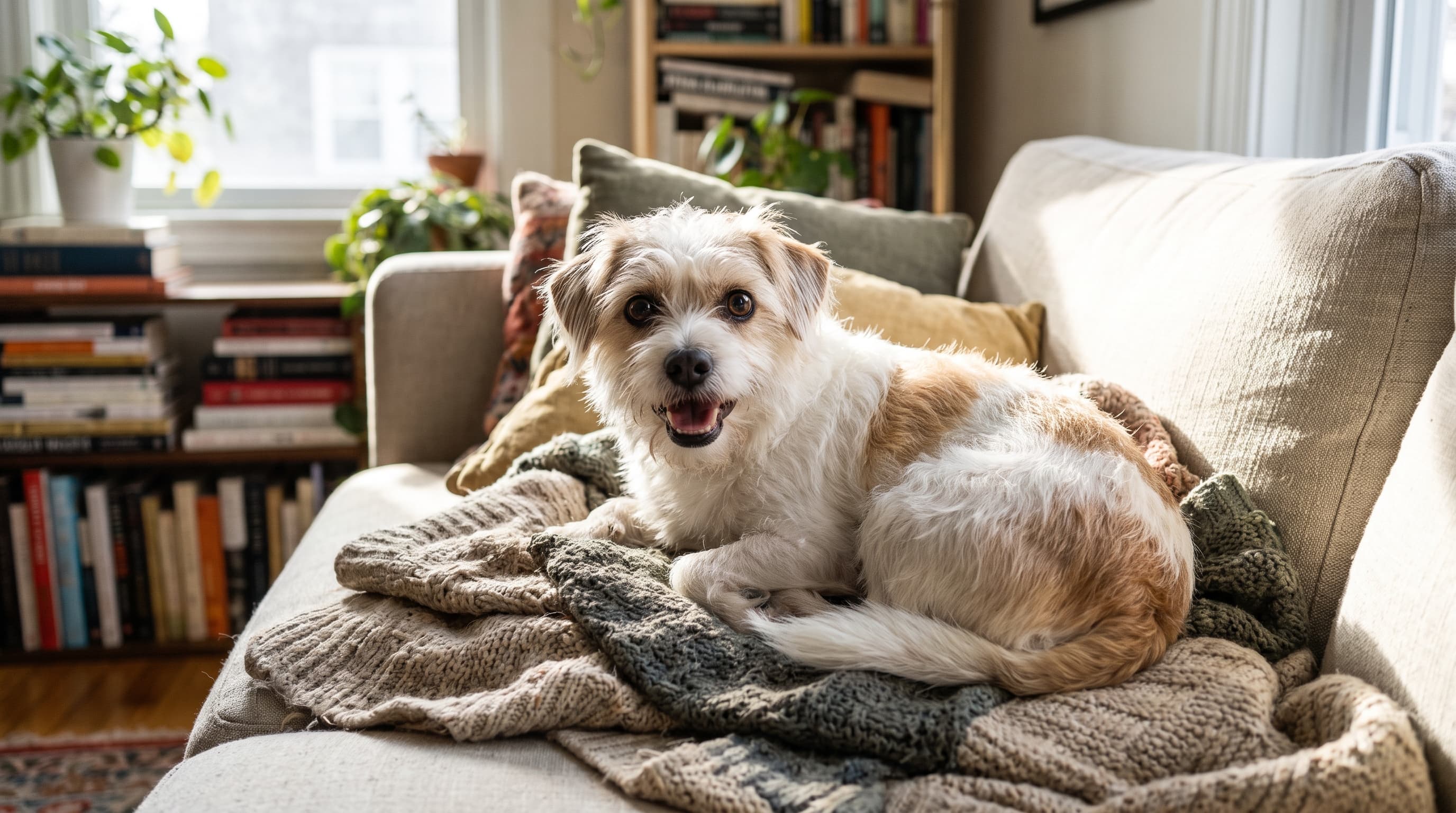

Malchi: The Complete Guide to the Maltese Chihuahua Mix
The Malchi is a small designer dog that crosses a Maltese with a Chihuahua. Weighing 5–12 pounds and standing 6–10 inches tall, Malchis are affectionate, lively, and devoted lap dogs with a big, vocal personality. They typically live 12–15 years, adapt beautifully to apartments, and do best in calm homes with older children.
Equal parts cuddly companion and tiny watchdog, the Malchi packs enormous personality into a pint-sized frame. This guide covers everything prospective owners need to know—appearance, temperament, grooming, health, training, and whether this charming hybrid is the right fit for your life.
What Is a Malchi?
A Malchi (sometimes spelled "Malche") is a first-generation hybrid between the Maltese and the Chihuahua, two of the most popular toy breeds in the world. Like most designer crosses, the Malchi emerged in the United States around the early 2000s as breeders sought a small, affectionate companion combining the Maltese's silky charm with the Chihuahua's bold devotion.
Because it's a mixed breed, the Malchi isn't recognized by the AKC, and individual dogs vary depending on which parent they take after. As Dogster notes, even puppies within the same litter can differ noticeably in coat, size, and looks.
Appearance and Size
Malchis are true toy dogs. Per Hepper and Wag!, they typically weigh 5–12 pounds (averaging around 7) and stand 6–10 inches tall, with size depending on their parents. Expect a compact body, expressive round eyes, and ears that may stand erect like a Chihuahua's or fold over like a Maltese's.
The coat is the biggest variable. A Malchi may inherit the Chihuahua's short, smooth coat or the Maltese's long, silky hair—or land somewhere in between. Common colors include white, cream, brown, black, tan, and fawn, often in combination. Whatever the coat, the look is undeniably adorable.
Temperament and Personality
Malchis are affectionate, high-spirited, intelligent, and famously loyal to their people. They bond closely with their owners and love nothing more than a warm lap. That devotion has a flip side: Malchis can be prone to separation anxiety and may struggle when left alone for long stretches.
They're also vocal. Both parent breeds are alert barkers, and the Chihuahua side in particular makes Malchis quick to announce doorbells, deliveries, and passing dogs. With early socialization and consistent training, that watchdog instinct stays manageable. Because their tiny frames are easily injured by rough handling—and the Chihuahua side can snap defensively when cornered—Malchis do best with older, gentle children rather than toddlers.
Grooming and Shedding
Grooming needs depend on coat type. Short-coated Malchis are low-maintenance, while long-haired Malchis need brushing about three times a week with a pin brush and comb to prevent tangles, plus regular professional grooming. Either way, Malchis are generally moderate shedders.
- Brushing: 2–3 times weekly for long coats; weekly for short coats.
- Ears: Malchis often have folded ears that trap moisture, so dry them thoroughly after baths to help prevent ear infections.
- Dental care: Small breeds are prone to dental disease—brush teeth regularly and schedule professional cleanings.
- Nails and baths: Trim nails every few weeks and bathe only as needed to protect skin oils.
For a full at-home routine, our DIY dog grooming guide walks through the basics step by step.
Meet the Parent Breeds
Understanding a Malchi means understanding its two famous parents. The Maltese is an ancient toy breed prized for its silky white coat, gentle affection, and history as a beloved companion lapdog dating back thousands of years. The Chihuahua, the world's smallest dog breed, brings boldness, fierce loyalty, and an outsized, confident personality. As 101DogBreeds notes, the Malchi inherits a blend of these traits—the Maltese's sweetness and the Chihuahua's spirited devotion—which is exactly what makes the cross so endearing.
Because hybrids can favor either parent, getting to know both breeds gives you a realistic picture of what your Malchi might become. Some lean elegant and mellow like the Maltese; others are spunky, sassy, and Chihuahua-bold.
Feeding and Nutrition
Malchis are small dogs that don't burn many calories, so portion control matters. Most do well on roughly a cup of high-quality small-breed dog food per day, split into two meals, though your dog's exact needs depend on age, weight, and activity level. Choose a formula made for toy or small breeds, with appropriately sized kibble that supports dental health.
Because hypoglycemia (low blood sugar) can affect toy-breed puppies, young Malchis often benefit from more frequent small meals—ask your vet for a feeding schedule. Watch treats carefully, since just a few extra calories add up fast in a 7-pound dog and can quickly lead to obesity, which strains tiny joints and the heart. Always provide fresh water and consult your veterinarian before making major diet changes.
Exercise and Training
Malchis are small dogs with modest energy. A couple of short daily walks plus indoor play is usually enough to keep them happy and healthy. They're well-suited to apartment living, but don't mistake their size for fragility—mental stimulation and gentle activity prevent boredom and weight gain.
Training a Malchi rewards patience. They're intelligent but can inherit a stubborn streak, and housebreaking small breeds often takes extra consistency. Use positive reinforcement, keep sessions short and fun, and prioritize early socialization to curb excessive barking and wariness toward strangers. Avoid "small dog syndrome" by setting the same gentle boundaries you would for a larger dog.
Health and Lifespan
Malchis are generally healthy and long-lived, with a lifespan of 12–15 years—and many reaching 15 or more with good care, according to Canine Journal. As a small crossbreed, they can inherit conditions common to both parent breeds, including:
- Dental disease (very common in toy breeds)
- Patellar luxation (slipping kneecaps)
- Hypoglycemia, especially in young puppies
- Heart conditions such as a heart murmur or patent ductus arteriosus
- Collapsing trachea (use a harness instead of a neck collar)
- Eye issues like progressive retinal atrophy
Weight management, dental care, parasite prevention, and routine checkups are the biggest levers for a long, healthy life. This is general information only—always consult your veterinarian about your individual dog's health and any symptoms you notice.
Is a Malchi Right for You?
A Malchi may be your perfect match if you want a devoted, portable companion for apartment or single-person living and you're home often enough to prevent loneliness. They're affectionate, entertaining, and travel well. They're less ideal for homes with very young children or owners who are away for long hours, given their fragility, vocal nature, and attachment to their people. Expect to pay roughly $300–$1,000 from a breeder, or less through a rescue—and consider adoption first.
Malchi Pros and Cons at a Glance
Every breed has trade-offs. Here's an honest snapshot to help you decide:
Pros:
- Affectionate, loyal, and deeply bonded to their people
- Small and portable—ideal for apartments and travel
- Generally long-lived, often 12–15 years or more
- Lower exercise needs than many breeds
- Alert little watchdogs who notice everything
Cons:
- Prone to barking and may be wary of strangers without socialization
- Can develop separation anxiety if left alone too long
- Fragile frame makes them a poor match for homes with toddlers
- Toy-breed dental and joint issues require diligent care
- Stubborn streak can make housebreaking slower
Weigh these against your lifestyle. For the right owner—someone home often, in a smaller space, wanting a devoted shadow—the Malchi's quirks are a small price for years of affection.
Frequently Asked Questions
How big does a Malchi get?
Malchis are toy-sized, typically weighing 5–12 pounds and standing 6–10 inches tall at the shoulder. Adult size depends largely on the parents.
Do Malchis bark a lot?
Yes, they tend to be vocal. Both parent breeds are alert barkers, so Malchis often announce visitors and noises. Early training and socialization help keep barking in check.
Are Malchis hypoallergenic?
No dog is truly hypoallergenic. Malchis are moderate shedders, and while some allergy-sensitive owners tolerate the Maltese-coat variety better, they still produce dander and saliva proteins that can trigger allergies.
How long do Malchis live?
Malchis generally live 12–15 years, with many exceeding that with attentive dental care, weight management, and regular veterinary visits.
Are Malchis good with kids?
They do best with older, gentle children. Their tiny frames are easily hurt by rough handling, and they can react defensively, so they're not the best match for homes with toddlers.
The Bottom Line
The Malchi blends the Maltese's affection with the Chihuahua's boldness into a loyal, lively little companion that thrives on closeness. Give one plenty of attention, gentle training, and good preventive care, and you'll have a devoted shadow for 12–15 happy years. Like any mixed breed, each Malchi is a one-of-a-kind blend of its parents, so embrace the surprises—whether your pup turns out sweet and silky like the Maltese or sassy and bold like the Chihuahua, you'll have a tiny companion with an enormous heart and a personality far bigger than its size.
Curious about the Malchi's parent breeds and similar tiny companions? Explore our guides to the Chihuahua and other Chihuahua mix breeds, or meet the equally charming Maltipoo. Love designer toy breeds? Subscribe to the Daily Wag newsletter for breed spotlights and care tips every week.