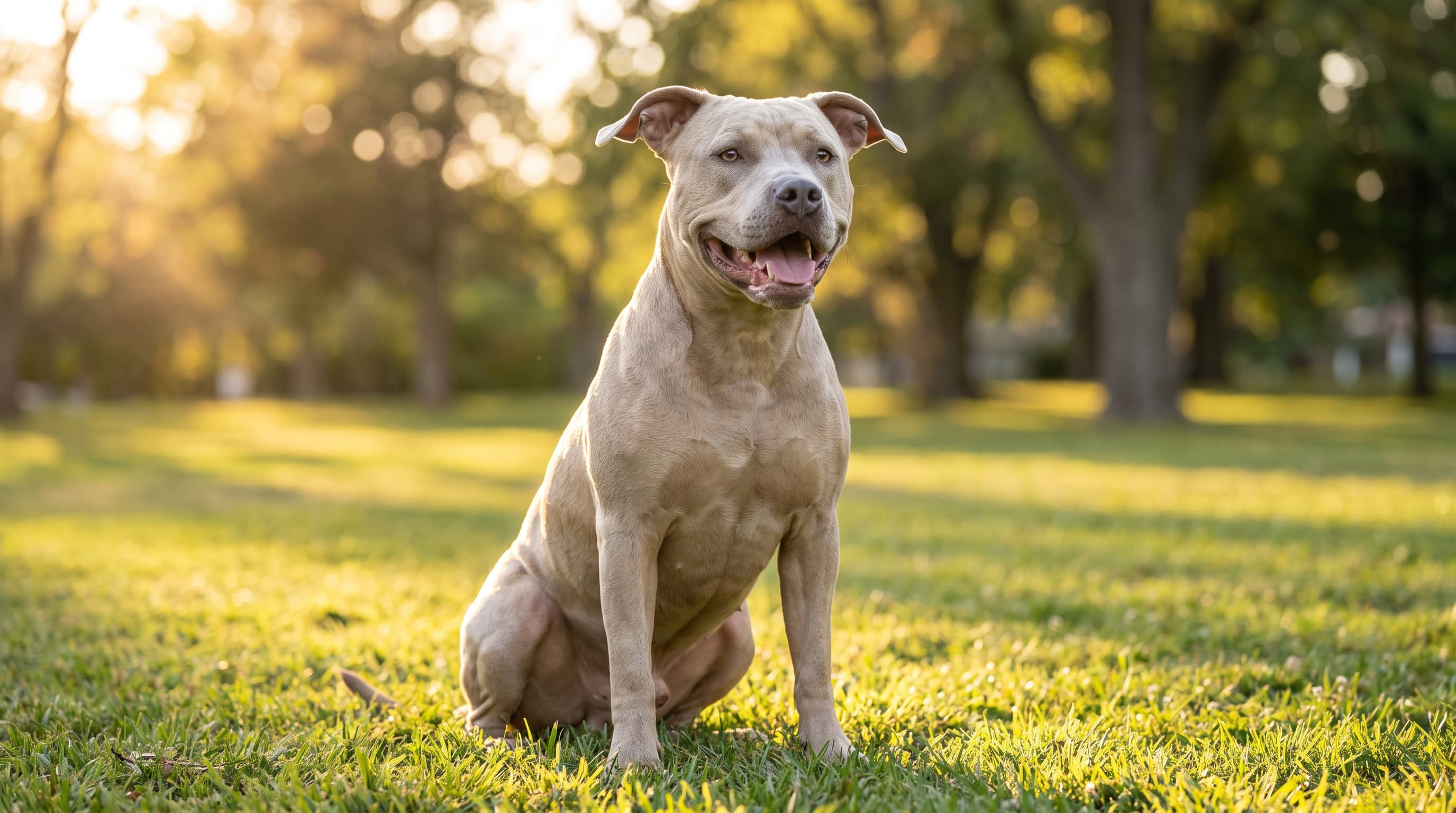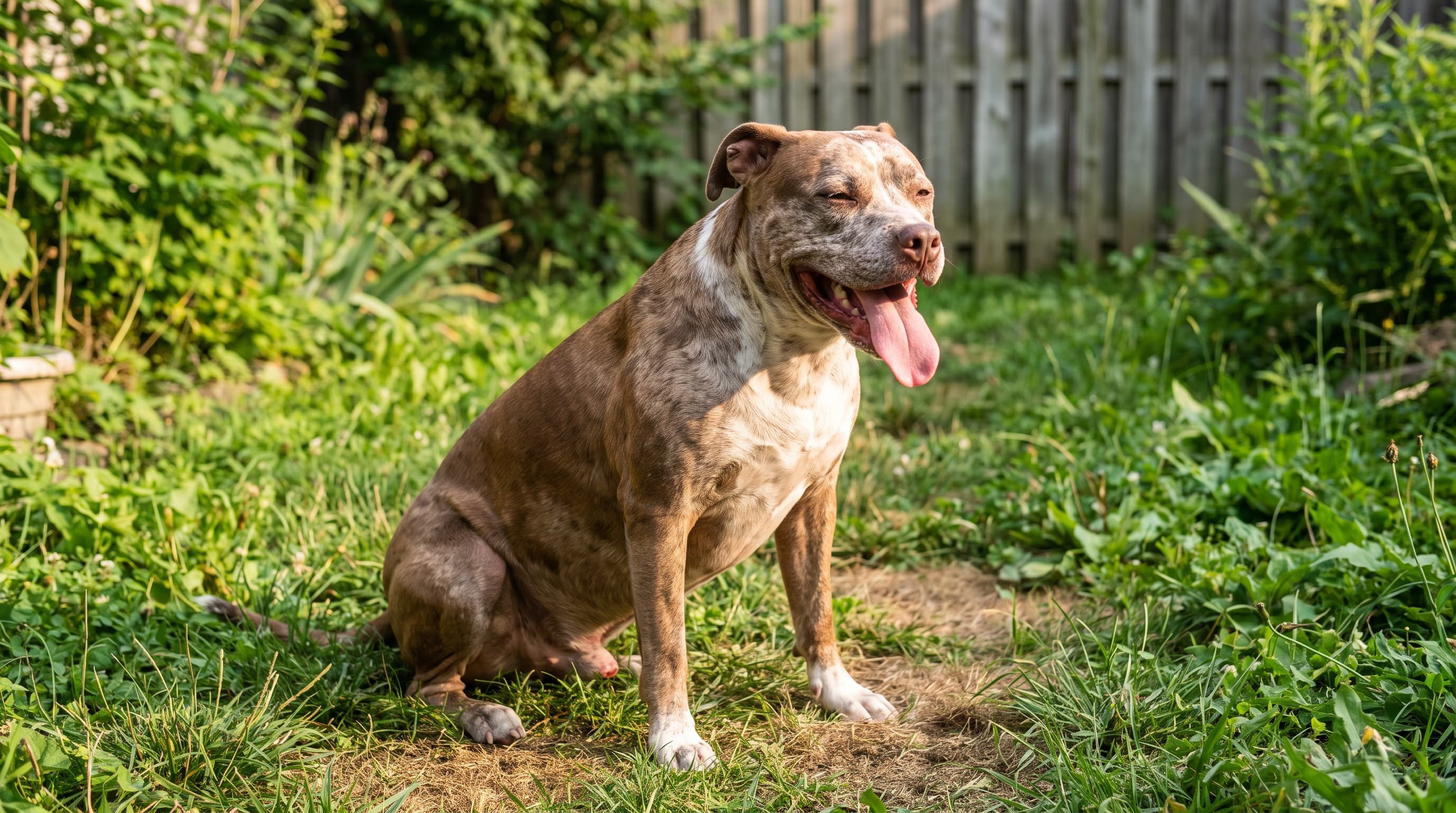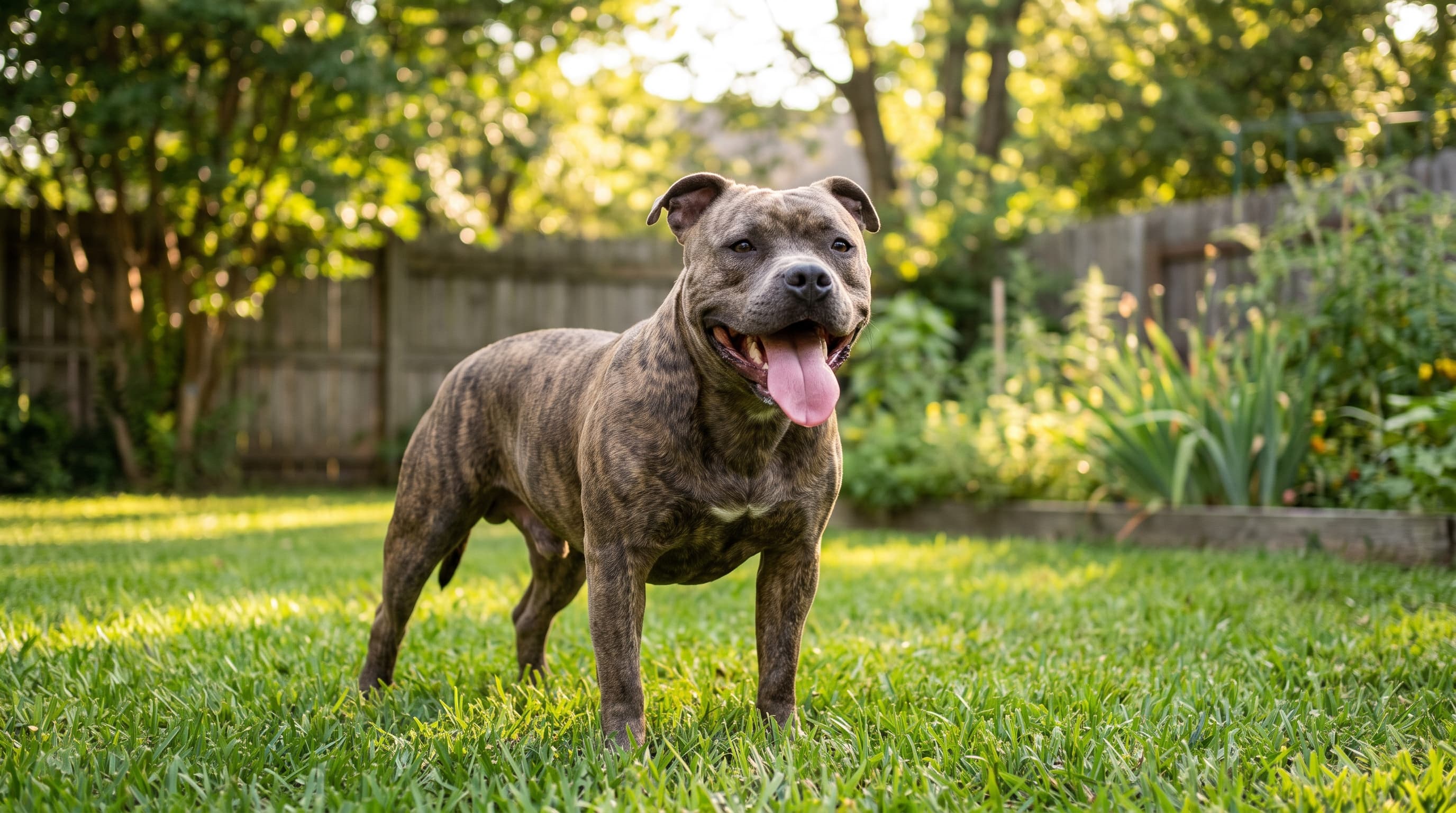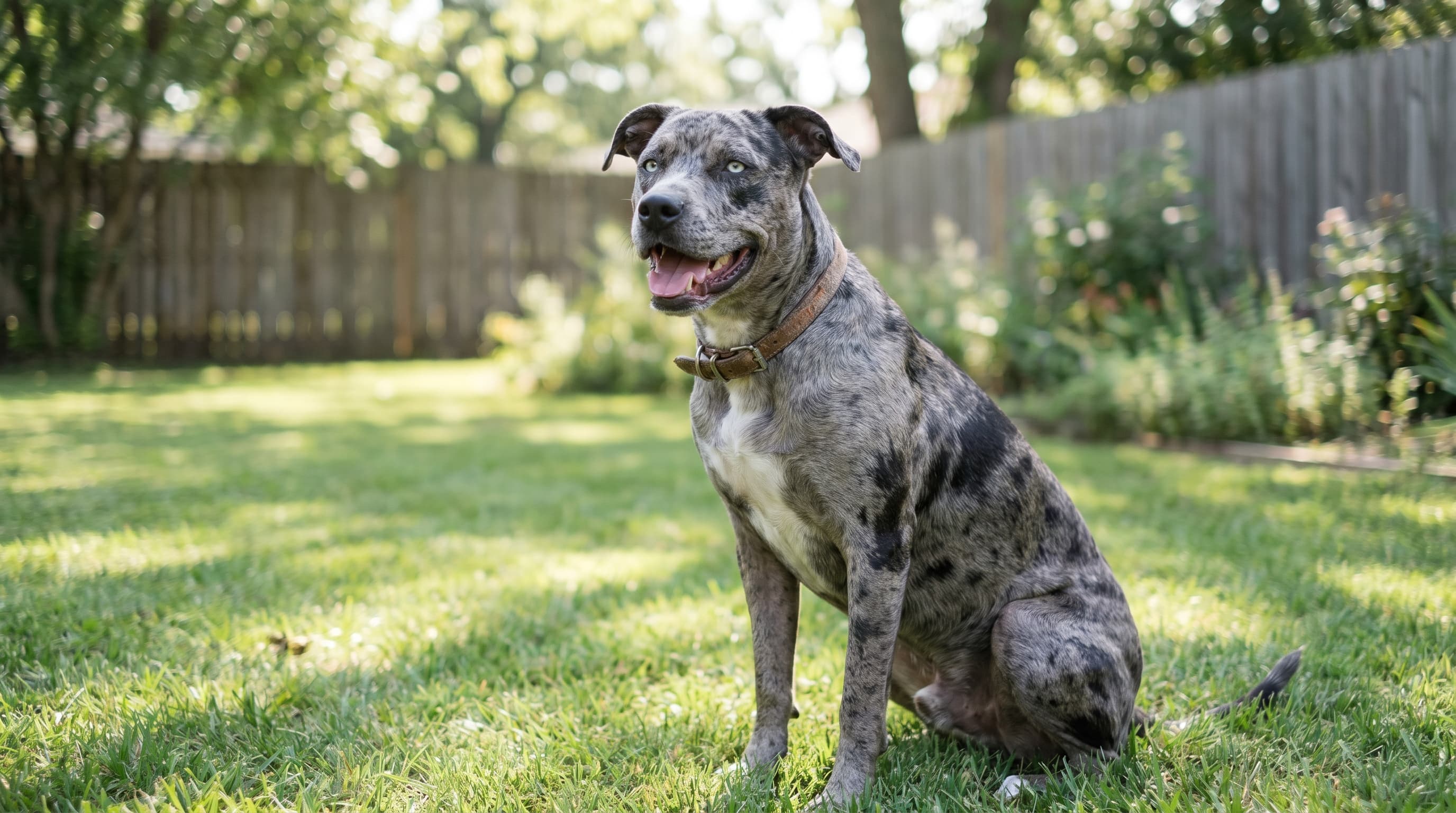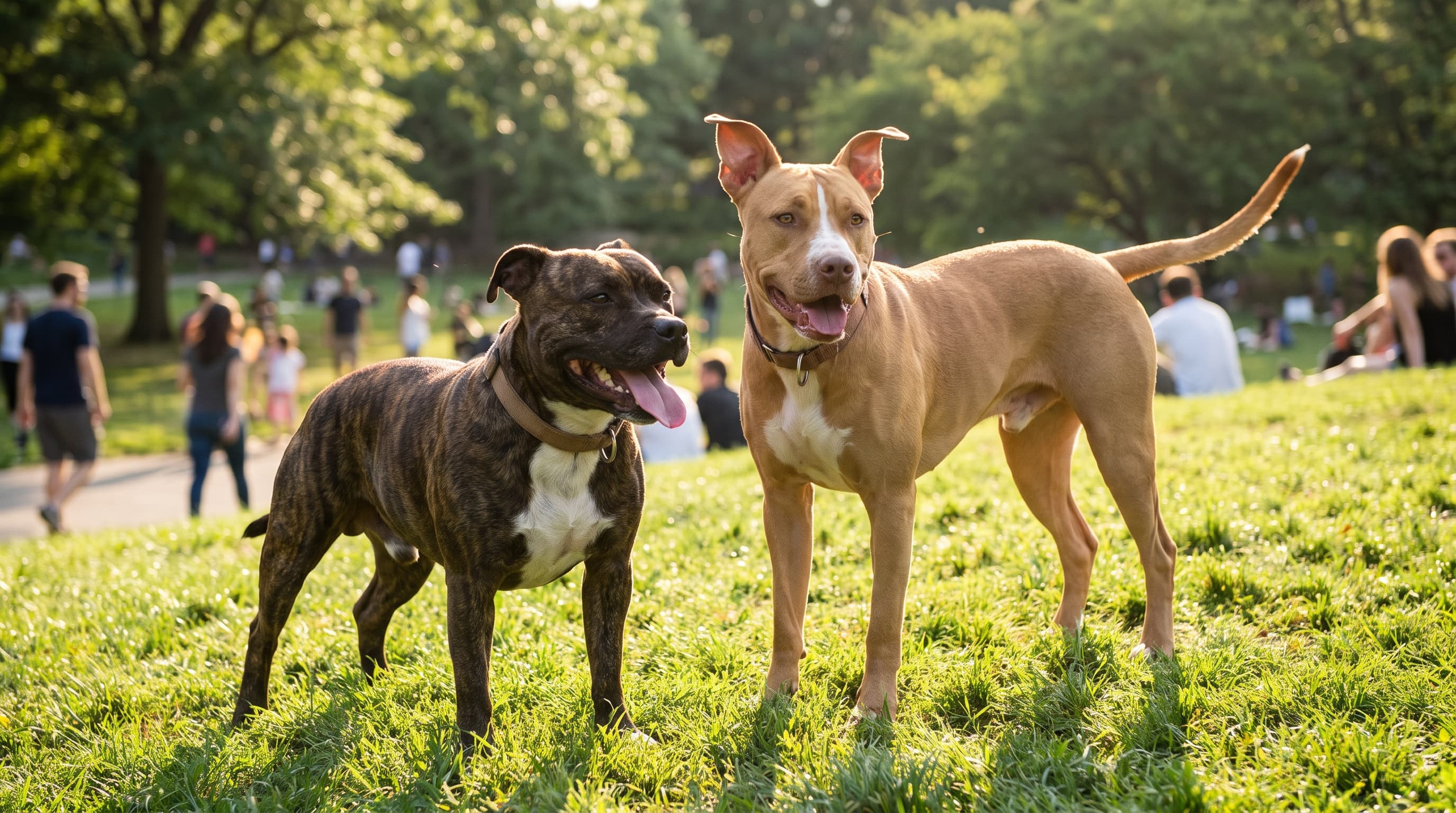

The main difference in staffy vs pitbull comes down to origin and size. The Staffordshire Bull Terrier ("Staffy") is a smaller English breed, standing 14–16 inches and weighing 24–38 pounds, and is fully recognized by the AKC. The American Pit Bull Terrier is a taller, leaner, more athletic American breed (17–21 inches, 30–60 pounds) recognized by the UKC but not the AKC. Both are affectionate, loyal, people-focused dogs.
Staffy vs Pitbull: Quick Comparison
People often use "Staffy" and "Pitbull" interchangeably, but they refer to different (if related) dogs. Here's the short version:
- Staffordshire Bull Terrier (Staffy): Smaller, blockier, English origin, AKC-recognized, famously gentle with children.
- American Pit Bull Terrier (Pitbull): Larger, leaner, more athletic, American origin, UKC-recognized, higher energy and drive.
- Both: Muscular bull-and-terrier breeds that are loving, loyal, and thrive on human companionship, training, and exercise.
Confusingly, "pit bull" is also used as an umbrella term. According to Britannica, the label has historically covered several related breeds, including the Bull Terrier, the American Staffordshire Terrier, and the Staffordshire Bull Terrier — which is exactly why the comparison gets muddled.
Origins and Breed Recognition
The Staffordshire Bull Terrier was developed in 19th-century England from bulldog and terrier crosses. Over generations it was bred away from its fighting roots into a "mild, playful companion with a special feel for kids," as the American Kennel Club describes it. The Staffy earned full AKC recognition and remains a beloved family dog in the UK.
The American Pit Bull Terrier descends from similar bull-and-terrier stock brought to the United States, where it was developed into a larger, more athletic working dog. Per Britannica, the AKC does not recognize the American Pit Bull Terrier, but the United Kennel Club has recognized it since 1898, as has the American Dog Breeders Association. The closely related American Staffordshire Terrier — often confused with both — is AKC-recognized and shares much of the same ancestry, as noted by Britannica.
Size and Physical Differences
Size is the easiest way to tell them apart. The Staffy is shorter and more compact — 14–16 inches at the shoulder and 24–38 pounds — with a blocky head, broad, well-defined cheek muscles, and a short, thick body. The American Pit Bull Terrier is taller and leaner at 17–21 inches and 30–60 pounds, with longer legs, a more athletic build, and a broad but more moderate head.
Both have short, smooth, low-maintenance coats that come in many colors and patterns. You'll see distinctive coat variations like the blue nose Pitbull and the merle pattern, but coat color is cosmetic and doesn't change temperament or health category on its own.
Temperament and Personality
Both breeds are affectionate, people-oriented, and eager to please — traits that surprise people who only know the negative stereotypes. The Staffy has earned the nickname "nanny dog" for its patience and gentleness with children, and tends to be goofy, laid-back, and deeply devoted to its family. The Britannica profile describes the Staffy as playful and affectionate toward family, though its strength can make it overly exuberant.
The American Pit Bull Terrier is equally loving but brings more energy, athleticism, and drive to the table. It's a smart, motivated dog that needs structured activity and mental work to stay balanced. Neither breed is naturally aggressive toward people, but both can show dog-directed aggression without proper socialization, and Britannica notes AmStaff-type dogs "can be highly aggressive toward other dogs" — making early, consistent socialization essential for both.
Are They Good With Kids and Other Pets?
Well-bred, well-socialized Staffies and Pitbulls are typically excellent with children — affectionate, tolerant, and playful. Their strength and enthusiasm mean interactions with small kids should always be supervised, simply to avoid accidental knocks. With other dogs, both breeds can be selective; slow introductions, neutral territory, and ongoing socialization from puppyhood make a big difference. Cats and small pets depend heavily on the individual dog's prey drive and upbringing.
Exercise, Training, and Care
Both breeds are intelligent and highly trainable when you use positive, reward-based methods and start early. They're strong and food-motivated, which makes training productive but also means consistent boundaries matter. Plan on at least 45–60 minutes of daily exercise — the Pitbull generally needs more than the Staffy — plus puzzle toys and games to satisfy their sharp minds.
Care is otherwise straightforward: short coats need only weekly brushing and occasional baths, and routine dental care, nail trims, and vet checkups keep them healthy. General care guidance is available from the ASPCA. For a sense of how long these dogs live, see our guide on how long Pitbulls live.
Legal Status and Breed-Specific Legislation
This is a real-world difference that matters more than looks. "Pit bull–type" dogs are subject to breed-specific legislation (BSL) in some cities, counties, and countries, and some landlords and insurers restrict them. The Staffordshire Bull Terrier, the American Pit Bull Terrier, and the American Staffordshire Terrier can all be affected depending on how local laws define a "pit bull." Before adopting either, check your municipality's ordinances, your rental agreement, and your homeowner's or renter's insurance policy — rules vary widely and can change.
Which Breed Is Right for You?
Choose a Staffy if you want a smaller, more compact companion with a famously kid-friendly, laid-back personality and a bit less exercise demand. Choose an American Pit Bull Terrier if you're an active owner who can meet a higher energy and drive level with training, exercise, and structure. Either way, prioritize a responsible breeder or reputable rescue, commit to early socialization, and confirm your local laws and housing allow the breed.
Frequently Asked Questions
Is a Staffy the same as a Pitbull?
No. A Staffordshire Bull Terrier is a distinct, smaller English breed. "Pitbull" usually refers to the larger American Pit Bull Terrier, though the term is also used loosely to describe several related bull-and-terrier breeds.
Which is bigger, a Staffy or a Pitbull?
The American Pit Bull Terrier is bigger—taller (17–21 in) and heavier (30–60 lb) than the Staffy (14–16 in, 24–38 lb).
Are Staffies and Pitbulls good family dogs?
Yes—both are affectionate and typically great with children when well-bred and socialized. Supervise play with small kids due to their strength, and socialize early with other dogs.
Is the American Pit Bull Terrier AKC-recognized?
No. The AKC does not recognize the American Pit Bull Terrier, but the United Kennel Club does. The related American Staffordshire Terrier and the Staffordshire Bull Terrier are AKC-recognized.
Are Staffies or Pitbulls more aggressive?
Neither is inherently aggressive toward people. Both can show dog-directed aggression without socialization. Temperament depends far more on breeding, training, and upbringing than on which of the two you choose.
The Bottom Line
In the staffy vs pitbull debate, you're comparing two affectionate, loyal, misunderstood breeds that differ mainly in size, origin, energy, and legal recognition. Both make devoted companions in the right home. Dig deeper with our full Staffordshire Bull Terrier guide and our profile of the blue nose Pitbull, then subscribe to the Daily Wag newsletter for more breed comparisons and dog-care tips delivered daily.