
The French Bull-Shih is a small designer crossbreed between a French Bulldog and a Shih Tzu, typically weighing 12–25 pounds and standing 9–14 inches tall. Also called the French Bull Tzu or Frenchie Tzu, this hybrid blends the Frenchie's clownish, easygoing nature with the Shih Tzu's affectionate lap-dog charm. French Bull-Shihs are best suited for apartment dwellers, families with older kids, and owners who want a low-energy companion — and who can manage the breathing issues that come with two flat-faced parents.
French Bull-Shih at a Glance
The fast facts most prospective owners ask about first:
- Other names: French Bull Tzu, Frenchie Tzu, French Bulldog Shih Tzu mix
- Parent breeds: French Bulldog × Shih Tzu
- Weight: 12–25 pounds
- Height: 9–14 inches at the shoulder
- Lifespan: 10–15 years
- Coat: Short and smooth (Frenchie-leaning) or medium-length and slightly wavy (Shih Tzu-leaning)
- Shedding: Low to moderate — depends heavily on coat type
- Energy level: Low to moderate — short bursts of play between long naps
- Good with kids: Yes, especially older children; supervise with toddlers
- Good with other pets: Generally yes with early socialization
- Apartment-friendly: Excellent — small, quiet, low exercise needs
- Recognition: Not AKC-recognized; listed by the American Canine Hybrid Club, Designer Breed Registry, and Dog Registry of America
Appearance
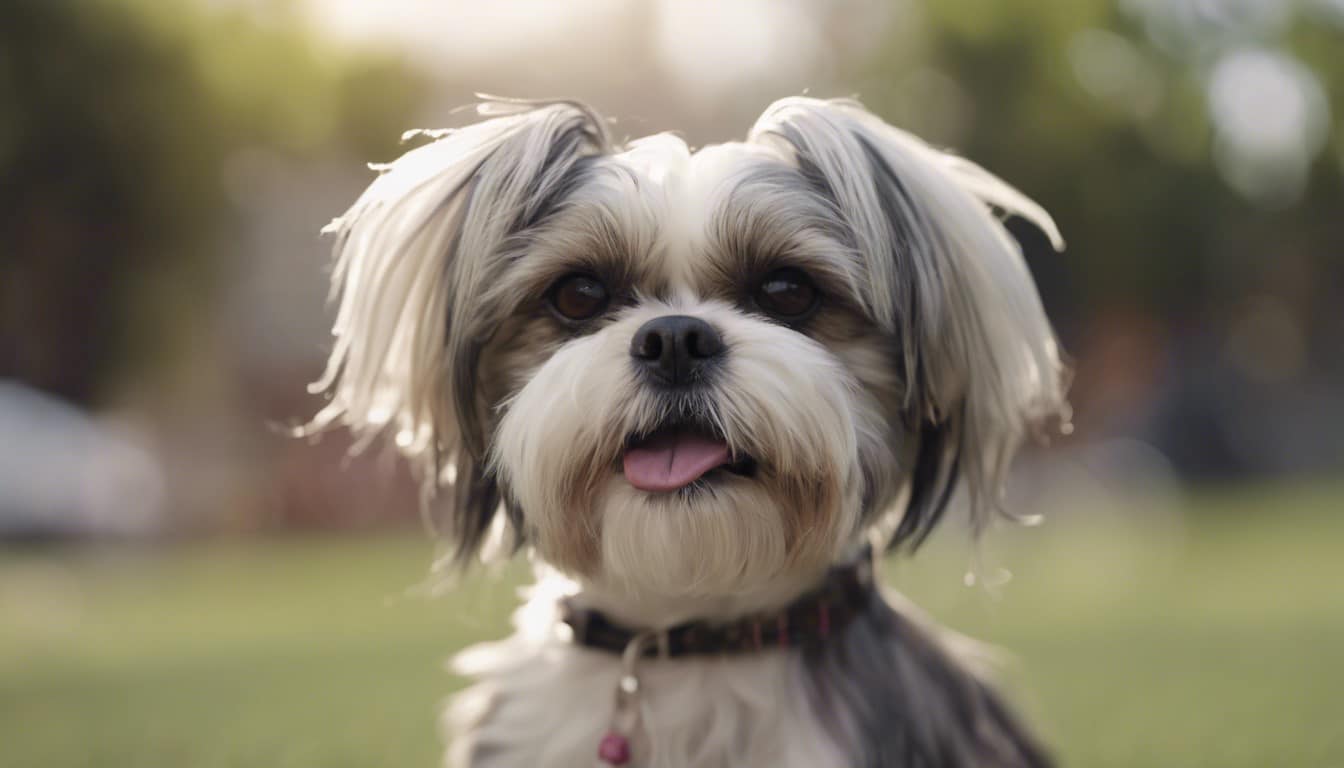
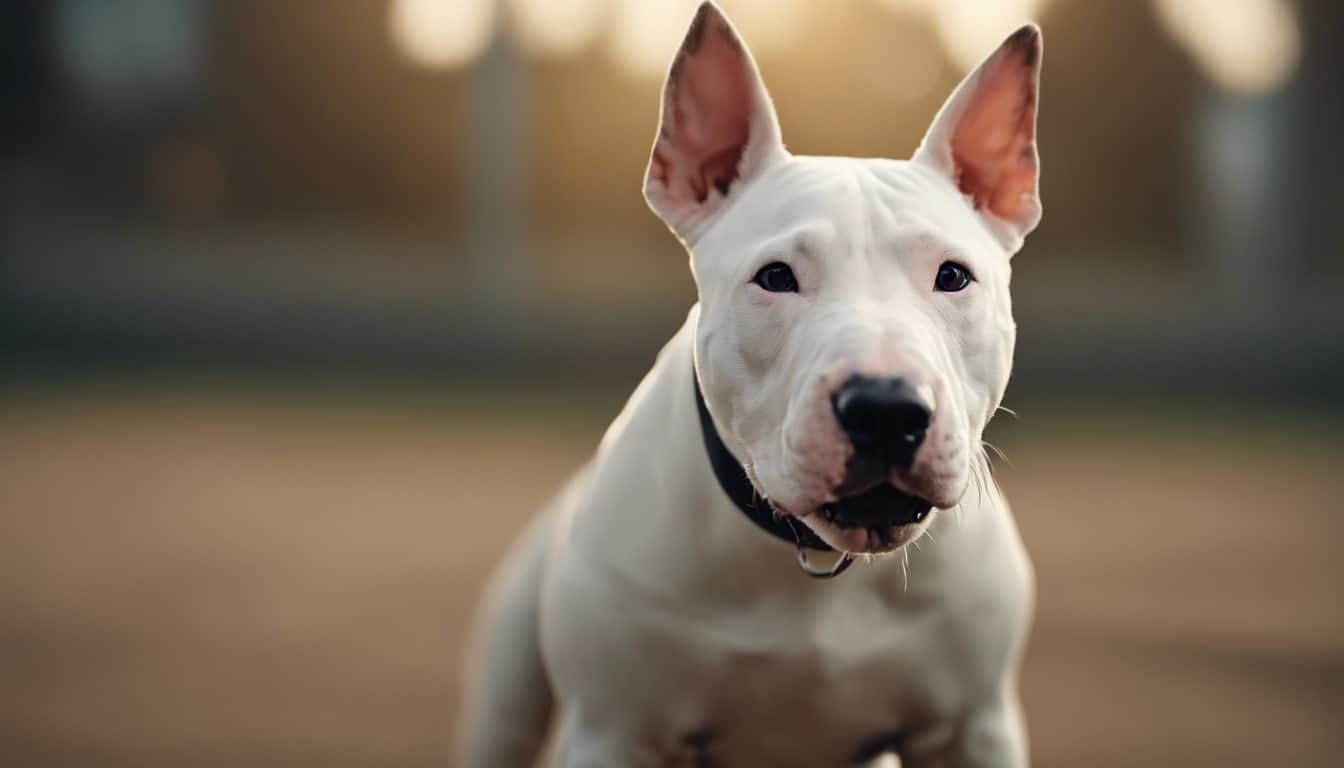
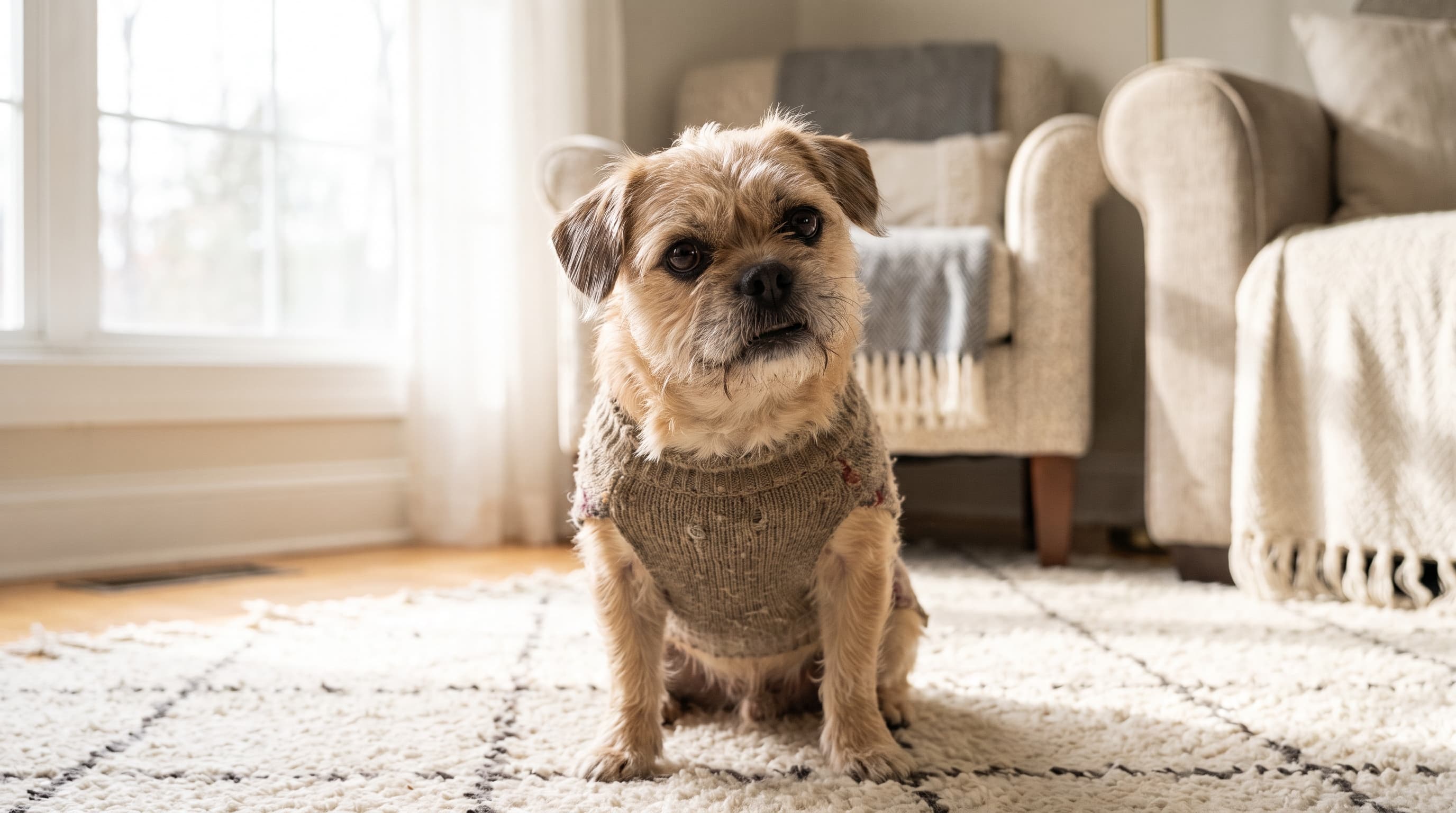
The French Bull-Shih is a stocky little dog with a wide range of looks depending on which parent's genes dominate. Even littermates can vary noticeably — some are clearly Frenchie-leaning with short smooth coats and bat ears, others lean Shih Tzu with longer coats and dropped ears.
Body: Compact and muscular, with a sturdy frame that feels heavier than it looks. Most French Bull-Shihs fall between 12 and 25 pounds at maturity. The body is typically longer than tall, with short, slightly bowed legs and a deep chest. The tail is short — either screwed (Frenchie) or curled over the back (Shih Tzu).
Head and face: Expect a broad, rounded skull, large dark expressive eyes, and a short flat muzzle inherited from both parents. The face is the breed's signature look — a wrinkly, expressive "smushed" appearance that makes the French Bull-Shih instantly recognizable. Ears can stand up like a Frenchie's bat ears, drop like a Shih Tzu's, or land somewhere in between. The nose is usually black.
Coat: Frenchie-leaning dogs have short, smooth, low-maintenance coats. Shih Tzu-leaning dogs have medium-length, slightly wavy coats that need more brushing. Most fall somewhere in between, with a soft, plush texture that's easier to manage than a pure Shih Tzu coat.
Color: French Bull-Shihs come in a wide range of colors. Common shades include brindle, fawn, cream, white, black, sable, and various pied (patched) combinations. Markings often include a white chest blaze and white paws.
History
The French Bull-Shih is a relatively new designer breed that emerged in the United States in the early 2000s, during the explosion of small hybrid breeding that produced the Cavachon, Shorkie, and other Shih Tzu crosses. The intentional pairing aimed to combine the French Bulldog's clownish, easygoing personality with the Shih Tzu's affectionate lap-dog temperament — producing a calm, family-friendly small dog with extra durability and a quieter vocal style than the Shih Tzu alone.
Both parent breeds have rich histories. The French Bulldog descends from English Bulldogs brought to France by lace workers in the mid-1800s, where they were crossed with local ratters to create the modern Frenchie. The Shih Tzu has a much older lineage, tracing back over a thousand years to Tibet and the imperial courts of China, where it was prized as a treasured palace companion.
The French Bull-Shih isn't recognized by major kennel clubs like the AKC, but it's acknowledged by the American Canine Hybrid Club (ACHC), the Designer Breed Registry, and the Dog Registry of America. Prices from reputable breeders typically run $800–$2,500 per puppy, with higher prices in major metro areas due to the popularity of the Frenchie parent.
Temperament & Personality
French Bull-Shihs are affectionate, playful, and surprisingly mellow — a great pick for owners who want a clown in a small package.
With family: The French Bull-Shih is a velcro dog at heart. They want to be on the couch with you, on your lap, and ideally pressed against your leg whenever possible. Most form a particularly tight bond with one person in the household, though they're warm with everyone given regular attention.
With children: Generally good, especially with older children who understand how to handle a small dog. The French Bull-Shih's sturdier Frenchie frame makes them more durable than some toy breeds, but their small size still calls for supervision with toddlers. Their patient, playful streak makes them a popular family choice.
With other pets: Generally good with early socialization. French Bull-Shihs typically get along well with other small dogs and cats they grew up with. Some develop possessive streaks around food or favorite people — early training prevents resource guarding.
With strangers: Friendly and curious rather than wary. French Bull-Shihs aren't watchdogs — they're more likely to greet a stranger with a tail wag than a bark. This makes them poor guard dogs but excellent for shared housing.
Alone time: The French Bull-Shih's biggest weakness. Both parent breeds are companion dogs that don't tolerate long alone stretches well. Separation anxiety is common, especially in dogs that bond closely with one owner. Households where someone is home most of the day — or where the dog has an animal companion — are a much better fit.
Vocal tendencies: Quieter than many small breeds. Frenchies famously rarely bark, and most French Bull-Shihs inherit this trait. Expect grunts, snorts, snoring, and occasional vocalizations rather than constant barking. Some Shih Tzu-leaning dogs are more vocal alert-barkers.
Health
French Bull-Shihs are generally moderate-risk dogs from a health standpoint. Both parent breeds have well-documented genetic issues — particularly the French Bulldog, one of the breeds with the highest veterinary care costs in the country. Hybrid vigor helps, but careful breeder selection matters enormously. Common conditions to watch for include:
- Brachycephalic obstructive airway syndrome (BOAS): The biggest health concern. Both parents are flat-faced, and many French Bull-Shihs inherit narrow nostrils, an elongated soft palate, or a narrow trachea. Symptoms include noisy breathing, snoring, snorting, exercise intolerance, and heat sensitivity. Severe cases require surgical correction. The AKC's brachycephalic breed guidance is worth reading before committing.
- Heat intolerance: Critically important. Flat-faced dogs can't cool themselves efficiently through panting. Hot, humid weather is genuinely dangerous — avoid midday walks, never leave them in cars, and watch for heavy panting or distress.
- Patellar luxation: Kneecap displacement, common in small breeds. Symptoms include intermittent skipping or holding up a back leg.
- Hip dysplasia: Frenchies have one of the highest hip dysplasia rates of any breed. Symptoms include stiffness after rest and reluctance to climb stairs.
- Intervertebral disc disease (IVDD): Frenchies are predisposed to spinal problems due to their short, compact build. Avoid jumping from furniture and use ramps when possible.
- Eye conditions: Both parents are prone to cherry eye, dry eye, corneal ulcers, and cataracts. The Shih Tzu's prominent eyes are especially injury-prone.
- Skin allergies: Frenchies are notorious for environmental and food allergies. Symptoms include itchy paws, recurrent ear infections, and skin redness.
- Dental disease: Crowded teeth in a small flat-faced jaw lead to early tartar and gum disease. Daily brushing and annual professional cleanings dramatically extend lifespan.
- Skin fold dermatitis: The wrinkles around the muzzle and tail trap moisture and develop infections. Wipe daily with a clean damp cloth.
The French Bull-Shih's typical 10–15 year lifespan assumes good preventive care: annual vet checkups (twice yearly after age 7), weight management, parasite prevention, and proactive heat management. Pet insurance is strongly recommended given the Frenchie parent's high care costs.
Exercise Needs
French Bull-Shihs are low to moderate energy dogs. Plan for 30–45 minutes of dedicated activity per day, split into shorter sessions:
- Two short daily walks (15–20 minutes each) at the dog's natural pace
- Indoor play with soft toys, gentle tug, or treat-dispensing puzzles
- Sniff walks where the dog leads and explores at its own pace
- Short training sessions for mental enrichment (5–10 minutes, twice daily)
Heat management is critical. French Bull-Shihs overheat dangerously fast — much faster than non-brachycephalic breeds. Walk only in cool early-morning or late-evening hours during summer, and skip outdoor activity entirely on hot, humid days. Pavement temperature is also a concern; if the asphalt is too hot for your hand, it's too hot for their paws.
Avoid swimming. Brachycephalic dogs can drown easily because their flat faces make it hard to keep their nose above water. Use a life vest in any water situation, and never leave them unsupervised near pools.
French Bull-Shihs make excellent apartment dogs because their exercise needs can be met largely indoors. They're not built for jogging, long hikes, or dog sports — their structure makes sustained exertion uncomfortable and risky.
Training
French Bull-Shihs are moderately trainable. The Frenchie side is intelligent but stubborn and food-motivated; the Shih Tzu side can be similarly independent. Most French Bull-Shihs learn quickly when motivated by treats, but they have strong opinions about what they want to do.
What works: Short (5–10 minute) positive-reinforcement sessions multiple times a day, high-value treats, and patience. French Bull-Shihs respond well to praise and food rewards. Basic cues (sit, down, come, stay, leave it) come within a few weeks of consistent practice.
What doesn't: Harsh corrections, repetitive drilling, or physical punishment. French Bull-Shihs shut down quickly under pressure and lose interest in long sessions.
Common training challenges:
- House training: Often the hardest part. Both parent breeds are notoriously slow to housebreak. Expect 4–6 months of consistent work, frequent outdoor trips, and crate training. Many owners use pee pads as a backup.
- Separation anxiety: Address proactively with gradual alone-time training, enrichment toys, and a predictable routine. Don't wait for problem behaviors to emerge.
- Resource guarding: Some French Bull-Shihs develop possessive streaks around food, toys, or favorite people. Teach trade-up exercises early to prevent guarding from cementing.
- Stubbornness: Expect selective hearing. Keep sessions short, fun, and food-motivated. Long repetitive drills backfire.
Early socialization (8–16 weeks) is critical. Expose the puppy to a wide variety of people, dogs, sounds, surfaces, and environments to develop a confident, friendly adult dog.
Grooming
Grooming needs depend heavily on which parent's coat your French Bull-Shih inherits.
Daily:
- Brush with a soft slicker or rubber curry brush (less for short coats, more for long)
- Wipe facial folds and around the eyes with a clean damp cloth to prevent skin infections and tear stains
- Brush teeth with dog-safe toothpaste (non-negotiable for a small flat-faced breed)
Every 4–6 weeks:
- Professional grooming or at-home trim for Shih Tzu-leaning coats
- Nail trims (or earlier if you hear clicking on floors)
- Check anal glands; some French Bull-Shihs need regular expression
Every 2–4 weeks:
- Full bath with a gentle dog shampoo
- Ear check and cleaning — particularly important for Shih Tzu-leaning dogs with dropped ears
- Deep clean of facial wrinkles to prevent dermatitis
Budget $200–$600 per year for grooming if your dog leans Frenchie (short coat), or $400–$800 per year if your dog leans Shih Tzu (longer coat needing professional cuts).
Nutrition
French Bull-Shihs do best on high-quality small-breed kibble formulated for their size and metabolism. Look for foods with:
- Real animal protein as the first ingredient (chicken, turkey, lamb, fish)
- Limited common allergens (grain-free isn't necessary, but watch for chicken or beef sensitivities)
- Small-breed kibble size for easier chewing
- Appropriate caloric density for a low-activity dog
Portion guide: A typical adult French Bull-Shih (15 lbs) eats roughly ¾ to 1¼ cups of dry food per day, split into two meals. Adjust based on body condition, activity level, and treats. Puppies under 6 months need 3–4 smaller meals.
Foods to avoid: Grapes, raisins, chocolate, onions, garlic, xylitol (in many human foods including some peanut butters), macadamia nuts, and cooked bones. The ASPCA's full toxic-foods list is worth bookmarking.
Weight management: French Bull-Shihs gain weight easily on their low-activity lifestyle. Even an extra pound or two significantly worsens breathing problems, joint strain, and spinal issues. Use a kitchen scale to portion food and limit treats to 10% of daily calories. An overweight French Bull-Shih faces dramatically higher risk of BOAS complications, heat stroke, and orthopedic surgery.
Food allergies: French Bull-Shihs are prone to skin and food allergies. If your dog develops itchy paws, recurrent ear infections, or chronic skin issues, work with your vet on a limited-ingredient elimination diet.
Is the French Bull-Shih Right for You?
The French Bull-Shih is a great fit if you:
- Live in an apartment, condo, or smaller home
- Are home most of the day or can arrange company for the dog
- Want a calm, affectionate companion with low exercise needs
- Have older children or no children at home
- Live in a moderate climate without extreme heat or humidity
- Can budget for potentially significant vet expenses (especially BOAS-related)
The French Bull-Shih is probably not for you if:
- You live in a hot, humid climate without strong air conditioning
- You want a jogging or hiking companion
- You're gone 8+ hours a day with no plan for company
- You prefer dogs that are easy to house-train
- You can't budget for potentially major vet expenses
- You want a watchdog or protective breed
Finding a French Bull-Shih
Reputable breeders: Because both parent breeds have serious inherited conditions, breeder selection matters enormously. Look for breeders who test for BOAS severity, hip and elbow dysplasia, patellar luxation, and eye conditions. Reputable breeders raise puppies in their home, let you meet at least the mother, and provide a written health guarantee. Be especially skeptical of "exotic color" Frenchies (lilac, blue, merle) used as parents — these colors often correlate with health issues and indicate prioritization of looks over health.
Rescue: French Bull-Shihs and similar mixes do appear in shelters and breed-specific rescues — especially as Frenchies have skyrocketed in popularity and many wind up rehomed. Search Petfinder for "French Bulldog mix" and "Shih Tzu mix" in your area, and contact regional French Bulldog rescues, which often take in crosses. Adult dogs from rescue come with established temperaments and known health profiles, which can be an advantage for first-time owners.
Red flags to avoid: Suspiciously low prices (especially given the Frenchie's premium pricing), sellers who pressure you to "decide today," breeders who can't provide health testing documentation, anyone marketing "teacup" or "micro" sizes as premium products, and breeders who claim their dogs have "no breathing issues" without offering exam records. The Humane Society's puppy mill guide is a good reference for spotting warning signs.
Cost of Ownership
Initial costs:
- Puppy from a reputable breeder: $800–$2,500
- Rescue adoption: $200–$600
- Initial vet visit + vaccinations: $200–$400
- Spay/neuter: $300–$600 (higher than average due to brachycephalic anesthesia risk)
- Supplies (crate, bed, bowls, harness, toys, grooming basics): $300–$600
Annual ongoing costs:
- Food: $300–$500
- Routine vet care: $400–$700
- Grooming: $200–$800 (depends on coat type)
- Pet insurance: $400–$800 (strongly recommended given BOAS and orthopedic risks)
- Dental cleanings: $400–$800 (annual professional cleaning recommended)
- Treats, toys, miscellaneous: $200–$400
Plan for roughly $2,200–$4,000 in year one and $1,900–$3,500 per year ongoing. Emergency vet bills for BOAS surgery, IVDD treatment, or orthopedic repair can add $3,000–$15,000 in a single incident — pet insurance is genuinely worth pricing out before symptoms appear.
Frequently Asked Questions
How long does a French Bull-Shih live?
French Bull-Shihs typically live 10–15 years, with the Shih Tzu side adding longevity compared to a pure French Bulldog (whose median lifespan is closer to 10 years). Lifespan depends heavily on managing brachycephalic risks, weight, and dental health.
Are French Bull-Shihs hypoallergenic?
No dog is fully hypoallergenic, and the French Bull-Shih is not a low-allergen breed. The Shih Tzu parent sheds minimally, but the Frenchie parent sheds moderately — most French Bull-Shihs fall somewhere in between. People with mild allergies sometimes tolerate them; severe allergy sufferers should spend time with the specific dog first.
How big do French Bull-Shihs get?
Adult French Bull-Shihs typically weigh 12–25 pounds and stand 9–14 inches tall. Size varies based on which parent dominates — Frenchie-leaning dogs are stockier and heavier, Shih Tzu-leaning dogs lighter and more refined.
Are French Bull-Shihs good with kids?
Yes — French Bull-Shihs are generally patient, playful, and tolerant of children. They do best with older kids who can handle them gently. Supervise interactions with toddlers because of the dog's small size and the risk of accidental rough handling.
Do French Bull-Shihs have breathing problems?
Often, yes. Both parent breeds are brachycephalic (flat-faced), and most French Bull-Shihs inherit some degree of breathing difficulty. Expect snoring, snorting, and exercise intolerance. Severe cases need surgical correction. Heat management is critical — these dogs overheat dangerously fast.
How much does a French Bull-Shih cost?
Expect $800–$2,500 from a reputable breeder, or $200–$600 through rescue. Annual ongoing costs run roughly $1,900–$3,500 including food, vet care, grooming, and insurance. Pet insurance is strongly recommended given the breed's significant health risks.
Can French Bull-Shihs be left alone?
Not for long. Both parent breeds are companion dogs prone to separation anxiety. Most adult French Bull-Shihs can handle 4–6 hours alone if properly exercised and trained, but longer days require a dog walker, daycare, or a companion pet.
French Bull-Shih vs Shih-Poo vs Cavachon — which is right for me?
All three are small companion mixes. The French Bull-Shih is the stockiest and most clownish, but carries significant brachycephalic health risks. The Shih-Poo (Shih Tzu × Poodle) is lighter, more athletic, and lower-shedding with fewer breathing concerns. The Cavachon (Cavalier × Bichon) is the gentlest with kids and the most consistently affectionate. If you love the bulldog look and can manage potential breathing issues, pick the French Bull-Shih; if you want low-shedding and athletic, the Shih-Poo; if you want a child-friendly all-around family dog, the Cavachon.
If the French Bull-Shih isn't quite the right fit, consider the Shih-Poo, Cavachon, or browse French Bulldog and Shih Tzu parent breed guides for more on what your French Bull-Shih might inherit.