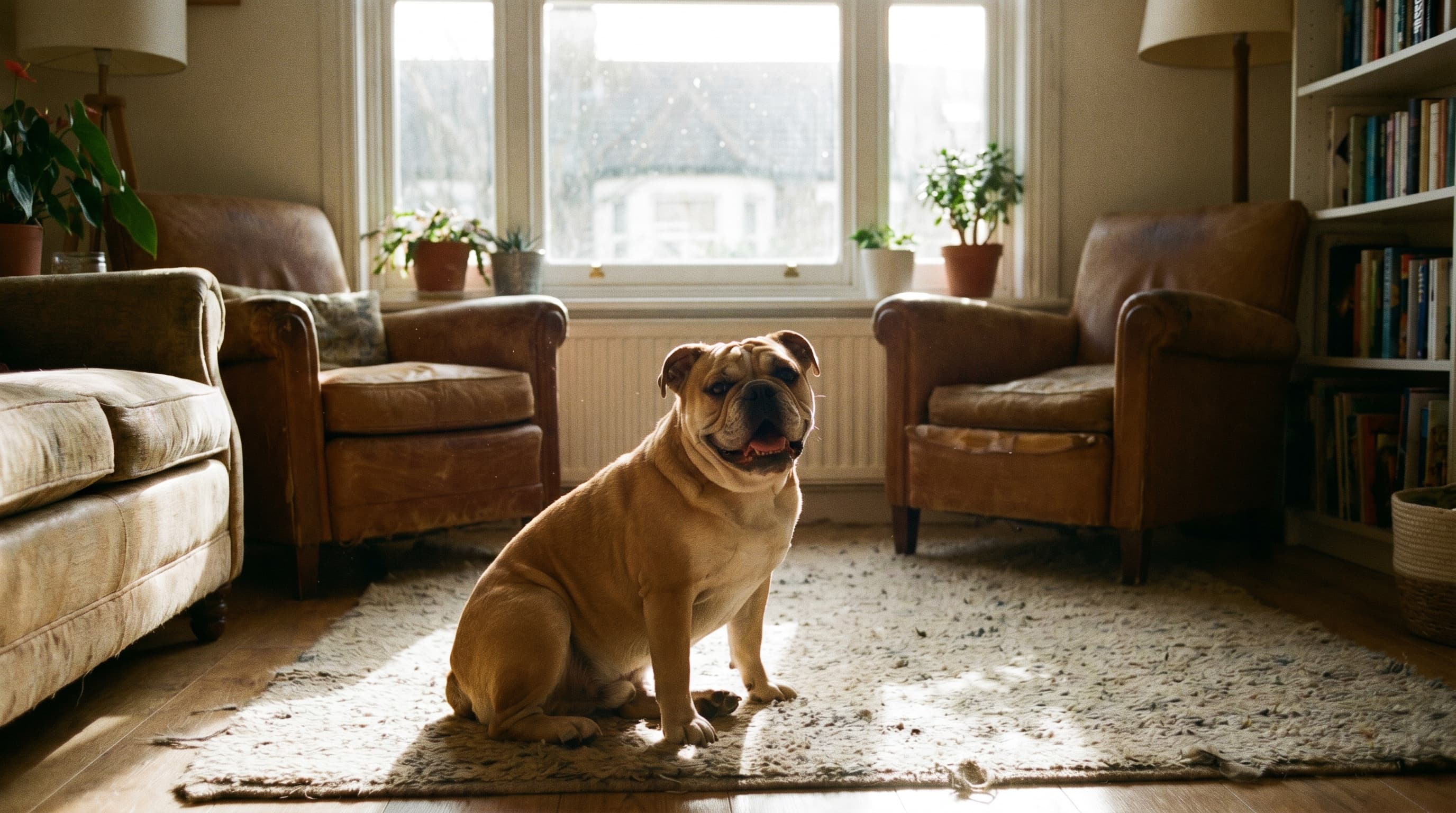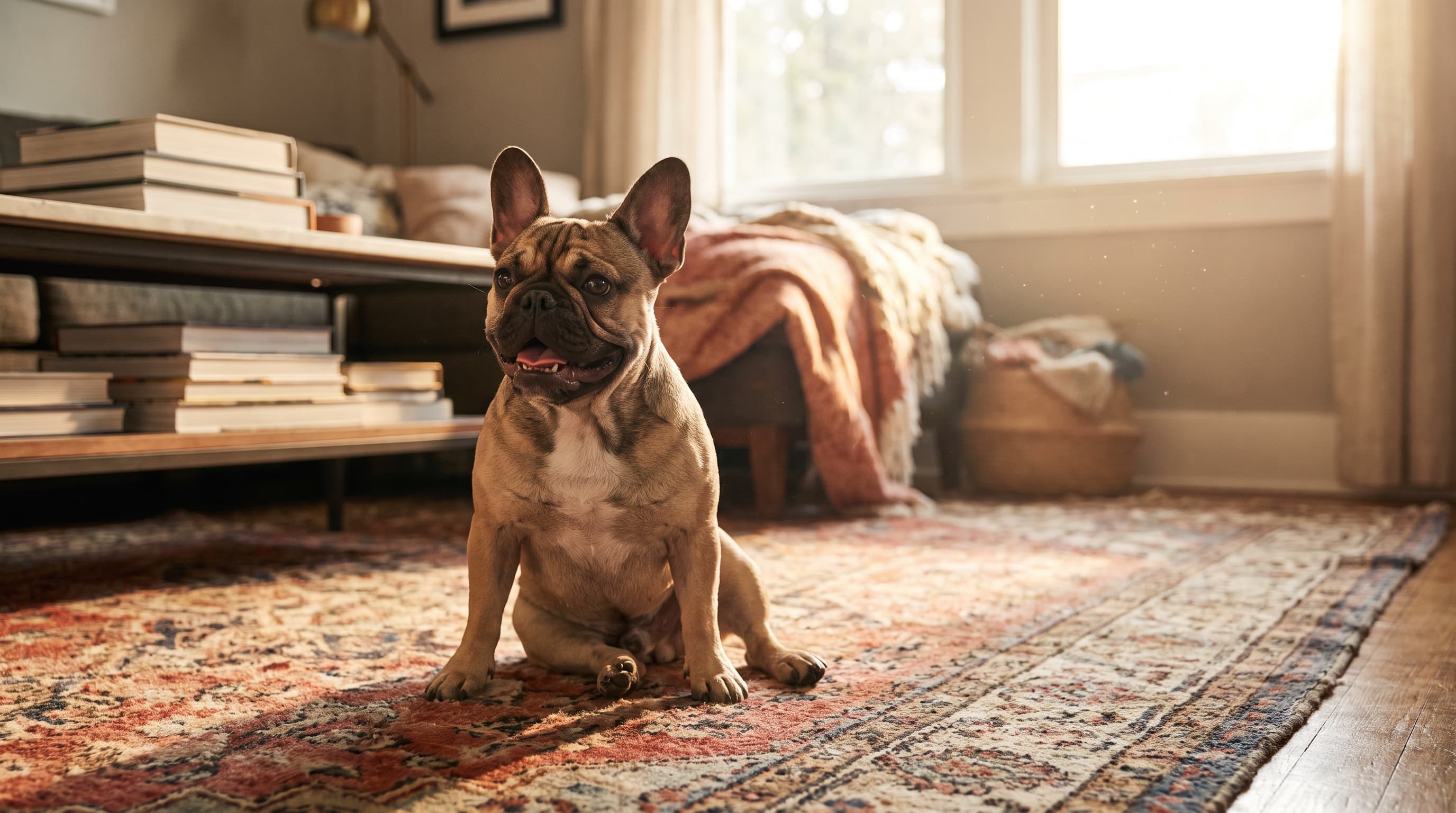

The Frug is a small, affectionate hybrid dog created by crossing a French Bulldog with a Pug. Typically 15–25 pounds and 11–13 inches tall, Frugs are playful, people-loving companions that thrive in apartments and families alike. As a flat-faced (brachycephalic) breed, they need careful heat management and routine vet care, and they generally live 10–14 years.
What Is a Frug Dog?
The Frug—sometimes called the Frenchie Pug—is a designer crossbreed that combines two of the world's most popular companion dogs: the French Bulldog and the Pug. According to Canine Journal, the Frug emerged alongside the broader designer-dog trend of the early 2000s, as breeders sought to blend the charm and compact size of both parent breeds into one squishy-faced package.
Like all first-generation hybrids, a Frug can lean more toward one parent than the other, so littermates may vary in looks and temperament. What stays consistent is the breed's reputation as a devoted, affectionate lap dog with a big personality in a small body. If you're weighing a Frug, it helps to understand both sides of its family tree—our full guides to the French Bulldog and the Pug are great companions to this article.
Frug Appearance and Size
Frugs are small but solidly built. Most weigh between 15 and 25 pounds and stand around 11–13 inches at the shoulder, per 101 Dog Breeds. They inherit the muscular, stocky frame common to both parents, along with a short, smooth, dense coat that's easy to maintain.
Typical Frug features include:
- A short muzzle and wrinkled face—the signature brachycephalic look.
- Ears that may be the Frenchie's upright "bat ears," the Pug's folded ears, or somewhere in between.
- A compact, sturdy body with a broad chest.
- A coat in colors like fawn, black, brindle, cream, or pied.
- Expressive, prominent eyes that give the breed its appealing, soulful expression.
Frug Temperament and Personality
Frugs are, above all, companion dogs. Little French Dog describes them as loving, playful, and deeply attached to their people. They tend to be:
- Affectionate and people-oriented: Frugs want to be wherever you are and make excellent lap dogs.
- Playful but not hyper: They enjoy short bursts of play followed by long naps.
- Good with families and other pets: Generally patient and friendly, especially with early socialization.
- Occasionally stubborn: Both parent breeds have an independent streak, which can show up during training.
Because they bond so closely, Frugs can be prone to separation anxiety if left alone too long. They're best suited to households where someone is around for much of the day, or where crate training and enrichment help them cope with alone time.
Training a Frug
Frugs are intelligent and eager to please, but their stubborn side means training works best when it's short, positive, and consistent. Keep these tips in mind:
- Use positive reinforcement. Treats, praise, and play motivate Frugs far better than corrections.
- Keep sessions brief. Five to ten focused minutes beats one long, frustrating session.
- Start socialization early. Introduce your Frug to new people, dogs, and environments while young.
- Be patient with housetraining. Small brachycephalic breeds can take a bit longer; a consistent schedule helps.
Avoid over-exercising during training in warm weather—more on that below. Their food motivation makes high-value, easy-to-digest treats especially useful.
Frug Health and Brachycephalic Concerns
This is the most important section for any prospective Frug owner. Because both the French Bulldog and the Pug are brachycephalic (flat-faced) breeds, the Frug inherits a real risk of breathing-related and structural health issues. French Bulldog Breed and other sources highlight the following common concerns:
- Brachycephalic Obstructive Airway Syndrome (BOAS): The short muzzle can cause noisy breathing, snoring, snorting, exercise intolerance, and serious heat sensitivity.
- Heat intolerance: Frugs overheat easily and should never be over-exercised or left in warm, humid conditions.
- Eye problems: Prominent eyes are vulnerable to ulcers, injuries, and dry eye.
- Joint issues: Hip dysplasia and patellar luxation (slipping kneecaps) can occur.
- Skin-fold dermatitis: Facial wrinkles need regular cleaning to prevent irritation and infection.
- Dental crowding: Short jaws can lead to crowded teeth and dental disease.
This is surface-level information, not a diagnosis. A veterinarian familiar with brachycephalic breeds is essential for screening, preventive care, and recognizing early signs of trouble. Choosing a responsible breeder who screens parent dogs—or adopting through a rescue that provides health history—reduces some of these risks. Pet insurance is also well worth considering for a brachycephalic breed.
Exercise and Living Needs
Frugs have moderate, manageable energy. A couple of short daily walks plus indoor play usually keeps them happy. Their compact size and low-key nature make them excellent apartment dogs. The big caveats are temperature and intensity:
- Exercise during the cooler parts of the day and avoid midday heat.
- Watch for labored breathing, excessive panting, or fatigue, and stop immediately if you see them.
- Skip swimming unless closely supervised—many flat-faced dogs are poor swimmers.
- Provide mental enrichment like puzzle toys to prevent boredom.
Grooming and Nutrition
Grooming a Frug is refreshingly simple. The short coat needs only weekly brushing, though Frugs do shed moderately year-round. The real grooming priority is the face: clean and dry the wrinkles regularly to prevent skin-fold infections, and keep up with nail trims, ear checks, and dental care.
On the nutrition front, Frugs are prone to weight gain, which worsens both breathing and joint problems. Feed a high-quality, portion-controlled diet, measure meals, and go easy on treats (keep them to about 10% of daily calories). Because brachycephalic dogs can gulp air while eating, a slow-feeder bowl can help. Always confirm your Frug's specific dietary needs with your veterinarian.
Is a Frug Right for You?
A Frug can be a wonderful companion if you want a small, affectionate, apartment-friendly dog and you're prepared to manage brachycephalic health needs. As Pugazon notes, these dogs reward attentive owners with loyalty and charm. A Frug may be a great fit if you have time to spend with your dog, can avoid leaving them alone for long stretches, live somewhere with manageable temperatures (or air conditioning), and have a budget for potential vet care. It's less ideal for very active owners wanting a hiking or running partner, or for anyone unprepared for flat-faced-breed health considerations. If you love the squishy-faced look but want to compare options, our Chug (Chihuahua-Pug mix) guide covers another popular Pug cross.
Frequently Asked Questions
How big does a Frug get?
Frugs are small dogs, typically weighing 15–25 pounds and standing about 11–13 inches tall, with a sturdy, muscular build.
How long do Frugs live?
With good care, weight management, and routine veterinary visits, Frugs generally live 10–14 years.
Are Frugs good family dogs?
Yes. Frugs are affectionate, playful, and generally patient with children when supervised, making them popular family companions. Early socialization helps them get along with kids and other pets.
Do Frugs have a lot of health problems?
As a brachycephalic crossbreed, Frugs can be prone to breathing difficulties (BOAS), heat intolerance, eye issues, joint problems, and skin-fold infections. Responsible breeding and proactive veterinary care reduce the risks.
Can Frugs be left alone?
Not for long periods. Frugs bond closely with their people and are prone to separation anxiety. Crate training, enrichment, and gradual alone-time practice help.
Do Frugs shed a lot?
Frugs shed moderately year-round despite their short coat. Weekly brushing keeps loose hair under control, and regular wrinkle cleaning is a must.
How much does a Frug cost?
Frug puppies typically range from around $1,000 to $3,000 depending on the breeder, location, and lineage. Always prioritize a breeder who health-tests the parents, or consider rescue.
The Bottom Line
The Frug packs an enormous amount of personality into a small, affectionate package—an ideal companion for apartment dwellers and families who can meet its flat-faced health needs. Keep your Frug cool, lean, and well cared for, build a relationship with a brachycephalic-savvy vet, and you'll have a devoted, charming sidekick for years to come.
This guide is for general informational purposes only and is not a substitute for professional veterinary advice. Always consult your veterinarian about your individual dog's health and care.
Curious about the Frug's parent breeds? Dive into our complete guides to the French Bulldog and the Pug, and subscribe to the Daily Wag newsletter for more breed profiles and dog-care tips delivered to your inbox.