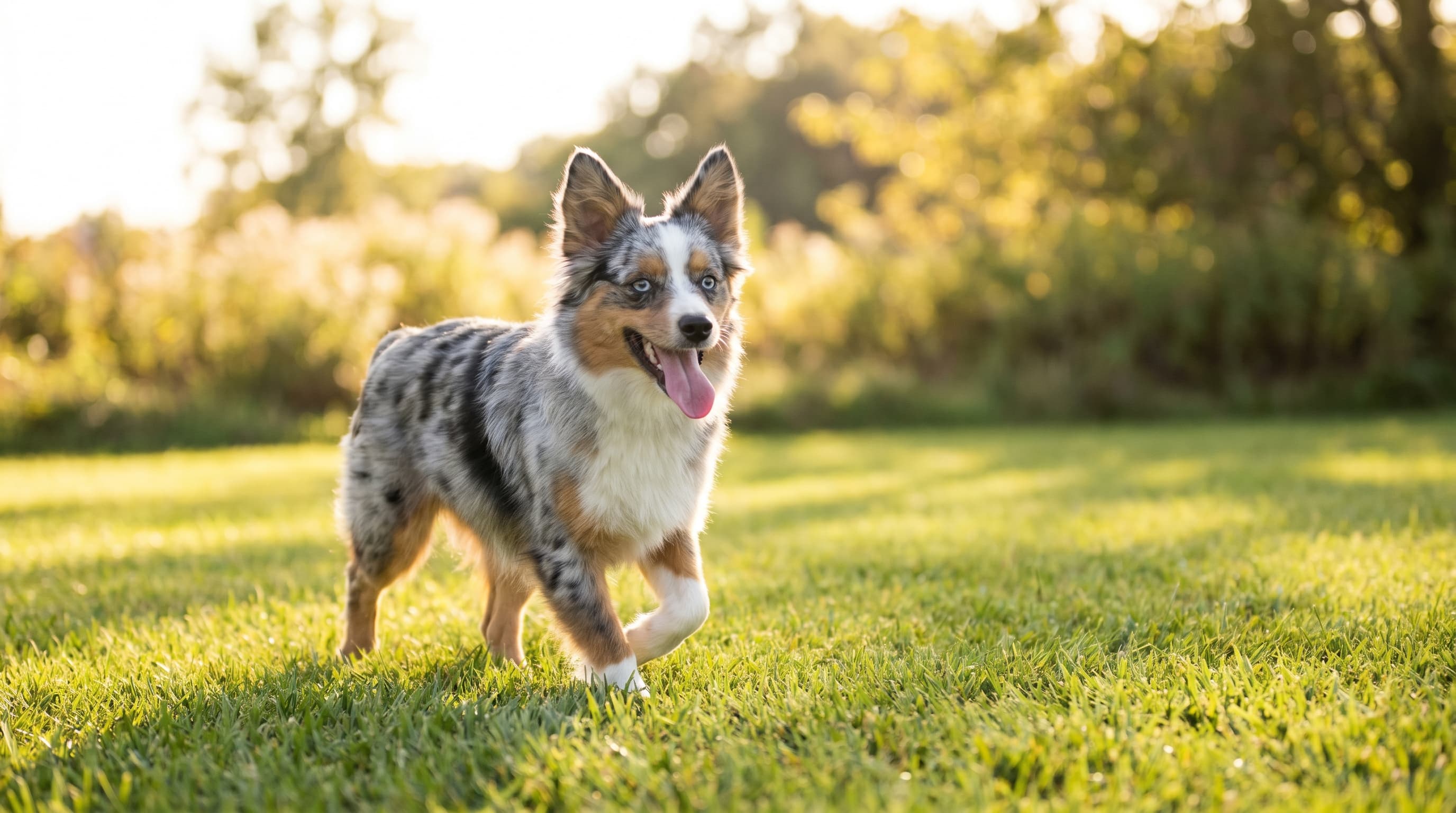

A mini beagle is a smaller version of the classic Beagle, typically standing 7-12 inches tall and weighing 7-15 lb. It goes by several names — pocket beagle, miniature beagle, teacup beagle — but none are officially recognized breeds. Mini beagles are usually the smallest pups from standard-Beagle litters, deliberate crosses (Beagle x Chihuahua, Beagle x Dachshund), or dogs from breeders selecting for undersized parents.
What Exactly Is a Mini Beagle?
Here's the thing every buyer should know upfront: there is no separate "mini beagle" breed registered with the American Kennel Club (AKC), UK Kennel Club, or FCI. When someone sells a mini beagle, they usually mean one of three things:
- Runt-line pocket beagle: Small Beagles bred to other small Beagles across generations. The dog still looks like a proper Beagle, just miniaturized.
- Mix-bred mini beagle: Beagle crossed with a smaller breed — commonly Chihuahua, Dachshund, or Jack Russell — to shrink the adult size.
- Historic "Queen Elizabeth pocket beagle": A now-extinct 14th-16th century strain small enough to fit in a saddle bag. Modern reproductions are branding, not lineage.
The AKC recognizes only one Beagle breed, split into two size varieties: under 13 inches, and 13-15 inches. A truly under-13-inch Beagle is what most reputable breeders will offer when you ask for a "smaller Beagle." Dogster's breed comparison spells out this distinction in detail.
Size, Weight, and Life Expectancy
Mini beagles are usually 25-50% smaller than standard Beagles. Expect:
- Height: 7-12 inches at the shoulder
- Weight: 7-15 lb adult
- Lifespan: 10-15 years (crosses often at the shorter end)
Purpose-bred pocket beagles that stay true to Beagle conformation tend to live 12-15 years. Miniaturized dogs from unclear breeding — especially those pushed toward "teacup" sizes — often have shorter lifespans, with sources like 101 Dog Breeds citing 7-9 years for some pocket lines due to inherited health problems.
Temperament: Beagle DNA in a Smaller Package
If you love a Beagle's personality, a mini beagle largely delivers the same thing: happy, curious, food-motivated, scent-driven, and comically stubborn. What changes with size is intensity and durability — not character.
- Affectionate and social: Bonds tightly with the whole household, thrives with other dogs, generally good with kids.
- Vocal: Beagles are hound-dogs — they bay, howl, and bark when excited or bored. Miniaturization does not fix this.
- Scent-obsessed: A nose that hits the ground and doesn't come up. Off-leash recall is genuinely difficult.
- Playful and mischievous: Expect trash-can raids, sock-eating, and creative counter-surfing.
- Prone to separation anxiety: Beagles are pack dogs and dislike being alone for long stretches.
Exercise and Living Needs
Mini beagles need real exercise despite their size. Two 20-30 minute walks per day plus some sniffing enrichment (a snuffle mat, scatter-fed meals, a small yard search) keeps them content. Without it, they invent their own jobs — usually destructive ones.
They do well in apartments only if the vocalization piece is manageable in your building and the owner commits to daily walks and mental work. For a broader look at small dogs that suit apartment life, our best dogs for apartments guide covers alternatives too.
Grooming and Care
- Coat: Short, dense, double coat — brush once a week; sheds moderately year-round and heavier in spring/fall.
- Bathing: Every 6-8 weeks, or after a memorable outdoor rolling incident.
- Ears: The classic long Beagle ears trap moisture — clean weekly with a vet-approved solution to prevent infection.
- Nails: Trim every 3-4 weeks.
- Teeth: Brush 3-5x weekly — small dogs are prone to dental disease.
Health: The Real Concerns Behind "Mini"
The health picture depends heavily on how the mini was produced. Well-bred pocket beagles from selected small standard Beagles inherit the standard Beagle's issues: hip dysplasia, hypothyroidism, epilepsy, cherry eye, ear infections, and intervertebral disc disease.
Deliberately undersized dogs — bred from runt-to-runt for generations, or crossed with toy breeds — layer on additional risks:
- Fragile bones and higher fracture risk
- Luxating patellas
- Dwarfism-related skeletal issues in some lines
- Dental crowding
- Hydrocephalus in very small individuals
Dog Academy's pocket beagle guide and Dogtime both flag inherited defects as a real concern for smaller lines. Ask any breeder for OFA or comparable health testing on the parents.
Health information here is educational and not a substitute for veterinary advice. Discuss screening and preventive care with your vet.
Feeding a Mini Beagle
Beagles are famously food-obsessed. Miniaturized ones share that trait in a smaller stomach, which makes portion control critical. Overweight is one of the most common health issues in the breed.
- Feed a high-quality small-breed formula measured by weight, split into two meals.
- Treats should cap at 10% of daily calories — use kibble kibble-as-treats during training.
- Watch table scraps closely; foods like pumpkin and plain yogurt are safer than most human treats.
Training a Scent-Driven Small Dog
Mini beagles are smart but selectively deaf when a smell hits. Training strategies that work:
- Start young: Basic manners and recall by 8-12 weeks. Puppy socialization class pays for itself.
- Use food: Small, high-value treats work better than praise alone.
- Keep sessions short: 5-10 minutes, several times a day.
- Never off-leash near roads: A rabbit trail beats your best recall command.
- Crate train early: Helps with alone-time and reduces separation-anxiety fallout.
Cost and Where to Find One
Pocket-style beagle puppies run $500-$1,500 from responsible small-line breeders; deliberate mixes can be more variable at $700-$2,000. Adoption is a strong path — Beagles are the most common breed in laboratory-release situations and specialty rescues place adults and juniors frequently, often under $500.
Red flags when a "mini beagle" listing looks suspicious:
- "Teacup" language and adult weights under 6 lb
- No health testing shown for parents
- Multiple litters available at once
- Puppies leaving before 8 weeks
- Pressure to buy quickly or wire money
Is a Mini Beagle Right for You?
Good match if you:
- Want Beagle personality in a smaller, easier-to-lift package
- Have a fenced yard or are okay always walking on leash
- Can tolerate baying and are on friendly terms with neighbors
- Are home most of the day, or have another dog
- Love food-motivated dogs and creative training challenges
Not a match if you:
- Need a quiet dog for a strict-noise-policy apartment
- Want reliable off-leash freedom in unfenced spaces
- Are gone 9-10 hours a day with no midday check-in
- Want a low-shed, hypoallergenic dog
Frequently Asked Questions
Is a mini beagle a real breed?
No official kennel club recognizes it as a separate breed. It's a marketing term for small-line Beagles or Beagle crosses. Ask breeders to clarify exactly which they're selling.
How big does a mini beagle get?
7-12 inches tall and 7-15 lb at full adult size. Anything advertised as under 5 lb full-grown is a red flag.
Are mini beagles good with kids?
Generally yes, especially with kids old enough to handle a small dog gently. Beagle temperament is famously good with children, though the vocalization can startle toddlers.
Do mini beagles bark and howl a lot?
Yes. All Beagles are vocal — baying is baked into the breed. Miniaturizing doesn't quiet the voice; it just makes it slightly higher-pitched.
How long do mini beagles live?
10-15 years for well-bred small-line pocket beagles. Poorly bred teacup-style dogs often live shorter — 7-9 years — due to inherited defects.
Are mini beagles easy to train?
They're intelligent but easily distracted by scent and food. With patience, short sessions, and high-value rewards, they master basics well; off-leash reliability is a long-term project.
Are mini beagles hypoallergenic?
No. They shed year-round with heavier seasonal blowouts. Look at doodle breeds or Bichons if allergies are a concern.
Bottom Line
A mini beagle can be a fantastic companion — full Beagle personality in a package that fits your lap and your smaller home. Just go in with eyes open: buy from a breeder who health-tests, avoid teacup marketing, and prepare for a scent-driven, food-obsessed, occasionally noisy little roommate you'll be head-over-heels for.
Curious about more small-breed profiles? Browse our full Beagle breed guide and best dogs for apartments, then subscribe to the Daily Wag newsletter for weekly breed deep-dives and small-dog living tips.