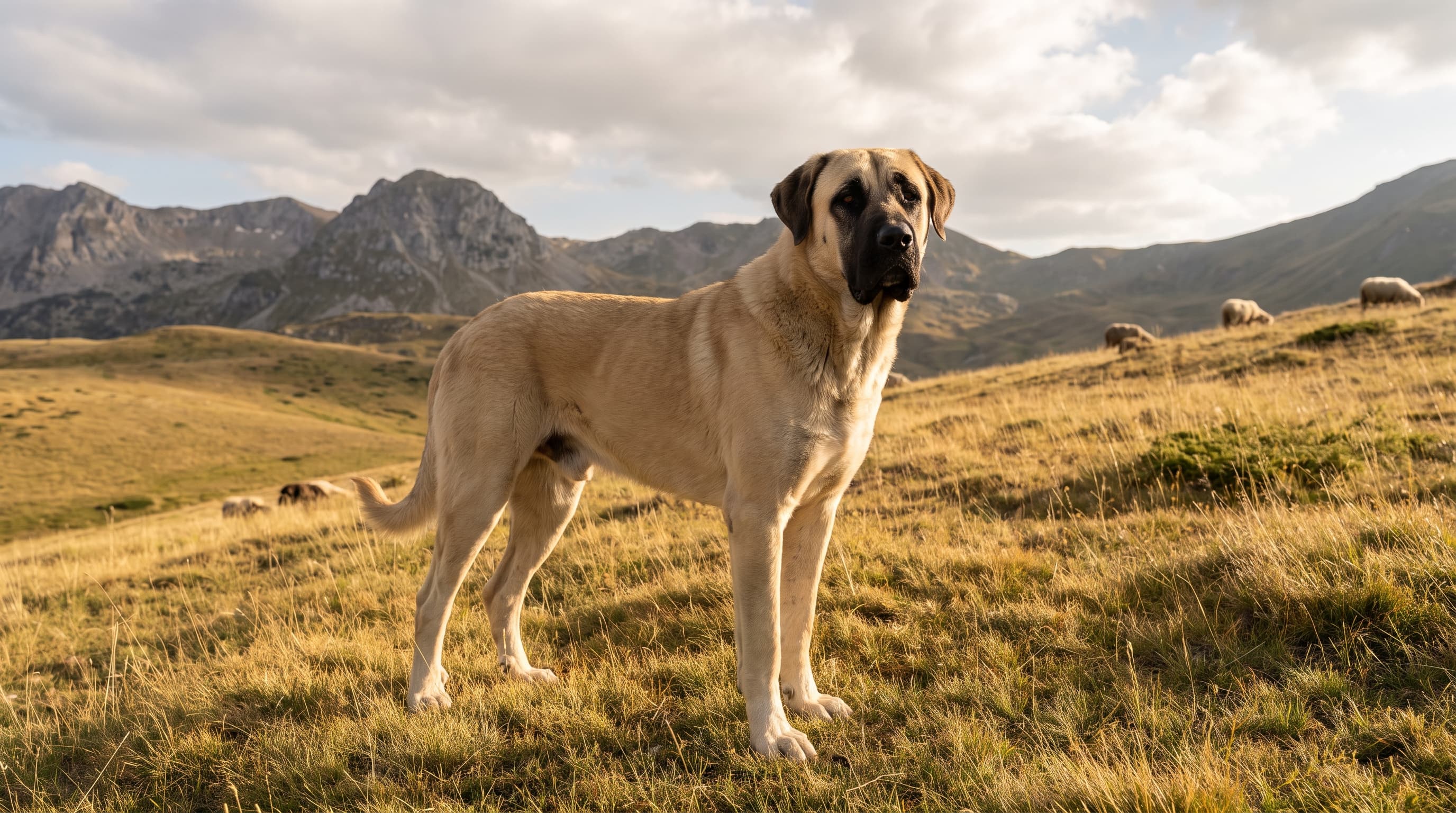

The Sarabi dog is a rare giant livestock-guardian breed from Iran's Sarab region, also called the Persian Mastiff or Iranian Shepherd. Bred for centuries to defend flocks from wolves and big cats, the Sarabi is enormous (often 110–200 lbs), deeply loyal to its family, calm at home, and naturally wary of strangers. It is powerful, intelligent, and best suited to experienced owners with space.
What Is a Sarabi Dog?
The Sarabi dog—known in Iran as the Sag-e Sarabi—is an ancient livestock guardian breed named after Sarab County in the East Azerbaijan province of northwestern Iran. According to Wikipedia, the breed has been used for generations to protect herds and homesteads across the Iranian plateau, and it is sometimes referred to as the Persian Mastiff, Persian Shepherd, or Iranian Mastiff.
This is not a designer dog or a recent crossbreed. The Sarabi is a working molosser shaped by environment and purpose rather than a show standard. As Molosser Dogs notes, breeds like the Sarabi developed alongside nomadic and pastoral cultures, where a dog's job was to stand between the flock and predators such as wolves, jackals, hyenas, and historically even leopards and the now-extinct Caspian tiger. That heritage explains nearly everything about the breed today: its size, its courage, its independence, and its protective instincts.
Sarabi Dog Size and Appearance
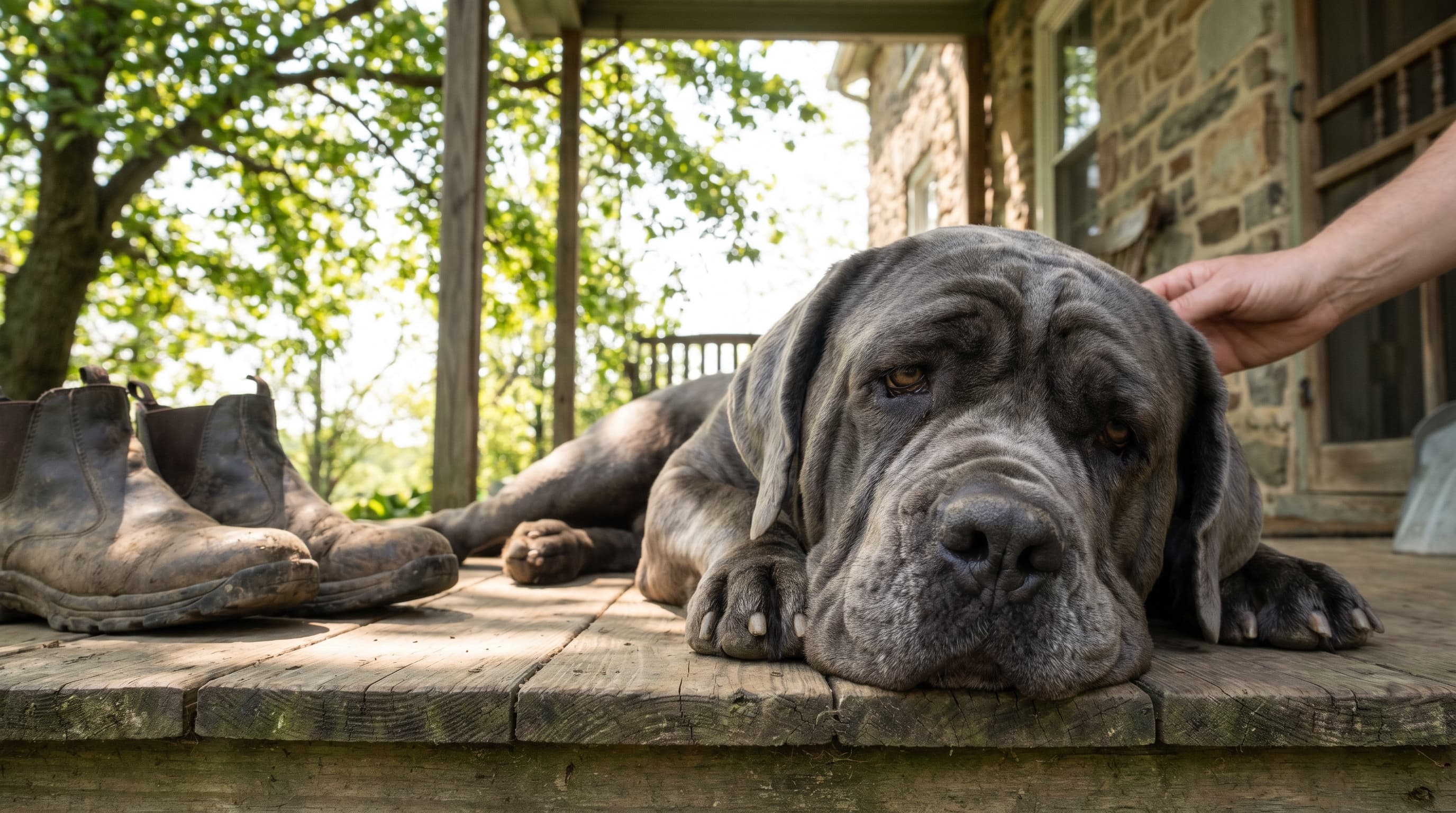
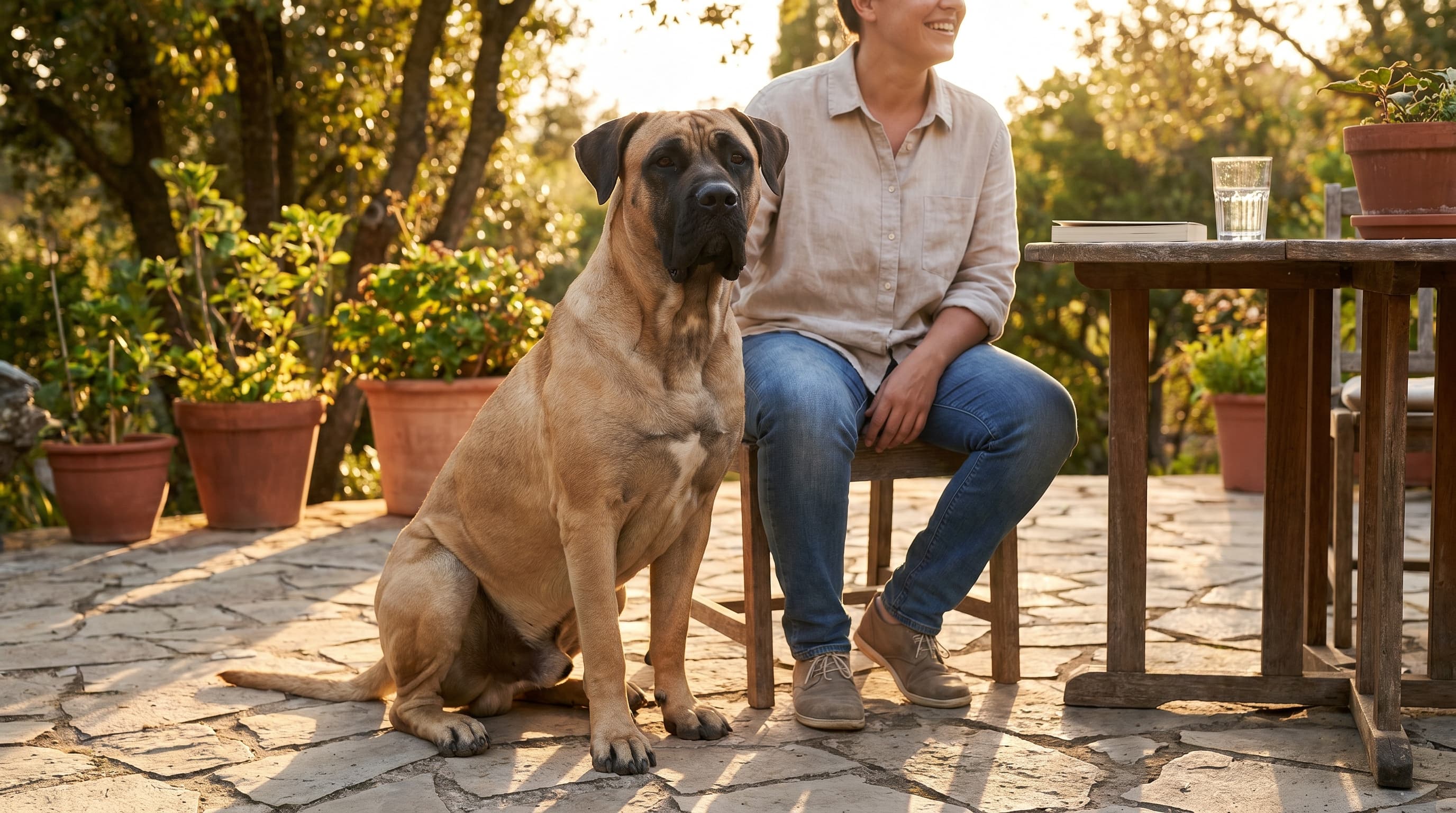
The Sarabi is unmistakably a giant breed. Males typically stand 32 to 35 inches at the shoulder and weigh between 140 and 200 pounds, while females generally measure 28 to 32 inches and weigh 110 to 150 pounds, per Dogster. That puts a full-grown male Sarabi in the same weight class as a Mastiff or large Cane Corso.
Physical hallmarks of the breed include:
- A broad, powerful head with a defined stop and strong muzzle.
- A short, dense coat well suited to Iran's hot summers and cold winters.
- Coloring that is usually fawn, tan, or gray, often with sable guard hairs.
- A distinctive black facial mask and dark or shaded ears.
- A muscular, deep-chested frame built for endurance rather than speed.
Because the Sarabi was bred for function, there is natural variation in appearance from region to region and line to line. There is no single universally enforced standard, which is one reason the breed is not recognized by the American Kennel Club.
Sarabi Dog Temperament and Personality
A well-raised Sarabi is often described as a calm, controlled, and confident guardian—a true gentle giant with its family. Dog Academy describes the breed as intensely loyal and protective, devoted to the people and animals it considers part of its charge, yet reserved and watchful around outsiders.
Key temperament traits include:
- Loyalty: Sarabis bond deeply with their family and are known to place themselves between perceived danger and their loved ones.
- Independence: Like most livestock guardians, the Sarabi was bred to make decisions on its own out in the field. It is intelligent but not eager-to-please in the way a retriever is.
- Wariness of strangers: Suspicion of unfamiliar people and animals is a feature, not a flaw, of a guardian breed—but it makes early socialization essential.
- Calmness at home: Indoors and on familiar territory, a mature Sarabi is typically settled and low-drama.
This is a dog with serious protective instincts and the size to back them up. The Sarabi is not a good match for first-time owners, apartment living, or homes that can't provide structure, space, and confident leadership.
Training and Socialization
Training a Sarabi requires patience, consistency, and an understanding of the guardian mindset. Because the breed is independent by design, harsh or repetitive obedience drills tend to backfire. VetGuru emphasizes calm, reward-based methods and early, ongoing socialization as the foundation for a well-adjusted adult.
Priorities for any Sarabi owner:
- Start socialization early. Expose puppies to a wide range of people, places, sounds, and friendly animals while they are young to temper natural suspicion.
- Be consistent and fair. Establish clear, predictable rules. This breed respects calm, confident leadership and tunes out nagging.
- Use positive reinforcement. Food, praise, and play build cooperation without triggering a powerful dog's defensiveness.
- Manage, don't just train. Secure fencing, supervised introductions, and responsible containment matter as much as obedience cues with a guardian breed.
Owners drawn to large, protective breeds may also want to compare the Sarabi with better-documented guardians—see our guides to the Cane Corso, the Anatolian Shepherd, and the Bullmastiff, breeds with similar working roles and care needs.
Exercise and Living Needs
Despite its size, the Sarabi is not a hyperactive breed. As a livestock guardian, it is built for steady patrolling and stamina rather than bursts of high-energy play. Most Sarabis do well with daily walks, room to roam, and a job to do—such as watching over a property. A bored or under-exercised giant breed, however, can become destructive or anxious.
Ideal living conditions for a Sarabi include:
- A house with a large, securely fenced yard—rural or semi-rural settings suit the breed best.
- Daily moderate exercise (walks plus free movement), with care to avoid overexertion in puppies whose joints are still developing.
- Cool shade and fresh water in hot weather, and protection from extreme heat given the breed's mass.
- Mental stimulation and a sense of purpose to satisfy the working drive.
Grooming and Care
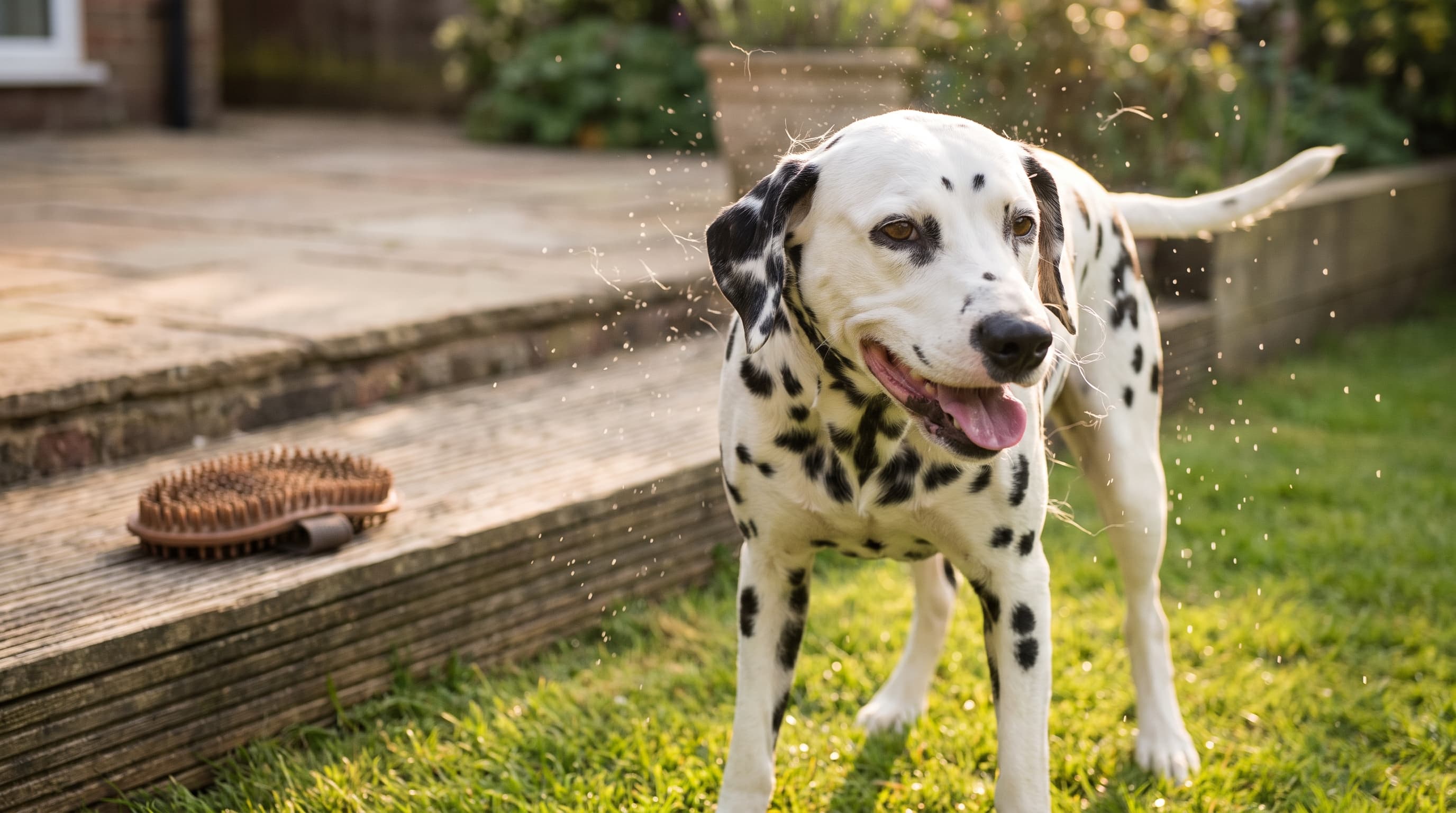
Grooming is one of the easier parts of Sarabi ownership. The short, dense coat needs only weekly brushing for most of the year, with more frequent sessions during seasonal shedding. Routine care—nail trims, ear checks, and dental hygiene—rounds out the maintenance. As with all large dogs, getting your Sarabi comfortable with handling from puppyhood makes grooming and vet visits far less stressful.
Sarabi Dog Health and Lifespan
Giant breeds generally live shorter lives than small dogs, and the Sarabi is no exception, with a typical lifespan of around 10 to 12 years. Because the breed is rare and largely undocumented in Western veterinary literature, owners should be proactive about preventive care. Health concerns common to large and giant molosser breeds include:
- Hip and elbow dysplasia and other joint issues
- Bloat (gastric dilatation-volvulus), a life-threatening emergency in deep-chested dogs
- Heart conditions that can affect large breeds
- Obesity-related strain on joints if weight isn't managed
This is surface-level information, not a diagnosis. A trusted veterinarian who is familiar with giant breeds is your best partner for screening, nutrition planning, and recognizing early warning signs. Pet insurance is also worth considering given the cost of care for a dog this size.
Nutrition for a Giant Breed
Feeding a Sarabi means feeding a giant, and that comes with specific considerations. Large- and giant-breed puppies need carefully controlled growth to protect developing joints, so a food formulated for large-breed growth is important during puppyhood. Adults need quality protein and appropriate calories to maintain—not exceed—a healthy weight. Splitting meals into two or more feedings per day and avoiding heavy exercise right after eating can help reduce bloat risk. Always confirm portions and diet choices with your vet, since requirements vary with age, activity, and health.
Is the Sarabi Dog Right for You?
The Sarabi is a magnificent but demanding breed. It rewards the right owner with unwavering loyalty and a calm, protective presence—but it is genuinely rare, and as Pawgy Pets points out, finding a Sarabi puppy can be extremely difficult, with some sources even questioning whether purebred specimens still exist outside Iran. A Sarabi may suit you if you have experience with large guardian breeds, plenty of secure space, time for socialization, and the budget for giant-breed care. It is not a fit for novices, apartment dwellers, or anyone wanting an easygoing, social butterfly of a dog.
Frequently Asked Questions
How big does a Sarabi dog get?
Sarabis are giant dogs. Males often reach 32–35 inches tall and 140–200 pounds, while females are typically 28–32 inches and 110–150 pounds.
Are Sarabi dogs good family pets?
With proper socialization and experienced handling, Sarabis are deeply loyal and protective of their families. Their size and guardian instincts mean they need supervision around young children and strangers, and they are not recommended for first-time owners.
Is the Sarabi the strongest dog in the world?
The Sarabi is frequently cited as one of the largest and most powerful guardian breeds, and it's sometimes called the "strongest" dog. There's no official strength ranking, but there's no doubt it is an exceptionally powerful breed.
Does the AKC recognize the Sarabi dog?
No. The American Kennel Club does not recognize the Sarabi, in part because the breed lacks a single standardized type and remains rare outside Iran.
How long do Sarabi dogs live?
Like most giant breeds, Sarabis have a relatively short lifespan, generally around 10 to 12 years, depending on genetics, weight management, and veterinary care.
Are Sarabi dogs aggressive?
They are protective and wary of strangers rather than indiscriminately aggressive. Early socialization, consistent training, and responsible management are essential to channel those instincts safely.
The Bottom Line
The Sarabi dog is one of the world's most impressive—and least understood—guardian breeds: a giant, loyal protector forged by centuries of work on the Iranian plateau. For experienced owners who can meet its space, training, and health needs, the Sarabi is an extraordinary companion. For everyone else, it's a breed best admired from a respectful distance.
This guide is for general informational purposes and is not a substitute for professional veterinary advice. Always consult your veterinarian about your individual dog's health and care.
Fascinated by powerful guardian breeds? Explore our deep dives on the Cane Corso and the Anatolian Shepherd, and subscribe to the Daily Wag newsletter for more breed guides and dog-care tips delivered straight to your inbox.