
Doberman Rottweiler Mix: The Rotterman Guide to This Powerful Guardian
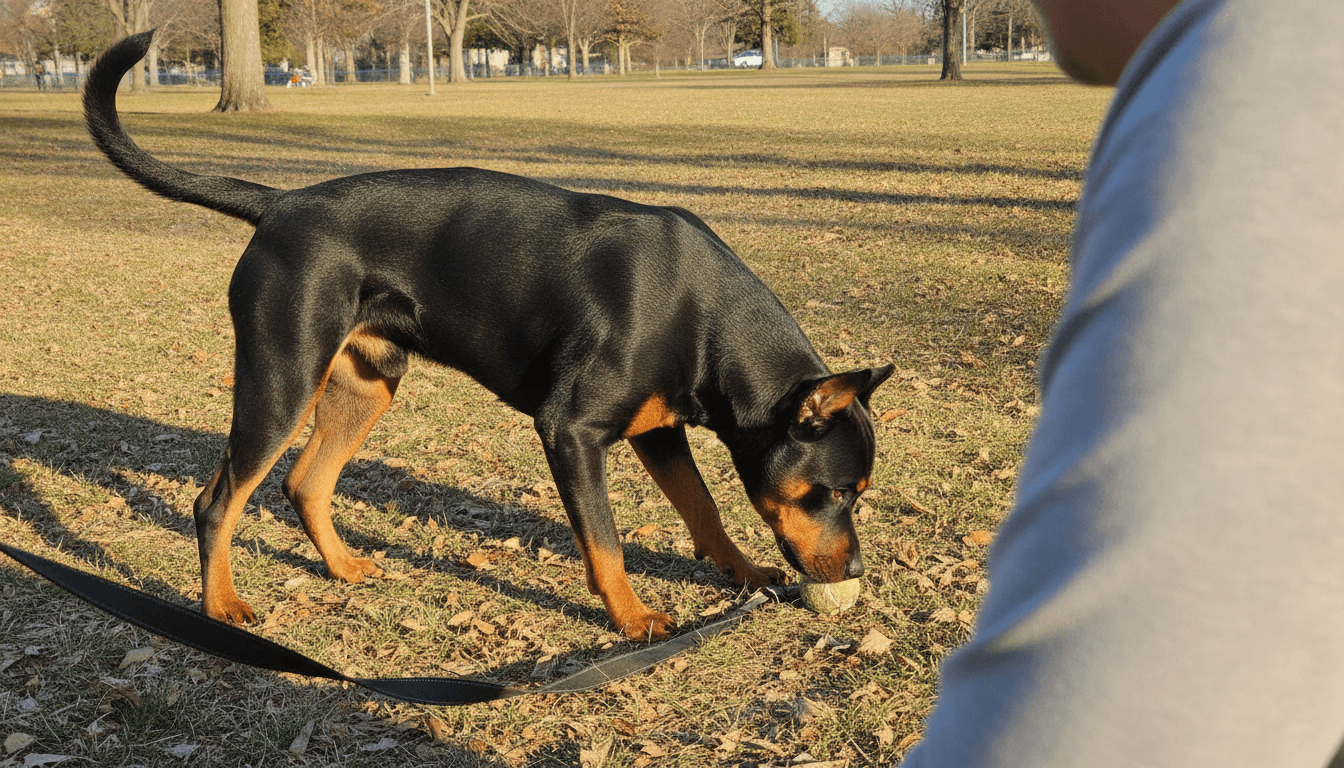
The Doberman Rottweiler mix — often called the Rotterman — is a large, powerful crossbreed pairing the sleek athleticism of the Doberman Pinscher with the muscular strength of the Rottweiler. Expect a confident, deeply loyal guardian standing 24–28 inches tall and weighing roughly 65–130 pounds, with a short black-and-tan coat, a strong protective drive, and a real need for experienced ownership, early socialization, and daily exercise.
This is not a beginner's dog. But for an active, dog-savvy household that wants a devoted protector and can meet its training and exercise demands, the Rotterman can be an outstanding companion. Here's everything to know before bringing one home.
What Is a Doberman Rottweiler Mix?
A Rotterman is a first-generation cross between two of the most respected working and guardian breeds in the world. Both parents share German roots and a history in protection, police, and military work, which is why the mix so reliably produces a watchful, courageous dog.
Like all mixed breeds, the Rotterman is a genetic lottery: a puppy can lean toward the leaner, more energetic Doberman or the stockier, more deliberate Rottweiler — or land anywhere in between. The most reliable way to predict temperament and looks is to study both parent breeds and accept that any combination is possible. Reading our full Rottweiler breed guide and the Doberman Pinscher profile alongside this article gives you the clearest picture.
Appearance, Size, and Coat
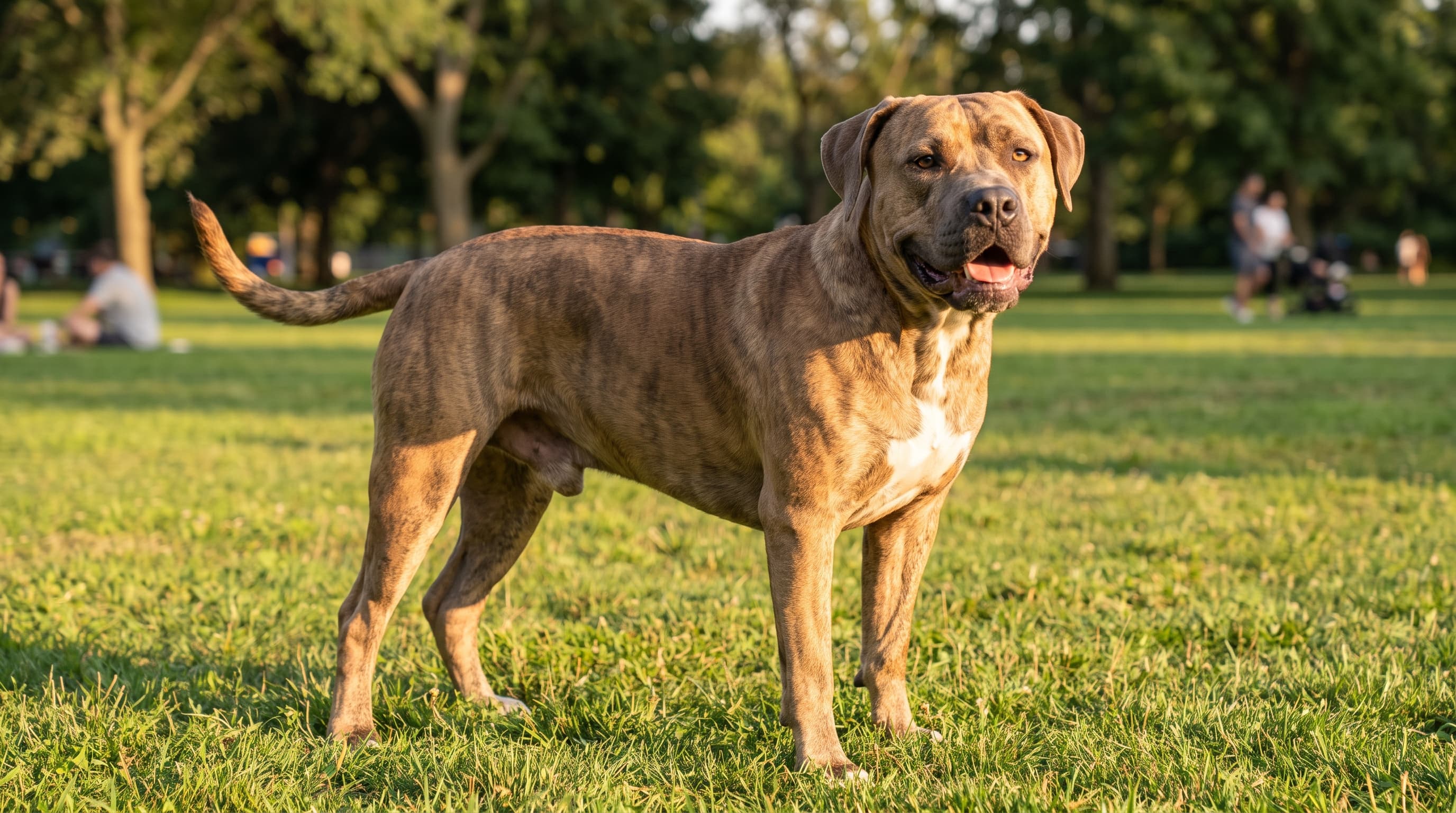
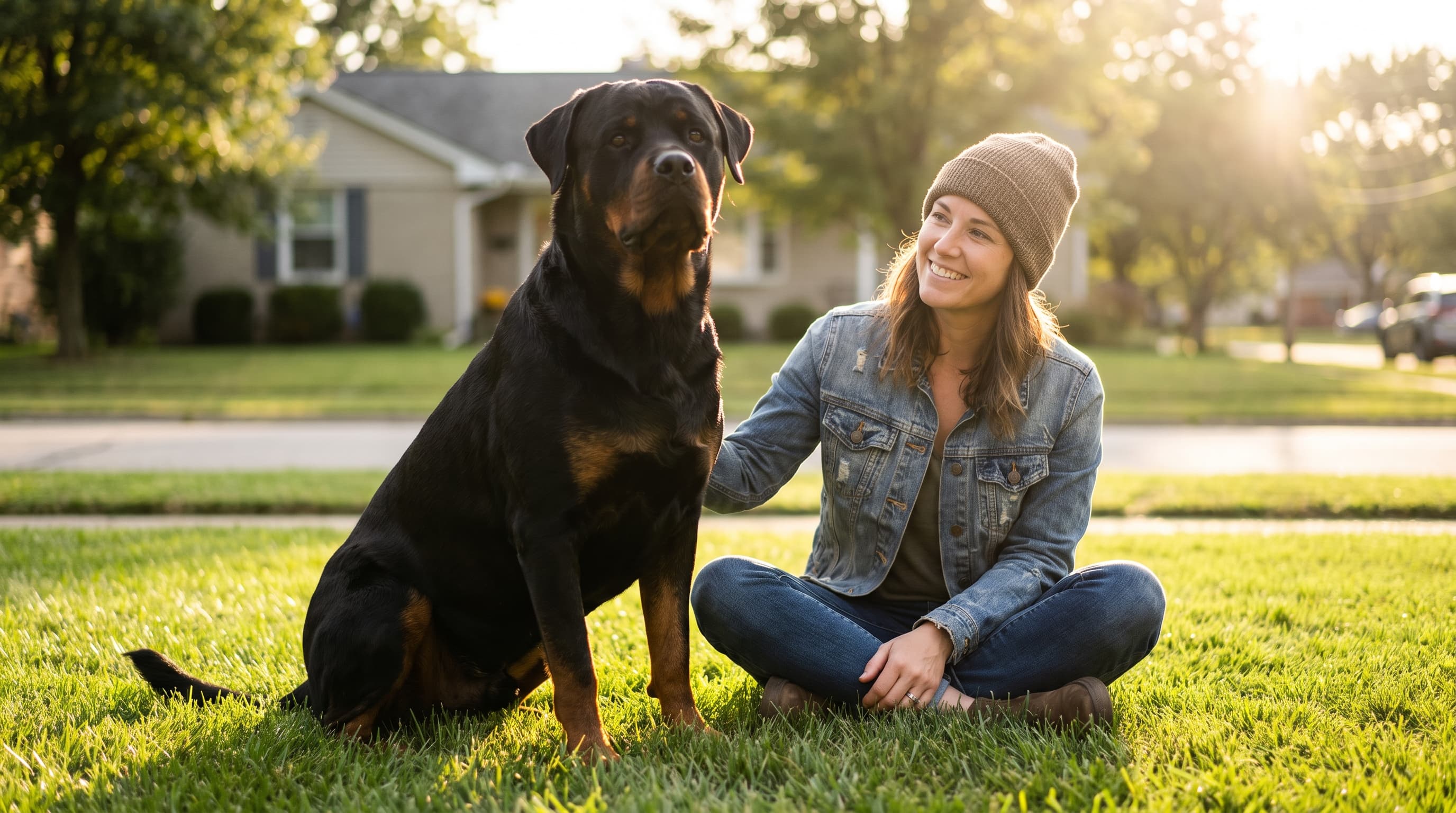
Rottermans are large, athletic dogs with a broad, powerful frame that reflects the Rottweiler side and a longer-legged, more streamlined outline from the Doberman. Most carry the classic black-and-tan or black-and-rust markings both parent breeds share, though some are solid black or darker brown.
The coat is short, dense, and glossy — easy to maintain but a steady, moderate shedder. Adults typically stand 24 to 28 inches at the shoulder. Weight varies widely with which parent dominates and the dog's sex: the AKC Rottweiler standard runs up to around 135 pounds, while the Doberman is leaner and taller, so most Rottermans land in the 65–130 pound range.
Rotterman Temperament and Personality
The Rotterman is loyal, affectionate with its family, intelligent, and intensely protective. Both parent breeds are natural guardians, so this mix is territorial and alert by instinct — a superb watchdog that bonds hard with its people and is often gentle and playful at home.
That guardian nature is also why the breed demands responsible ownership. Rottermans are strong-willed, need a confident handler, and can be wary or reactive toward strangers and other dogs without proper socialization. They are best suited to experienced owners who have handled powerful, driven breeds before — not first-time dog parents. With the right foundation, though, they are steady, devoted, and deeply people-oriented.
Training and Socialization
Early, consistent training is non-negotiable with a dog this size and strength. Start socialization in puppyhood — introducing the dog calmly and positively to many people, dogs, environments, and situations — so its natural wariness matures into confident discernment rather than fear or aggression.
Both parent breeds are highly intelligent and eager to work, which makes the Rotterman very trainable in the right hands. Use reward-based methods; harsh corrections tend to backfire with sensitive, powerful guardians. Obedience should be rock-solid, and structured outlets like advanced obedience, scent work, or protection sports channel the dog's drive productively. Our guide to getting your dog's energy out fast offers ideas for busy days.
Exercise and Activity Needs
Rottermans are high-energy working dogs that need substantial daily exercise — think a minimum of 60–90 minutes split between physical activity and mental work. Long walks, jogging, hiking, fetch, and cycling alongside a bike all suit this athletic mix. A bored, under-exercised Rotterman will find its own outlets, usually destructive ones.
Mental stimulation matters as much as miles. Puzzle feeders, training sessions, and jobs to do keep this smart breed satisfied. These dogs thrive with active owners and a securely fenced yard, and they do best in a home where someone is around much of the day — they are not built for long hours alone.
Rotterman Health and Lifespan
A Doberman Rottweiler mix typically lives about 9–12 years. Crossbreeding can broaden the gene pool, but the Rotterman can still inherit health conditions common to both parent breeds. Buyers should seek breeders who health-test both parents.
Conditions to be aware of include:
- Hip and elbow dysplasia — common in large breeds. VCA Animal Hospitals describes hip dysplasia as a growth deformity of the joint that can lead to pain and arthritis.
- Dilated cardiomyopathy (DCM) — a serious heart-muscle disease the Doberman is especially prone to. VCA notes DCM is a leading cause of heart failure in large breeds and carries a guarded prognosis, making cardiac screening important.
- Bloat (gastric dilatation-volvulus) — a life-threatening emergency in deep-chested dogs.
- Von Willebrand's disease — an inherited bleeding disorder seen in Dobermans.
- Wobbler syndrome and joint issues — spinal and orthopedic problems both parent breeds can carry.
Veterinary disclaimer: This is general information, not medical advice. Discuss screening (hip/elbow scoring, cardiac exams, and DNA tests) with your veterinarian, and see a vet promptly for any signs of heart trouble, lameness, or a distended, painful abdomen. Watch for the signs your dog needs a vet visit.
A Look at the Parent Breeds
Understanding the Rotterman means understanding where it comes from. The Rottweiler descends from the drover dogs of Roman legions, later refined in the German town of Rottweil to drive cattle and pull carts — a job that demanded strength, steadiness, and a calm, deliberate temperament. The Doberman Pinscher is far younger, developed in the late 1800s by German tax collector Louis Dobermann, who wanted a fearless, agile protection dog to accompany him on his rounds. Both were bred to guard and to work closely with a trusted handler, which is why the Rotterman so consistently produces a courageous, people-bonded guardian.
Blending the two tends to soften the Rottweiler's bulk with the Doberman's speed and refinement, while the Doberman's intensity is often grounded by the Rottweiler's more measured outlook. The result is a versatile working-type dog — but one that inherits the serious drive of both sides. To see how each parent shapes the mix, compare our Rottweiler guide with related powerful guardians like the Bull Shepherd and Belgian Malinois.
Cost and Finding a Rotterman Puppy
Because the Rotterman is a crossbreed rather than a recognized purebred, prices vary widely — often somewhere in the $500–$1,500 range from a breeder, with the biggest factor being whether the parents are health-tested. Prioritize a breeder who screens both parents for hip and elbow dysplasia and cardiac disease over one simply offering the cheapest puppy; upfront health testing saves heartbreak and vet bills later. Adoption is another excellent route — Rottweiler and Doberman rescues sometimes take in mixes, and an adult dog lets you see its adult temperament and size directly. Whatever the source, meet the dog (and ideally its parents) in person and ask for health documentation before committing.
Grooming, Feeding, and Care
Grooming is refreshingly simple: the short coat needs weekly brushing (more during seasonal sheds), routine nail trims, ear checks, and dental care. Feed a high-quality diet formulated for large, active dogs, and — because of the bloat risk — split meals into two servings and avoid heavy exercise right around mealtimes. Puppies should eat a large-breed growth formula to support steady, controlled bone development.
Is the Rotterman Right for You?
Choose a Doberman Rottweiler mix if you're an experienced, active owner who wants a loyal protector and can commit to serious training, socialization, and exercise. Reconsider if you're a first-time owner, are away from home for long stretches, or live somewhere without space for a big, driven dog to burn energy. In families, Rottermans can do well with children they're raised with, but their size and intensity mean interactions with young kids should always be supervised.
Frequently Asked Questions
How big does a Doberman Rottweiler mix get?
Rottermans are large dogs, generally 24–28 inches tall and roughly 65–130 pounds depending on which parent they favor and their sex. Males tend toward the larger, heavier end of the range.
Are Doberman Rottweiler mixes good family dogs?
They can be devoted family dogs in experienced, active homes, and are often gentle with family they're raised alongside. Because of their size, strength, and protective drive, they need early socialization and supervised interactions with young children.
Is a Rotterman aggressive?
Rottermans are protective and territorial by nature, not inherently aggressive. Proper socialization and training channel that guardian instinct into confident, controlled behavior. Poor socialization, isolation, or harsh handling are what create reactivity.
How long do Doberman Rottweiler mixes live?
The typical lifespan is about 9–12 years. Choosing a breeder who health-tests both parents and providing good preventive care, exercise, and nutrition supports a longer, healthier life.
Do Rottermans need a lot of exercise?
Yes. Plan on at least 60–90 minutes of daily physical and mental activity. These are working dogs that become bored and destructive without enough exercise and a job to do.
The Bottom Line
The Doberman Rottweiler mix is a magnificent, powerful guardian for the right owner — loyal, intelligent, and endlessly devoted, but demanding in training, exercise, and experience. If you can meet those needs, few dogs are more committed to their families.
Considering a big, protective breed? Compare the Rotterman with our full Rottweiler guide and Cane Corso profile to find your best match — and subscribe to the Daily Wag newsletter for more breed guides, training advice, and dog-care tips delivered to your inbox.