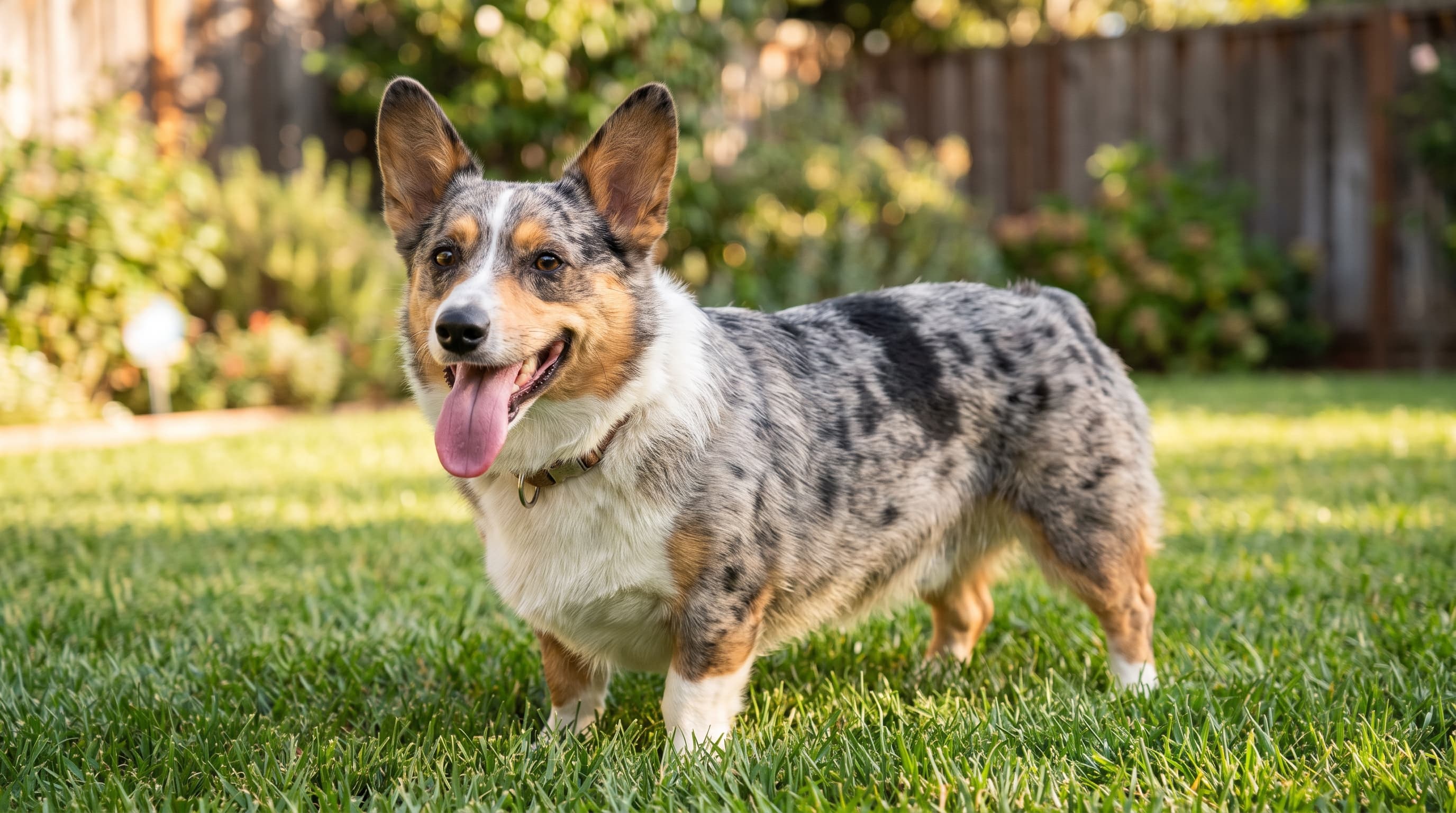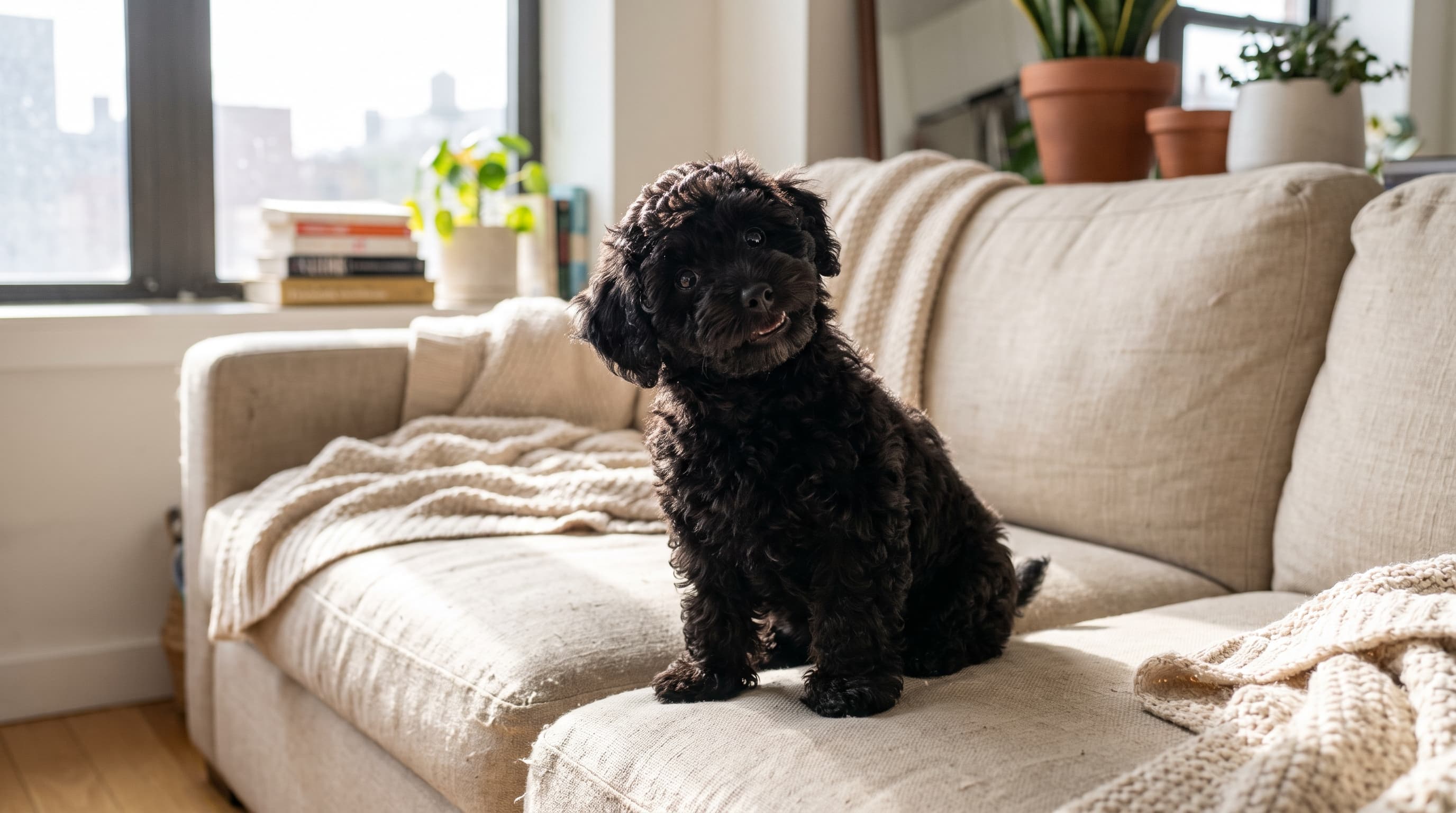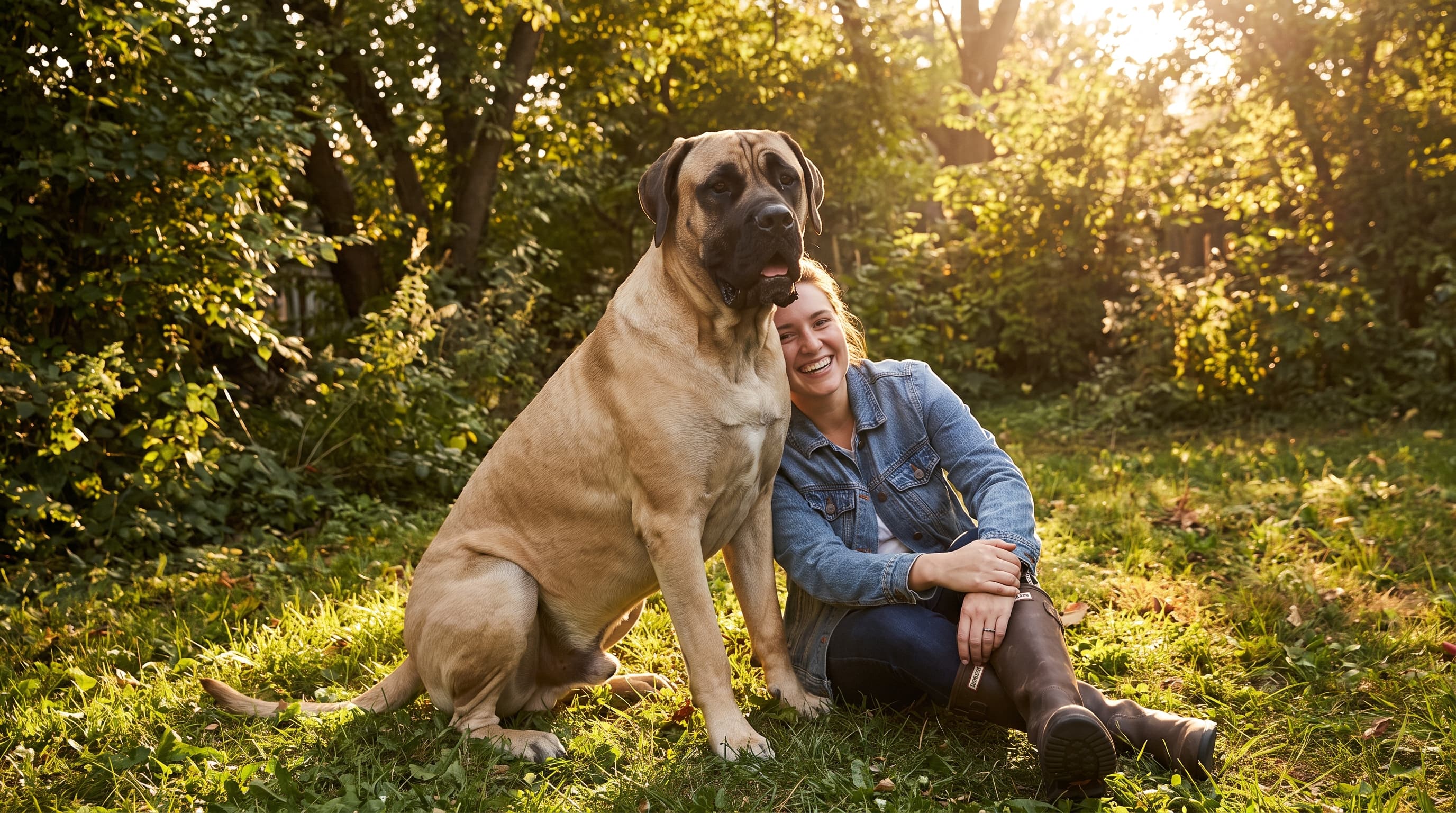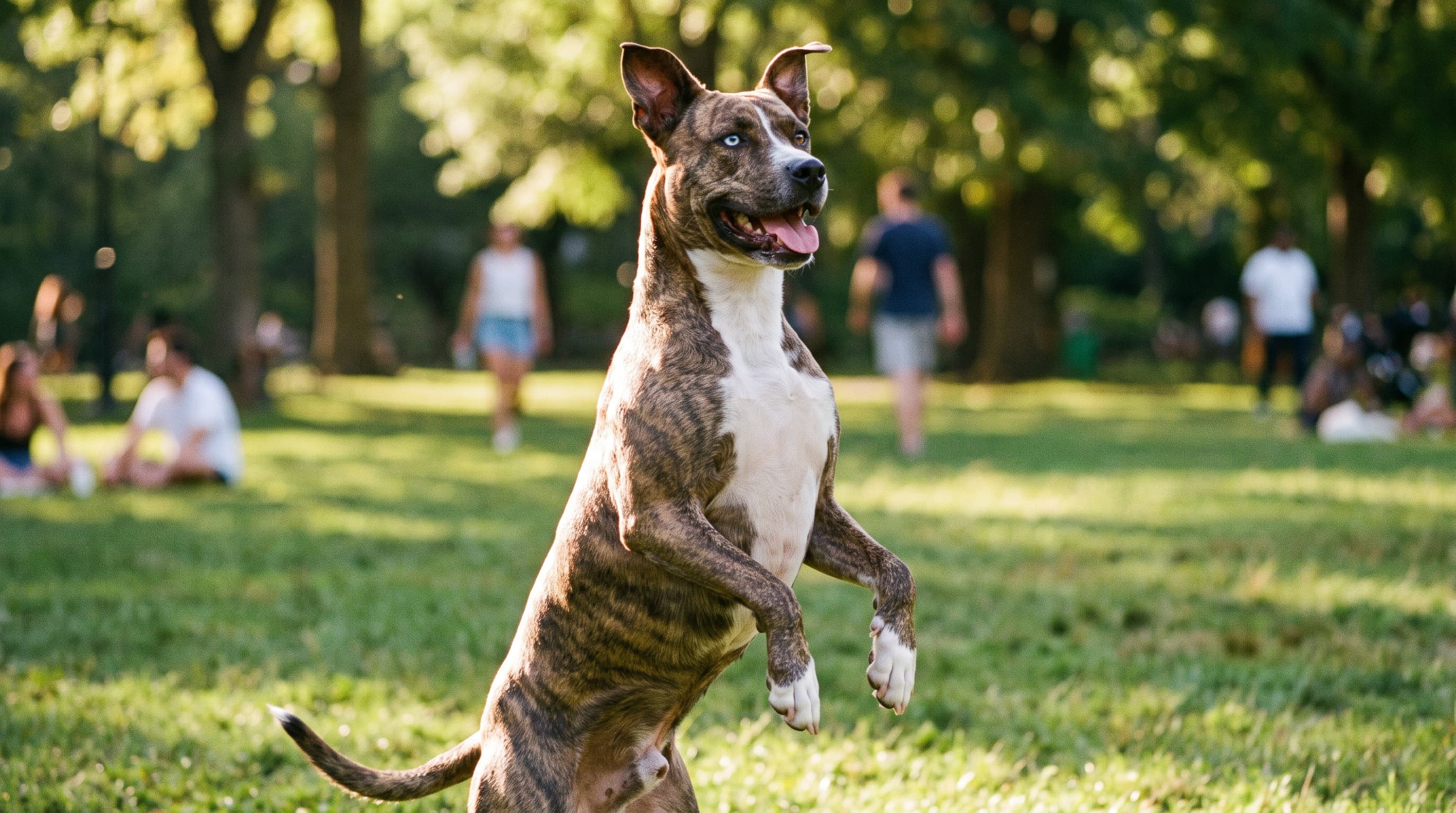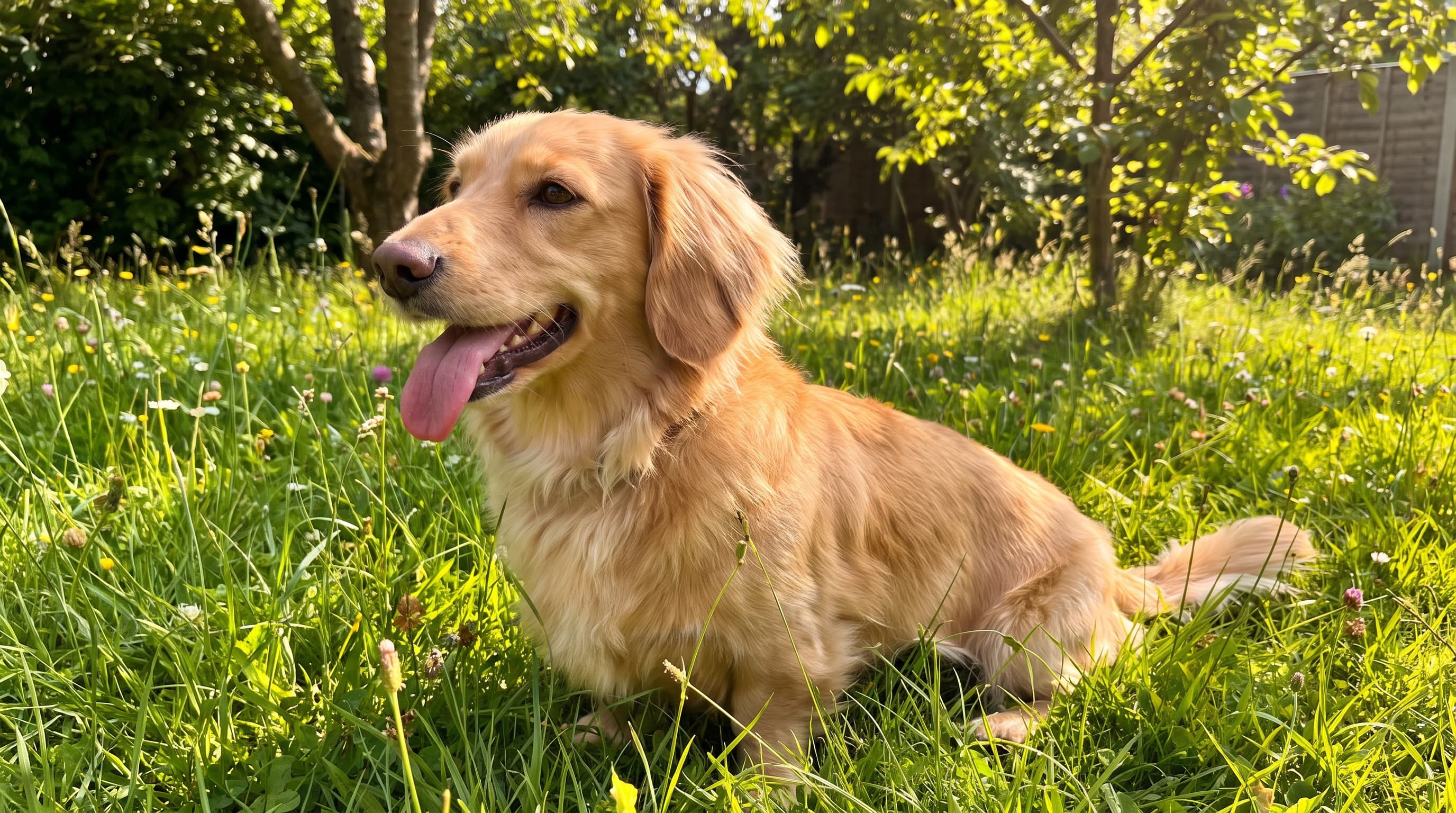

The golden weiner dog — also called the Golden Dox or Golden Dachshund — is a designer crossbreed between a Golden Retriever and a Dachshund. These affectionate, medium-small dogs typically weigh 30–45 pounds, live 10–14 years, and blend the Golden's friendly, eager-to-please nature with the Dachshund's bold, playful personality and signature long body.
What Is a Golden Weiner Dog?
A golden weiner dog is a first-generation hybrid created by crossing a Golden Retriever with a Dachshund (the "wiener dog"). The mix is most often called the Golden Dox, though you'll also see Golden Dachshund, Golden Weenie, and Doxie Golden. Like most designer dogs, it emerged as breeders began deliberately mixing popular purebreds in the late 20th century, according to Dogster.
Because it's a cross of two very differently shaped parents — a 55-to-75-pound sporting dog and a low-slung 16-to-32-pound hound — golden weiner dogs are unpredictable in size and look. No two litters are quite the same, and even puppies within one litter can vary widely. That variability is part of the appeal for some owners and a reason for careful research for others.
Golden Weiner Dog Appearance and Size
Most golden weiner dogs land in the small-to-medium range: roughly 30–45 pounds and 10–20 inches tall, though smaller crosses using a miniature Dachshund can be lighter. The classic look is a longer-than-tall body on shorter legs — the Dachshund silhouette — topped with the softer, expressive face of a Golden Retriever.
Coats are usually medium-length, dense, and sometimes wavy, most often in golden, red, cream, or chocolate/black shades inherited from each parent. The Golden Retriever contributes that warm golden coloring and feathering, while the Dachshund can add smooth, longhaired, or (rarely) wirehaired coat textures. For a sense of how Dachshund coat variety plays out, our guide to the merle Dachshund shows just how much this parent breed can vary.
Temperament: What They're Like to Live With
Golden weiner dogs tend to be affectionate, people-oriented, and playful. From the Golden side they often inherit friendliness, patience with children, and a strong desire to please. From the Dachshund side comes confidence, curiosity, a big-dog personality in a small body, and — fair warning — a stubborn streak and a notable prey drive.
The result is usually a loyal family companion that bonds closely with its people and can be prone to separation anxiety if left alone too long. Early socialization smooths out the Dachshund's occasional wariness of strangers, and consistent training channels that hound intelligence. Many Golden Dox owners describe a dog that's equal parts cuddly lap dog and mischievous explorer. If you like this blend, you may also enjoy meeting the Doxle, another popular Dachshund cross.
Golden Dox Health and Lifespan
Golden weiner dogs generally live 10–14 years. Golden Retrievers average 10–12 years per Britannica, and smaller dogs like Dachshunds often live a bit longer, so the mix falls in between. You can read more on the Golden side in our article on how long Golden Retrievers live.
The most important health consideration is the back. Because the Dachshund's long spine makes it prone to intervertebral disc disease (IVDD) — a well-documented concern noted by Britannica — a golden weiner dog that inherits the elongated body can be at elevated risk, especially if it also carries the Golden's heavier weight. Other conditions seen in the parent breeds include hip and elbow dysplasia, ear infections, eye issues, and obesity.
This is general information, not veterinary advice. Keeping your dog at a healthy weight, discouraging jumping on and off furniture, using ramps, and supporting the back when you lift can all help protect the spine. For any specific concerns — a limp, reluctance to move, or signs of pain — see your veterinarian, and ask a responsible breeder for health screening on both parent dogs before you buy.
Grooming and Shedding
Expect moderate, year-round shedding. A golden weiner dog with a longer or denser coat should be brushed two to three times a week to control loose hair and prevent matting behind the ears and legs; smooth-coated crosses need less. Bathe every four to six weeks, check and clean those floppy ears regularly to prevent infection, keep nails trimmed, and stay on top of dental care. General grooming and care basics are outlined by the ASPCA.
Exercise and Training Needs
These are moderately energetic dogs that thrive on 45–60 minutes of daily activity — walks, fetch, and sniff-driven games that satisfy the Dachshund's nose. Avoid repetitive high-impact activities like long stair climbs or big jumps that stress a long back. Mentally, they're smart but can be willful, so short, reward-based training sessions work best. Their food motivation (very Golden) makes positive reinforcement effective, while the Dachshund's independence rewards patience and consistency.
Is the Golden Weiner Dog Right for You?
A golden weiner dog can be a wonderful fit for families and active individuals who want an affectionate, sociable companion and can commit to training, moderate grooming, and careful back care. They do best with people who are home often, since they crave company. They're less ideal for households that can't supervise stairs and jumping, or anyone expecting a predictable size and look from a hybrid breed. Adopt from a rescue or buy only from a breeder who health-tests both parents.
Frequently Asked Questions
How big does a golden weiner dog get?
Most weigh 30–45 pounds and stand 10–20 inches tall, though crosses with a miniature Dachshund can be smaller. Adult size varies a lot because the parent breeds differ so much.
How much does a Golden Dox cost?
Puppies from a breeder typically run about $500–$1,500 depending on location, lineage, and coat, plus ongoing costs for food, vet care, and grooming.
Do golden weiner dogs shed a lot?
They're moderate, year-round shedders. Denser or longer-coated crosses shed more and need brushing several times a week; smooth-coated ones shed less.
Are golden weiner dogs good family dogs?
Yes—most are affectionate and good with children thanks to the Golden Retriever influence. Early socialization and gentle handling around their long backs are important.
What health problems do golden weiner dogs have?
The main concern is back trouble (IVDD) from the long Dachshund spine, along with possible hip and elbow issues, ear infections, and obesity. Ask about parent health testing and consult your vet.
The Bottom Line
The golden weiner dog is a charming, affectionate mix that pairs the Golden Retriever's friendliness with the Dachshund's bold personality — as long as you're ready for variable sizing, moderate shedding, and attentive back care. Curious about the parent breeds? Explore our full Golden Retriever guide and Dachshund breed profile, then subscribe to the Daily Wag newsletter for more breed guides and dog-care tips delivered daily.