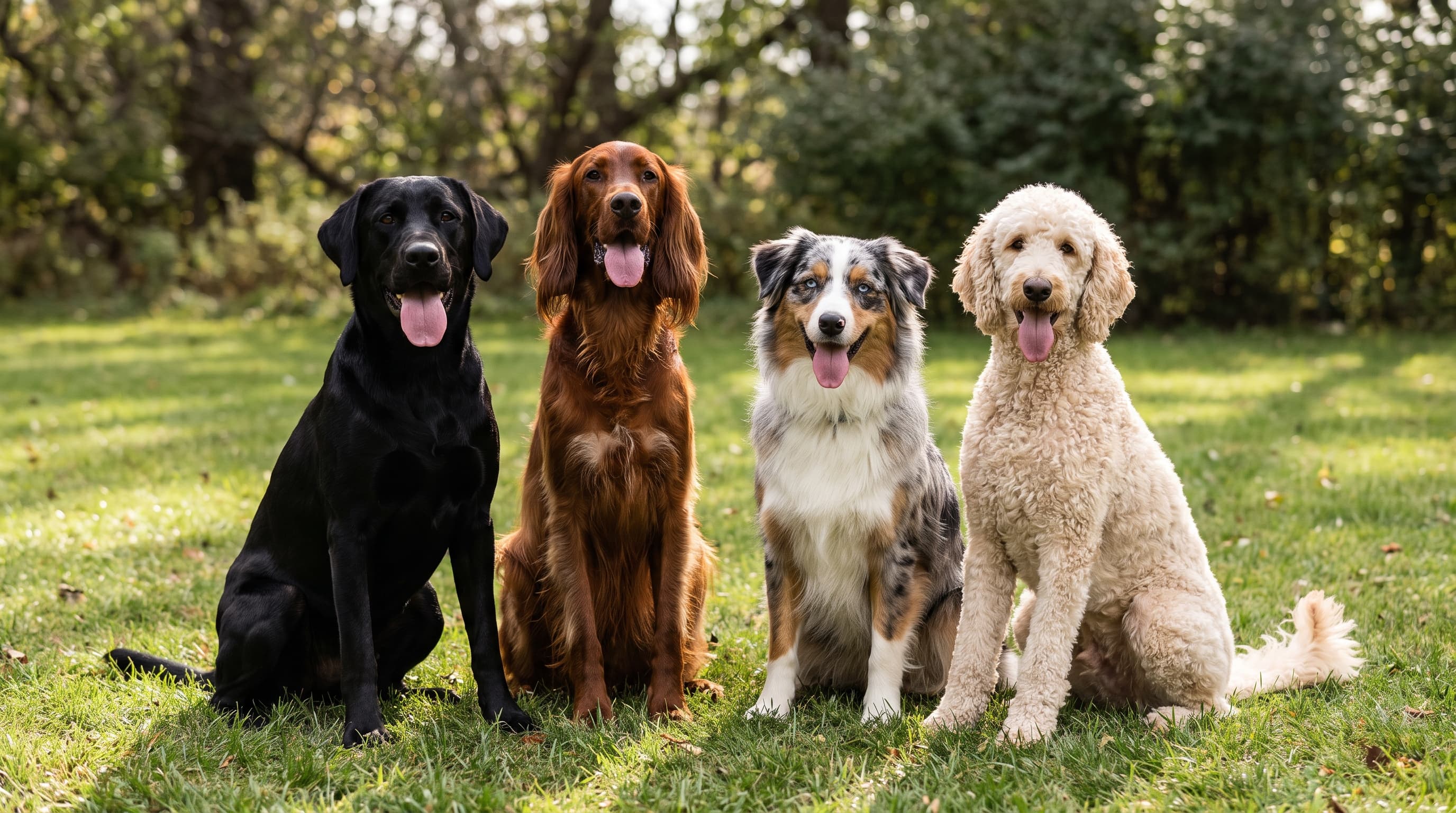

Dog Colors: The Complete Guide to Canine Coat Colors and Patterns
Every one of the hundreds of dog colors you'll ever see comes from just two pigments: eumelanin (black) and phaeomelanin (red). Genes switch, dilute, and distribute those pigments to create solid colors like black, liver, red, blue, and cream, plus patterns such as brindle, merle, sable, and piebald. Here's how canine coat color really works.
The Science: Two Pigments Behind Every Dog Color
It surprises most people, but the entire rainbow of dog coats is built from only two pigments. As VCA Animal Hospitals explains, eumelanin is fundamentally a black pigment, and phaeomelanin is fundamentally a red pigment. Every "color" you see is one of these two pigments modified in shade, intensity, or placement by a handful of genes.
Eumelanin defaults to black, but genes can modify it into liver (brown), blue (gray), or isabella (a pale, dusty brown). Phaeomelanin, meanwhile, ranges from the deep red of an Irish Setter through orange, gold, yellow, tan, and all the way to a near-white cream. A dog with no pigment production at all in a given area shows up as white. Understanding those two building blocks is the key that makes every other color and pattern make sense.
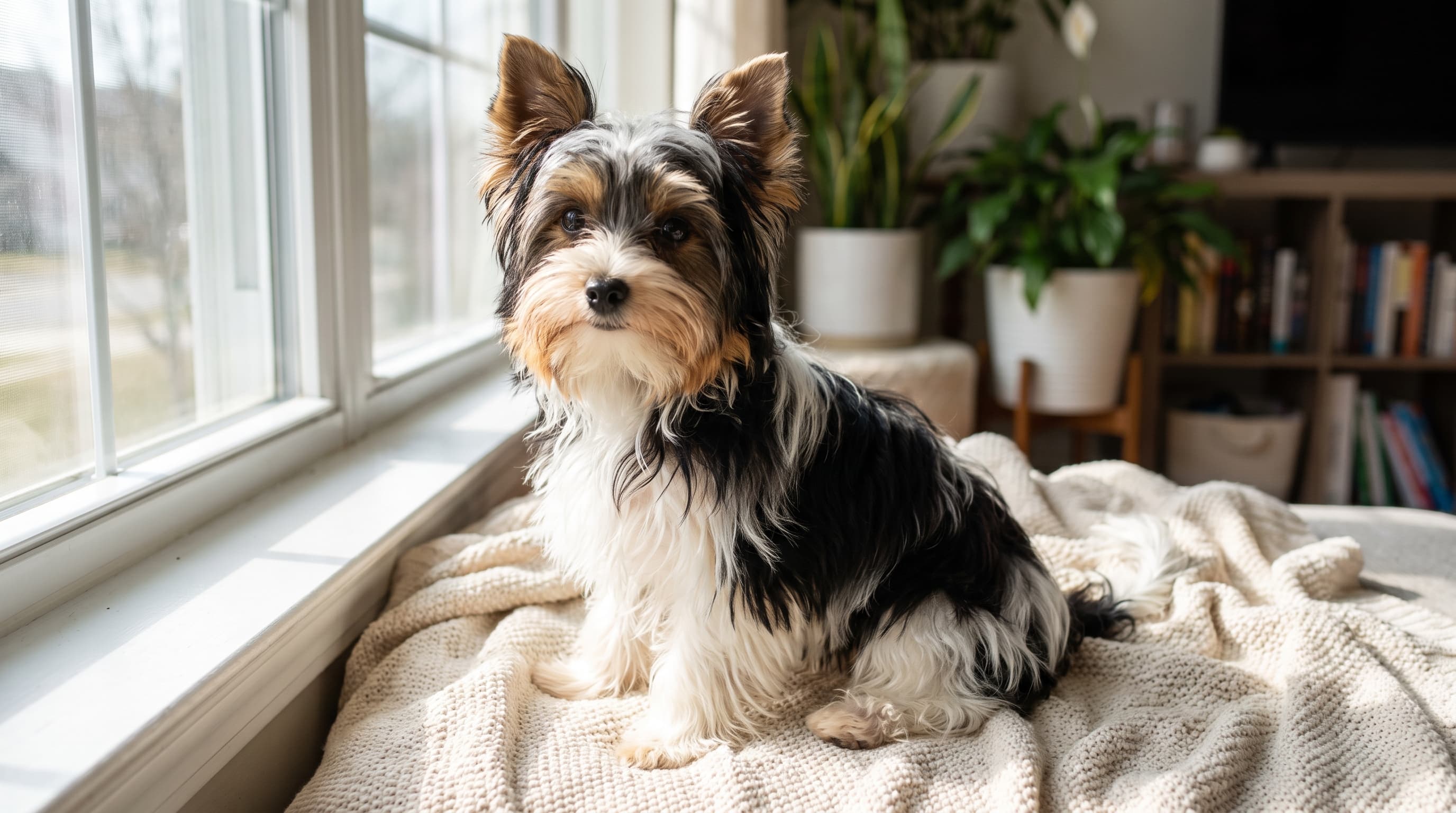
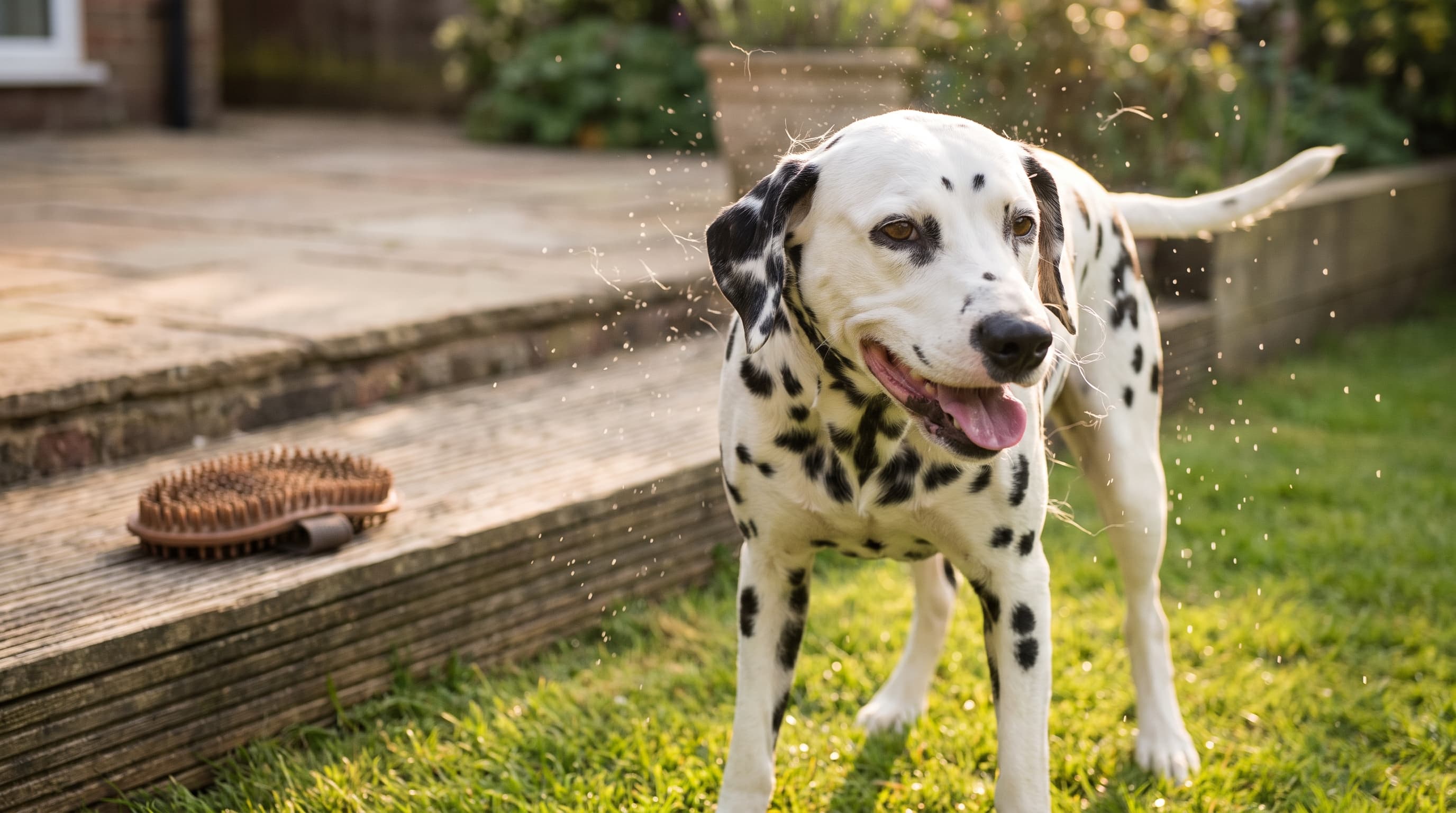
Both pigments are produced by specialized cells called melanocytes and packaged into the growing hair. Whether a hair ends up black, red, or banded with both depends on the signals those melanocytes receive as the coat grows — which is exactly what the color genes control. This is also why a dog's coat can change over time: many puppies are born one shade and mature into another as pigment production shifts. Dalmatian pups are born pure white and develop their spots later, Yorkshire Terriers fade from black-and-tan toward blue-and-gold, and Kerry Blue Terriers are born black before "clearing" to their signature slate. Age, sun exposure, nutrition, and even certain medications can subtly shift coat color as well.
The Main Dog Coat Colors
Black is the baseline expression of eumelanin — a dense, pure black that can grizzle or gray as a dog ages. Brown, also called liver or chocolate, is eumelanin that has been lightened by the brown gene; think Chocolate Labradors and liver-nosed pointers. Note that a "brown" dog almost always has a brown nose and paw pads, a quick way to tell true liver from a very dark red.
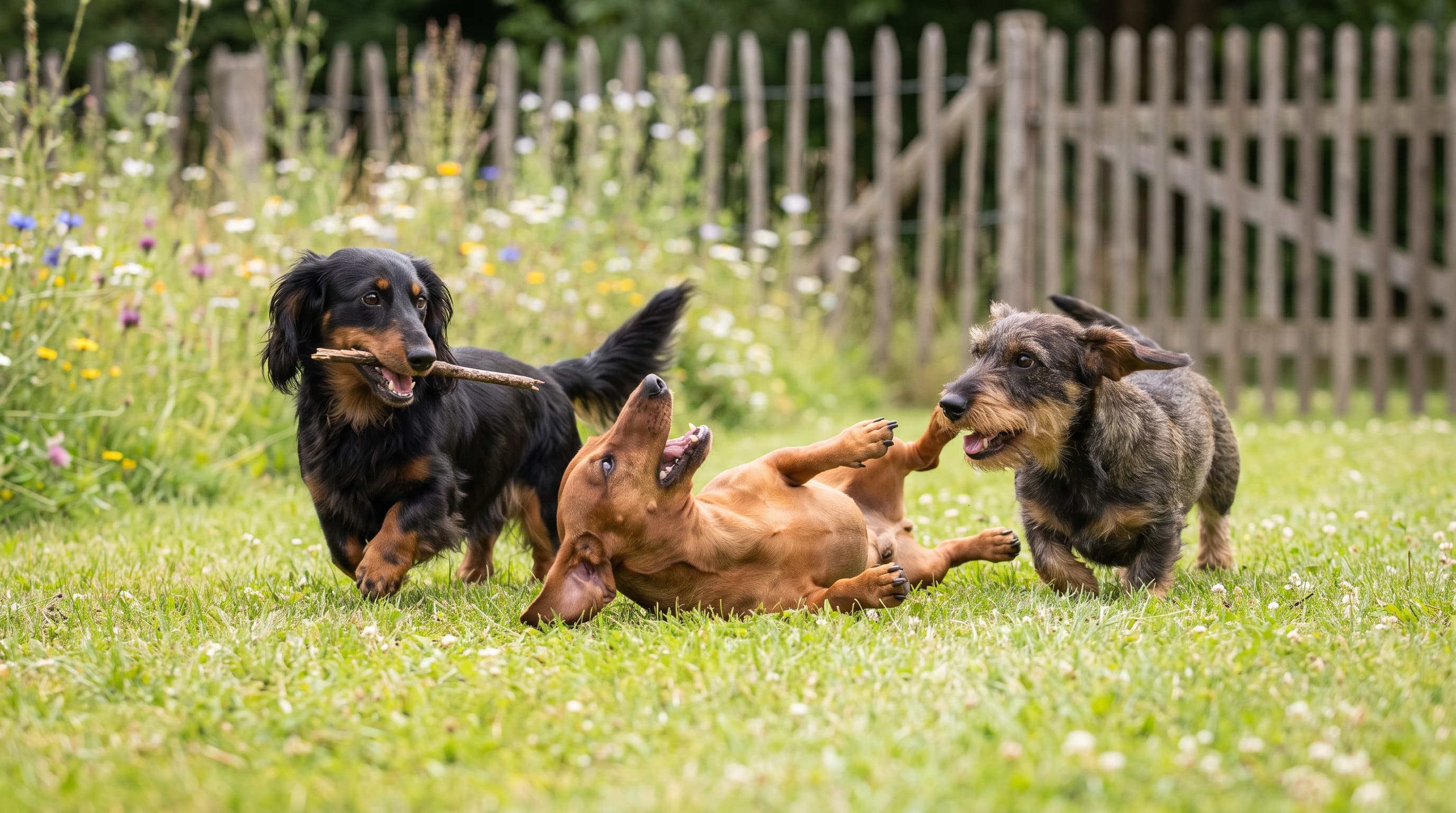
Red and its relatives — gold, yellow, tan, and cream — are all phaeomelanin at different intensities. A rich mahogany Irish Setter, a golden retriever's coat, and a pale cream blonde Dachshund are the same pigment turned up or down. Blue is not truly blue but a cool metallic gray, produced when the dilution gene lightens black; the striking Poodle comes in both true black and diluted blue. Fawn is a light tan coat usually paired with a dark facial mask, and isabella or lilac is diluted liver — the pale, sought-after shade seen in some French Bulldogs and Weimaraners. Finally, white dogs carry dark pigment on the nose, eye rims, and paw pads, which distinguishes them from true albinos.
Dog Coat Patterns Explained
Where colors describe pigment, patterns describe how that pigment is arranged across the body. According to the canine coat reference, the most common patterns include:
- Brindle — irregular vertical "tiger stripes" of dark pigment over a red or fawn base. Explore the many brindle dog breeds in our dedicated guide.
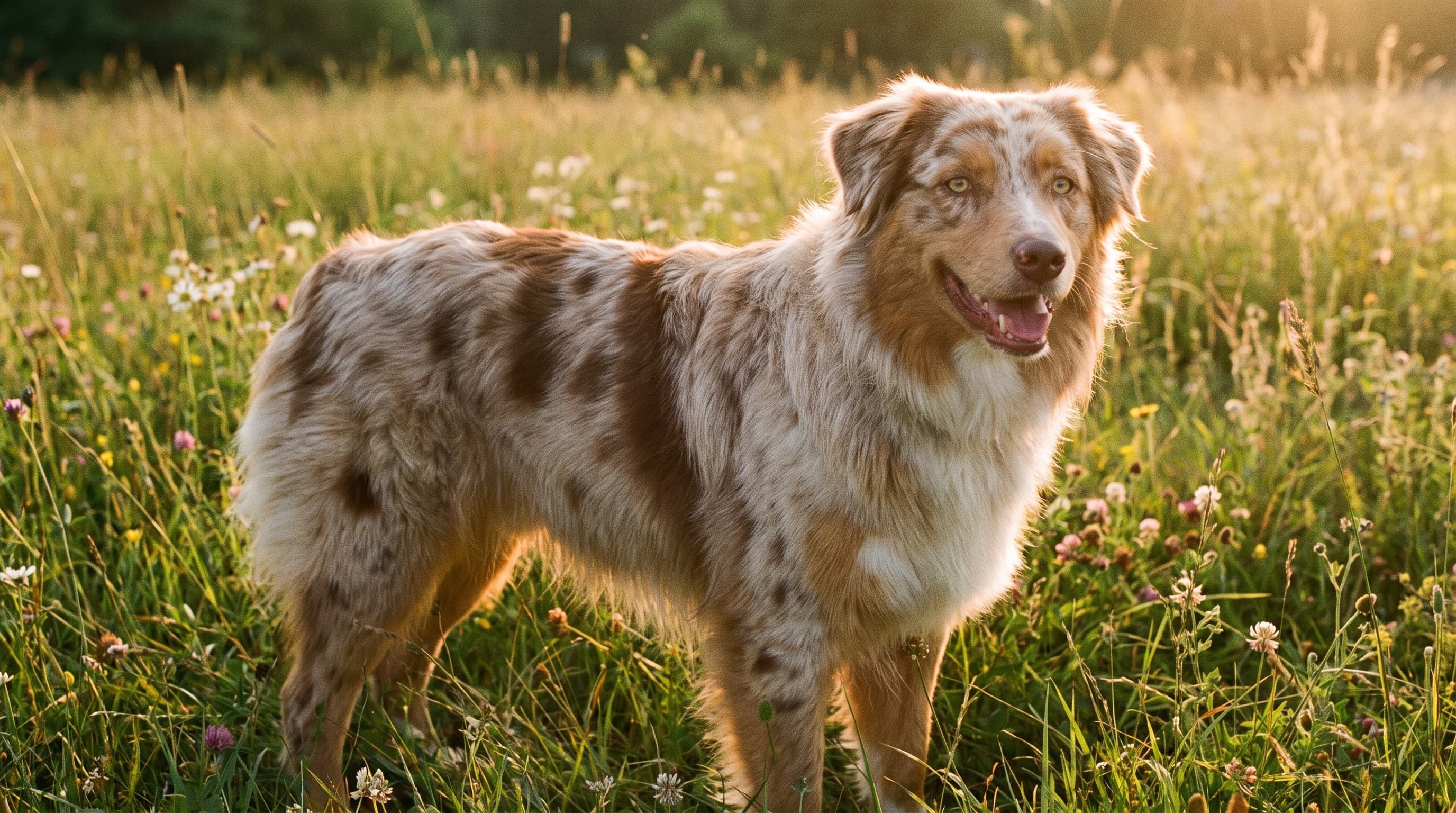
- Merle — a marbled, mottled coat with patches of diluted and full color, seen as blue merle or red merle.
- Sable — individual hairs are red or tan with black tips, giving a shaded, overlaid look common in German Shepherds and Collies.
- Tan points — solid body color with defined tan markings over the eyes, on the cheeks, chest, and legs, as on a classic Doberman or Rottweiler.
- Piebald and tuxedo — large areas of white spotting; a tuxedo pattern leaves a white "shirt front" on the chest.
- Ticking and roan — small flecks or a fine intermingling of colored hairs across white areas, famous in English Setters and Australian Cattle Dogs.
- Saddle and tricolor — a darker "saddle" over the back, or three clearly defined colors such as black, tan, and white.
The Genes That Control Dog Color
Roughly eight major gene locations — called loci — do most of the work of turning two pigments into countless coats, as outlined by Embark Veterinary and canine geneticists. The A (Agouti) locus governs patterns like sable and tan points. The E (Extension) locus controls black masks and whether a dog can produce red or black at all. The K (Dominant Black) locus decides between solid color and brindle. The B (Brown) locus turns black pigment into liver, and the D (Dilute) locus lightens colors into blue and isabella. The M (Merle) locus produces the merle pattern, and the S (Spotting) locus controls white markings. Because these genes interact, two dogs of the same breed can look completely different, and puppies in a single litter can span several colors.
Merle and the Health Risks of Color
Most coat color is purely cosmetic, but merle is the crucial exception every prospective owner should understand. Merle is caused by an incompletely dominant gene, so a standard merle dog carries a single copy. When two merle dogs are bred together, roughly 25% of the litter inherits two copies and becomes a "double merle." As the merle genetics reference documents, double merles have significantly elevated rates of deafness and eye defects, including partial or complete blindness, because the same gene that suppresses pigment also affects cells critical to the inner ear and eye.
The takeaway is not to fear merle dogs — a single-merle blue merle Border Collie is typically perfectly healthy — but to be extremely cautious about merle-to-merle breeding and to buy from breeders who test and pair responsibly. Excessive white from certain spotting genes can carry similar hearing risks. If you're adopting a mostly-white or merle dog, a simple hearing check with your veterinarian is worthwhile.
Does Coat Color Affect a Dog's Health or Personality?
For the vast majority of dogs, color has nothing to do with temperament — a black Lab and a yellow Lab are the same dog in different coats. There are a few pigment-linked exceptions beyond merle: color dilution alopecia can cause thinning coats and flaky skin in some blue and isabella dogs, and dogs with a lot of unpigmented pink skin need more sun protection. But claims that a particular color makes a dog meaner, smarter, or calmer are myths not supported by genetics. Choose a dog for its breed traits, health, and temperament first, and treat color as the tie-breaker it should be.
Rare and Unusual Dog Colors
Some shades command premium prices simply because they're uncommon. Isabella and lilac (double-dilute) coats, merle in breeds where it's unusual, and true blue coats are all relatively rare and often marketed at a premium. Be wary here: "rare color" is a favorite sales pitch of unethical breeders, and in some breeds a fashionable color is produced by risky breeding practices or isn't recognized by the breed standard at all. A rare coat is only a good thing when it comes from a healthy, well-bred dog.
How to Predict a Puppy's Color
Breeders and curious owners often want to know what color a litter will be. Because most color genes follow predictable dominant and recessive rules, a DNA color panel on both parents can forecast the odds of each shade with surprising accuracy — tools like Punnett squares and breeder "pair predictors" turn those odds into percentages. For a pet owner, though, the practical advice is simpler: don't pay a premium chasing a specific color, and never let a breeder pair two merle dogs to hit a fashionable coat. A healthy puppy of a "plain" color is worth far more than a fragile one in a trendy shade. If you're adopting from a shelter, remember that black dogs and black-coated seniors are statistically adopted last — a bias with no basis in temperament, and a chance to give a wonderful dog a home.
Frequently Asked Questions
How many dog colors are there?
There's no single official number, but every dog color is a variation of just two pigments — black eumelanin and red phaeomelanin — modified by about eight genes. That yields dozens of recognized colors and patterns, and countless combinations across breeds.
What is the rarest dog color?
Isabella (lilac), a pale dilute of liver, is among the rarest, along with true blue coats and merle in breeds where it doesn't normally occur. Rarity often reflects recessive genetics rather than superior quality.
What two pigments make all dog colors?
Eumelanin, which is black by default, and phaeomelanin, which is red. Genes lighten, darken, switch, and distribute these two pigments to create every color and pattern you see on a dog.
Is merle a color or a pattern?
Merle is a pattern, not a color. It creates mottled patches over a base color, appearing as blue merle or red merle. Breeding two merle dogs together carries serious health risks for the puppies.
Does a dog's color affect its personality?
No. Coat color is cosmetic and is not linked to temperament. A dog's behavior comes from its breed, individual genetics, socialization, and training, not the color of its fur.
The Bottom Line
From a jet-black Newfoundland to a marbled merle Aussie, every dog color traces back to two pigments and a handful of clever genes. Knowing the difference between a color and a pattern — and understanding when color signals a health concern, as with merle — makes you a sharper, more responsible owner and adopter. Want to know how your dog perceives its own colorful world? Read whether dogs can see in color next, and subscribe to the Daily Wag newsletter for more science-backed dog guides delivered to your inbox.