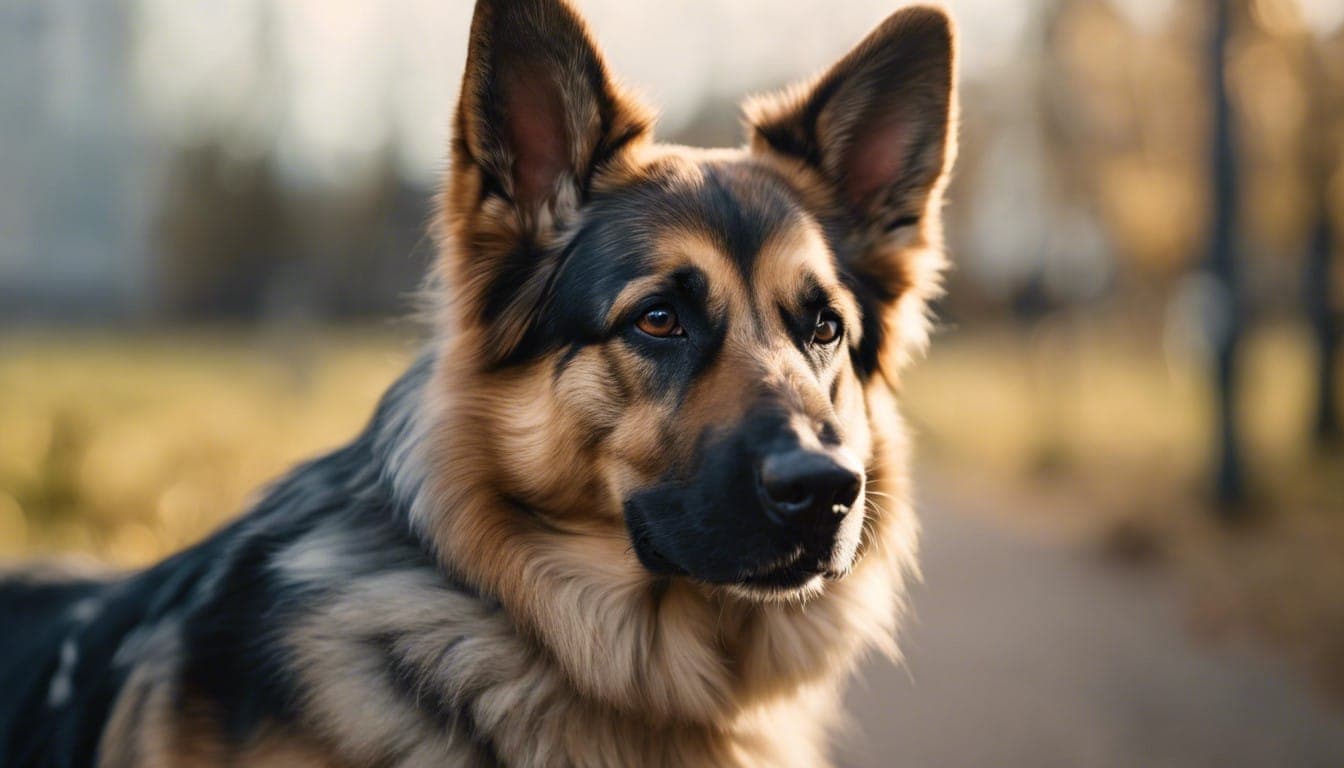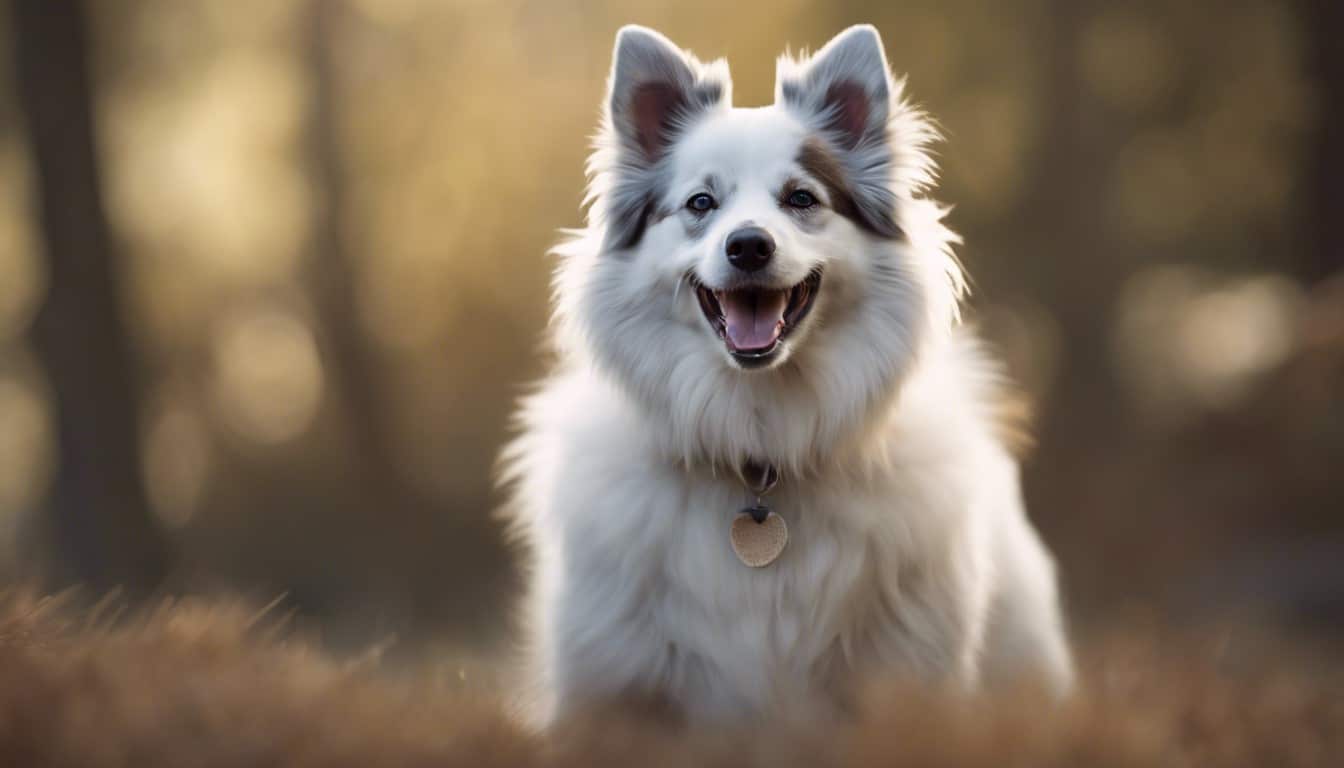

The Border-Aussie is a high-energy hybrid of the Border Collie and Australian Shepherd, prized for its off-the-charts intelligence, athleticism, and devotion to its family. These medium-to-large dogs stand 18–23 inches tall, weigh 30–65 pounds, and live 12–15 years. Bred from two elite herding lines, they need serious daily exercise and mental work — making them ideal for active homes and a poor match for couch potatoes.
What Is a Border-Aussie?
The Border-Aussie (sometimes called the Border Aussie or Aussie Collie) is a designer crossbreed that combines two of the most capable working dogs in the world: the Border Collie and the Australian Shepherd. Both parent breeds were developed to move livestock across demanding terrain, and the result is a dog with tremendous drive, problem-solving ability, and stamina.
As a first-generation hybrid, the Border-Aussie isn't recognized as a standardized breed by major registries, so individual dogs can lean more toward one parent than the other. What stays consistent is the temperament recipe: brilliant, energetic, eager to work, and deeply bonded to their people. If you've ever admired how these two breeds compare head-to-head, our guide on the Border Collie vs. Australian Shepherd is a useful companion read for understanding what your Border-Aussie inherits.
Border-Aussie Appearance and Size
Border-Aussies are athletic, well-proportioned dogs built for endurance rather than bulk. Most fall into the medium-to-large range:
- Height: 18–23 inches at the shoulder
- Weight: 30–65 pounds, depending on parentage and sex
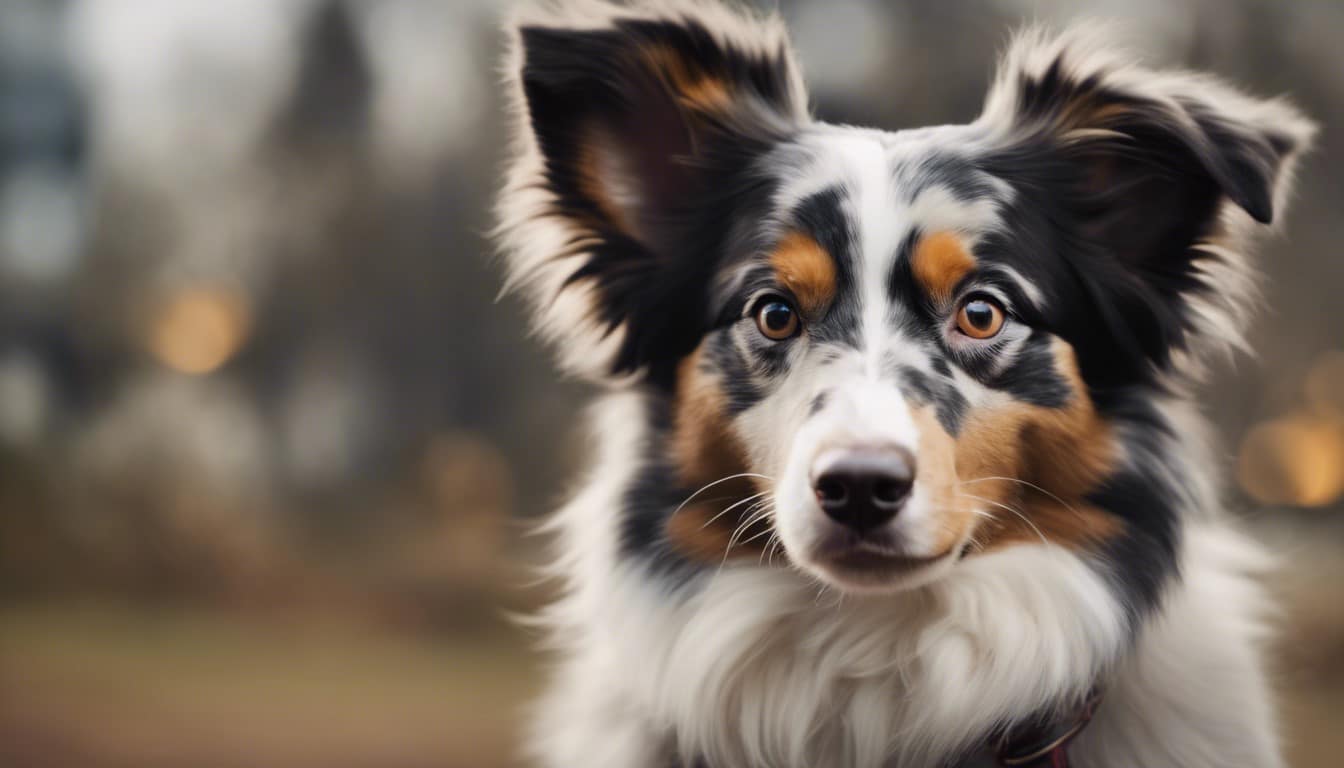
- Coat: Medium-length double coat that's weather-resistant and moderately shedding
- Colors: Black and white, red merle, blue merle, tricolor, and red and white are all common
- Eyes: Brown, amber, blue, or even two different colors (heterochromia), a striking trait inherited from the Australian Shepherd
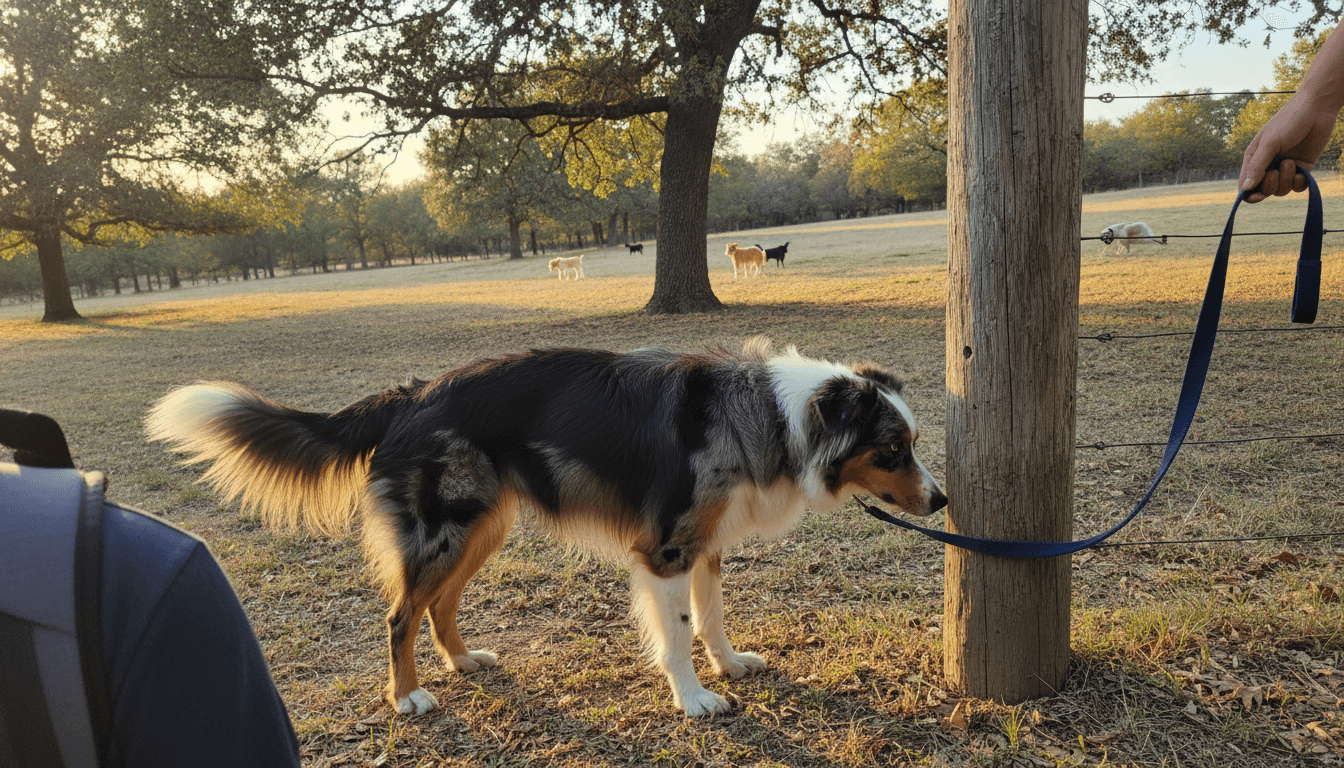
The double coat blows seasonally — expect heavier shedding in spring and fall — and some Border-Aussies carry the Aussie's naturally bobbed or docked tail while others have a full brush tail like the Border Collie.
Temperament and Personality
If you want a dog that thinks, the Border-Aussie delivers. Both the Border Collie and Australian Shepherd routinely rank among the most intelligent dog breeds, and their cross is no exception. Border-Aussies are quick studies who thrive on jobs, games, and problem-solving. They form intense bonds with their families and are often affectionate, playful, and loyal to a fault.
That intelligence comes with a caveat: a bored Border-Aussie is a destructive Border-Aussie. Without enough physical and mental stimulation, these dogs invent their own entertainment — digging, chewing, barking, or fixating on movement. Their strong herding instinct can also show up as nipping at heels, especially with children, running pets, or bicycles. Early socialization and consistent training channel these instincts productively.
Border-Aussies generally do well with children and other dogs when raised with them, though their herding drive means supervision and boundaries matter. They tend to be reserved or watchful with strangers, which makes them alert (if not aggressive) watchdogs.
Exercise and Mental Stimulation Needs
This is the single most important thing to understand before bringing home a Border-Aussie: they need a lot of exercise. Plan on a minimum of 1–2 hours of vigorous activity every day, plus mental enrichment on top of that. Great outlets include:
- Long runs, hikes, or bike rides
- Fetch, flirt-pole play, and frisbee
- Dog sports like agility, flyball, disc, and herding trials
- Puzzle feeders and scent games
- Obedience and trick training sessions
Because both parent breeds were bred to work all day, a quick walk around the block won't cut it. Border-Aussies excel at canine sports precisely because they crave a job. For inspiration on burning that energy productively, our tips on the best ways to get your dog's energy out fast are tailor-made for high-drive breeds like this one.
Training a Border-Aussie
Border-Aussies are among the easiest dogs to train in terms of raw ability — they learn commands quickly and remember them well. The challenge isn't teaching them; it's keeping them engaged and channeling their sensitivity correctly. Use positive reinforcement, keep sessions short and varied, and start early. Harsh corrections tend to backfire with these sensitive, intelligent dogs.
Prioritize socialization from puppyhood, exposing your Border-Aussie to different people, animals, sounds, and environments. Address the herding instinct proactively by redirecting nipping onto appropriate toys and games. Because they bond so closely, they're prone to separation anxiety if left alone too long — crate training and gradual alone-time practice help. If you love the intelligence but want a lower-shedding option, doodle crosses like the Bordoodle and Aussiedoodle share much of the same brainpower.
Health and Lifespan
Border-Aussies are generally healthy and benefit from hybrid vigor, with a typical lifespan of 12 to 15 years. Still, they can inherit conditions common to both parent breeds, so it's worth knowing what to watch for and buying from a breeder who health-tests. Common concerns include:
- Hip and elbow dysplasia: Joint malformations that can cause pain and arthritis, especially in active dogs. VCA Animal Hospitals explains how screening and weight management reduce the impact.
- Eye conditions: Both parent breeds are prone to inherited eye disease, including Collie Eye Anomaly, a developmental condition detailed by VCA Animal Hospitals, as well as progressive retinal atrophy.
- Epilepsy: Seizure disorders occur in both lines. VCA Animal Hospitals notes that many epileptic dogs live full lives with proper management.
- MDR1 gene sensitivity: Herding breeds can carry a gene mutation affecting how they process certain medications, so tell your vet your dog is a herding cross.
- Deafness: More common in merle-to-merle breedings, which responsible breeders avoid.
Routine vet care, a quality diet, joint-friendly exercise, and keeping your dog at a lean weight go a long way toward a long, healthy life. Always ask breeders for documentation of hip, eye, and genetic screening on both parents.
Grooming and Care
The Border-Aussie's double coat needs regular attention but isn't high-maintenance. Brush two to three times a week — and daily during seasonal shedding — to control loose hair and prevent matting behind the ears and legs. Bathe only as needed, trim nails every few weeks, clean ears regularly to prevent infection, and keep up with dental care. Avoid shaving the double coat, which protects against both heat and cold.
Is the Border-Aussie Right for You?
A Border-Aussie thrives with an active individual or family who can commit to daily exercise, ongoing training, and plenty of companionship. They're a dream dog for runners, hikers, dog-sport enthusiasts, and rural or suburban homes with space to move. They are not a good fit for apartment dwellers with sedentary routines, people who are away long hours, or first-time owners unprepared for a high-drive working dog. Give a Border-Aussie a job and a bonded human, though, and you'll have one of the most capable, loving, and impressive companions in the canine world.
Frequently Asked Questions
How big does a Border-Aussie get?
Border-Aussies are medium-to-large dogs, typically standing 18 to 23 inches tall and weighing 30 to 65 pounds, depending on which parent they take after.
Are Border-Aussies good family dogs?
Yes, in active families. They're affectionate and loyal, but their high energy and herding instinct mean they do best with older kids, plenty of exercise, and early training and socialization.
Do Border-Aussies shed a lot?
They're moderate shedders year-round with heavier seasonal blowouts in spring and fall. Regular brushing two to three times a week keeps shedding manageable.
How much exercise does a Border-Aussie need?
A lot — at least 1 to 2 hours of vigorous daily activity plus mental stimulation. These dogs were bred to work all day and become destructive when under-exercised.
How long do Border-Aussies live?
With good care, Border-Aussies typically live 12 to 15 years. Buying from a breeder who health-tests both parents helps reduce the risk of inherited conditions.
The Bottom Line
The Border-Aussie is a brilliant, athletic, deeply devoted crossbreed that rewards active owners with loyalty, versatility, and near-endless enthusiasm. Meet their considerable exercise and mental needs and you'll have an extraordinary partner for hiking, sports, and everyday adventures. Fall short on stimulation, and that same drive turns into trouble — so be honest about your lifestyle before you commit.
Curious about the parent breeds? Dive into our full guides to the Border Collie and the Australian Shepherd, and subscribe to the Daily Wag newsletter for weekly breed profiles and training tips.