
Bulloxer: The Complete Guide to the Boxer–American Bulldog Mix
The Bulloxer is a large, muscular crossbreed that pairs the Boxer with the American Bulldog. Typically weighing 50–90 pounds and standing 20–27 inches tall, these dogs are powerful, loyal, and playful family guardians. They need firm early training, daily exercise, and lots of togetherness, and they live about 10–14 years. Their short coats make grooming easy.
Cross the athletic, clownish Boxer with the strong, protective American Bulldog and you get the Bulloxer — a big-hearted powerhouse that bonds fiercely with its family. This is a dog with real strength and drive, best matched to owners who can meet its exercise and training needs. Here is a modern, honest look at what sharing your home with a Bulloxer involves.
Bulloxer at a Glance
- Size: Medium to large
- Weight: 50–90 lbs
- Height: 20–27 inches at the shoulder
- Lifespan: 10–14 years
- Coat: Short, smooth, low-maintenance
- Color: Brindle, fawn, white, or combinations
- Temperament: Loyal, protective, playful, affectionate
- Energy level: High
- Best for: Active homes with space, experienced owners, families with older children
What Is a Bulloxer?
The Bulloxer is a first-generation cross between two muscular working-type breeds. The Boxer brings loyalty, intelligence, a strong work ethic, and a famously playful, "eternal puppy" spirit — the AKC calls the breed "the whole doggy package." The American Bulldog contributes strength, endurance, agility, and a confident, friendly-yet-protective nature.
As a mixed breed, the Bulloxer has no official kennel-club standard, so appearance and temperament can vary from dog to dog and even within a litter. Some lean leaner and more athletic like the Boxer; others are broader and more powerful like the American Bulldog. Knowing both parent breeds is the best way to anticipate what your Bulloxer will be like.
Appearance and Coat
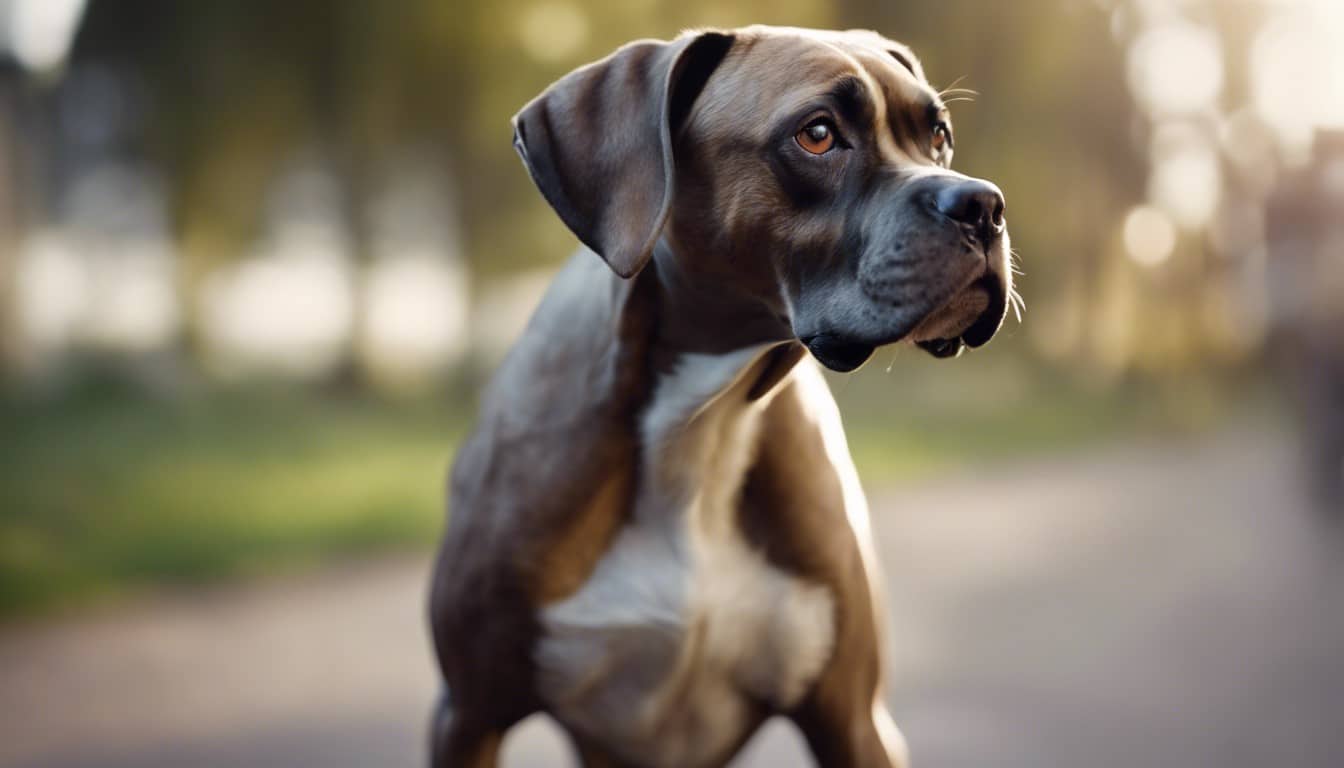
Bulloxers are strong, athletic dogs with a broad head, muscular build, deep chest, and an alert, expressive face. They usually inherit a short, smooth coat in brindle, fawn, white, or mixed patterns. Many show the Boxer's slightly shortened muzzle, though typically less extreme than a purebred Boxer's.
That short coat is a grooming win — a weekly brush and the occasional bath keep it healthy. It does, however, offer little protection from temperature extremes, so Bulloxers need shelter from cold and shade and water in the heat. Dogs that lean toward a flatter, more brachycephalic muzzle can be more heat-sensitive, so watch closely during summer exercise.
Temperament and Personality
Bulloxers are devoted, affectionate family dogs that thrive on being part of daily life. They tend to be playful and goofy — a nod to the Boxer's forever-young streak — while also being naturally watchful and protective thanks to the American Bulldog. Well-raised Bulloxers are gentle and loving with their people and often form especially close bonds with children they grow up alongside.
Their protective instinct makes early, thorough socialization essential. Exposing a Bulloxer puppy to many people, dogs, and situations builds a confident, discerning adult rather than an overly wary one. Their strength and drive also mean they are not ideal for people who cannot provide leadership and structure; these are powerful dogs that need to learn manners early. As with any large, strong dog, supervise interactions with very young children to prevent accidental knocks.
Exercise Requirements
This is an athletic, high-energy crossbreed that needs substantial daily exercise — plan on at least an hour, split between brisk walks, jogging, fetch, tug, and vigorous play. A Bulloxer that does not get enough physical and mental outlet can become bored, destructive, or difficult to manage, simply because it has power and energy with nowhere to go.
Mental work matters just as much as physical. These smart dogs benefit from training games, puzzle feeders, and jobs to do. A securely fenced yard is a big plus given their size and strength, but exercise and engagement — not just yard access — are what keep a Bulloxer balanced. Avoid intense exercise in peak heat, especially for shorter-muzzled individuals.
Training a Bulloxer
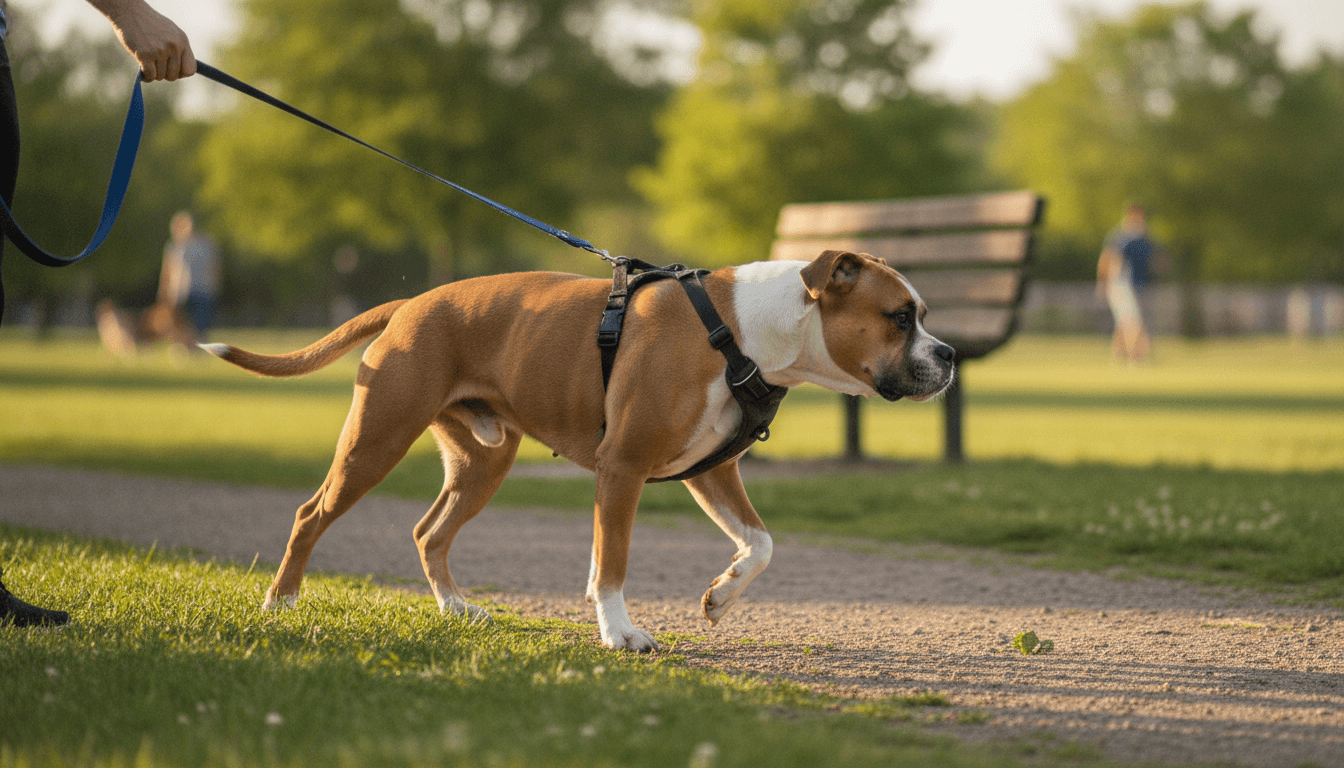
Bulloxers are intelligent and eager to please, but they can also be strong-willed, so training should start in puppyhood and stay consistent. Positive, reward-based methods work best: these dogs respond to praise, play, and treats far better than to harsh corrections, which can erode trust in a powerful, protective breed. Focus early on leash manners (a strong dog that pulls is a real challenge), reliable recall, impulse control, and calm greetings.
Given their size and guarding instinct, obedience training is not optional — it is the foundation of a safe, well-mannered adult. Puppy classes, ongoing socialization, and clear household rules set a Bulloxer up to be the confident, controllable companion the breed can be at its best.
Health and Lifespan
Bulloxers generally live 10 to 14 years and are typically sturdy, but as a cross of two muscular breeds they can inherit certain conditions. Prospective owners should be aware of:
- Hip and elbow dysplasia, common in large breeds; the AKC explains hip dysplasia occurs when the joint develops improperly, leading to arthritis.
- Heart conditions, which the Boxer line is particularly known for, warranting periodic veterinary heart checks.
- Bloat (gastric dilatation-volvulus), a life-threatening emergency in deep-chested dogs — feeding smaller meals and avoiding hard exercise right after eating helps reduce risk.
- Allergies and skin issues; the AKC notes allergic skin disease can cause itching and recurrent infections.
- Obesity, which VCA describes as excess body fat that stresses joints and shortens lifespan — a real risk given this breed's appetite.
This is general information and not a substitute for veterinary care. A responsible breeder should health-test both parents (hips, heart, and more), and every Bulloxer should have regular checkups. Consult your veterinarian about your individual dog.
Grooming and Care
Grooming a Bulloxer is straightforward. Their short coat needs only a weekly brush with a rubber curry or bristle brush to control shedding and keep the skin healthy, plus a bath every few weeks or as needed. If your dog has facial wrinkles or skin folds from the Boxer side, wipe them gently and keep them dry to prevent irritation.
Complete the routine with regular nail trims, weekly ear checks and cleaning, and teeth brushing several times a week. Because Bulloxers can drool and are prone to weight gain, monitor both diet and dental health closely.
Feeding a Bulloxer
Feed a high-quality diet formulated for large, active dogs, portioned to your Bulloxer's age, weight, and activity level. These are big, muscular dogs with hearty appetites, so measure meals rather than free-feeding to prevent obesity. To help reduce bloat risk in a deep-chested breed, split the daily ration into two or three meals, use a slow-feeder bowl if your dog eats fast, and avoid vigorous activity for about an hour before and after eating. Keep treats to no more than 10% of daily calories, and always provide fresh water.
Is a Bulloxer Right for You?
A Bulloxer is a superb companion for an active, experienced household with space and time to invest. They reward committed owners with loyalty, protectiveness, and a playful, affectionate spirit. They are not the right fit for first-time owners unprepared for a strong, high-drive dog, apartment dwellers without a serious exercise plan, or people who are away from home for long stretches. Meet their needs for training, exercise, and companionship, though, and you will have a devoted guardian and friend for a decade or more.
Frequently Asked Questions
How big does a Bulloxer get?
Bulloxers are medium-to-large dogs, typically weighing 50 to 90 pounds and standing 20 to 27 inches at the shoulder, depending on which parent breed they favor.
Are Bulloxers good family dogs?
Yes, well-socialized Bulloxers are loyal, affectionate, and protective family dogs that bond closely with their people. Their size and strength mean interactions with very young children should be supervised.
How much exercise does a Bulloxer need?
Plan on at least an hour of vigorous daily exercise plus mental enrichment. Without enough activity, this powerful, high-energy dog can become bored and difficult to manage.
How long do Bulloxers live?
With good care, Bulloxers generally live 10 to 14 years. Routine veterinary care, a healthy weight, and attention to heart and joint health support a long life.
Are Bulloxers easy to train?
They are intelligent and eager to please but can be strong-willed, so consistent, positive, reward-based training from puppyhood is essential — especially leash manners and socialization given their size and guarding instinct.
Do Bulloxers shed a lot?
They are moderate shedders with short, low-maintenance coats. A weekly brushing controls loose hair, and occasional baths keep the coat and skin healthy.
The Bottom Line
The Bulloxer blends the Boxer's playful loyalty with the American Bulldog's strength and protectiveness into a devoted, athletic family guardian. They need experienced, active owners who can provide firm training, daily exercise, and plenty of companionship — and for the right home, they return that investment with years of affection and steadfast loyalty.
Considering other powerful mixes and bulldog-type breeds? Explore our guides to the American Bulldog and the Boxerdoodle to compare. For more breed spotlights and big-dog care tips, subscribe to the Daily Wag newsletter.