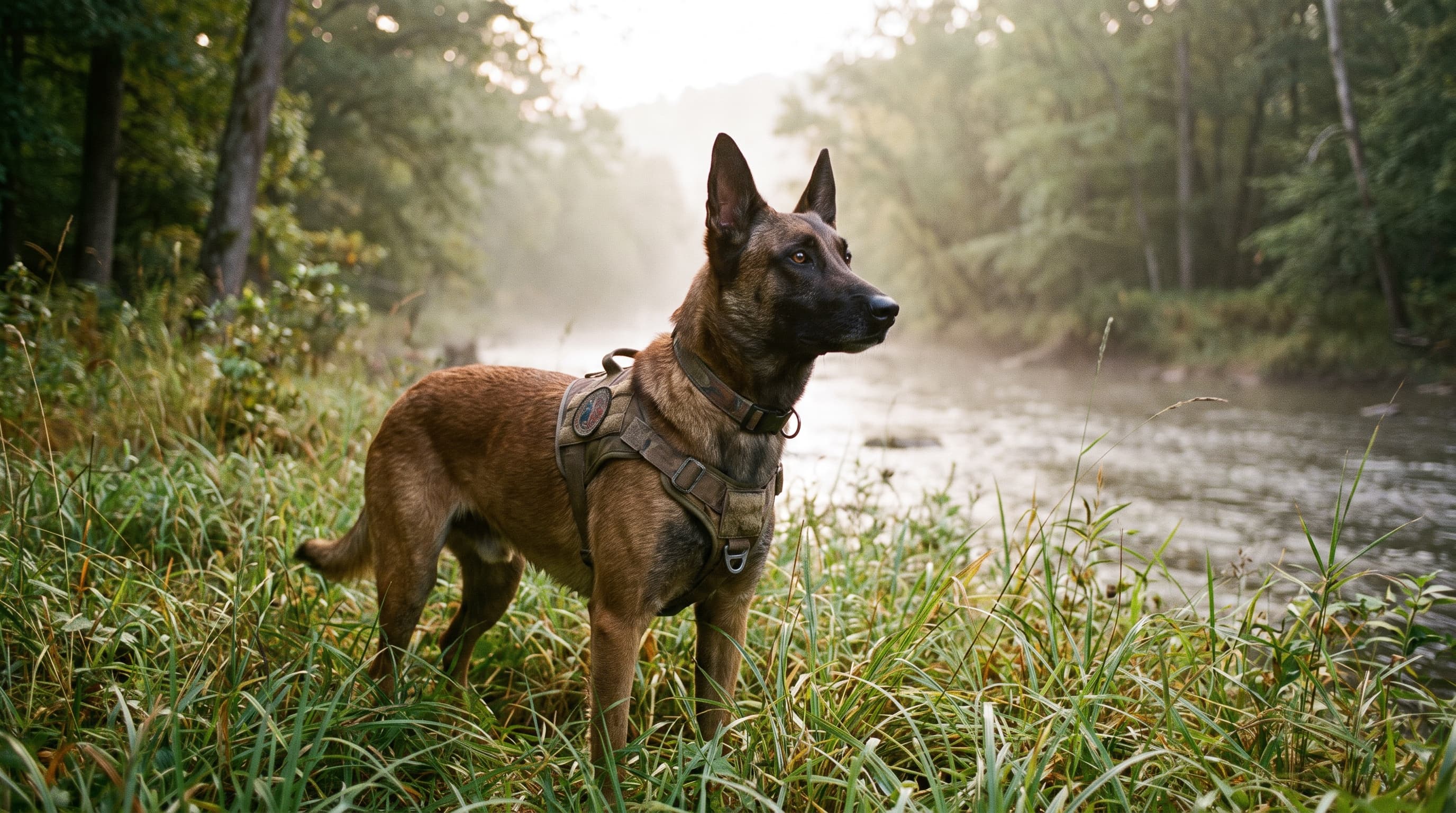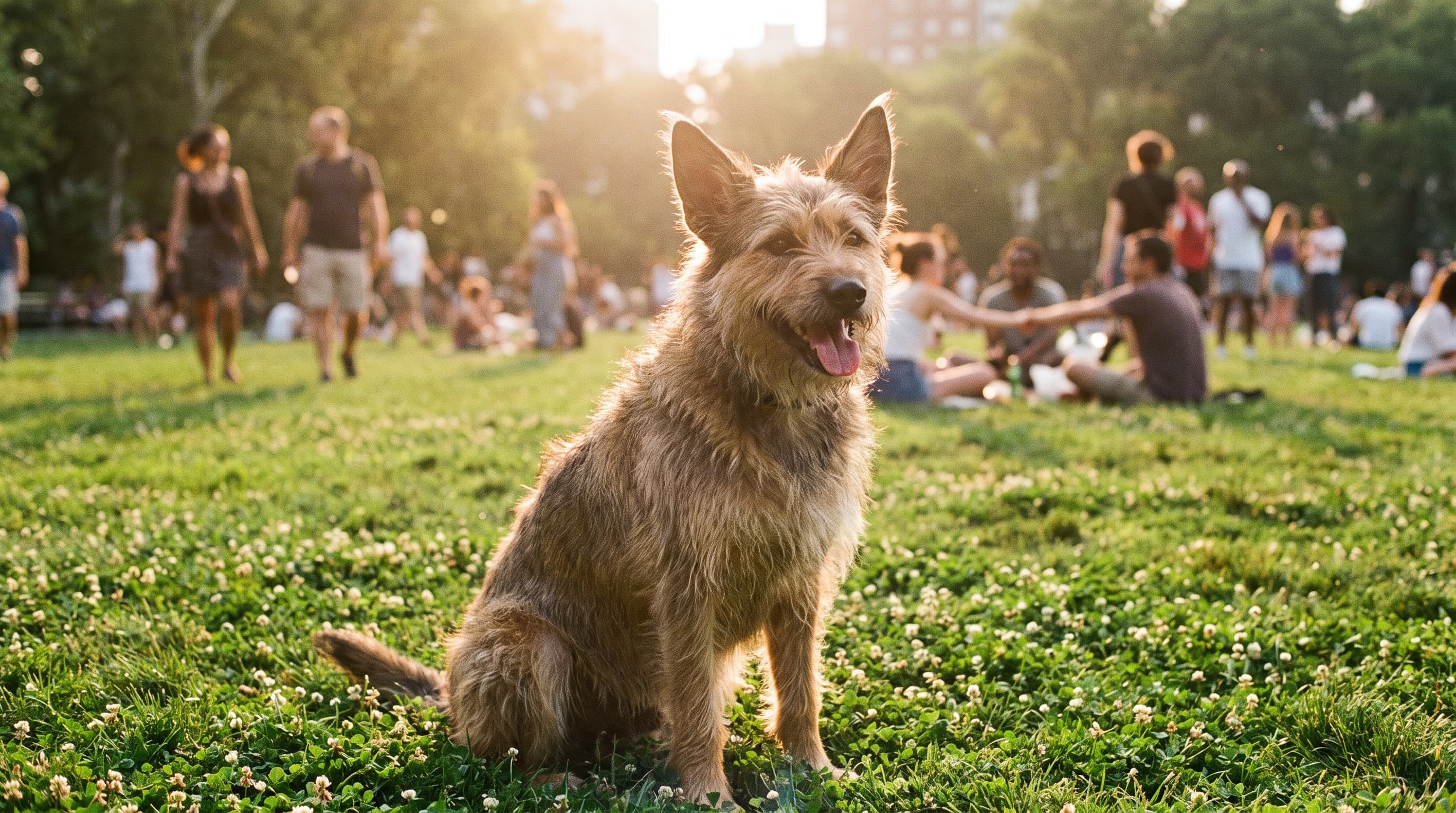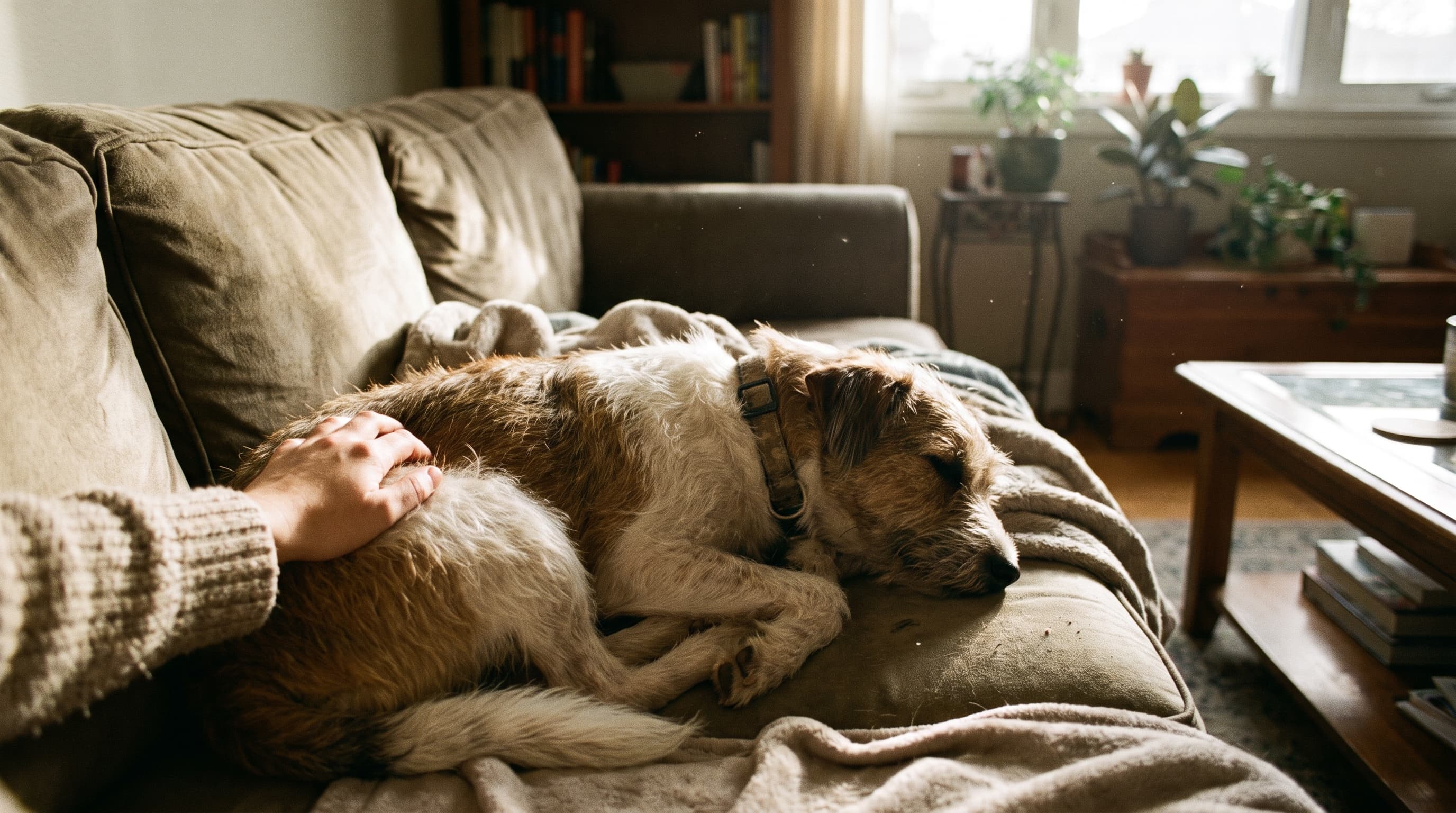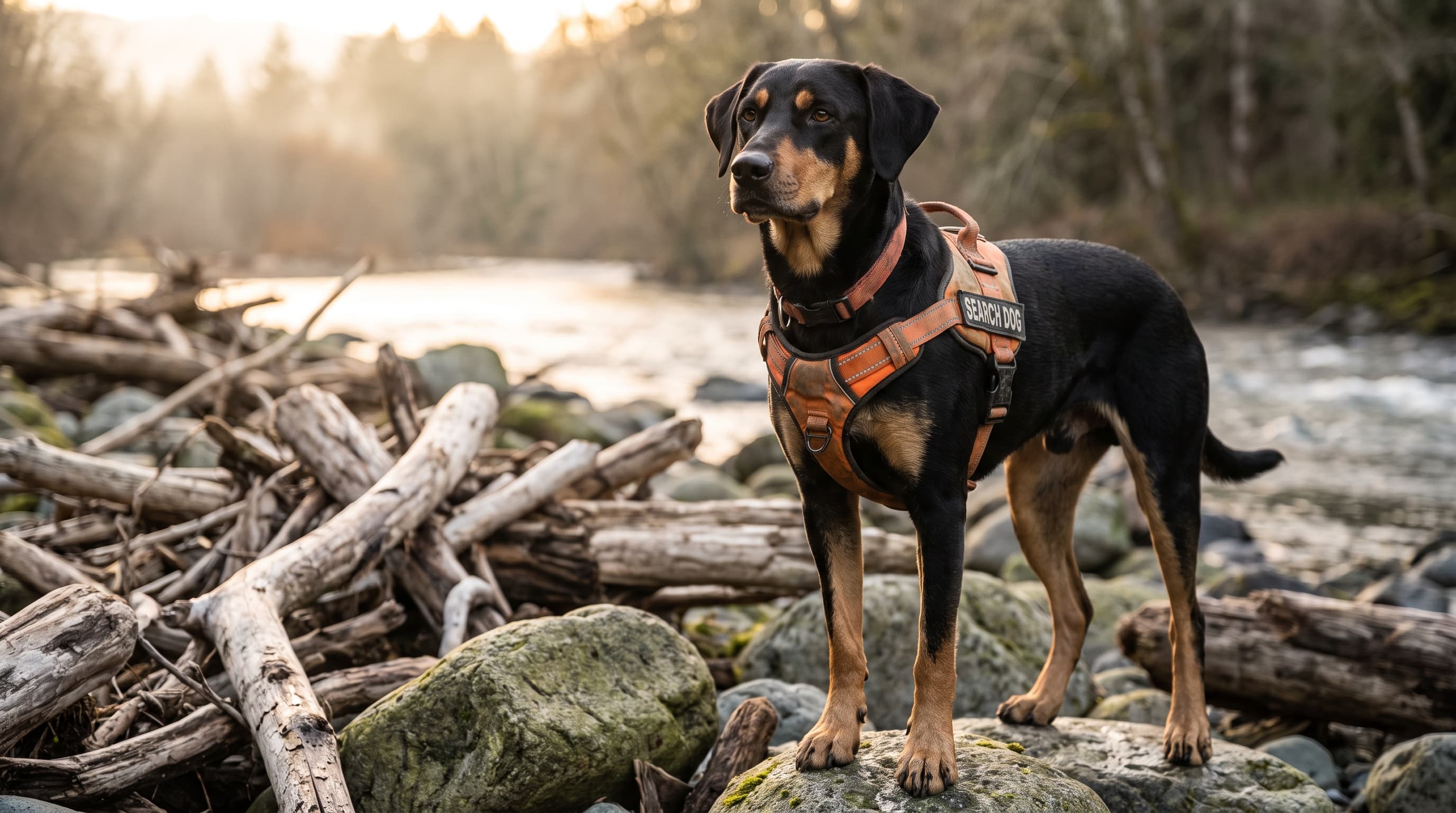

Five years ago, a lanky, lab-like dog was picked up as a stray wandering Mississippi and dropped at a county shelter, his future as uncertain as any dog's behind a chain-link kennel door. This month, that same dog — now known as Canyon — was named the American Society for the Prevention of Cruelty to Animals' 2026 Dog of the Year. The honor arrives just as dog lovers across the country mark National Dog Week, and Canyon's story is a reminder of exactly why the observance exists: to celebrate what dogs do for us, and to fight for the ones still waiting for a chance.
Canyon didn't just get adopted. He became one of the most decorated search-and-rescue K9s in Texas, spending more than 90 days searching for flood victims along the Guadalupe River in the summer of 2025. Here's how a shelter stray became a national hero — and what his journey means for the millions of adoptable dogs who never make headlines.
From a Mississippi shelter kennel to a working K9
Canyon's story began in 2021, when he arrived as a stray at the Hancock County Animal Shelter on the Mississippi Gulf Coast. He might have been just another hard-to-place shelter dog, except that a handler with a Texas nonprofit spotted something in him: an off-the-charts drive to work and a nose that wouldn't quit.
That handler was scouting for the kind of dog most families overlook. High-energy, intensely focused dogs can be a handful in a living room, but those same traits are gold in a search-and-rescue prospect. Canyon was pulled from the shelter by Category 5 K9, a Texas nonprofit founded in 2019 by three canine handlers from Texas A&M Task Force 1. The group runs a program called "Shelter to Search," which identifies dogs with the temperament to become search dogs and channels their energy into lifesaving work instead of a return trip to the shelter.
After months of medical care and training, Canyon proved he had the goods. In 2023 he earned dual certifications: one in human remains detection through FEMA, and another in wilderness operations through the International Police Work Dog Association. Today he lives in Lytle, Texas, just southwest of San Antonio, and works alongside his handler, Christy, as a member of Texas A&M Task Force 1 — one of the country's premier urban search-and-rescue teams.
90 days on the Guadalupe River
Canyon's defining assignment came after the catastrophic July 4, 2025 flood in the Texas Hill Country, when the Guadalupe River rose with terrifying speed and swept through communities and summer camps near Kerrville. In the weeks and months that followed, Canyon spent more than 90 days working the riverbanks and debris fields, helping recovery teams locate victims and bring answers to grieving families.
It is grueling, heartbreaking work. Search dogs and their handlers put in long days in punishing terrain and heat, often with no guarantee of what they'll find. For the families of the missing, though, a well-trained dog can mean the difference between endless uncertainty and the closure that lets them begin to grieve. That is the quiet, unglamorous side of the job that rarely makes the news — and it is exactly what the ASPCA wanted to recognize.
Maui, Helene, and a career built on second chances
The Guadalupe deployment wasn't Canyon's first major disaster. Over the course of his career he has also responded to the Maui wildfires and Hurricane Helene, and he has assisted law enforcement with missing-persons and homicide investigations. In each case, the same shelter dog nobody claimed in 2021 has helped strangers find the people they love.
"From shelter dog to highly trained working canine, Canyon exemplifies the resilience, dedication and lifesaving impact that dogs can have when given a second chance," the ASPCA said in announcing its 2026 Humane Awards. Canyon and the other honorees will be celebrated at the ASPCA's annual Humane Awards Luncheon at The Plaza Hotel in New York City on October 8, 2026.
He's in remarkable company. This year's award class also includes the Colorado Rapid Avalanche Deployment team, an NYPD Mounted Unit detective, and — in a tribute that has moved animal lovers nationwide — a young Camp Mystic camper honored for her lifelong devotion to animals. The through-line among all of them is a belief that a lot of Sidewalk Dog readers share: the bond between people and animals can change, and sometimes save, lives.
Why "Shelter to Search" matters for ordinary dogs
It's easy to read Canyon's story as a one-in-a-million fluke. It isn't. Programs like Category 5 K9's "Shelter to Search" exist precisely because shelters are quietly full of dogs whose intensity gets them labeled "too much" for a typical home — dogs who ricochet off the walls, obsess over a tennis ball, and never seem to tire. Those are often the exact dogs that wash out of adoption and end up euthanized.
Give that same dog a job, and everything changes. Search-and-rescue, detection, and sport-dog programs have increasingly turned to shelters and rescues as a talent pool, rerouting high-drive dogs toward work that fits their wiring. Not every energetic shelter dog is destined to be a FEMA-certified K9, of course. But Canyon is proof that "difficult" is often just "underemployed," and that the right match can turn a shelter surrender into a national hero.
For the average adopter, the lesson is gentler but just as real: the shy, the bouncy, and the overlooked dogs at your local shelter each have something to offer the right person. If you've ever wondered whether a high-energy dog could fit your life, understanding what actually drives your dog's behavior is the first step — and it's a great excuse to learn how your dog really communicates.
How to honor dogs like Canyon during National Dog Week
Canyon's award landed at a fitting moment. National Dog Week, observed during the last full week of September, was founded back in 1928 by Captain William Judy — a dog writer and publisher who wanted to improve canine welfare and educate owners about responsible care. Nearly a century later, its mission still fits Canyon's story like a well-worn collar.
You don't need a FEMA certification to make the week count. A few ways to celebrate that would make Captain Judy — and Canyon — proud:
- Support a search-and-rescue or shelter nonprofit. Groups like Category 5 K9 rely on donations and volunteers to pull, train, and care for working dogs. Your local shelter needs the same.
- Consider the overlooked dog. If you're ready to adopt, ask your shelter about the high-energy dogs that struggle to get noticed. With structure and a job to do, they often become the most rewarding companions.
- Volunteer or foster. Even walking shelter dogs a few hours a week helps them stay adoptable — and helps staff spot the standouts, exactly the way Canyon was spotted.
- Give your own dog a purpose. Scent games, trick training, and long adventure walks channel your dog's energy the same way real work channels Canyon's. A tired dog is a happy dog.
Canyon's road from a Mississippi shelter to the Guadalupe River is extraordinary. But the thing that started it all — someone taking a chance on a dog nobody else wanted — happens in shelters every single day. This National Dog Week, that's worth celebrating.
For more heartwarming dog stories, science-backed care guides, and the occasional very good boy, keep it locked to Sidewalk Dog — and sign up for our newsletter so the best dog news of the week trots straight to your inbox.