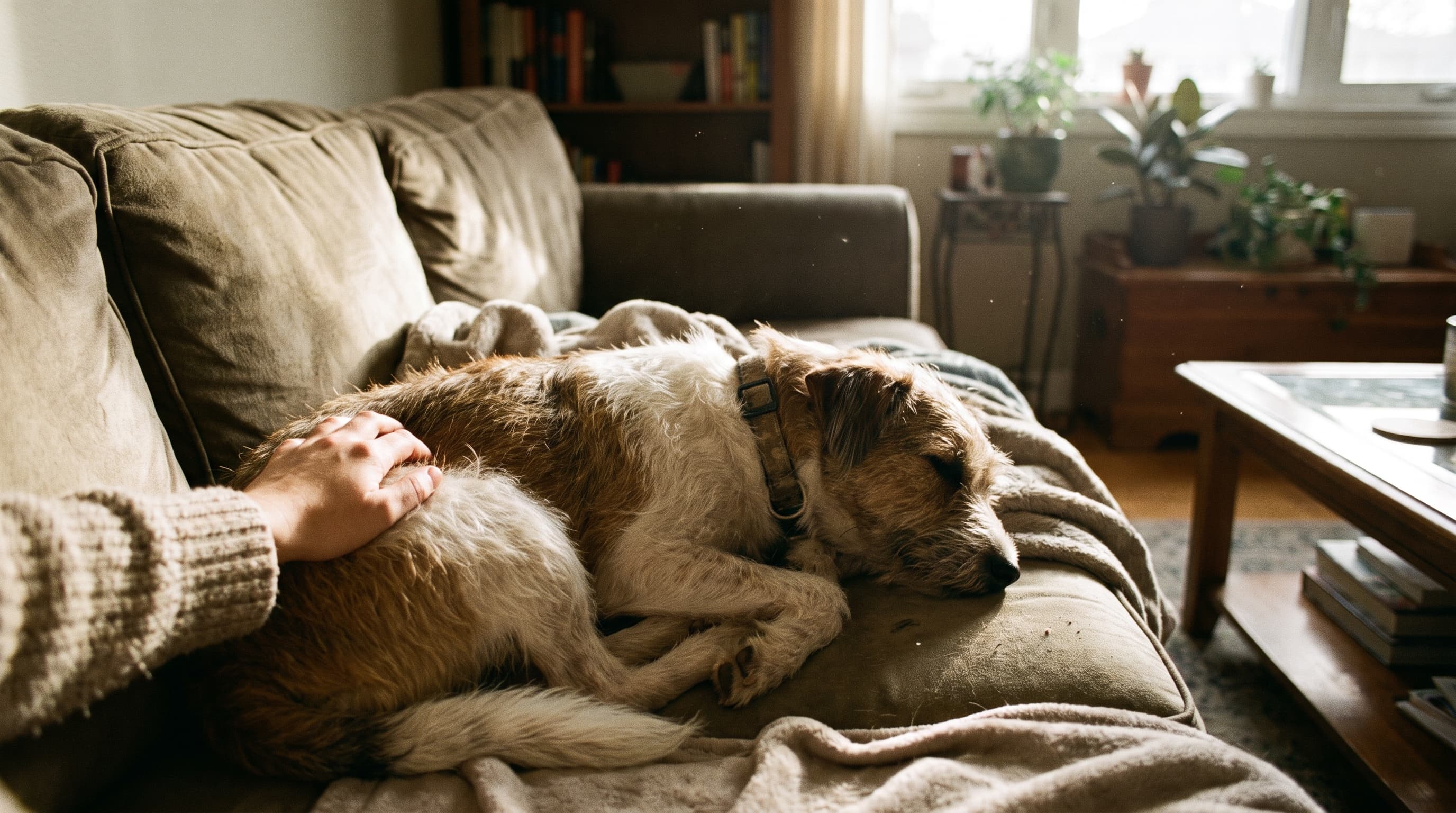

Over the Fourth of July weekend, 35 dogs walked out the front doors of Pasadena Humane — not adopted, exactly, but not left behind either. They went home with volunteers for a night or two of couch time, backyard sniffing, and uninterrupted sleep. It was a record for the California shelter, and it reflects a national shift: with National Dog Day landing on August 26 and summer overcrowding straining rescues across the country, the humble "sleepover" has become one of the most powerful — and lowest-commitment — ways to help a shelter dog.
Here's the part that surprises most people: it isn't just a feel-good gesture. A growing stack of research shows that a single weekend out of the shelter measurably lowers a dog's stress and dramatically improves its odds of finding a permanent home. In fact, dogs who get short-term foster stays are up to 14 times more likely to be adopted. If you've ever wished you could help but felt you couldn't commit to a full adoption or a months-long foster, this is the on-ramp shelters have been quietly building for you.
What a "sleepover" or Doggy Day Out actually is
The names vary by organization — Doggy Day Out, Field Trip, Weekend Getaway, Sleepover — but the idea is the same: a volunteer signs a shelter dog out for a few hours or a couple of nights, then brings it back. There's no adoption paperwork, no lifetime commitment, and usually no cost. The shelter typically provides food, a leash, a crate if you need one, and a point of contact for questions.
According to the ASPCA's shelter-programs team, these outings work partly because they lower the barrier to entry. "An open-ended foster period can be intimidating for people," says Abby DeMillo, Manager of Volunteer Engagement at the ASPCA Adoption Center. "Doggy Day Outs let people take a test drive, and more often than not, we've found people gain the confidence to try out short-term foster in no time at all." In other words, the sleepover isn't only good for the dog — it's how a lot of first-time foster families discover they can do more than they thought.
The research: why one weekend changes everything
The science behind sleepovers has gotten notably stronger in 2026. In a study published in the journal PeerJ on January 27, researchers led by Lisa Gunter of Virginia Tech's School of Animal Sciences tracked 84 shelter dogs through a carefully controlled 17-day arc: five days in the shelter, seven days in a foster home, then five days back in the shelter. The team collected more than 1,300 urine samples and strapped collar-mounted activity monitors on the dogs to measure exactly what a home does to a shelter dog's body.
The stress numbers
The dogs' cortisol — the primary stress hormone — dropped significantly during their foster stays, an effect roughly twice as large as what shorter one- and two-night sleepovers produce. Crucially, the dogs rested more in homes, and their stress hormones did not spike back above baseline when they returned to the shelter. That last point matters, because the most common objection to sleepovers is that they're cruel — that you're just teasing a dog with a taste of home before sending it back. The data says otherwise. "Foster care is a chance for dogs to rest and recharge in a home," Gunter explained. The dogs came back calmer, not more broken.
These findings build on years of earlier work. Research funded by Maddie's Fund established that even a single night away from the shelter drives down cortisol, and that social isolation — not just noise or cramped kennels — is one of the biggest stressors a shelter dog faces. Human contact, it turns out, is medicine.
The adoption numbers
Reduced stress is the mechanism; adoption is the payoff. The ASPCA reports that dogs who go on brief 1-to-4-hour outings are five times more likely to be adopted than euthanized, and dogs who get 1-to-2-night foster sleepovers are more than 14 times more likely to find a permanent home. Part of that is simple exposure — a volunteer photographs the dog napping on a bed or greeting the mail carrier, writes a real-life bio, and suddenly a kennel card becomes a personality. And part of it is the decompression itself: a rested dog shows better to the next family that walks through the door.
Why shelters need this right now
Late summer is the hardest season for American shelters. "Puppy season" litters have grown up, Fourth of July escapees fill kennels, and adoptions slow while families travel. That crunch is exactly why weekend fosters have surged this summer — and why the timing around National Dog Day is more than a marketing hook.
National Dog Day was founded in 2004 by animal-welfare advocate Colleen Paige, who chose August 26 because it was the day her family adopted her first shelter dog when she was 10. From the start, the holiday had two goals: to spotlight dogs waiting in shelters and to honor working dogs. Two decades later, a weekend sleepover checks both boxes — it gets a waiting dog out the door and, often, closer to a home of its own.
How to host a shelter dog sleepover
If you want to try one — and late August is a genuinely great time to — here's how to set both of you up to win.
Start with the shelter's program page. Search your local shelter's site for "Doggy Day Out," "Field Trip," "Sleepover," or "short-term foster." Programs like those at Austin Animal Center and Pasadena Humane have online sign-ups; smaller rescues may just want an email. Most require a quick orientation and a photo ID, not a home inspection.
Dog-proof one room before pickup. You don't need a perfect home — you need a safe one. Pick up anything chewable, secure trash, and set up a quiet space with water and a bed or crate. If you have resident pets, plan to keep them separated at first; a shelter dog on a decompression weekend does not need to be thrown into a meet-and-greet.
Follow the "3-3-3" mindset. Rescue veterans talk about 3 days, 3 weeks, and 3 months as the arc of a dog settling in. For a weekend guest, you're living entirely inside those first three days — the overwhelmed, shut-down phase. Keep the itinerary boring: leash walks, sniffing, naps, low-key affection. Skip the dog park, the brewery patio, and the big family barbecue. Quiet is the whole point, and it's what the cortisol research rewards.
Take notes and photos — they're gold. Is the dog housetrained? Crate-quiet? Cat-curious? Great on leash? Every observation you send back to the shelter helps match the dog to the right adopter faster. A 20-second video of a dog snoozing belly-up in your living room can do more than a week in a kennel ever could. If you're nervous about handling introductions once the dog is home, our guide to safely introducing a dog to new people is a good primer.
If you can't foster this weekend
Not everyone can host, and that's fine — shelters need more than foster homes right now. You can sponsor a dog's boarding, donate the supplies fosters run through (crates, enzymatic cleaner, high-value treats), or simply share your local shelter's adoptable dogs where your friends will see them. If you're weighing a bigger step, adopting straight from a rescue or hoarding case comes with its own learning curve; our piece on what adopting a rescued dog really involves walks through what to expect. And if your own dog struggles when routines change — say, when kids head back to school — our vet-backed guide to separation anxiety can help you steady the ship at home.
The through-line in all of it is the same thing the science keeps confirming: dogs do better around people. A weekend on your couch won't fix the shelter system, but for one dog, it can be the difference between another month behind a kennel door and a photo that finally gets it noticed. That's a pretty good way to spend a Saturday.
Thinking about hosting a sleepover before National Dog Day? Tell us who you're springing from the shelter — and follow Sidewalk Dog for more ways to make your city a better place to be a dog.