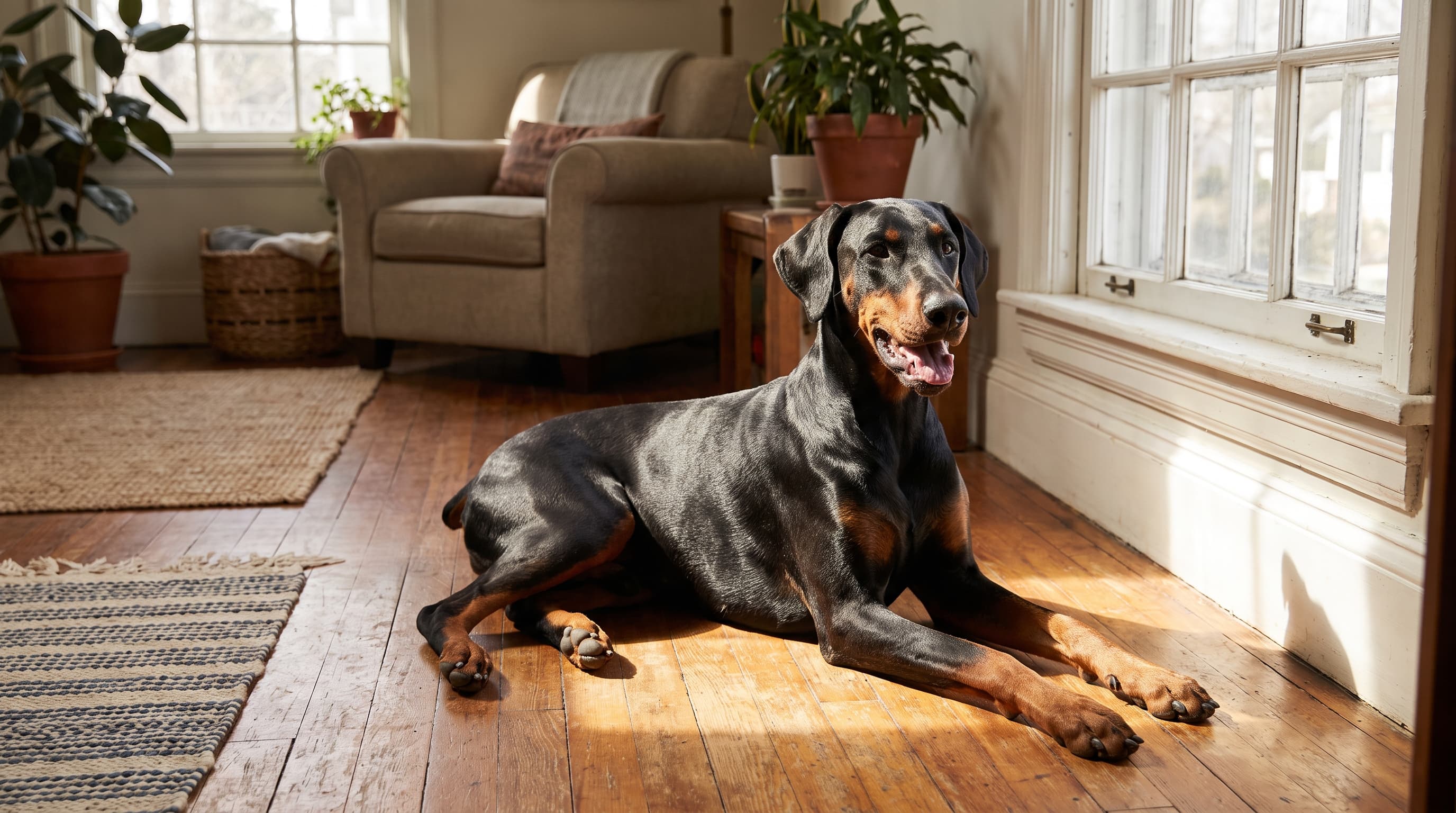

Do Dobermans Shed? A Complete Guide to Doberman Coat Care
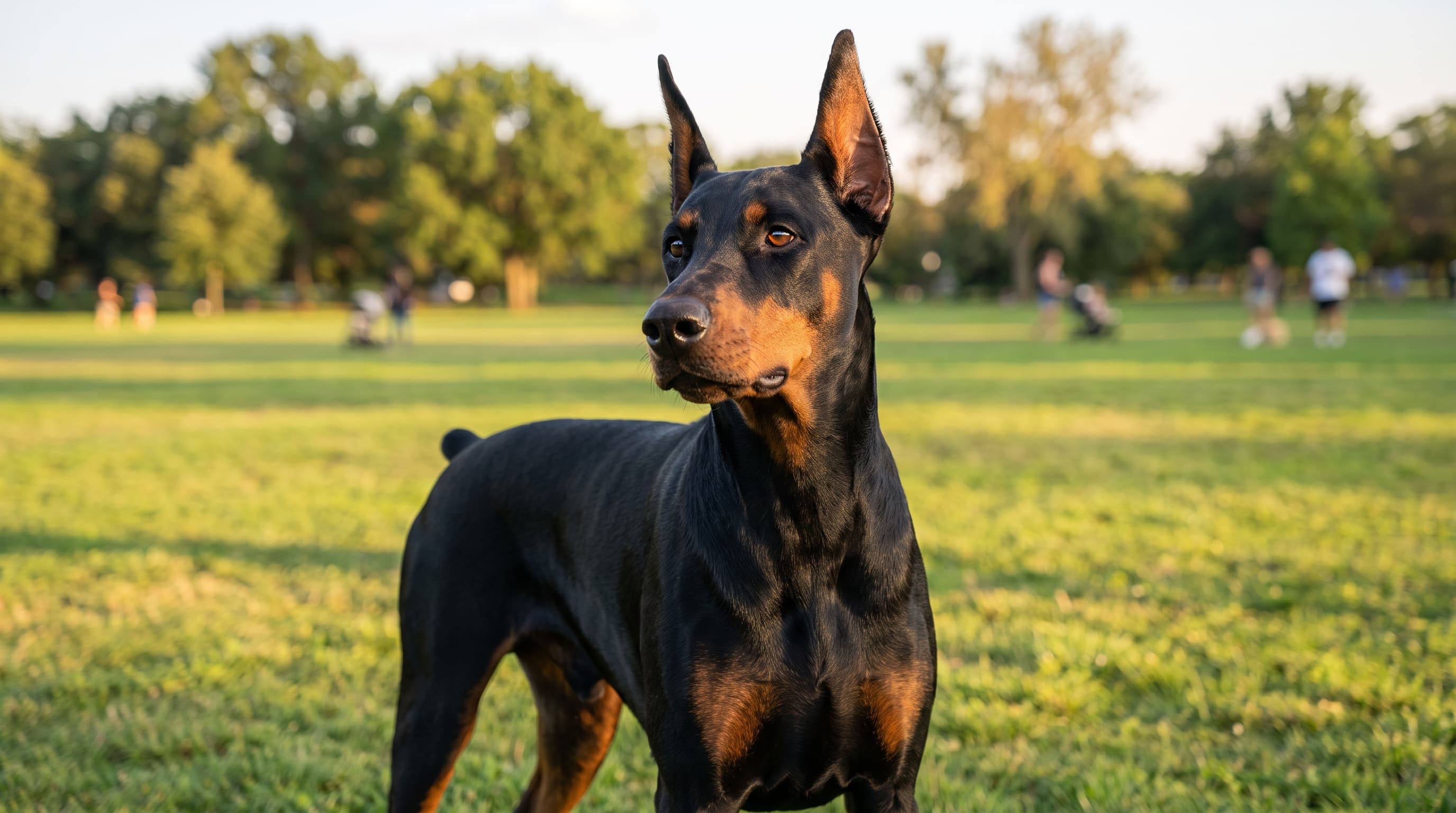
Yes, Dobermans do shed, but only a low to moderate amount year-round. Thanks to their short, single-layer coat, Dobermans shed far less than most breeds and have no heavy seasonal "blowout." Their fine hairs collect on the floor rather than clinging to clothes, making them one of the lower-maintenance breeds for shedding — though no dog is truly shed-free.
If you love the sleek, athletic look of a Doberman but worry about fur on the couch, here is the good news up front: this is a genuinely easy-care breed. Below we explain how much Dobermans really shed, why they shed less than you might expect, when shedding can signal a problem, and how to keep loose hair to a minimum.
How Much Do Dobermans Actually Shed?
Dobermans are consistent, light-to-moderate shedders. Unlike double-coated breeds that "blow" their undercoat twice a year in dramatic fashion, the Doberman sheds a small, steady amount all year with little seasonal spike. As the breed specialists at Doberman Planet describe it, the shedding is manageable enough that many owners barely notice it beyond a light dusting of short hairs on the floor. You will still find hair — this is a real dog, not a stuffed animal — but you are unlikely to be sweeping up tumbleweeds of fur.
Why Dobermans Shed Less Than Most Breeds
The secret is coat structure. Many popular breeds carry a double coat: a coarse outer layer plus a soft, dense undercoat that sheds heavily. The Doberman has only a single, short coat with no thick undercoat, which dramatically reduces the volume of hair released. The American Kennel Club classifies the Doberman Pinscher as a smooth, short-coated breed with minimal grooming needs.
There is a second bonus. Because Doberman hairs are short, straight, and relatively heavy, they tend to fall to the ground rather than float through the air or weave into fabric the way fine, fluffy hairs do. As grooming resources like Hepper note, that makes the shedding easier to clean up even when the total amount is similar to another short-coated dog. This low-fuss coat is one reason Dobermans can work well for tidy households and even rank among the breeds that adapt to apartments when their exercise needs are met.
Do Dobermans Shed Seasonally?
Only mildly. Some Dobermans show a slight uptick in shedding during spring and fall as daylight changes, but it is nothing like the seasonal coat blow of a Husky or German Shepherd. If you live in a climate with strong seasonal swings, you may notice a little extra hair on the brush for a few weeks, easily handled with slightly more frequent brushing. Puppies are the exception worth flagging: young Dobermans often shed out their softer puppy coat during their first year, so a temporary increase in a growing pup is normal — a phase we cover alongside other milestones in our Doberman puppy guide.
When Shedding Signals a Health Problem
Because normal Doberman shedding is so modest, a sudden increase is worth paying attention to. Excessive shedding, bald patches, or a dull, brittle coat can point to an underlying issue rather than a grooming quirk. Common culprits include:
- Poor nutrition: A diet lacking quality protein and omega fatty acids shows up first in the coat.
- Allergies: Food or environmental allergies can trigger itching, scratching, and hair loss.
- Parasites: Fleas, mites, and skin infections damage the coat.
- Hypothyroidism: Dobermans are among the breeds prone to low thyroid function, which classically causes symmetrical hair thinning and a lackluster coat.
- Stress or hormonal changes: Major life changes and illness can all affect the coat.
The VCA Animal Hospitals breed profile highlights that Dobermans have several inherited health predispositions worth monitoring. If your Doberman's shedding suddenly increases, the coat quality drops, or you see bare spots or irritated skin, contact your veterinarian. This article is general information only and is not a substitute for professional veterinary care — a vet can rule out medical causes and recommend treatment for your individual dog.
How to Manage and Reduce Doberman Shedding
A few simple habits keep loose hair to a minimum:
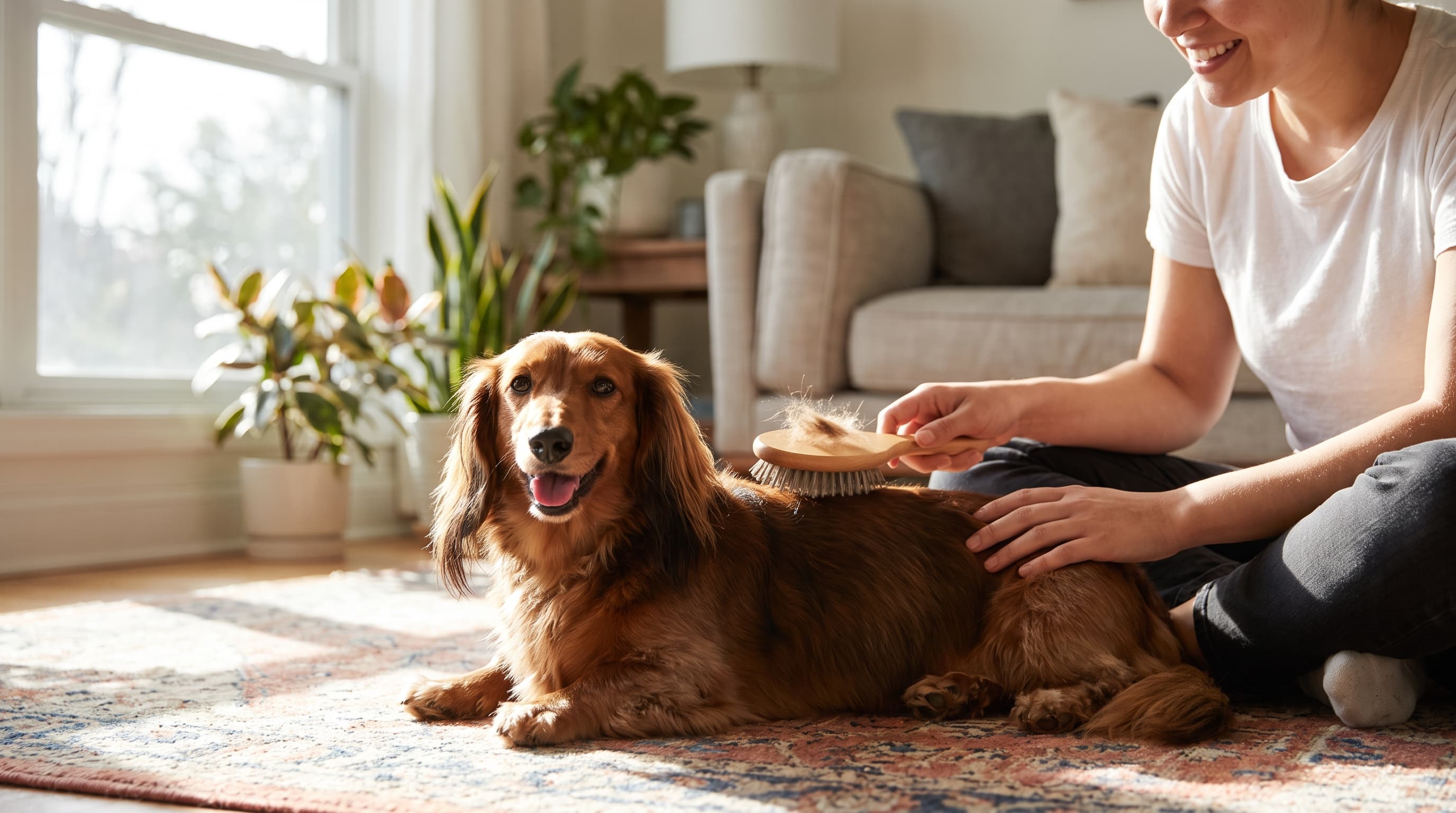
- Brush weekly. A quick once-over with a rubber curry brush, grooming mitt, or short-bristle brush lifts loose hairs before they hit the floor. During a mild seasonal shed, bump this up to two or three times a week.
- Bathe occasionally. Every couple of months, or when your dog gets dirty, is plenty. Over-bathing strips natural oils and can actually worsen shedding.
- Feed a high-quality diet. Adequate protein and omega-3 and omega-6 fatty acids support a healthy, hair-retaining coat. Ask your vet before adding supplements.
- Keep up with parasite prevention. Fleas and mites are a leading avoidable cause of hair loss.
- Wipe down with a damp cloth. A quick swipe between brushings removes surface hairs and keeps the coat glossy.
For step-by-step technique, our DIY dog grooming guide and our tips on reducing shedding to keep a clean home both apply neatly to the Doberman's easy coat.
Does Coat Color Affect Doberman Shedding?
Dobermans come in several coat colors — the classic black-and-rust, red (chocolate) and rust, blue and rust, and fawn (Isabella) and rust — and owners often wonder whether one sheds more than another. In practical terms, the amount of shedding is the same across colors, because every Doberman carries the same short, single-layer coat structure. What color does change is how visible the hair is against your floors and furniture: a black Doberman's hairs show up on light carpet, while a red or fawn Doberman's hairs blend into darker surfaces. Two of the dilute colors, blue and fawn, are also associated with a genetic condition called color dilution alopecia, which can cause thinning hair and flaky skin in some dogs. That is a coat-quality issue rather than normal shedding, and it is worth discussing with a breeder or veterinarian if you are considering a dilute-colored Doberman.
The Best Tools for a Doberman's Coat
You do not need an elaborate grooming kit for a short-coated dog. A handful of inexpensive tools cover everything a Doberman's coat requires:
- Rubber curry brush or grooming mitt: The workhorse for a smooth coat — it lifts loose hair and distributes skin oils for shine.
- Short-bristle brush: A quick finishing tool that smooths the coat and removes surface hairs.
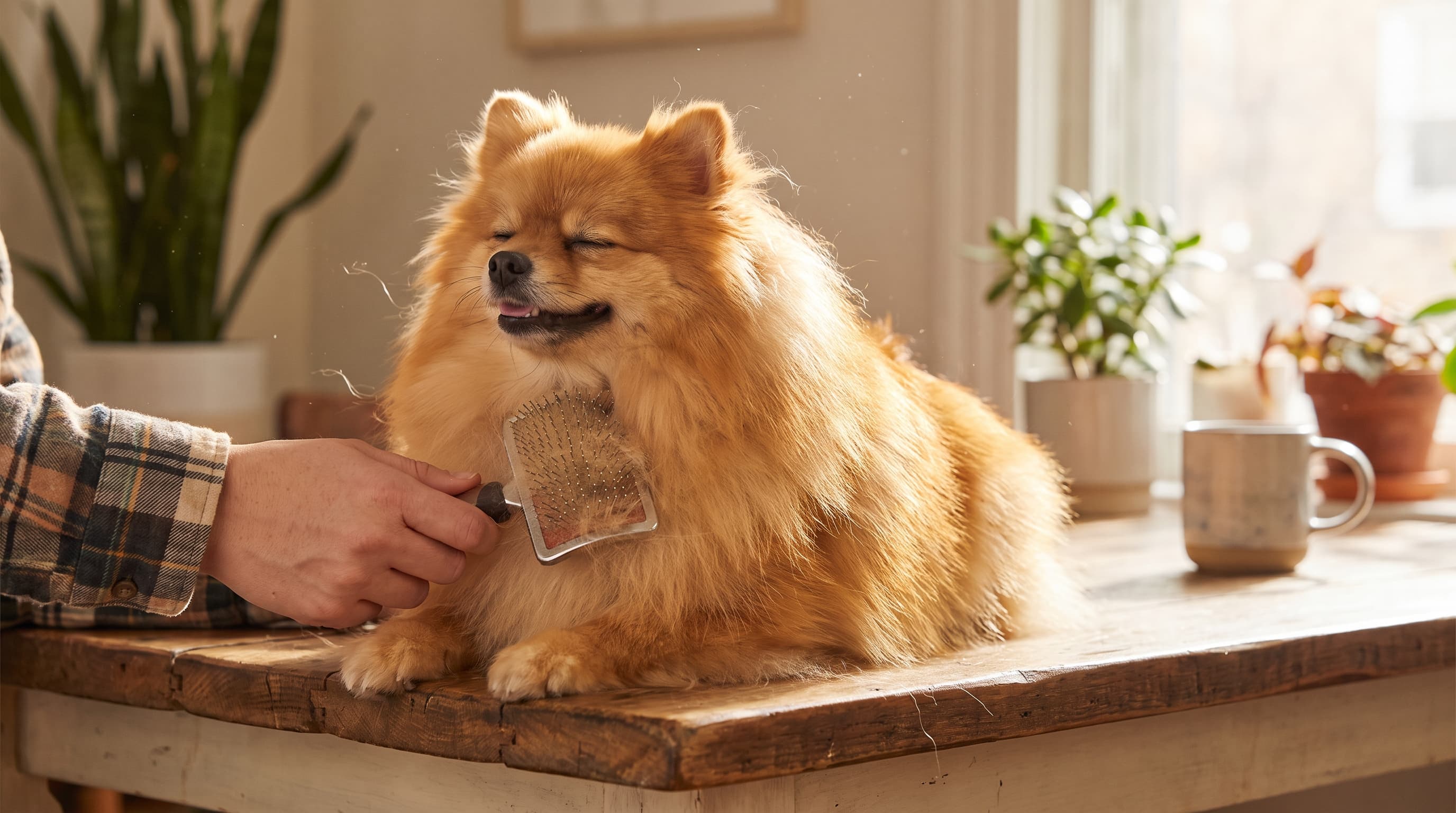
- Deshedding tool (used sparingly): Helpful during a mild seasonal shed, but Dobermans rarely need aggressive deshedding, so use a light hand.
- Microfiber or damp cloth: A fast between-brush wipe that keeps the coat glossy and captures stray hairs.
A five-minute weekly session with these basics is genuinely all most Dobermans need to stay sleek and to keep shed hair off your home.
Are Dobermans Hypoallergenic?
No. Despite their low shedding, Dobermans are not considered hypoallergenic. Allergic reactions are usually triggered by proteins in a dog's dander and saliva, not just the volume of hair, so even a light-shedding breed can affect sensitive people. That said, a short single coat means less hair and dander circulating around your home than a fluffy double-coated breed would produce, which some allergy sufferers find more tolerable. If allergies are a serious concern, spend time around adult Dobermans before committing.
Frequently Asked Questions
Do Dobermans shed a lot?
No. Dobermans shed a low to moderate amount year-round with little seasonal variation. Their short, single-layer coat produces far less loose hair than double-coated breeds, making them one of the easier breeds to keep up with.
Do Dobermans shed more in summer?
Only slightly. Some Dobermans have a mild seasonal increase in spring and fall rather than summer, and it is easily managed with a bit more brushing. They do not have the dramatic seasonal coat blow seen in heavily double-coated breeds.
Why is my Doberman suddenly shedding so much?
A sudden spike can indicate poor nutrition, allergies, parasites, stress, or a medical issue such as hypothyroidism. If the increase is dramatic or you notice bald patches or skin irritation, consult your veterinarian to identify the cause.
How often should I brush my Doberman?
Once a week is enough to control normal shedding and keep the coat glossy. During a mild seasonal shed, brushing two to three times a week helps capture the extra loose hair before it lands on your furniture.
Are Dobermans good for people with allergies?
Dobermans are not hypoallergenic, but their low-shedding short coat releases less hair and dander than fluffier breeds. Allergy sufferers should spend time with adult Dobermans before adopting to gauge their personal reaction.
The Bottom Line
Dobermans shed — just not much. Their sleek single coat sheds a light, steady amount that a weekly brush easily controls, with no seasonal fur explosions to dread. Watch for sudden changes that could signal a health issue, but otherwise enjoy one of the most wash-and-wear coats in the dog world.
Thinking about welcoming one of these elegant, loyal dogs into your life? Dive into our complete Doberman Pinscher breed profile and our Doberman puppy guide to learn what ownership really involves. And for weekly breed insights and care tips, subscribe to the Daily Wag newsletter.