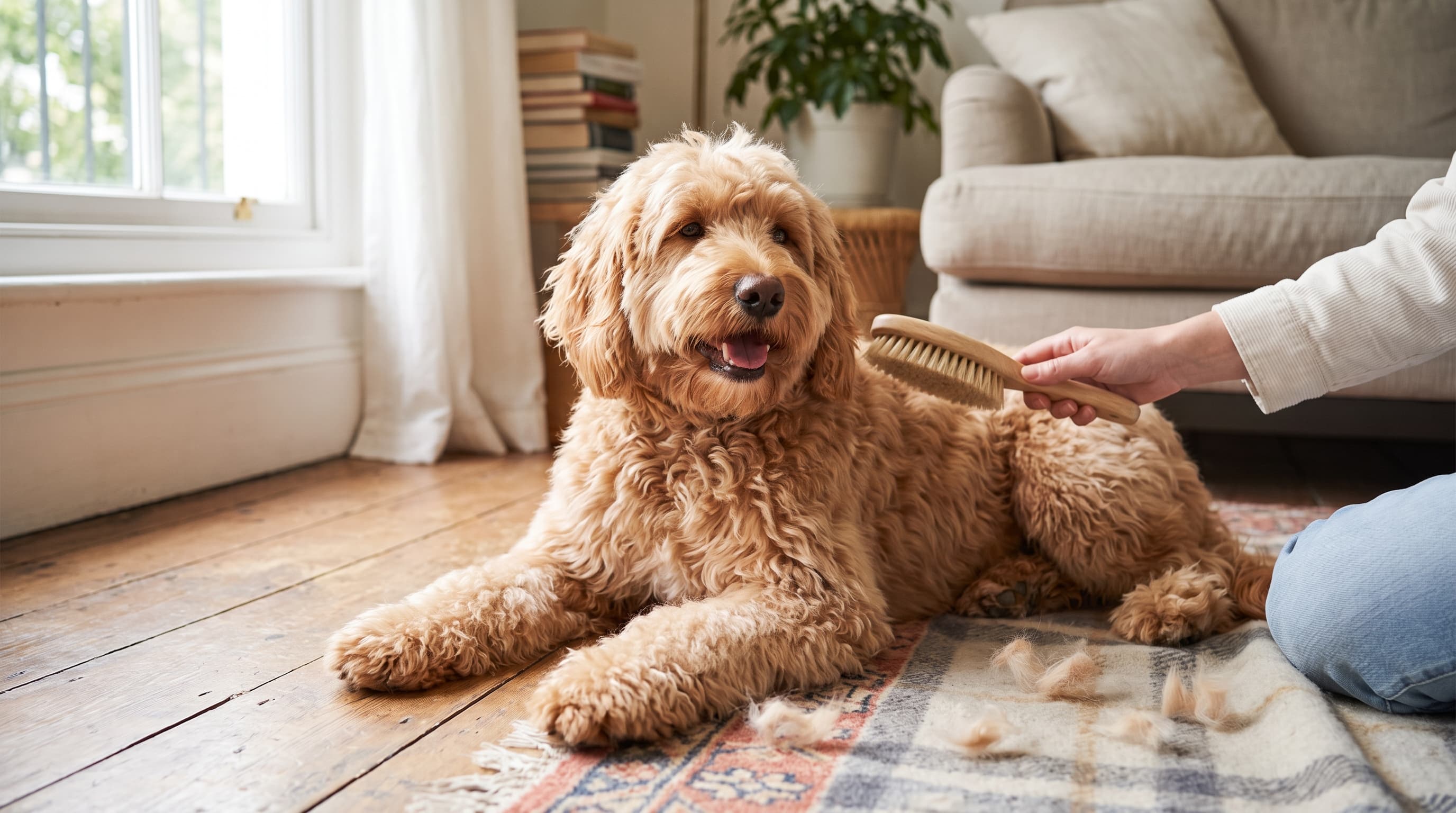

Do Goldendoodles Shed? An Honest Look at the "Non-Shedding" Myth
Yes, Goldendoodles shed—just far less than most breeds, and never the "zero-shedding" dog many buyers are promised. Because they're a Golden Retriever and Poodle cross, shedding depends heavily on coat type and generation: curly, Poodle-dominant coats (like F1B Goldendoodles) shed the least, while straight or wavy coats shed noticeably more. No Goldendoodle is truly hypoallergenic, and all of them need regular brushing to manage loose hair and prevent matting.
"Do Goldendoodles shed?" is the single most common question prospective owners ask, usually because someone in the household has allergies or hates vacuuming dog hair. The honest answer is more nuanced than the marketing suggests. Let's break down exactly how much Goldendoodles shed, why it varies so much from dog to dog, and what you can do to keep loose hair to a minimum.
Why Goldendoodles Shed Less (But Not Never)
Every dog with hair loses some of it—shedding is just the natural cycle of old hairs falling out and new ones growing in. The difference with Goldendoodles comes from the Poodle side of the family. According to WebMD's overview of Goldendoodle shedding, the Poodle's curly coat traps loose hairs within the curls instead of releasing them onto your floors and furniture. So a Goldendoodle may still shed at the follicle level, but much of that hair stays in the coat until you brush it out.
That trapping effect is exactly why brushing is non-negotiable. The hair a heavier-shedding breed would drop on your rug instead stays woven into your Goldendoodle's coat, where it quickly forms mats if it isn't combed free. In other words, low visible shedding comes with a grooming trade-off.
Coat Type Matters More Than Anything
Goldendoodles inherit one of three general coat types, and this is the biggest predictor of how much fur ends up on your clothes. As WildWood Doodles explains in its coat-type guide, the three categories are:
- Curly coats most resemble the Poodle parent. They shed the least and are the best bet for allergy-sensitive homes, but they mat the fastest and need the most brushing.
- Wavy (fleece) coats are the middle ground and the most common. They shed a little, feel soft, and are relatively manageable—the coat most people picture when they imagine a Goldendoodle.
- Straight (flat) coats lean toward the Golden Retriever side. They shed the most, sometimes comparably to a purebred Golden, and offer the least allergy benefit.
Here's the catch: in a litter, especially an F1 litter, puppies can have any of these coats. That fluffy puppy fur will also change as the adult coat grows in around 6 to 12 months, so early coat texture isn't a guarantee.
Generations Explained: F1, F1B, and Which Sheds Least
Breeders label Goldendoodles by "generation," which tells you the genetic mix and hints at shedding. As Vetericyn notes, more Poodle in the mix generally means less shedding:
- F1 (50% Poodle, 50% Golden): A first-generation cross. Coats vary widely; some shed moderately.
- F1B (75% Poodle, 25% Golden): An F1 bred back to a Poodle. These are the most sought-after for low shedding and are often recommended for allergy sufferers—though roughly half of F1B puppies inherit the low-shed "furnishing" genes, so it's still not a guarantee.
- F2, F2B, and multigen: Later generations can be bred specifically for consistent low-shedding coats.
If low shedding is your top priority, an F1B or multigenerational Goldendoodle from a breeder who tests for coat genetics is your safest bet. Curious how long your new companion will be part of the family? See our guide to the Goldendoodle lifespan.
Are Goldendoodles Hypoallergenic?
Not exactly. No dog is 100% hypoallergenic, because the allergens that bother people come from dander (dead skin flakes), saliva, and urine—not just hair. What Goldendoodles offer is a coat that sheds less loose hair and therefore spreads less dander around your home. For many mild allergy sufferers, that's enough to make daily life comfortable; for people with severe allergies, it may not be. The most reliable move is to spend time around adult Goldendoodles before committing, and to lean toward curlier, Poodle-dominant coats. Regular bathing and brushing also cut down on the dander load.
Seasonal Shedding and the Coat "Change"
Unlike double-coated breeds that "blow" their undercoats every spring and fall, most Goldendoodles shed at a low, steady rate year-round rather than in dramatic seasonal bursts. The one dramatic shed you will notice is the puppy coat transition, usually between 6 and 12 months, when the soft puppy fluff gives way to the adult coat. During this window, mats appear seemingly overnight, and many owners are caught off guard. Brushing frequency needs to increase temporarily until the adult coat settles in.
How to Manage Goldendoodle Shedding and Matting
Whether your dog sheds a little or a lot, a consistent grooming routine keeps hair and mats under control:
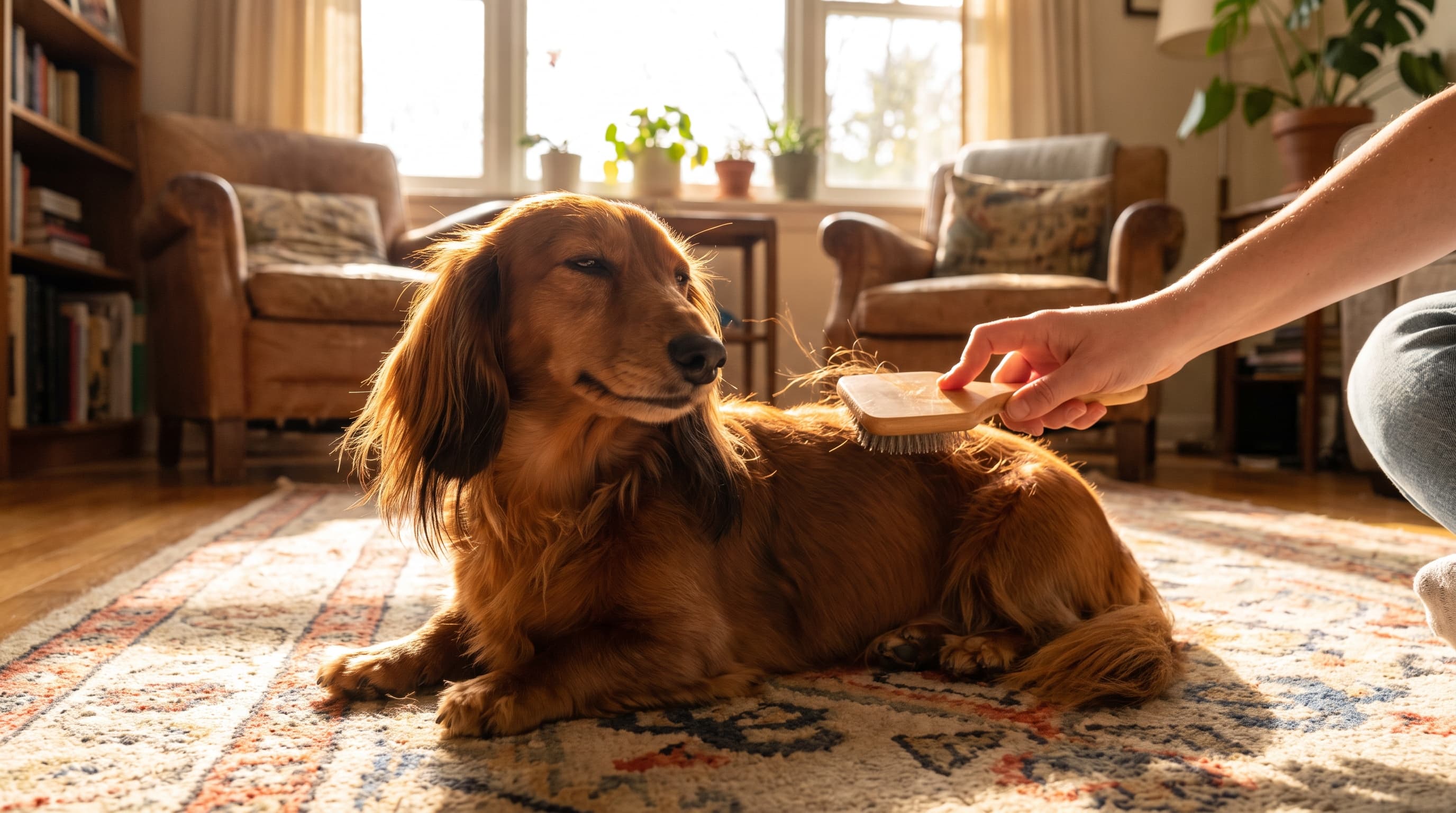
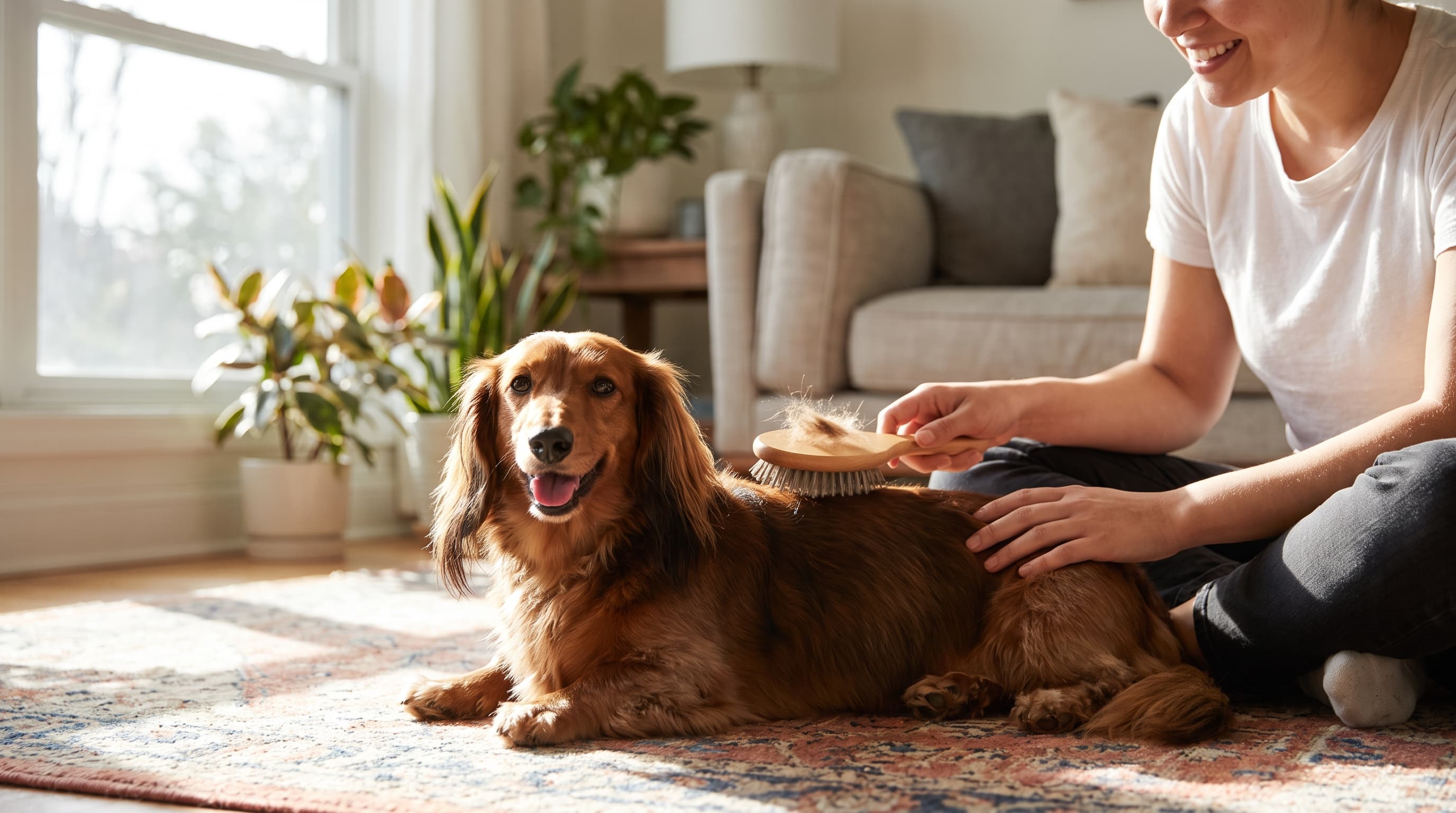
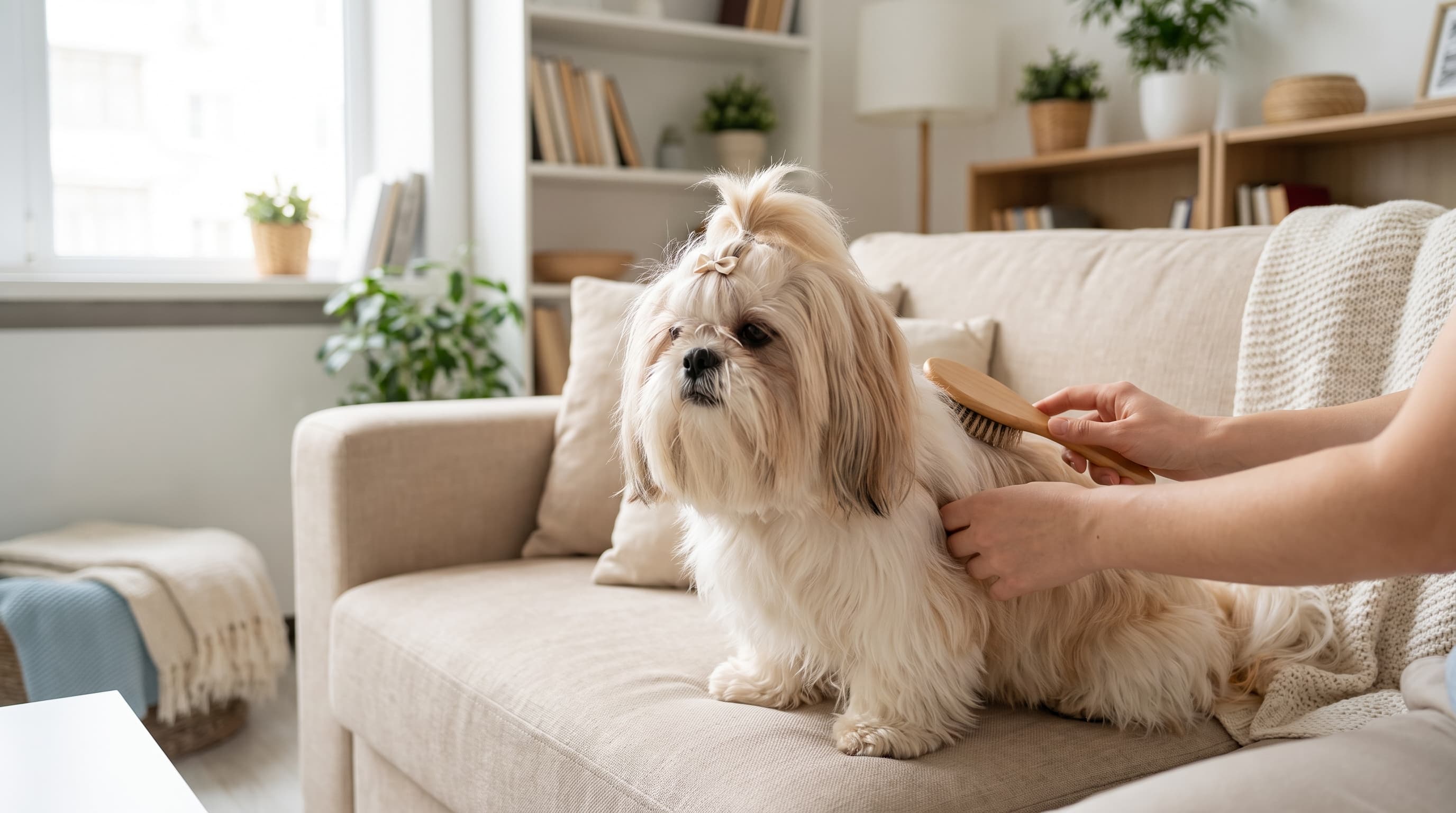
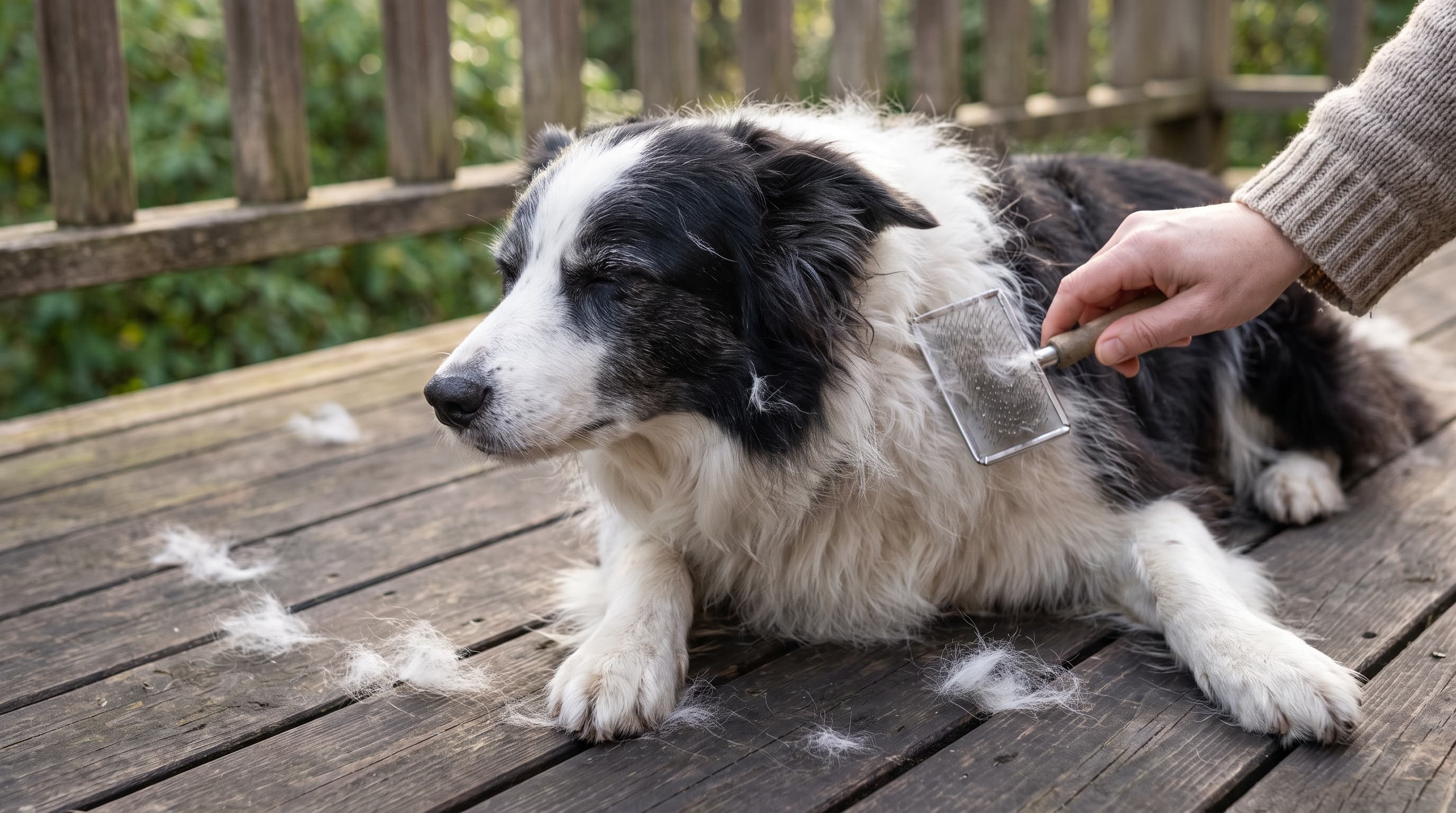
- Brush most days. A slicker brush plus a metal comb reaches the skin where mats start. Aim for near-daily brushing on curly coats and several times a week on wavy ones. As Goldoodle's shedding guide emphasizes, brushing to the skin—not just the surface—is what actually prevents matting.
- Schedule professional grooming every 6 to 8 weeks for a trim, bath, and thorough de-shedding. Our Goldendoodle haircut guide covers popular styles.
- Bathe monthly, not weekly. Over-bathing dries the skin and can increase dander; use a gentle dog shampoo.
- Support skin and coat health from the inside. A complete diet with omega-3 fatty acids helps maintain a healthy coat. Dogs with sensitive stomachs may benefit from our picks for the best treats for sensitive stomachs.
- Don't shave to "stop" shedding. Shaving changes coat texture and doesn't reduce dander; regular brushing and trimming is the better approach.
How Goldendoodles Compare to Other Doodles
If low shedding is your goal, it helps to know Goldendoodles aren't unique—they're one of many Poodle crosses bred for the same reason. Labradoodles follow the same coat-and-generation logic, and Bernedoodles and Aussiedoodles offer similar low-shed potential with different base breeds. Across all of them, the rule holds: curlier, more Poodle-dominant coats shed the least but demand the most brushing.
Frequently Asked Questions
Do Goldendoodles shed a lot?
Most Goldendoodles shed lightly compared with breeds like Golden Retrievers or Labs. The amount depends on coat type: curly coats shed the least, wavy coats shed a little, and straight coats shed the most. None are completely shed-free.
Which Goldendoodle generation sheds the least?
F1B Goldendoodles (75% Poodle) and later multigenerational crosses tend to shed the least because they carry more Poodle genetics. However, coat genes vary even within a litter, so shedding is never fully guaranteed by generation alone.
Are Goldendoodles hypoallergenic?
No dog is truly hypoallergenic, but Goldendoodles—especially curly, Poodle-dominant ones—produce and spread less loose hair and dander, which many mild allergy sufferers tolerate well. People with severe allergies should spend time with adult Goldendoodles before committing.
Why is my low-shed Goldendoodle suddenly shedding or matting?
The most likely cause is the puppy-to-adult coat transition, usually between 6 and 12 months, when the soft puppy coat falls out and mats form easily. Increase brushing during this period. A sudden change in an adult dog's coat can also signal a health or diet issue worth discussing with your vet.
How often should I brush my Goldendoodle?
Brush curly coats nearly every day and wavy coats several times a week, always combing down to the skin to prevent mats. Pair home brushing with professional grooming every 6 to 8 weeks.
Will shaving my Goldendoodle stop the shedding?
No. Shaving removes length but doesn't stop hair growth or reduce dander, and it can permanently change the coat's texture. Regular brushing and trimming is the recommended way to manage shedding and matting.
The Bottom Line
Goldendoodles are a fantastic low-shedding choice—as long as you go in with realistic expectations. They shed less, not never; they're allergy-friendlier, not allergy-proof; and their easy-on-the-floors coat comes with a real brushing commitment. Choose a curlier coat or an F1B if minimal shedding matters most, meet adult dogs before you buy, and keep up a steady grooming routine.
Thinking about adding a Goldendoodle to your family? Subscribe to the Daily Wag newsletter for breed guides, grooming tips, and honest ownership advice delivered every week.