
Dog Stitches Healing Stages: What Normal Recovery Looks Like
Dog stitches typically heal in three stages: inflammation (days 1–5), repair (days 5–14), and maturation (weeks to months). In the first few days, mild redness, slight swelling, and a little clear or pale-pink fluid are normal. Most surgical incisions close within 10–14 days, when non-dissolvable sutures are removed. Spreading redness, pus, or a foul odor signal trouble — call your vet.
Important: This guide is general educational information, not veterinary advice. Every incision and every dog is different. If anything about your dog's recovery worries you, contact your veterinarian right away rather than waiting.
The Three Stages of Dog Stitch Healing
Wound healing follows a predictable biological sequence, whether the incision comes from a spay, neuter, mass removal, or injury repair. Knowing the stages helps you tell normal progress from a problem. According to a veterinarian writing for Dogster, clean surgical wounds move through these phases faster than open or contaminated ones.
Stage 1: Inflammation (Days 1–5)
Right after surgery, the body rushes white blood cells to the site to control bleeding and clear bacteria and debris. Expect mild redness, slight warmth, and minor swelling at the incision. Pupcovery's healing guide notes that redness can actually look worse on day two or three than it did at discharge — that is still within the normal range for early inflammation. A small amount of clear or blood-tinged fluid in the first few days is also expected.
Stage 2: Repair (Days 5–14)
Now the wound rebuilds. New connective tissue and tiny blood vessels form, the incision edges knit together, and a thin crust may develop. You might see pink granulation tissue, which is a sign of healthy healing rather than infection. Your dog may find the area itchy as shaved hair regrows — resist letting them lick it. Most incisions are fully closed by the end of this window.
Stage 3: Maturation (Weeks 2 to Months)
The final stage begins around three weeks after surgery and can continue for months. Collagen fibers reorganize and strengthen, the scar thins and fades, and the skin regains its durability. As Lick Sleeve explains, healed tissue eventually returns to roughly 80–85% of its original strength, and large wounds can take up to two years to fully remodel.
Dog Stitches Healing Timeline: Day by Day
While every dog heals at its own pace, this general timeline gives you a reference for what to expect after a routine surgical incision:
- Days 1–3: Mild redness, minor swelling, possible small amount of clear or pale-pink discharge. Redness may peak around day 2–3.
- Days 3–5: Swelling and redness begin to ease. The incision line looks cleaner.
- Days 5–10: Edges close and strengthen; itchiness increases as hair starts to regrow. Soft, fluid-filled lumps (seromas) can appear around days 7–10 and usually resolve on their own.
- Days 10–14: Non-dissolvable sutures or staples are typically removed by your vet. Dissolvable stitches break down over roughly three to eight weeks.
- Weeks 2–6+: Scar continues to mature and fade; full tensile strength is reached around six weeks.
The Petscare recovery guide emphasizes that most surgical incisions need the full 10–14 days to close, so keeping your dog calm through the entire window matters even when the wound looks good early.
Normal Healing vs. Signs of Infection
The single most useful skill during recovery is telling routine healing from a warning sign. Check the incision at least twice a day in good light without touching it directly.
Normal signs include: mild redness that peaks around day two or three and then improves, slight bruising, a thin scab, small amounts of clear or blood-tinged fluid in the first few days, pink granulation tissue, and occasional soft seromas.
Call your vet promptly if you see: redness that spreads or worsens after day three, yellow or green discharge, pus, a foul odor, heat and rapid swelling under the stitches, the incision opening or gaping, or your dog acting painful, lethargic, or off their food. According to Dial A Vet, a foul smell and continuous bleeding or discharge are classic infection indicators that warrant a same-day call. Early intervention almost always makes infections easier to treat.
How to Care for Your Dog's Stitches
Good aftercare is what keeps a wound on the normal healing path. A few consistent habits prevent most complications:
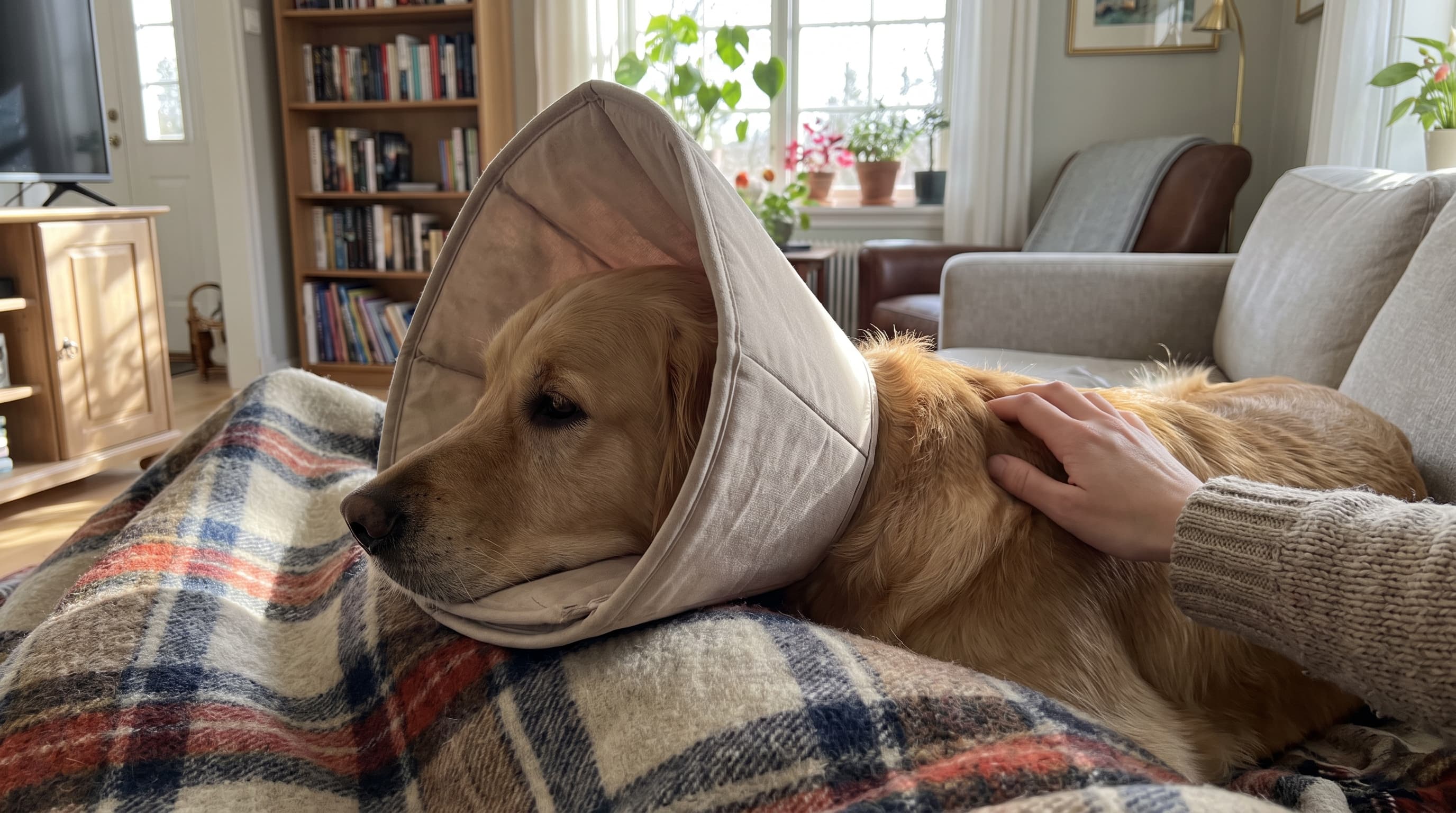
- Stop the licking. Licking introduces bacteria, irritates tissue, and can pull sutures loose. An Elizabethan collar (cone) or a recovery suit worn continuously is the most effective safeguard. If your dog hates the cone, our guide to dog cone alternatives covers gentler options that still protect the incision.
- Keep it clean and dry. No baths, swimming, or letting the incision get wet until your vet clears it — usually after the stitches come out. Skip ointments and sprays unless your vet prescribes them.
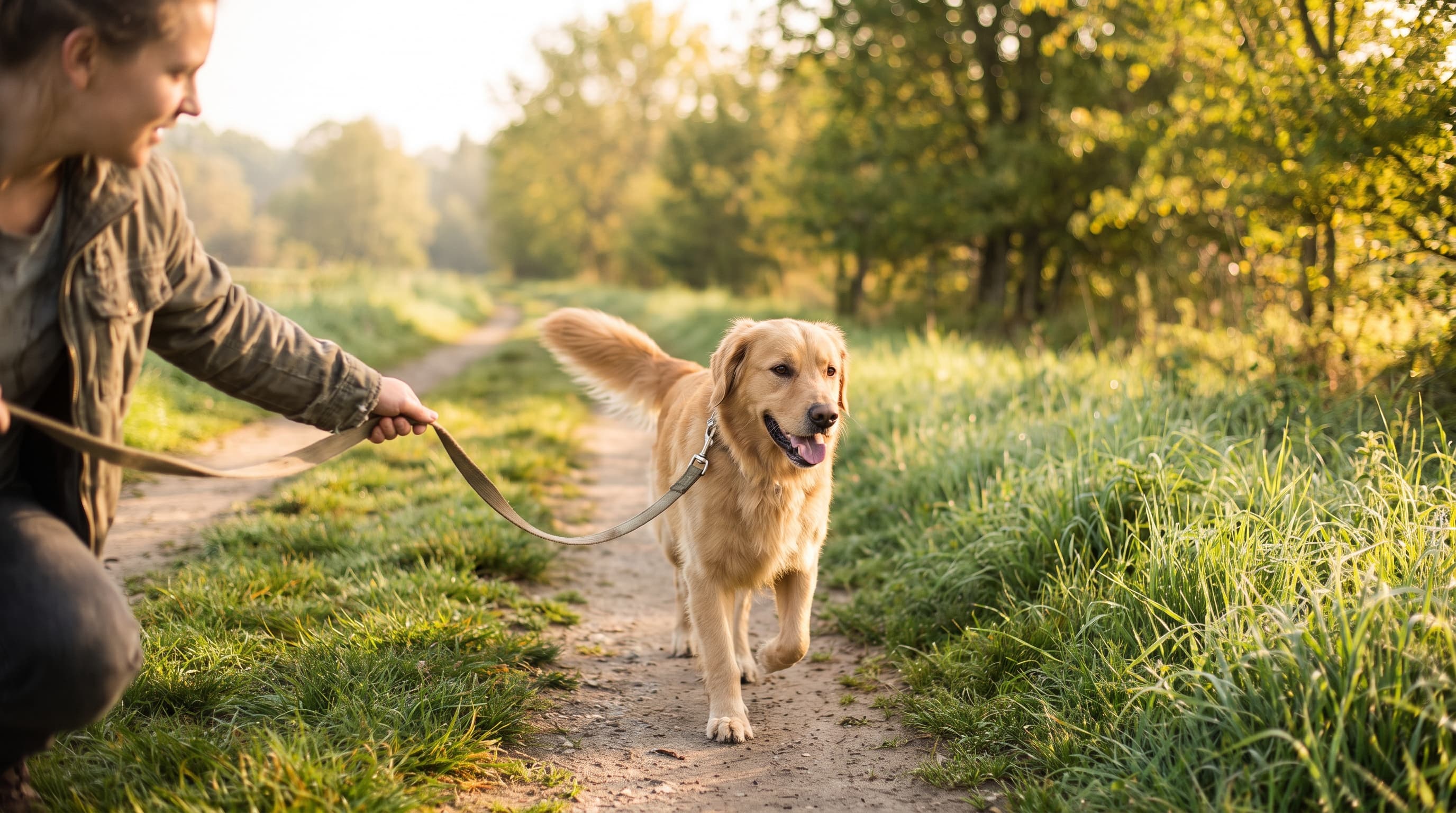
- Restrict activity. Short, calm leash walks only. No running, jumping, or rough play, which can strain and reopen the incision. Crate rest or a small confined area helps enforced calm.
- Follow medication instructions. Give all prescribed pain relief and antibiotics exactly as directed, and never add human medications.
- Keep the recheck appointment. Suture removal and a professional look at the healing wound are part of the process, even if everything appears fine.
Why the Recovery Period Matters So Much
It's tempting to relax the rules once the incision looks good, but the healing you can see lags behind the healing you can't. Even after the surface closes, the deeper tissue is still weak and won't reach full strength until around six weeks. A single burst of running or jumping during week two can strain a seemingly healed incision and set recovery back — or reopen it entirely.
Spays and neuters are the most common reason dogs come home with stitches, and they involve an internal incision as well as the external one, which is exactly why vets insist on two full weeks of calm. If your dog is recovering from a spay, our guide on when and how to spay your dog walks through the aftercare timeline in detail. The same principles apply to any surgical wound: enforced rest, no licking, and a dry, clean incision are what let the three healing stages run their course without a setback. Boredom is easier to manage than a reopened wound — offer calm enrichment like a stuffed food toy or gentle chew instead of physical play.
What to Do If a Wound Won't Heal
Sometimes an incision stalls or takes a step backward. Excessive licking, an underlying infection, a dog that's too active, or a health condition like diabetes can all slow healing. If the wound looks worse instead of better, opens up, or simply isn't progressing after the expected timeline, don't wait it out — a stalled wound needs veterinary attention to find and fix the cause. We cover this scenario in more depth in our guide on what to do when a dog's wound won't heal. Your veterinary team can assess whether the issue is infection, dehiscence (the wound reopening), or something else that needs treatment.
Frequently Asked Questions
How long do dog stitches take to heal?
Most surgical incisions close within 10 to 14 days, at which point non-dissolvable sutures are removed. Full tissue strength, however, continues to develop for about six weeks, and deep scars can remodel for months.
What should a healing dog incision look like?
A normally healing incision has edges that stay closed, mild redness that peaks around day two or three and then fades, minor bruising, and possibly a thin scab. A small amount of clear or blood-tinged fluid in the first few days is normal; pus or spreading redness is not.
How do I know if my dog's stitches are infected?
Warning signs include spreading or worsening redness after day three, yellow or green discharge, pus, a foul odor, increasing swelling and heat, the incision opening, or your dog becoming painful, lethargic, or refusing food. Contact your vet the same day if you notice these.
Can I let my dog lick its stitches a little?
No. Even occasional licking introduces bacteria and can loosen sutures or reopen the wound. Keep a cone or recovery suit on continuously until your vet says the incision has healed.
When can my dog bathe or swim after surgery?
Keep the incision completely dry until your veterinarian gives the go-ahead, which is usually after the stitches are removed at 10 to 14 days. Getting the site wet too early raises the risk of infection.
Are dissolvable stitches different from regular ones?
Dissolvable (absorbable) sutures are often placed under the skin and break down on their own over roughly three to eight weeks, so they don't need removal. Non-dissolvable sutures or staples on the skin's surface are removed by your vet, typically at 10 to 14 days.
The Bottom Line
Understanding the healing stages turns a nerve-wracking recovery into a manageable one. Watch for mild, improving redness in the first days, steady closure through the second week, and a fading scar afterward — and step in quickly if you see spreading redness, pus, odor, or a wound that reopens. When in doubt, your veterinarian is the right call. This article is educational and does not replace a professional exam; if your dog's incision looks or smells wrong, or your dog seems unwell, contact your vet right away.