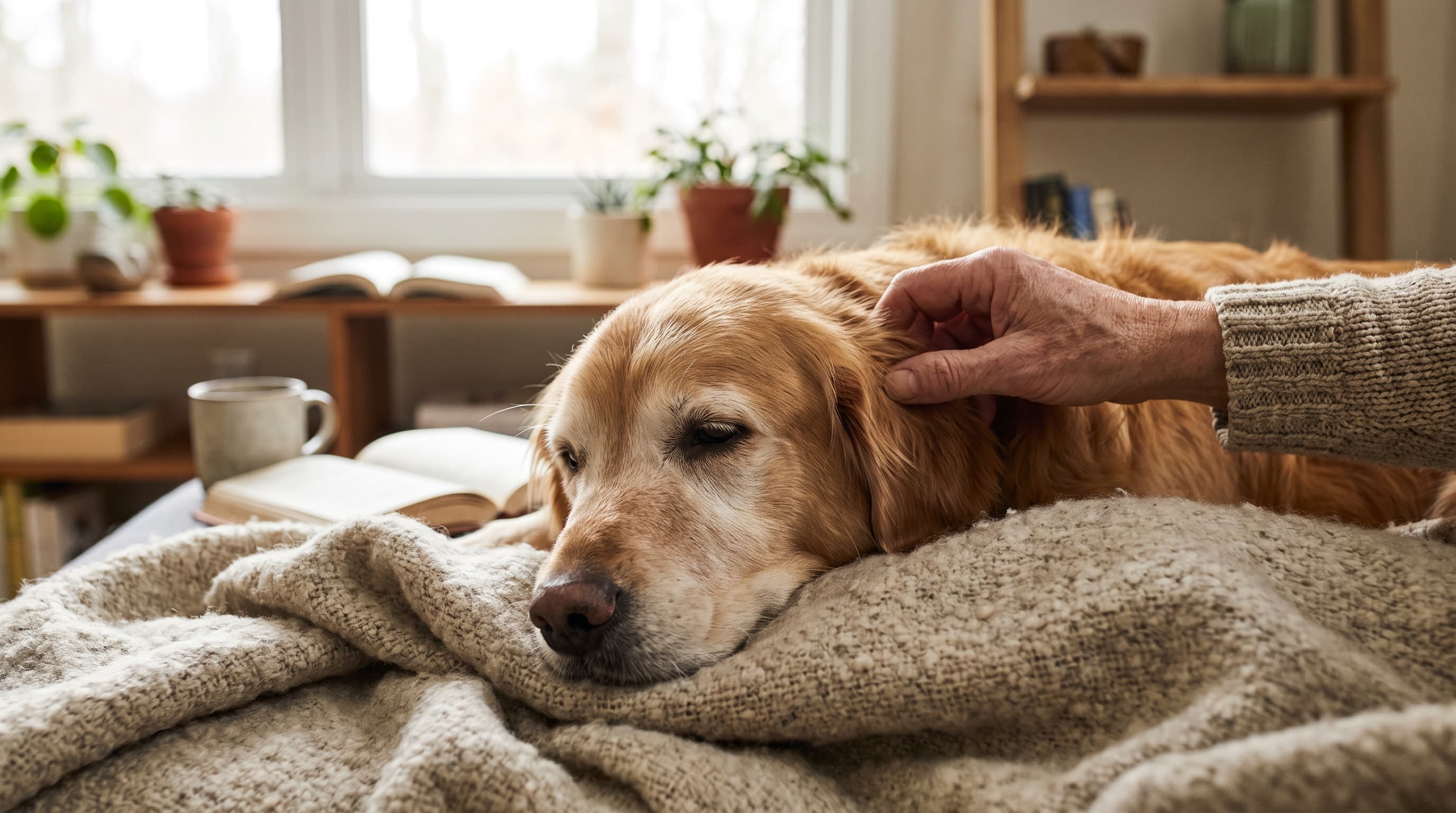

Do dogs get cramps on their period? Probably mild ones, but not like humans do. Female dogs don't menstruate the way people do—they have a heat (estrous) cycle. There's limited scientific evidence that dogs suffer true menstrual cramps, but many owners notice signs of mild discomfort, restlessness, or clinginess during heat. Real pain is not normal and always warrants a vet visit.
First, Dogs Don't Have "Periods" the Way Humans Do
The phrase "dog period" is a convenient shorthand, but it's biologically off the mark. Humans menstruate—shedding the uterine lining when pregnancy doesn't occur. Female dogs instead go through an estrous cycle, commonly called being "in heat," which prepares the body for potential breeding rather than ending a cycle.
As VCA Animal Hospitals explains, the canine cycle averages about two to three weeks and begins with vulvar swelling and discharge, ending when the discharge stops and swelling subsides. The bleeding you see happens during a different phase than human bleeding does—which is exactly why the "cramps" question doesn't map neatly from people to pups. For a deeper look at the biology, our companion guide on the female dog heat cycle and whether it's really a period unpacks the differences.
So, Do Dogs Actually Get Cramps During Heat?
Here's the honest, evidence-based answer: there is limited scientific proof that dogs experience menstrual cramps the way humans do. According to Supertails' wellness resources, while dogs are bleeding they generally aren't in pain and won't feel cramping the way a person might.
That said, "no evidence of severe cramps" is not the same as "no discomfort at all." The veterinary team behind Vetic's pet-health blog notes that some dogs may show mild discomfort or irritability during heat, even though hard scientific evidence for cramping is thin. In other words: your dog probably isn't doubled over in pain, but she may genuinely feel a little "off" for a couple of weeks.
Signs Your Dog May Be Uncomfortable in Heat
Because dogs can't tell us how they feel, we read behavior. Owners and veterinarians commonly report the following subtle signs of discomfort during the heat cycle:
- Restlessness or pacing—difficulty settling down.
- Clinginess—wanting extra attention and closeness.
- Decreased appetite—eating less than usual for a few days.
- Lethargy or low energy—more napping, less enthusiasm.
- Mild irritability—less patience with other pets or handling.
- Frequent grooming—licking the genital area to stay clean.
- Whining or occasional whimpering.
The Front of the Pack heat-cycle guide echoes that some dogs simply seem out of sorts during this time. These behavior shifts are usually mild and temporary. Because behavior changes can also signal unrelated health issues, our checklist of 12 signs your dog needs a vet visit is a helpful reference, and if your dog is older, our piece on behavior changes in senior dogs covers other reasons temperament can shift.
What's Actually Happening in Your Dog's Body
During heat, a female dog's hormones—especially estrogen and progesterone—swing dramatically. That hormonal surge is responsible for the physical changes (vulvar swelling, discharge) and can plausibly contribute to the mild moodiness or discomfort owners observe, much the way hormones affect how humans feel. The uterus and reproductive tract are more active and engorged, which may create a sensation of pressure or mild discomfort, even if it isn't the sharp, cyclic cramping people associate with menstruation.
It's worth understanding the four stages of the cycle, because discomfort, if present, tends to cluster in the early bleeding phase:
- Proestrus (about 9 days): vulvar swelling and bloody discharge begin; males are attracted but the female isn't receptive.
- Estrus (about 9 days): the fertile window; discharge often lightens.
- Diestrus: the cycle winds down whether or not she's pregnant.
- Anestrus: the resting phase between cycles.
Most dogs cycle roughly twice a year, though this varies widely by breed and size.
How to Help a Dog That Seems Uncomfortable
You can't (and shouldn't) treat your dog's cycle like a human period, but you can make her more comfortable with simple, supportive care. General comfort measures that veterinarians and reputable pet-health sites suggest include:
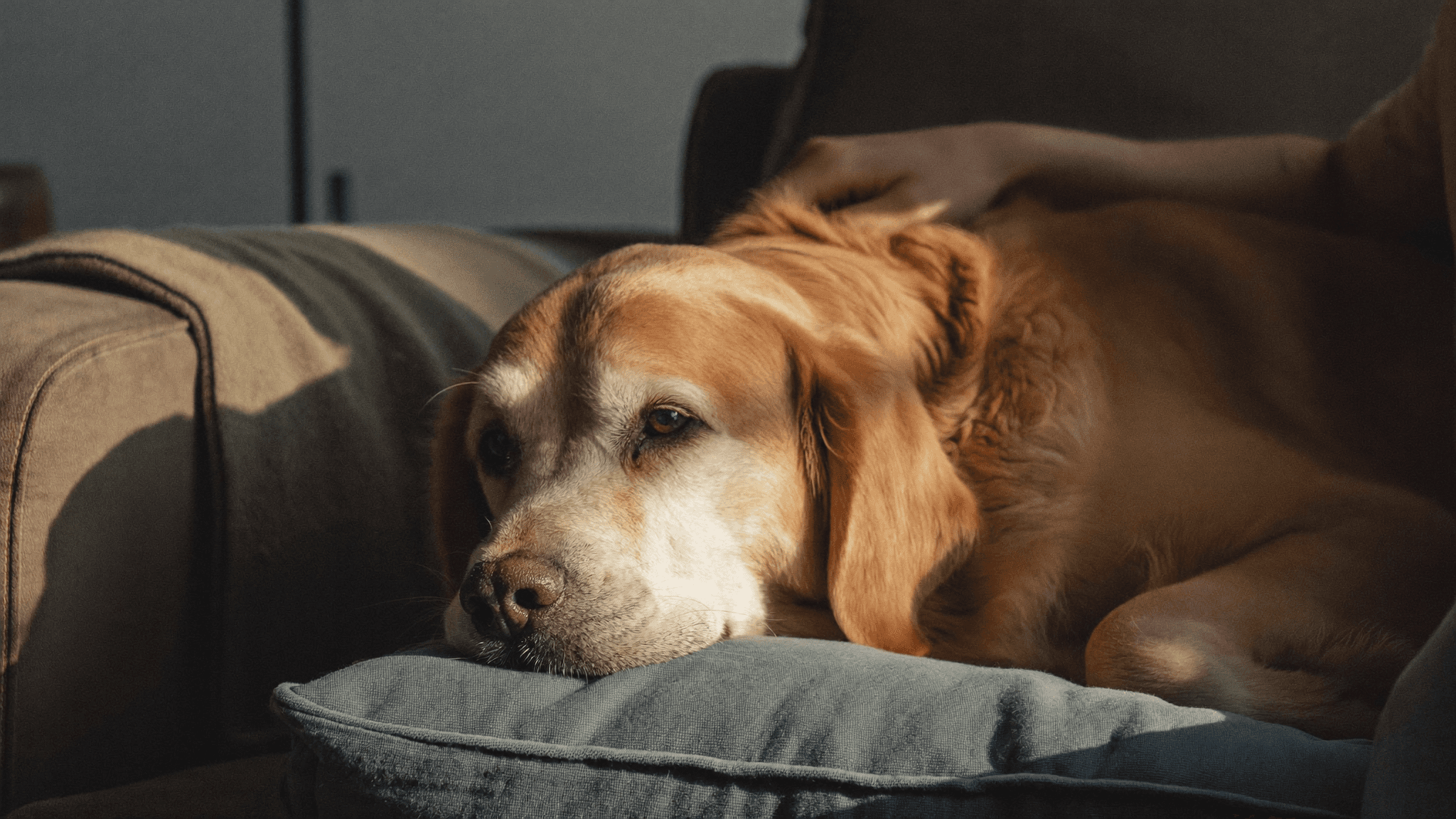
- Offer a quiet, cozy resting space where she can retreat and sleep undisturbed.
- Keep fresh water available and maintain her normal, balanced diet.
- Provide gentle exercise—short, calm walks rather than high-intensity play.
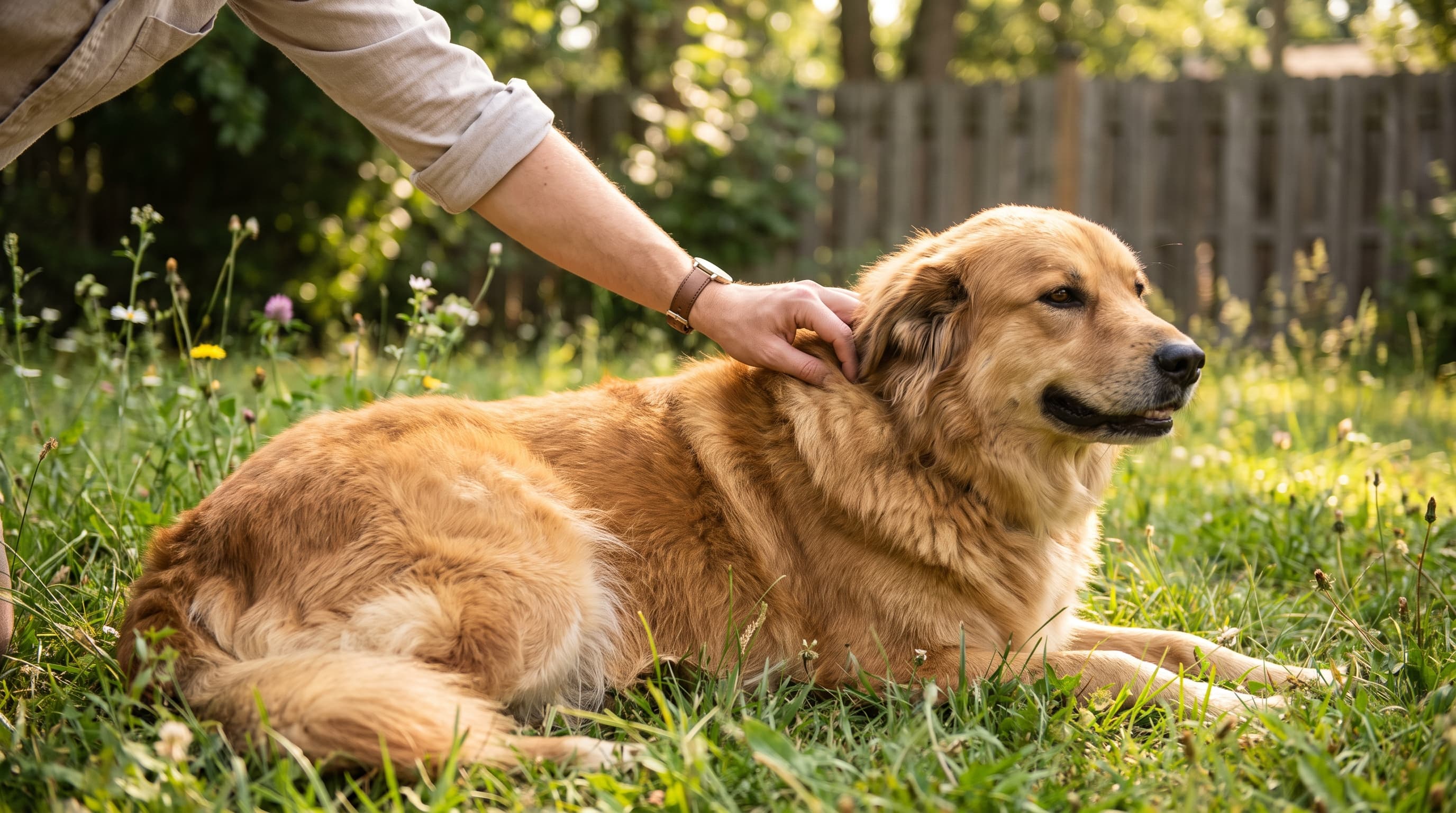
- Use extra patience and affection; some dogs simply want more reassurance.
- Consider a dog diaper or washable belly band to manage discharge and reduce stress around messes.
- Add warmth—a warm (not hot) bed or blanket can be soothing, similar to how warmth comforts many humans.
Important: never give your dog human pain relievers. Common human medications like ibuprofen, naproxen, aspirin, and acetaminophen can be toxic and even fatal to dogs. Only a veterinarian can recommend or prescribe anything for pain, and only after examining your dog.
When Discomfort Is a Red Flag: See Your Vet
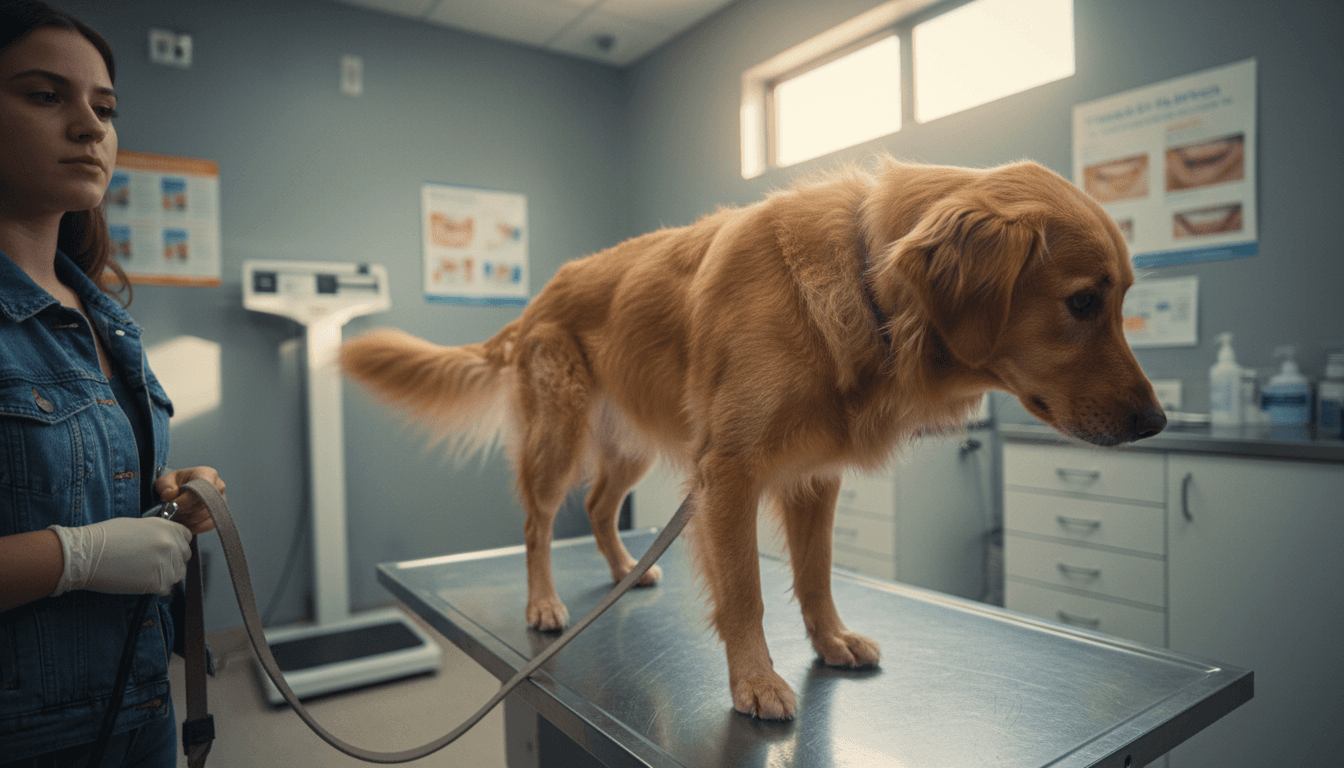
Mild, passing moodiness is one thing; genuine pain or illness is another. Contact your veterinarian promptly if your dog shows any of the following during or after her cycle, because these can signal problems well beyond normal heat—including a serious uterine infection called pyometra:
- Signs of real pain: crying out, a hunched posture, guarding the belly, or reluctance to move.
- Excessive lethargy, weakness, or collapse.
- Persistent vomiting or refusing to eat for more than a day.
- Foul-smelling, yellow, green, or pus-like discharge (versus the typical bloody discharge).
- Excessive thirst and urination, especially a few weeks after heat.
- A swollen, painful abdomen or a fever.
- Bleeding that is unusually heavy or lasts far longer than three weeks.
Cornerstone Veterinary Hospital advises that if a dog seems to be in pain, stops eating, or vomits during her cycle, owners should consult a veterinarian, since these signs may point to an underlying condition rather than normal heat discomfort. When your gut says something's wrong, trust it and call. Hormone-related and reproductive conditions can look subtle at first; our overview of Addison's disease in dogs is one example of how endocrine issues can masquerade as vague "off" behavior.
Does Spaying Change Any of This?
Yes—significantly. Spaying (removing the ovaries and usually the uterus) ends heat cycles entirely, which eliminates the discharge, the associated discomfort, and the risk of pyometra and greatly reduces the risk of certain reproductive cancers. Many owners choose to spay in part to spare their dog the twice-yearly cycle. Timing and whether to spay are decisions to make with your veterinarian, who can weigh your individual dog's breed, size, and health.
Frequently Asked Questions
Do dogs get cramps on their period like humans?
Not in the same way. Dogs have a heat cycle rather than a menstrual period, and there's limited evidence they experience true cramps. Some dogs do show mild discomfort, restlessness, or clinginess during heat.
How can I tell if my dog is in pain during her heat cycle?
Look for signs beyond mild moodiness—crying out, a hunched back, guarding the abdomen, refusing food, vomiting, or lethargy. Genuine pain is not normal for a routine cycle and means you should call your vet.
Can I give my dog anything for cramps or discomfort?
Never give human pain medications—many are toxic to dogs. Focus on comfort measures like rest, warmth, and gentle care, and ask your veterinarian before giving anything at all.
How long does the discomfort last?
Any mild discomfort typically tracks with the heat cycle, which averages two to three weeks, and is often most noticeable in the early bleeding phase.
Is heavy bleeding during a dog's heat normal?
Light to moderate bloody discharge is normal, but very heavy or prolonged bleeding, or foul-smelling or discolored discharge, is not—contact your vet, as it can indicate infection or another issue.
Will spaying stop the discomfort?
Yes. Spaying ends heat cycles and the discomfort that can come with them, and it removes the risk of pyometra. Talk to your vet about whether and when to spay your dog.
The Bottom Line
Do dogs get cramps on their period? Not the sharp, human-style cramps many owners imagine—dogs don't menstruate, and evidence for true cramping is limited. But some dogs clearly feel a little uncomfortable during heat, showing up as restlessness, clinginess, low appetite, or moodiness. Support her with rest, warmth, and patience, skip the human medicine cabinet entirely, and stay alert for the red flags that call for professional care.
A note from Sidewalk Dog: This article is for general educational purposes only and is not a substitute for professional veterinary advice, diagnosis, or treatment. Every dog is different. If you're concerned about your dog's comfort, behavior, or health during her heat cycle—or you notice any of the warning signs above—please contact your veterinarian.