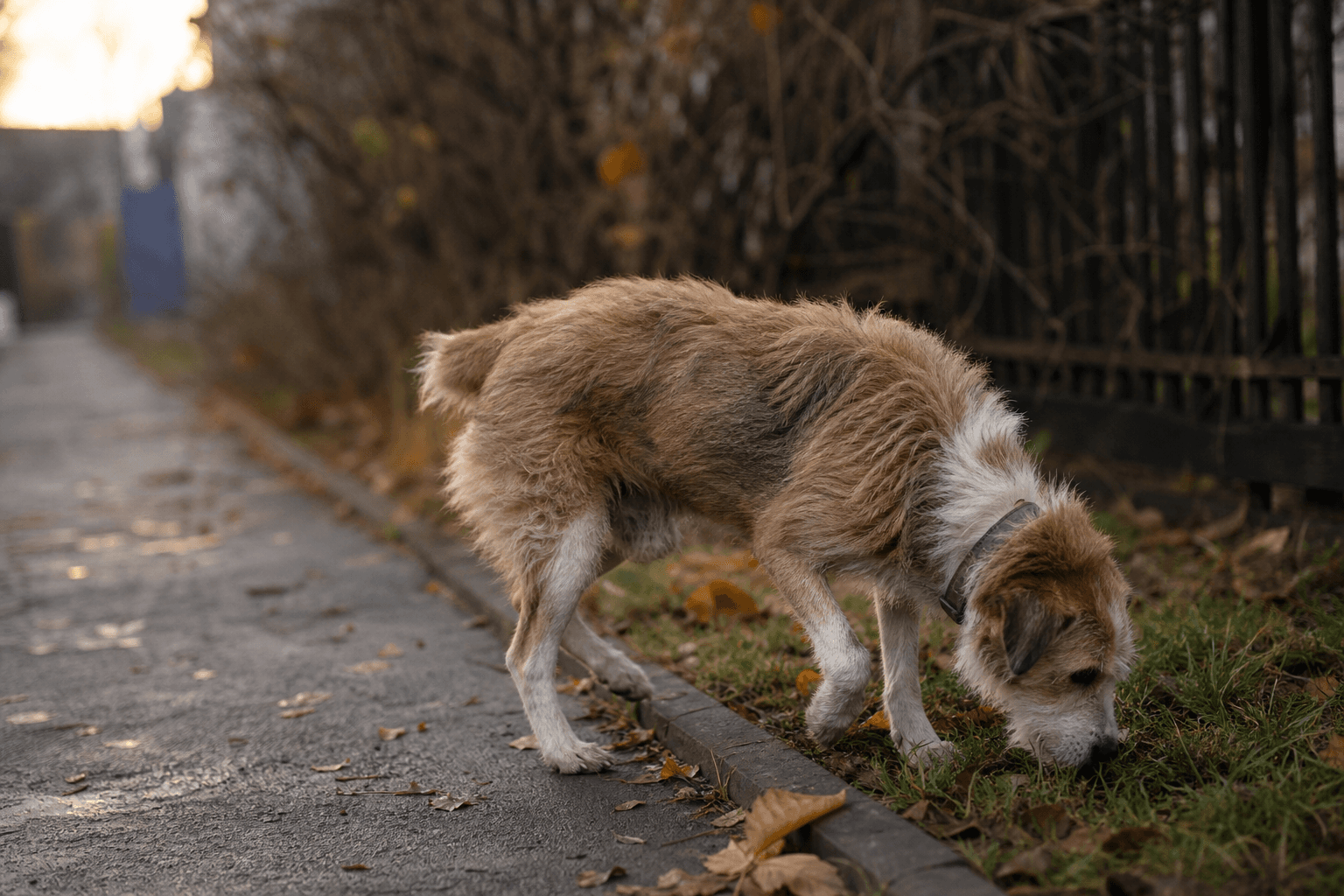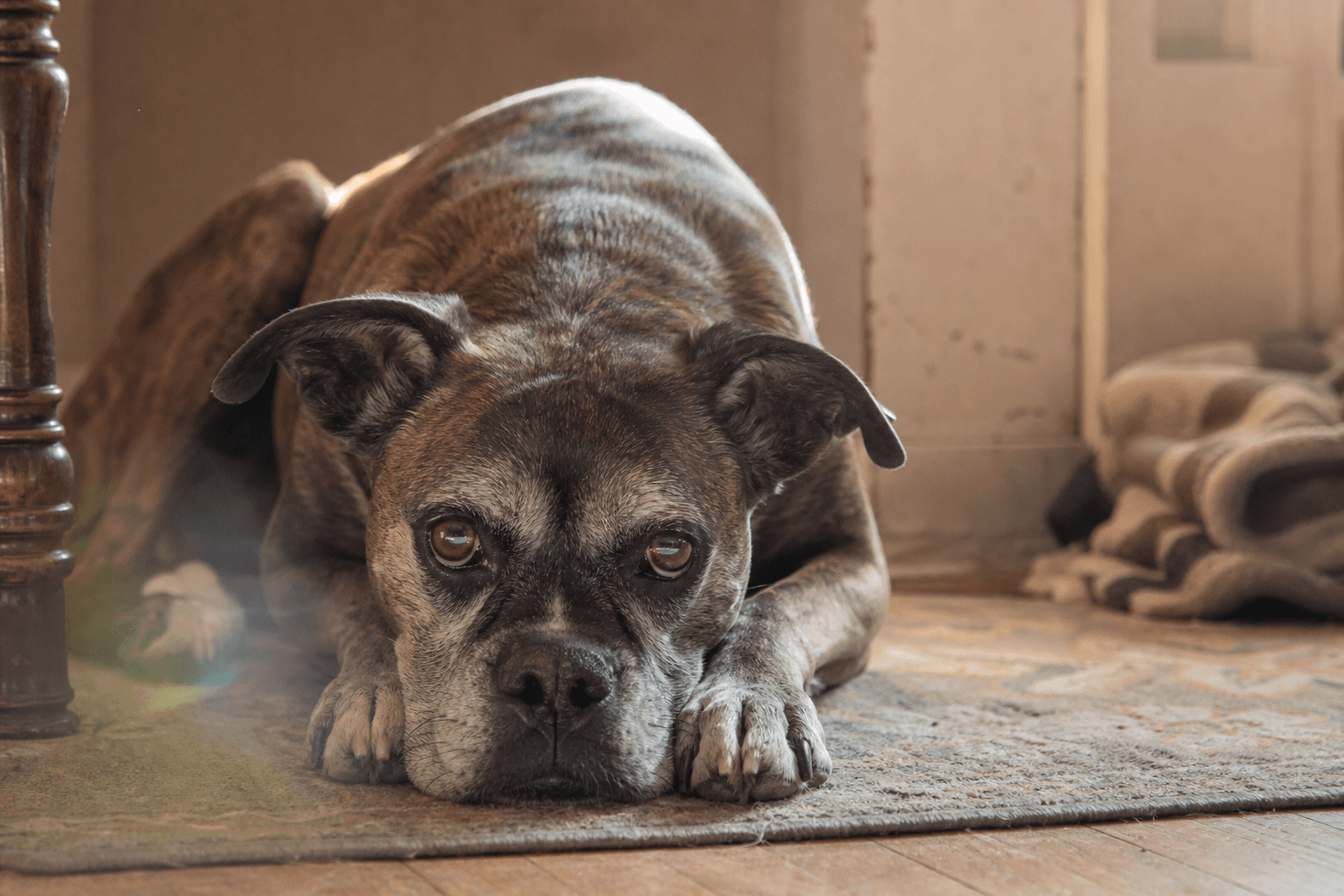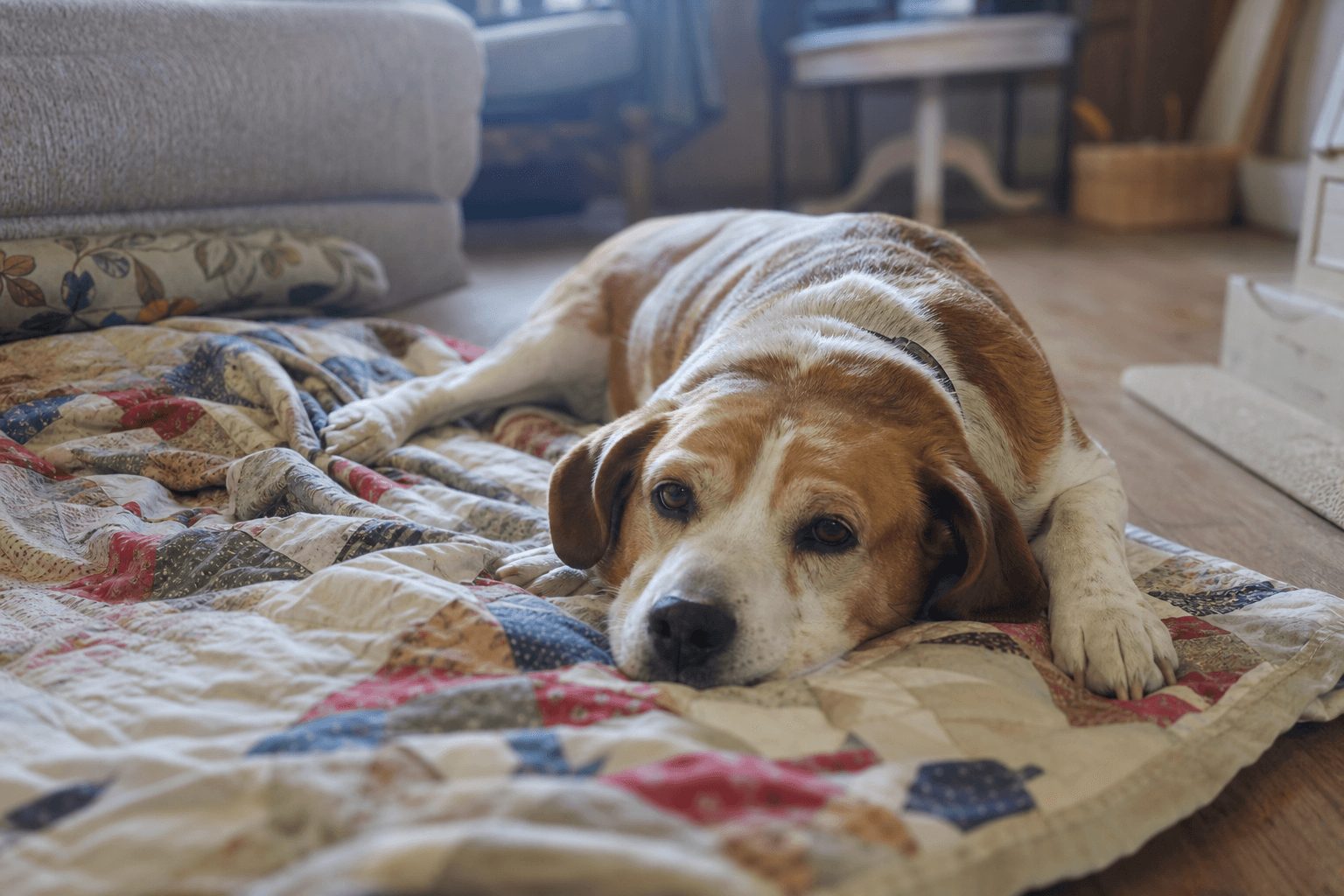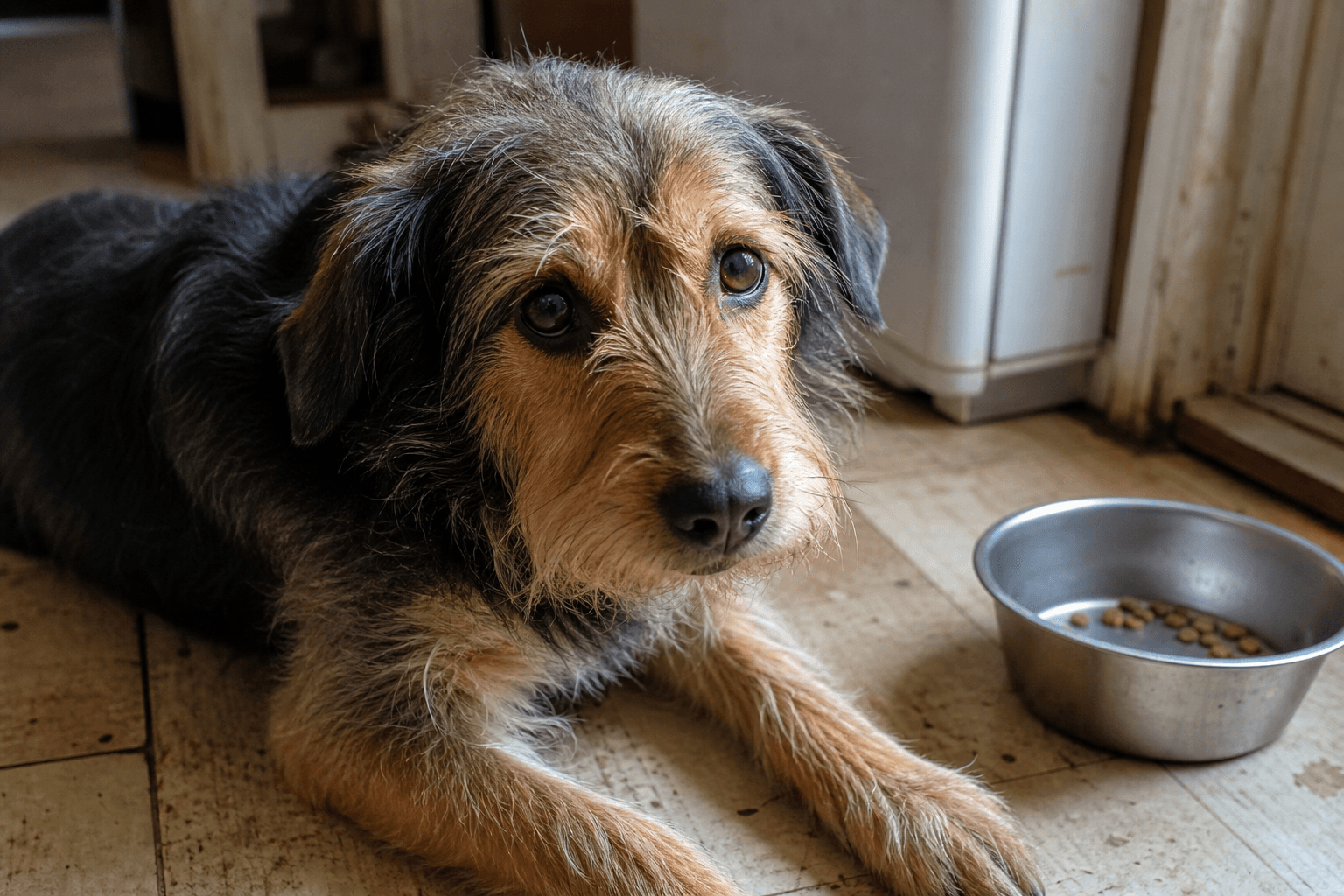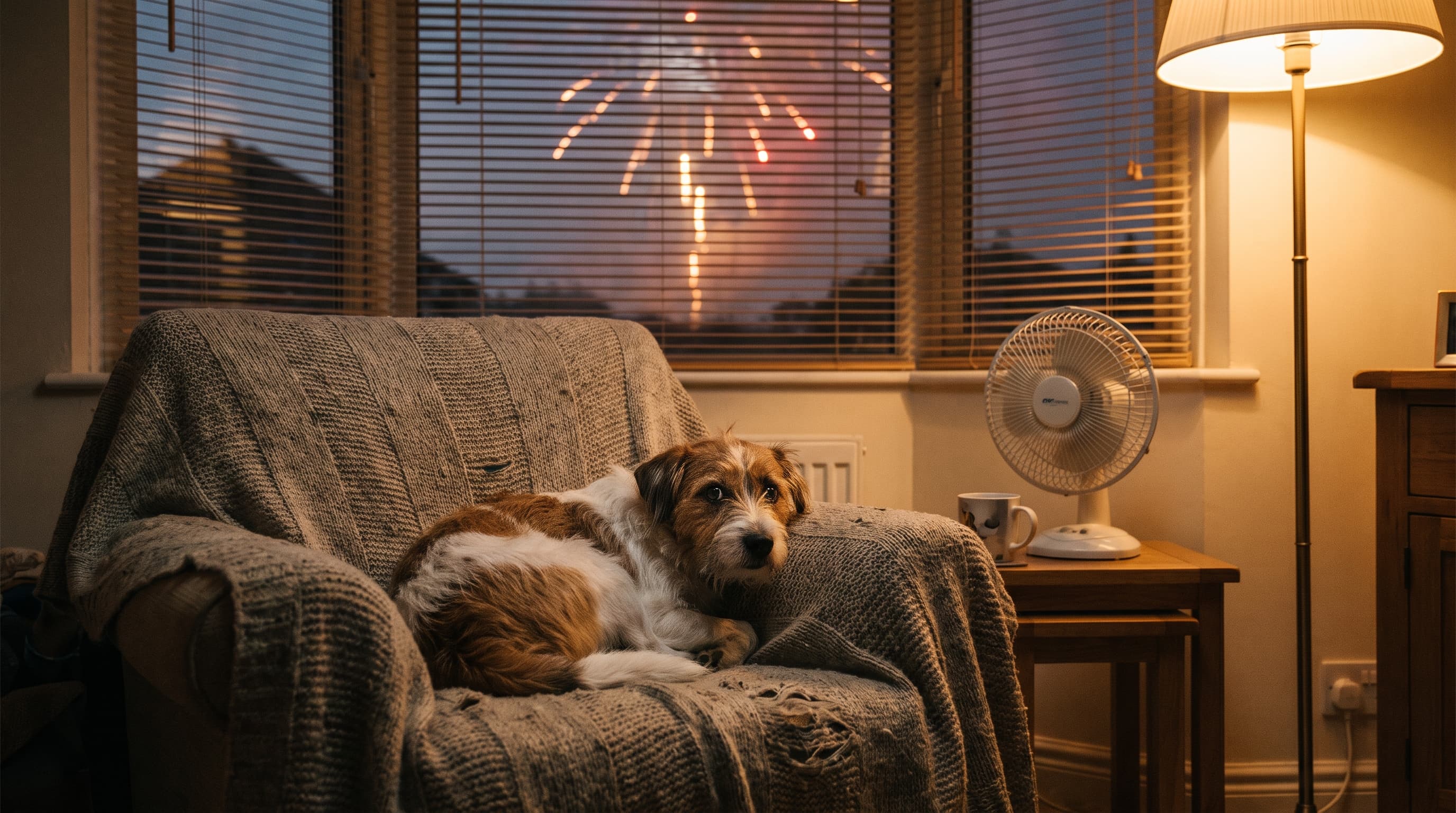

The grill is lit, the coolers are packed, and somewhere down the block a neighbor is already testing a mortar shell two nights early. For most American families, the Fourth of July is the highlight of the summer. For dogs, it is the single most frightening — and most dangerous — night of the year. Shelter workers have a grim name for the morning after: intake day. In fact, the American Humane Society reports that July 5th is the busiest day of the year at many animal shelters, because so many panicked pets bolt during the big night and don't find their way home.
The good news? Almost every one of those lost-dog stories is preventable. Here is what the data actually says about why dogs run on the Fourth — and the vet-backed steps you can take today, tomorrow, and even mid-fireworks to keep your dog calm, safe, and home.
Why the Fourth of July Is the Most Dangerous Night of the Year for Dogs
Start with the ears. Dogs hear far more than we do, and fireworks hit them harder than most owners realize. "Animals — dogs and cats — can hear and feel the fireworks four times further than a human can," Dr. Michael Bailey, president of the American Veterinary Medical Association, told NPR. To your dog, a distant neighborhood display doesn't sound like a celebration a mile away — it sounds like it's happening in the living room, with no warning and no end in sight.
That sensory overload triggers a primal flight response. A dog in full panic doesn't think about the fence, the busy road, or the fact that it has never left the yard before. It just runs. Nationally, animal-welfare groups estimate that lost-pet intakes jump 30% to 60% in the window between July 4th and July 6th compared with a normal summer week — a surge large enough that shelters from Long Island to Southern California publicly brace for it every year. The most common trigger isn't even the big municipal show; it's the unpredictable backyard bottle rockets that go off while a dog is outside for a bathroom break or standing at an open door as guests come and go.
Heat compounds the risk. Early July is often the hottest stretch of the summer, so a dog that escapes at 10 p.m. can still be loose — dehydrated, disoriented, and miles from home — by the next afternoon.
The Reunion Math: Why a Microchip Is Your Dog's Ticket Home
Here is the statistic every dog owner should sit with before the weekend. Once a lost dog lands in a shelter, whether it goes home often comes down to a rice-grain-sized chip under the skin. A large-scale analysis by Human Animal Support Services found that microchipped pets are roughly three times more likely to be reunited with their families than pets without one. Across 17 government-funded shelters in that study, an average of 57% of chipped dogs went home — versus a fraction of that for dogs with no chip and no tags.
But a microchip is only as good as the phone number attached to it. The most heartbreaking cases shelter staff describe aren't the dogs with no chip — they're the dogs with a chip registered to a phone number from three moves ago. The chip pings, the shelter calls, and the line is dead.
Do this today: the five-minute microchip audit
Before the fireworks start, take five minutes to close the loop:
- Confirm your dog is actually chipped. If you're not sure, your vet can scan for one in seconds — many will do it free.
- Log in to your microchip registry (AKC Reunite, HomeAgain, 24PetWatch, or whichever company holds the chip) and verify your current cell number and address. Services like AKC Reunite let you update contact details in minutes.
- Refresh the collar tag, too. A visible tag with your phone number is the fastest path home — a neighbor can read it and call you directly without any trip to a shelter. Collars can slip off in a chase, which is exactly why the chip is your backup.
- Take a current photo. A clear, recent picture is what you'll post to neighborhood apps and shelter lost-and-found pages if the worst happens.
How to Keep Your Dog From Bolting in the First Place
Prevention beats recovery every time. The American Kennel Club's Fourth of July safety guidance and veterinary behaviorists broadly agree on a game plan you can set up before the first boom.
Build a safe room before dark
Pick an interior room away from exterior walls and windows — a basement, a walk-in closet, a bathroom. Draw the blinds to mute the flashes, and run a fan, a box fan, a white-noise machine, or a TV to blunt the bangs. Bring in your dog's crate or bed, a favorite chew, and an item that smells like you. The goal isn't to trap your dog; it's to offer a den it chooses to retreat into when the noise builds.
Tire them out early, then keep them in
A long walk or vigorous play session in the afternoon — well before dusk and the worst of the heat — means a dog that's more inclined to sleep than to pace when the fireworks start. Then keep the doors closed. The single most repeated piece of advice from shelter staff: always leash your dog outside on the Fourth, even in a fully fenced backyard, even for a two-minute potty break. A startled dog clears fences it has respected for years.
A hard truth about anxiety medication
If your dog's fireworks fear is severe, medication can genuinely help — but timing matters. The AKC recommends contacting your veterinarian at least three to four weeks before the holiday to discuss a situational anti-anxiety prescription and to trial a dose at home. If you're reading this on July 3rd, that window has closed for this year — so call your vet's office anyway to ask what's still available for tonight, and put a reminder on next year's calendar for early June. For milder nerves, a snug anxiety wrap, calming treats, or simply staying home to provide a reassuring presence can take the edge off. (And yes — contrary to old myths, comforting a scared dog does not "reward" the fear.)
If Your Dog Does Get Out: The First-Hour Checklist
If the worst happens, move fast and move smart. Panic is understandable, but a calm, systematic search dramatically improves your odds.
- Search your own street first, quietly. A terrified dog often hides nearby rather than running for miles. Bring a leash, high-value treats, and a familiar voice. Don't chase — a dog in flight mode may run from you. Instead, crouch, turn sideways, and coax.
- Call your microchip company immediately to flag your pet as lost and double-check your contact info is current.
- File a lost report with every shelter and animal-control office within about a 60-mile radius. Good Samaritans often drive a found dog to the nearest shelter, which may not be near where it went missing.
- Post that recent photo everywhere: neighborhood apps, local Facebook lost-pet groups, and community boards. Include the cross streets where your dog was last seen.
- Don't give up early. Plenty of dogs are recovered days — even weeks — later. Keep the reports active and keep looking.
Give Your Dog a Calmer Fourth
Independence Day doesn't have to be your dog's worst night of the year. A five-minute microchip check, a dark and quiet safe room, a leash on every trip outside, and a plan for the first frantic hour add up to the difference between a dog that dozes through the booms and one that ends up behind a shelter's front desk on the fifth. This year, the most patriotic thing you can do for your best friend might be to skip the big show, stay in, and keep them close.
For more seasonal safety guides, training help, and vet-informed advice all summer long, explore the rest of Sidewalk Dog — and consider signing up for our newsletter so next year's reminder to book that early-June vet call lands in your inbox right on time. Have a safe, happy, and boring-in-the-best-way Fourth.