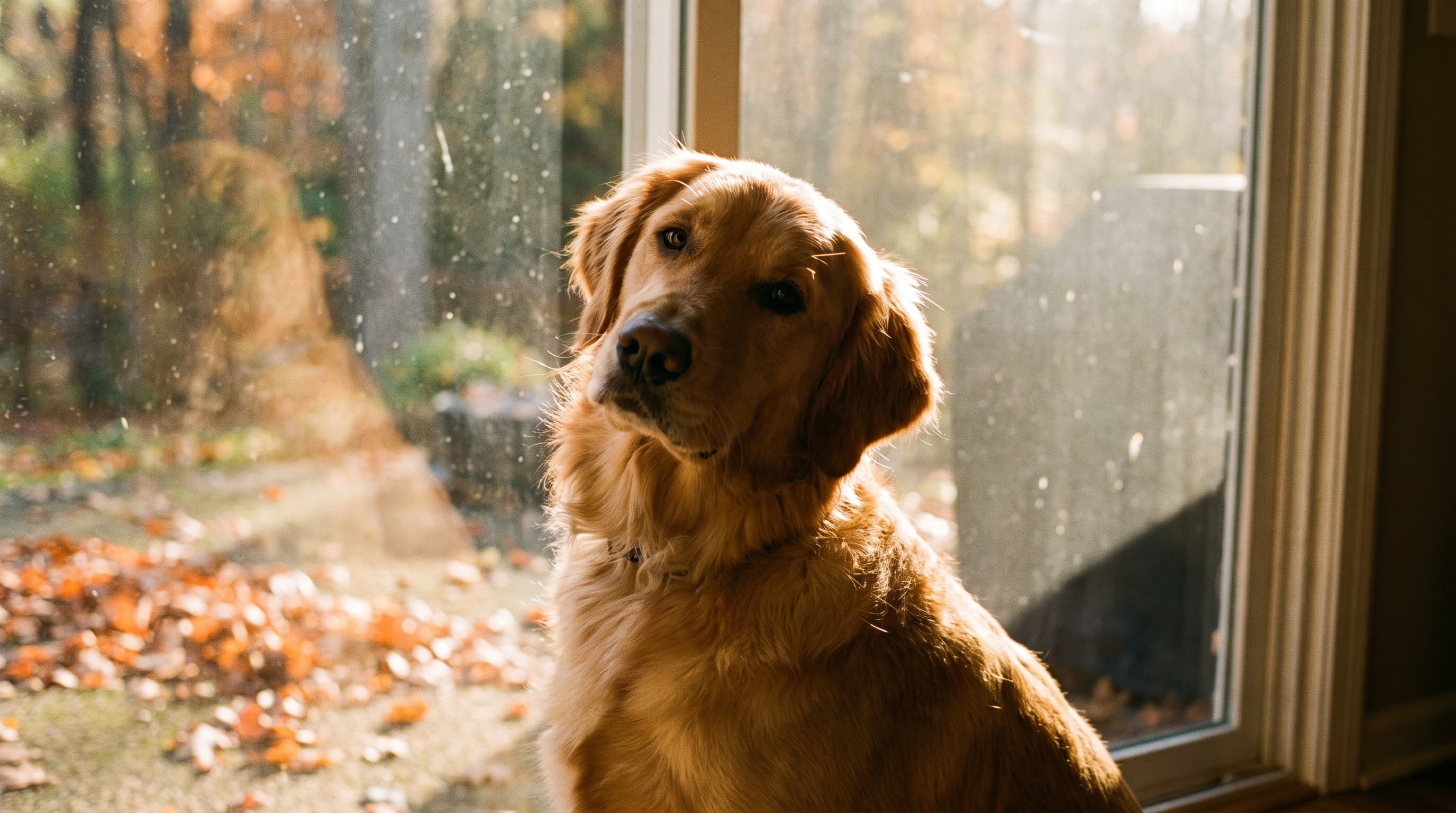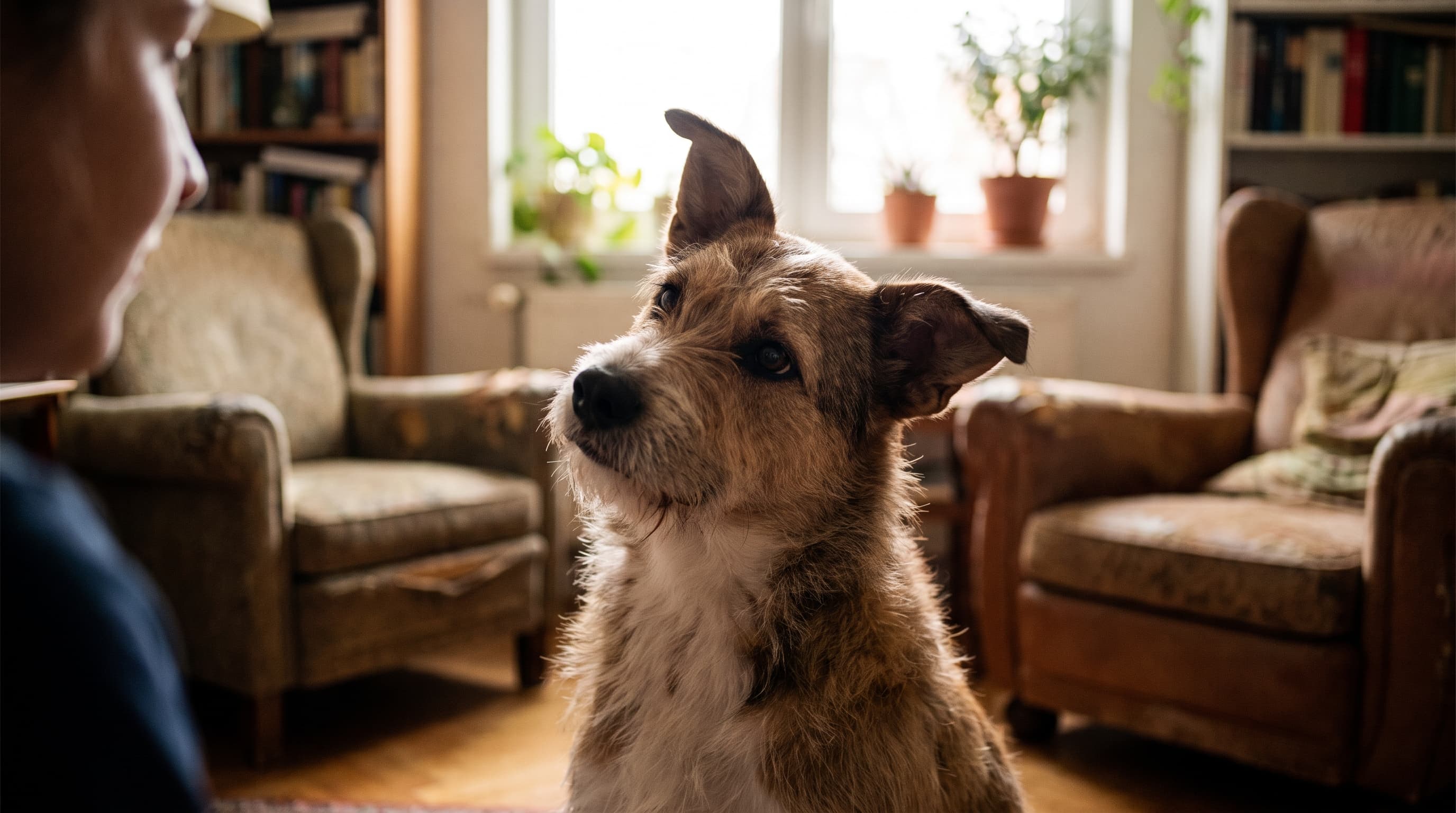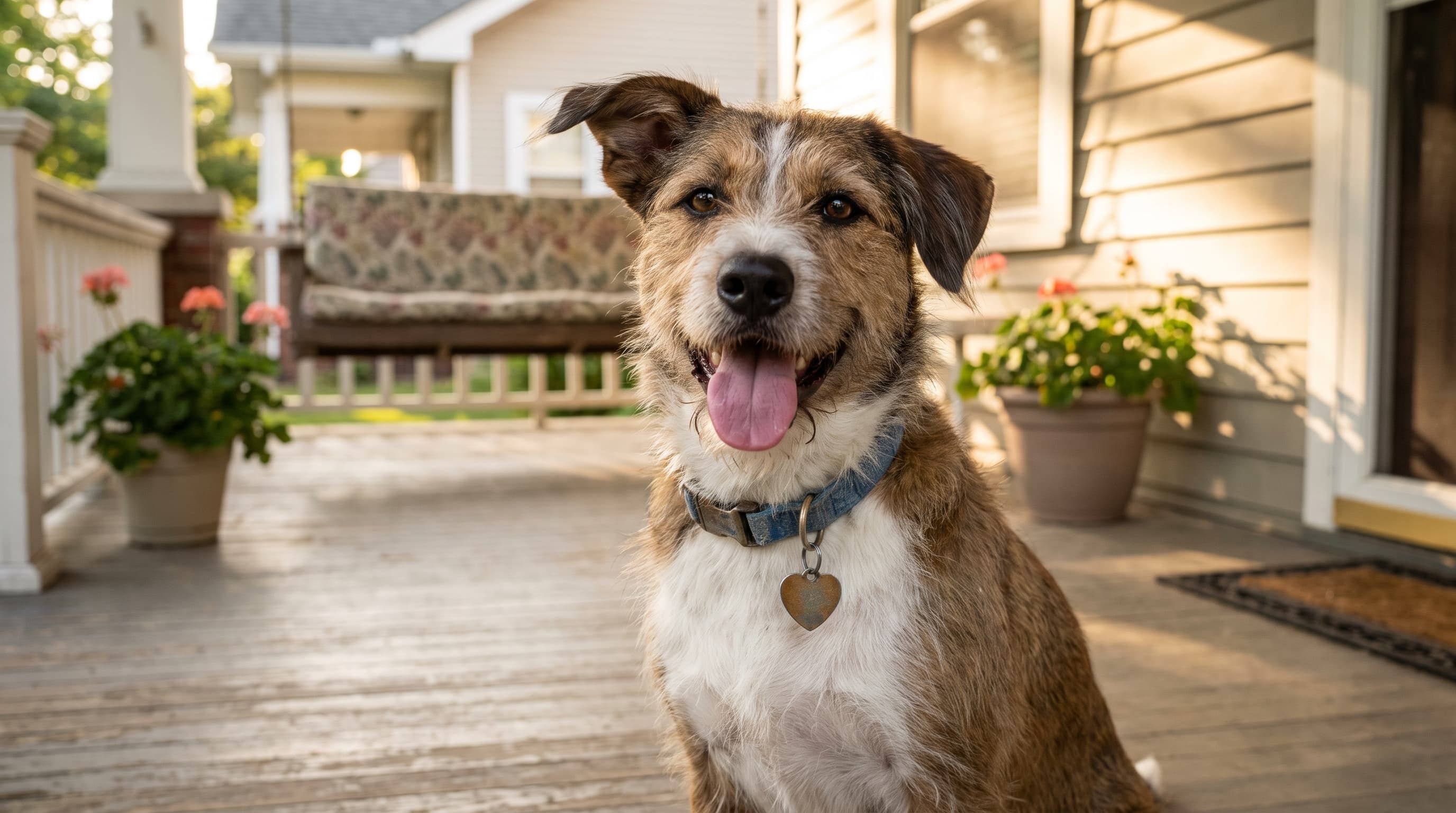

Your mutt does something no purebred can: they carry a genetic wildcard that even DNA testing struggles to pin down. And on Friday, July 31, 2026, that mystery gets its own holiday. National Mutt Day celebrates the mixed-breed dogs that fill American shelters and living rooms alike — and this year it arrives just as a wave of new research is quietly dismantling one of the oldest assumptions in dog ownership: that a dog's breed tells you who they are.
It turns out breed explains far less than you'd think. In the largest genetic study of dog behavior ever conducted, researchers found that breed accounts for just 9% of the variation in how an individual dog behaves. Your mutt, in other words, is far more individual than "part Lab, part who-knows." Here's what the science actually says — and how to celebrate the mutt in your life this July 31.
What Is National Mutt Day — and Why July 31 Matters
National Mutt Day was founded in 2005 by animal-welfare advocate and pet lifestyle expert Colleen Paige, who also created National Dog Day and National Puppy Day. Her goal, according to the organizers, was to "raise awareness about the plight of mixed breed dogs in shelters and encourage their adoption." Paige deliberately placed it on the calendar twice a year — July 31 and December 2 — reasoning that two waves of awareness would help more dogs find homes than a single date ever could.
The timing is not sentimental window-dressing. Mixed-breed dogs still wait longer for adoption than purebreds, often for no better reason than that a shelter card reading "shepherd mix" is less searchable than a recognizable breed name. National Mutt Day exists to close that gap — and a Friday date this year gives shelters a natural runway into a high-traffic adoption weekend.
The Science: Your Mutt's Breed Predicts Only 9% of Their Behavior
For decades, breed labels have functioned as personality forecasts. Border Collie? Workaholic. Golden Retriever? Endlessly patient. Pit-bull mix? The subject of entire municipal ordinances. But a landmark 2022 study published in the journal Science put those assumptions to a genuine test — and most of them failed.
A team led by geneticist Elinor Karlsson and researcher Kathleen Morrill at the Broad Institute of MIT and Harvard surveyed the owners of 18,385 dogs and sequenced the DNA of 2,155 of them. When they lined up genetics against behavior, breed explained only about 9% of behavioral differences between individual dogs. No behavior was exclusive to any one breed. Even traits we treat as breed-defining — sociability, biddability, howling — showed up across the entire canine family tree.
"Behavior is complicated," Karlsson explained. "It involves dozens if not hundreds of changes in different genes. It involves the environment." Her co-author's takeaway is the one every mutt owner should tattle onto the fridge, courtesy of UC Davis behaviorist Emma Grigg: "Choose the individual, not the breed. It is important to remember that all dogs, regardless of breed or mixed ancestry, are individuals."
The 47,000-Dog Study That Went Deeper
A more recent benchmarking study pushed the sample size dramatically higher. Drawing on the Dog Aging Project's records for 47,444 dogs tracked between 2020 and 2023, researchers at Virginia Tech and the University of Washington sorted canine behavior into four broad domains: fear, attention/excitability, aggression, and trainability. Published in PLOS One, the work found that mixed-breed dogs scored somewhat higher on fear, attention, and aggression than purebreds — but were just as trainable.
Size mattered more than breed in several cases. Dogs under 20 pounds tended to be more fearful, more reactive, and harder to train than bigger dogs, regardless of ancestry. Puppies needed more attention and were harder to train than adults, but showed less fear and aggression. As one researcher put it, "When you have a data set this big, you really do have power in numbers." The pattern is consistent: age, size, environment, and individual temperament shape your dog far more than a breed guess printed on an adoption card.
Are Mixed-Breed Dogs Healthier? The Truth About "Hybrid Vigor"
One long-standing claim about mutts does hold up reasonably well: the wider a dog's gene pool, the lower the odds of stacking two copies of the same harmful recessive gene. National Mutt Day organizers describe it plainly — "the blending of genes helps fight deficiencies by providing healthier gene sequences from other breeds." Purebreds, by contrast, are more likely to inherit the specific conditions concentrated in their line, from hip dysplasia to certain heart and eye diseases.
The nuance worth keeping: "hybrid vigor" is a tendency, not a guarantee. A mutt can still inherit breed-linked conditions from either parent, and mixed ancestry is no substitute for routine veterinary care, a healthy weight, and regular exercise. But as a population, mutts often bring genuine genetic resilience to the table — one more reason that "just a mutt" has always been a strange way to describe them.
The Adoption Picture in 2026
National Mutt Day lands during a stretch when American shelters need the attention. According to the 2025 Shelter Animals Count report, dogs and cats entered U.S. shelters and rescues at a rate of roughly 5.8 million community intakes, while adoptions reached about 4.2 million animals. Encouragingly, dog non-live outcomes fell 5% year over year — but capacity remains strained, and large dogs in particular are staying longer than they should.
Mixed breeds make up the clear majority of that population — an estimated 3.1 million dogs enter U.S. shelters each year, most of them mutts. If the science says breed barely predicts behavior, then the reverse is also true: passing over a shelter mutt because you can't name their breed means passing over a dog whose real temperament you could only ever learn by meeting them.
5 Ways to Celebrate National Mutt Day on July 31
- Meet a shelter mutt in person. Skip the breed filter and ask a shelter worker which dogs match your energy level, home, and schedule. Temperament — not ancestry — is what you're actually adopting.
- Invest in training, not assumptions. Because breed predicts so little, your dog's manners come down to what you teach them. Reward-based methods remain the gold standard; even something as simple as teaching a reliable "sit" builds the communication every good relationship runs on.
- Do a DNA test — for fun and health. A canine DNA kit won't dictate your dog's personality, but it can flag breed-linked health risks worth watching and settle the family debate over "what is he, exactly?"
- Enrich the mind, especially in summer heat. On days too hot for long walks, swap the food bowl for a snuffle mat or a frozen puzzle toy. Sniffing and foraging are deeply satisfying for dogs and burn mental energy that pavement walks can't in July.
- Share your mutt's story. Post a photo, tag your shelter or rescue, and help make one more "shepherd mix" card a little more searchable for the next adopter.
The Bottom Line for Mutt Owners
The research points to a conclusion that mutt lovers have felt in their bones for years: your dog is not a formula. Breed contributes a slice — about 9% — of the story, while age, size, environment, training, and sheer individual character write the rest. That is precisely what makes a mutt such a rewarding companion. You didn't adopt a breed profile. You adopted a specific dog, with a personality that revealed itself one walk, one couch nap, and one goofy zoomie at a time.
This July 31, celebrate that. Whether you're renewing your bond with the mutt already snoring at your feet or finally meeting the one waiting at your local shelter, National Mutt Day is a reminder that the best dogs rarely fit neatly on a pedigree chart.
For more vet-informed guides, training tips, and dog news you can actually use, keep exploring Sidewalk Dog — where every good dog, mutt or otherwise, gets the spotlight.